The Role of IP Address Brokers in the Digital Economy
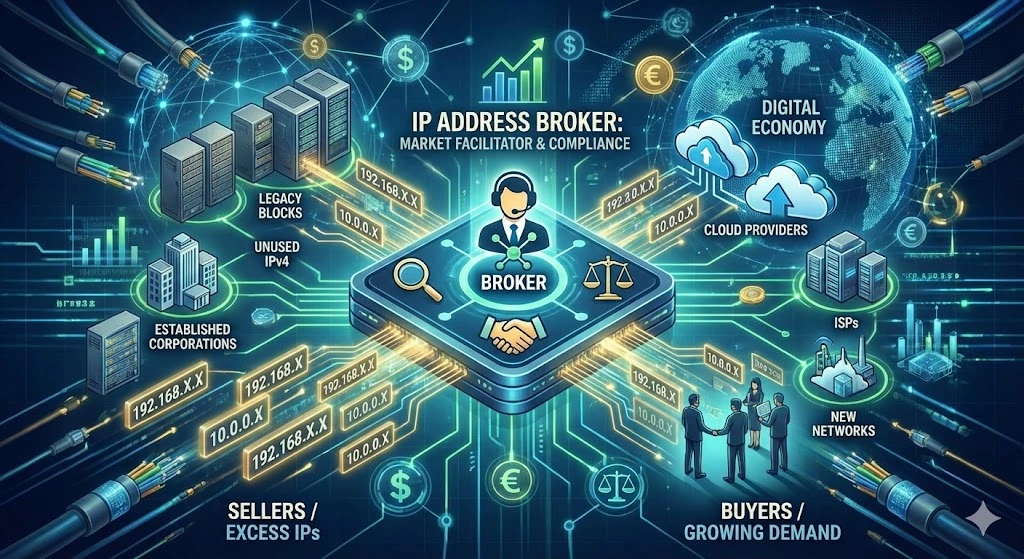
As the digital economy expands, businesses and service providers require more IP addresses to support their operations. However, acquiring these valuable resources isn’t as straightforward as it may seem. This is where IP address brokers play a crucial role, acting as intermediaries who facilitate transactions, ensure legal compliance, and provide expert guidance.
Table of Contents
Toggle
In this article, we’ll explore the role of IP address brokers in the digital economy and how they bring value to buyers and sellers.
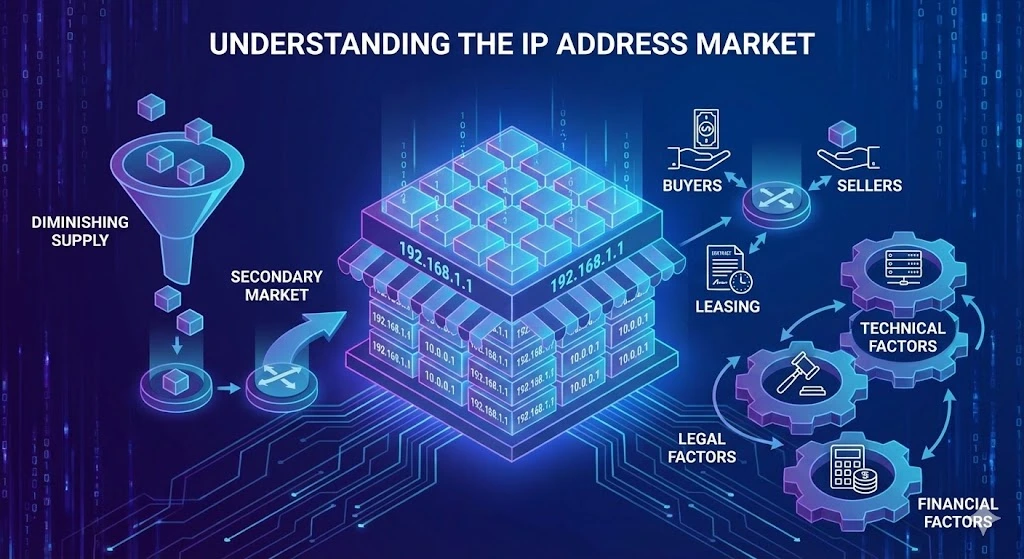
Understanding the IP Address Market
IP addresses are unique numerical identifiers that allow devices to communicate over the internet. As the internet has grown, the supply of available IP addresses, particularly IPv4 addresses, has diminished. This scarcity has led to a thriving secondary market where IP addresses are bought, sold, and leased. However, navigating this market can be complex due to the various legal, technical, and financial factors involved.
What is an IP Address Broker?
An IP address broker is a professional intermediary specializing in facilitating the purchase, sale, and transfer of IP address blocks. Brokers typically have deep knowledge of the IP address market, including current pricing trends, regulatory requirements, and the technical aspects of IP address allocation.
How IP Address Brokers Facilitate Transactions
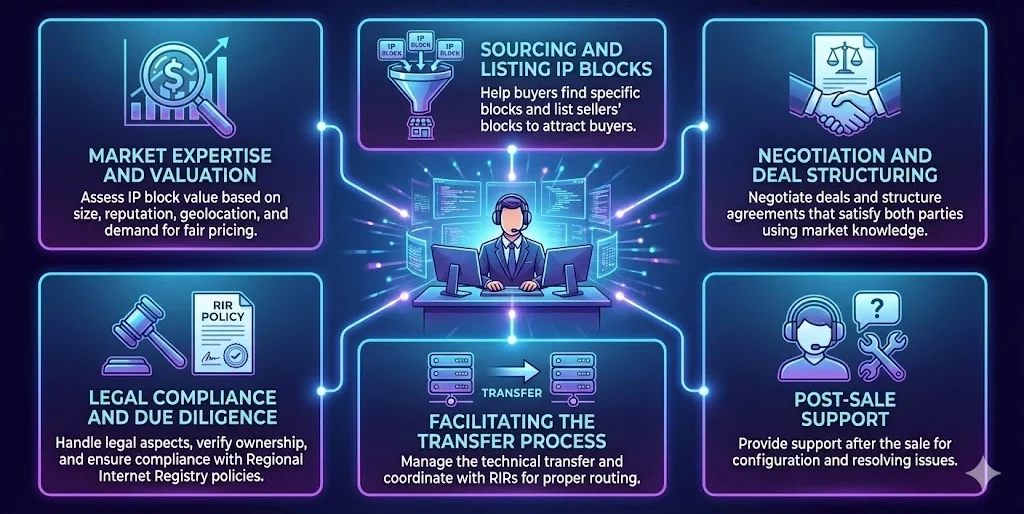
Market Expertise and Valuation: IP address brokers have deep market knowledge, enabling them to accurately assess IP block value based on size, reputation, geolocation, and demand, ensuring fair pricing for both buyers and sellers.
Sourcing and Listing IP Blocks: Brokers help buyers find IP blocks that meet specific needs, such as clean or region-specific addresses. They also list sellers’ IP blocks, attracting a wide range of potential buyers for competitive sales.
Negotiation and Deal Structuring: Brokers negotiate deals that satisfy both parties, leveraging their understanding of market dynamics to ensure smooth transactions.
Legal Compliance and Due Diligence: Brokers handle legal aspects, including ownership verification and compliance with RIR policies, reducing the risk of disputes.
Facilitating the Transfer Process: Brokers manage the technical transfer of IP addresses, coordinating with RIRs, and ensuring proper routing.
Post-Sale Support: Brokers often provide support after the sale, helping with IP address configuration and resolving any post-transfer issues.
Value of IP Address Brokers
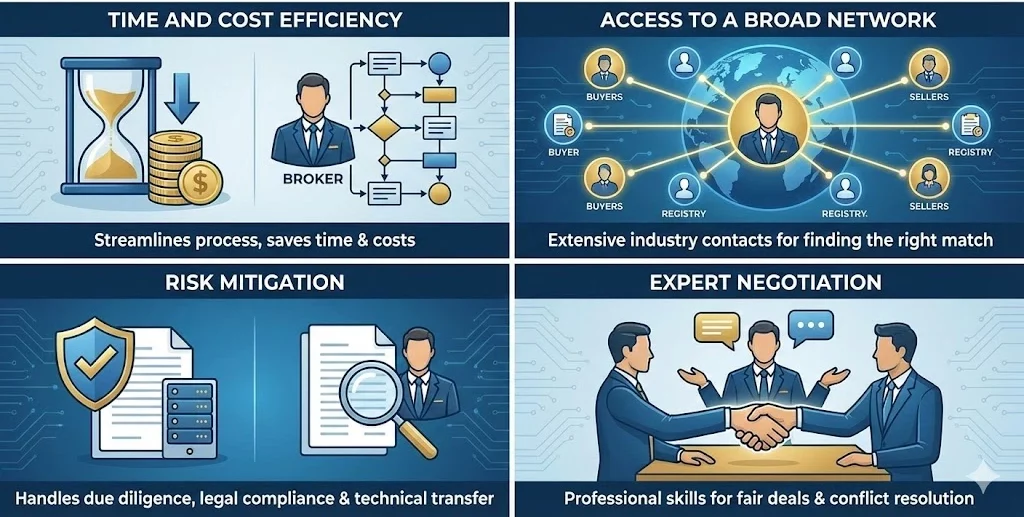
Time and Cost Efficiency: Navigating the IP address market can be time-consuming and complex, especially for those unfamiliar with the intricacies of IP address transactions. Brokers streamline the process, saving time and reducing the potential for costly mistakes.
Access to a Broad Network: Brokers typically have extensive networks of contacts within the industry, including other brokers, buyers, sellers, and registries. This network provides access to a larger pool of potential buyers and sellers, increasing the chances of finding the right match.
Risk Mitigation: By handling due diligence, legal compliance, and technical aspects of the transfer, brokers significantly reduce the risks associated with IP address transactions. This includes avoiding fraud, ensuring proper ownership transfer, and mitigating the risk of acquiring blacklisted or compromised IP blocks.
Expert Negotiation: Brokers bring professional negotiation skills to the table, ensuring that both parties achieve a fair deal. Their ability to mediate and resolve conflicts can prevent deals from falling apart, which is particularly valuable in high-stakes transactions.
Conclusion
IP address brokers provide the expertise, market knowledge, and negotiation skills necessary to facilitate successful IP address transactions. Whether you are a business looking to expand your IP address holdings or a seller aiming to liquidate assets, partnering with a reputable IP address broker can provide significant value, ensuring a smooth and profitable transaction.
As the demand for IP addresses continues to grow, the role of brokers will only become more critical in helping businesses navigate this essential aspect of the digital landscape.
Trusted IPv4 Leasing for Business Growth
Get enterprise-grade IPv4 space quickly, with seamless deployment and end-to-end management.
FAQs
Most IP brokers work on a commission basis, typically charging a “Success Fee” ranging from 15% to 35% of the total transaction value. Some may also offer flat-fee structures for smaller block transfers. It is important to clarify if this fee is paid by the buyer, the seller, or split between both parties before signing a contract.
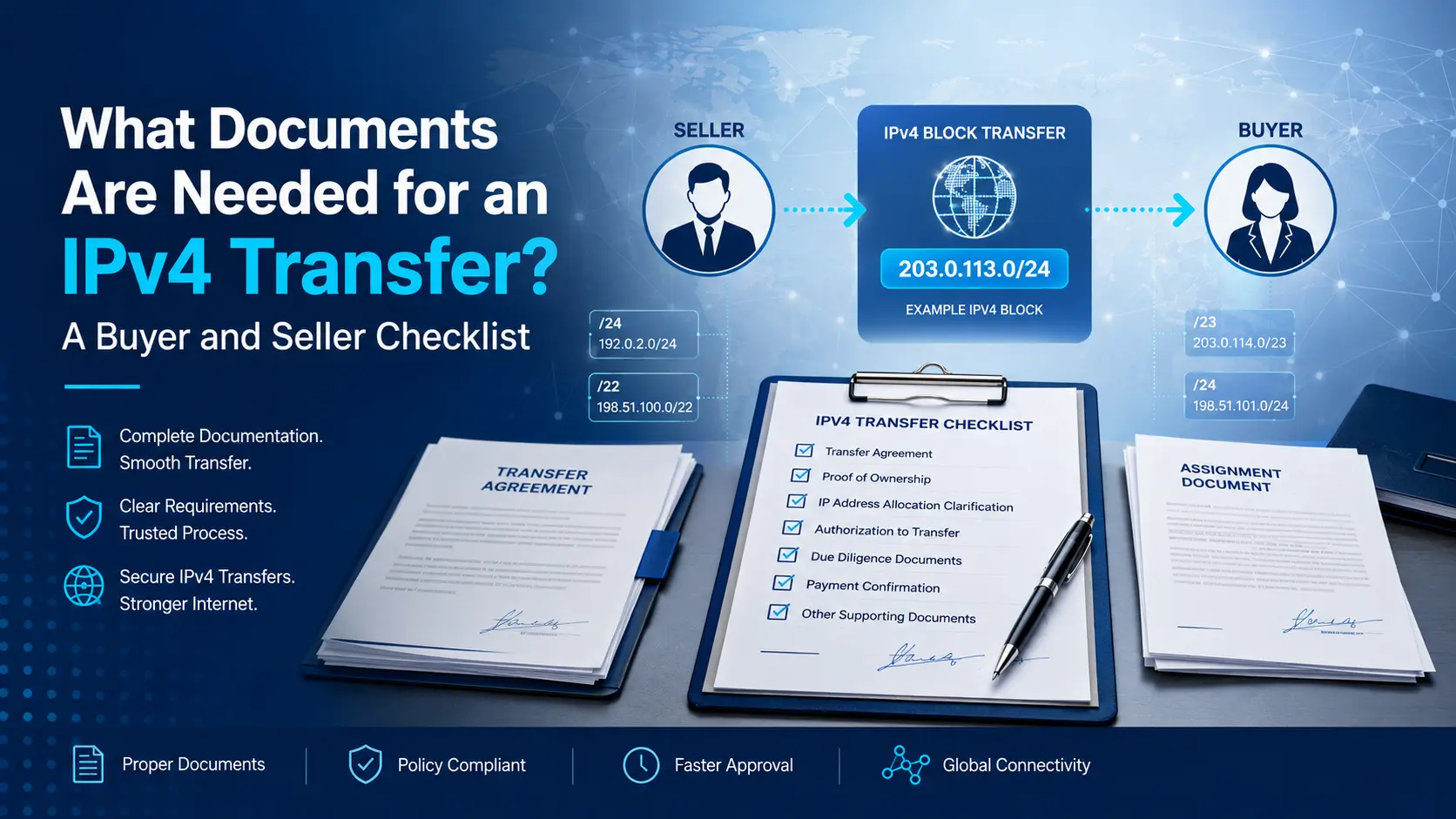
Technically, you are not “buying” the IP addresses themselves but rather transferring the “Right of Registration” to use them. This process is fully legal and recognized by Regional Internet Registries (RIRs) like ARIN, RIPE, and APNIC, provided that their specific transfer policies are followed.
conducting a private sale without a broker exposes you to significant risks, including:
- Fraud: Sending money and never receiving the IPs.
- Blacklisted IPs: Acquiring addresses that have been used for spam and are blocked by major networks.
- Reclamation: Buying IPs that have a “dirty” chain of custody, leading to the RIR revoking them later.
- Hidden Costs: Unexpected transfer fees or legal hurdles.
Yes. Brokers are essential for sellers because they can:
- Clean your IPs: Help remove old blacklist records to increase value.
- Find Buyers: distinct access to a global network of pre-vetted buyers.
- Handle Escrow: Ensure you get paid before the IPs are transferred out of your account.
Buying IPv4 addresses outside proper IP Allocation channels exposes organisations to fraud, legal disputes, operational failures and long-term governance risks.Key Read more
Facing IPv4 shortages, companies must weigh cost, speed, and network growth when choosing a lease plan.Short-term leasing lets you scale Read more
IPv4 地址曾经只是互联网运行所需的基础资源。但在今天,它越来越像一种具有市场价格、可交易、可租赁的数字资产。造成这一变化的原因并不复杂:IPv4 的总量有限,而全球互联网对 IPv4 的需求并没有消失;与此同时,IPv6 虽然早已出现,但迁移进度依然缓慢。这三股力量叠加,正在重新塑造运营商对 IP 地址的看法,也改变了互联网基础设施的经济逻辑。原文将这点概括为“有限供给、持续需求与缓慢转型”,并指出这正在推动 IP 地址成为影响全球电信经济的可交易资产。 IPv4 稀缺并不是新问题 全球互联网至今仍大量依赖 IPv4。这个协议诞生于更早的时代,只能提供大约 43 亿个地址。这个数量在互联网初期似乎足够庞大,但在今天已经明显不够。原文指出,IANA 在 2011 年就已将最后一批大型 IPv4 Read more