Transferring IPv4 address space from one organization to another involves more than agreeing on a prefix and a price. A successful IPv4 transfer may require documentation showing who the parties are, who is authorized to act for them, which IPv4 resources are involved, whether the source is entitled to transfer those resources, and whether the recipient satisfies the requirements of the applicable Regional Internet Registry (RIR). The exact documentRead more
NAS stands for Network Attached Storage. It is a dedicated storage device that connects to a network and serves files Read more
A botnet is a network of compromised computers or devices running malicious software that lets a single operator control them Read more
Network abuse is the use of IP address space to conduct harmful activity spam, phishing, malware distribution, brute-force attacks, scanning, Read more
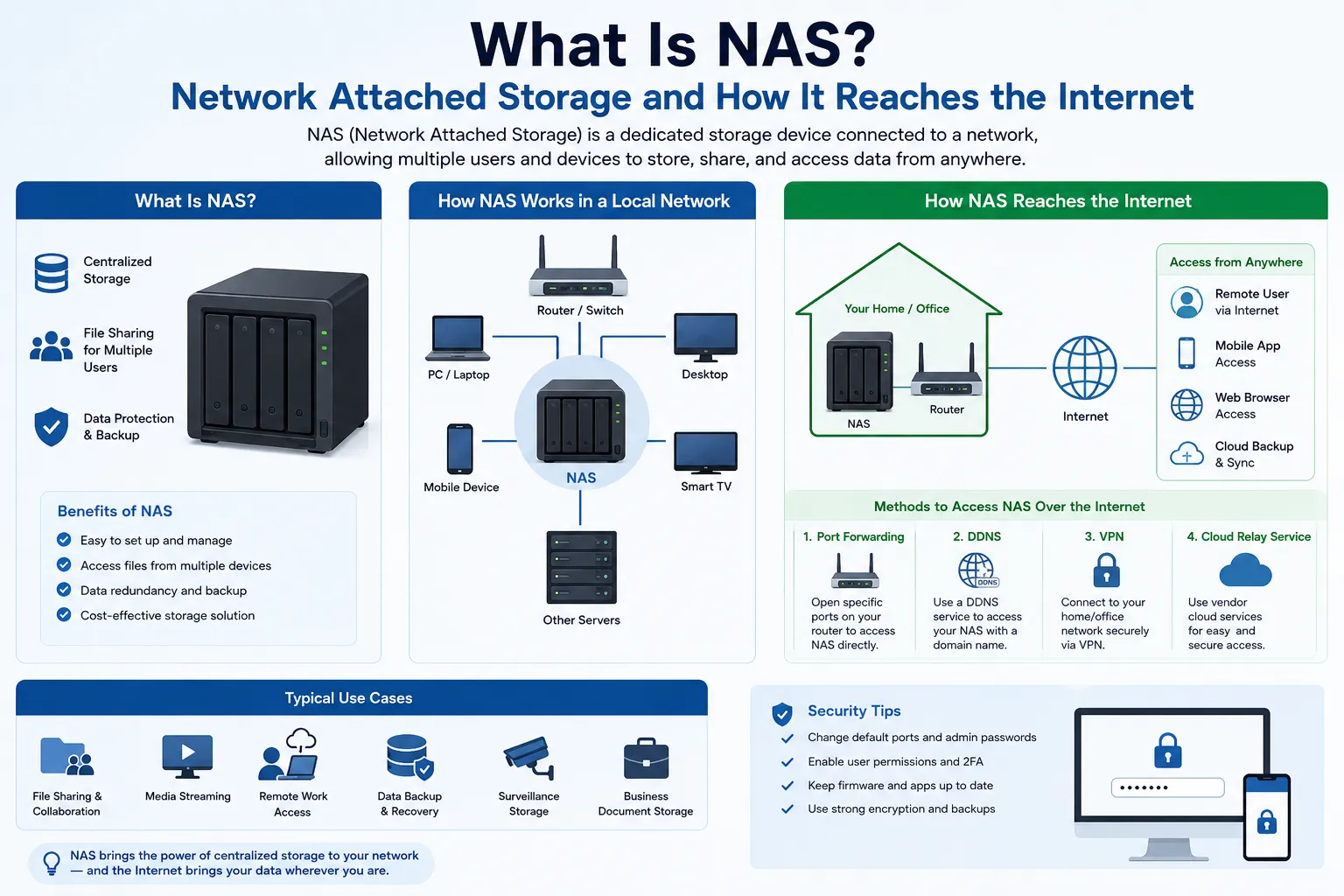
NAS stands for Network Attached Storage. It is a dedicated storage device that connects to a network and serves files to every authorised computer, server, or application on that network, instead of storing data on individual machines. Where a normal external drive belongs to one computer, a NAS belongs to the whole network. For a business, that difference matters operationally. A NAS turns storage from a per-device problem intoRead more
Transferring IPv4 address space from one organization to another involves more than agreeing on a prefix and a price. A Read more
NAS signifie Network Attached Storage, ou stockage en réseau. Il s’agit d’un dispositif de stockage dédié qui se connecte à Read more
NAS significa Network Attached Storage, o almacenamiento conectado a la red. Es un dispositivo de almacenamiento dedicado que se conecta Read more
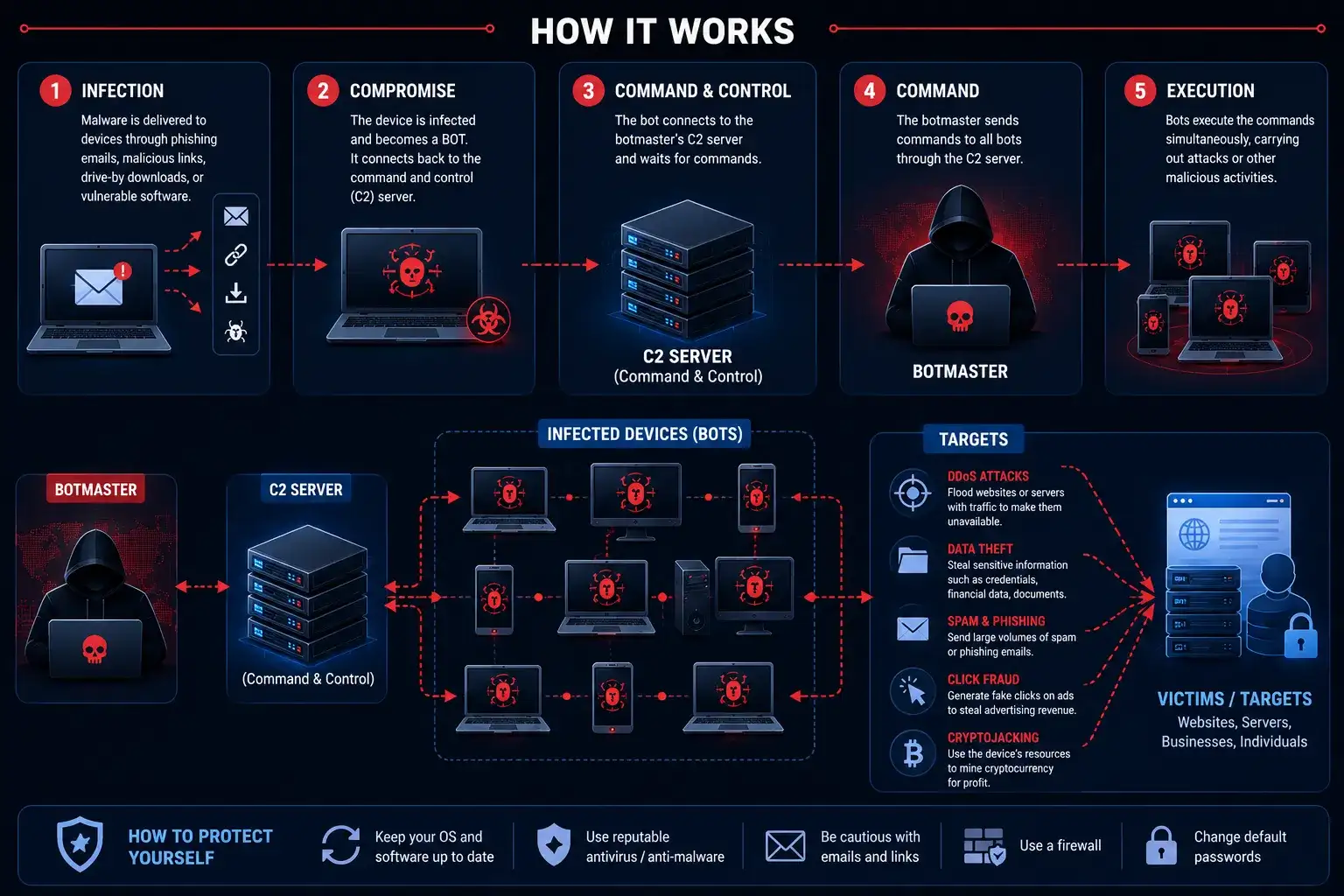
A botnet is a network of compromised computers or devices running malicious software that lets a single operator control them all remotely. Each infected machine is a “bot,” the person controlling them is the “bot herder,” and the channel through which commands are issued is called command and control (C2). Together they form a distributed platform that can be pointed at any target the operator chooses. Botnets are usuallyRead more
Transferring IPv4 address space from one organization to another involves more than agreeing on a prefix and a price. A Read more
NAS stands for Network Attached Storage. It is a dedicated storage device that connects to a network and serves files Read more
Una botnet es una red de ordenadores o dispositivos comprometidos que ejecutan software malicioso y que permite a un único Read more
Network abuse is the use of IP address space to conduct harmful activity spam, phishing, malware distribution, brute-force attacks, scanning, or participating in attacks and abuse reports are the notifications sent to whoever is responsible for that space when it happens. Those reports arrive at the abuse contact registered for the address block, which means they arrive at you if you hold or manage the space, regardless of whoRead more
Transferring IPv4 address space from one organization to another involves more than agreeing on a prefix and a price. A Read more
NAS stands for Network Attached Storage. It is a dedicated storage device that connects to a network and serves files Read more
A botnet is a network of compromised computers or devices running malicious software that lets a single operator control them Read more
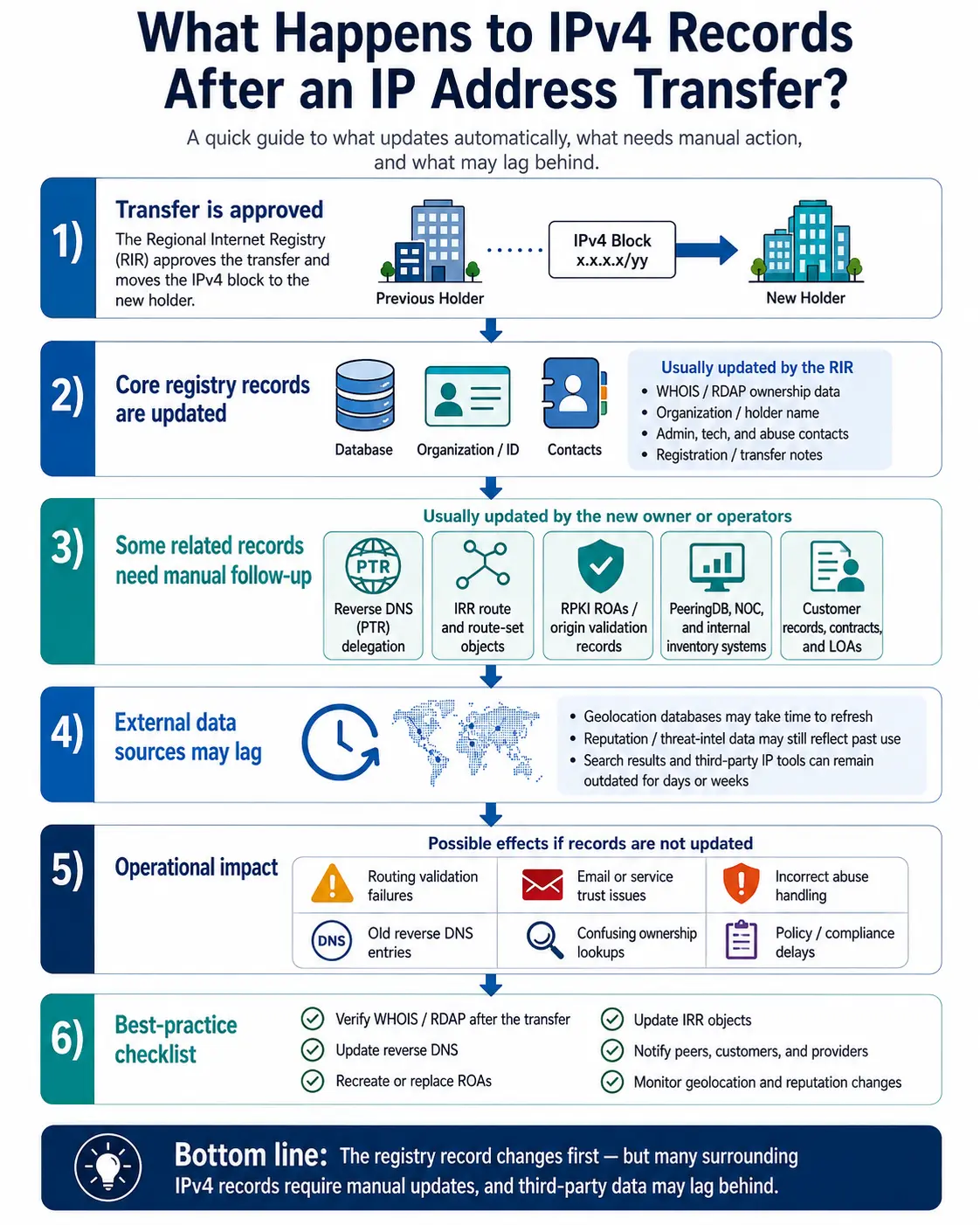
Completing an IPv4 transfer does more than move address space from one organization to another. It changes the administrative relationship around the IPv4 block—and that can affect multiple records and services associated with the resource. After an IPv4 transfer, organizations may need to review or update: RIR registration records WHOIS and RDAP information Organization and contact details Abuse contacts RPKI certificates and ROAs Internet Routing Registry (IRR) objects ReverseRead more
Transferring IPv4 address space from one organization to another involves more than agreeing on a prefix and a price. A Read more
NAS stands for Network Attached Storage. It is a dedicated storage device that connects to a network and serves files Read more
A botnet is a network of compromised computers or devices running malicious software that lets a single operator control them Read more