How IPv6 addresses are assigned IPv6 addresses are assigned by a global system. When requesting IPv6 space, an organisation requests information about its network, technology requirements, as well as long-term goals. Typical regional policies demand that one present a deployment plan within a timeframe, efficient use of the allocated space in the event allocated space exists, and appropriate use of routing, aggregation, and documentation policies. What organisations get InternetRead more
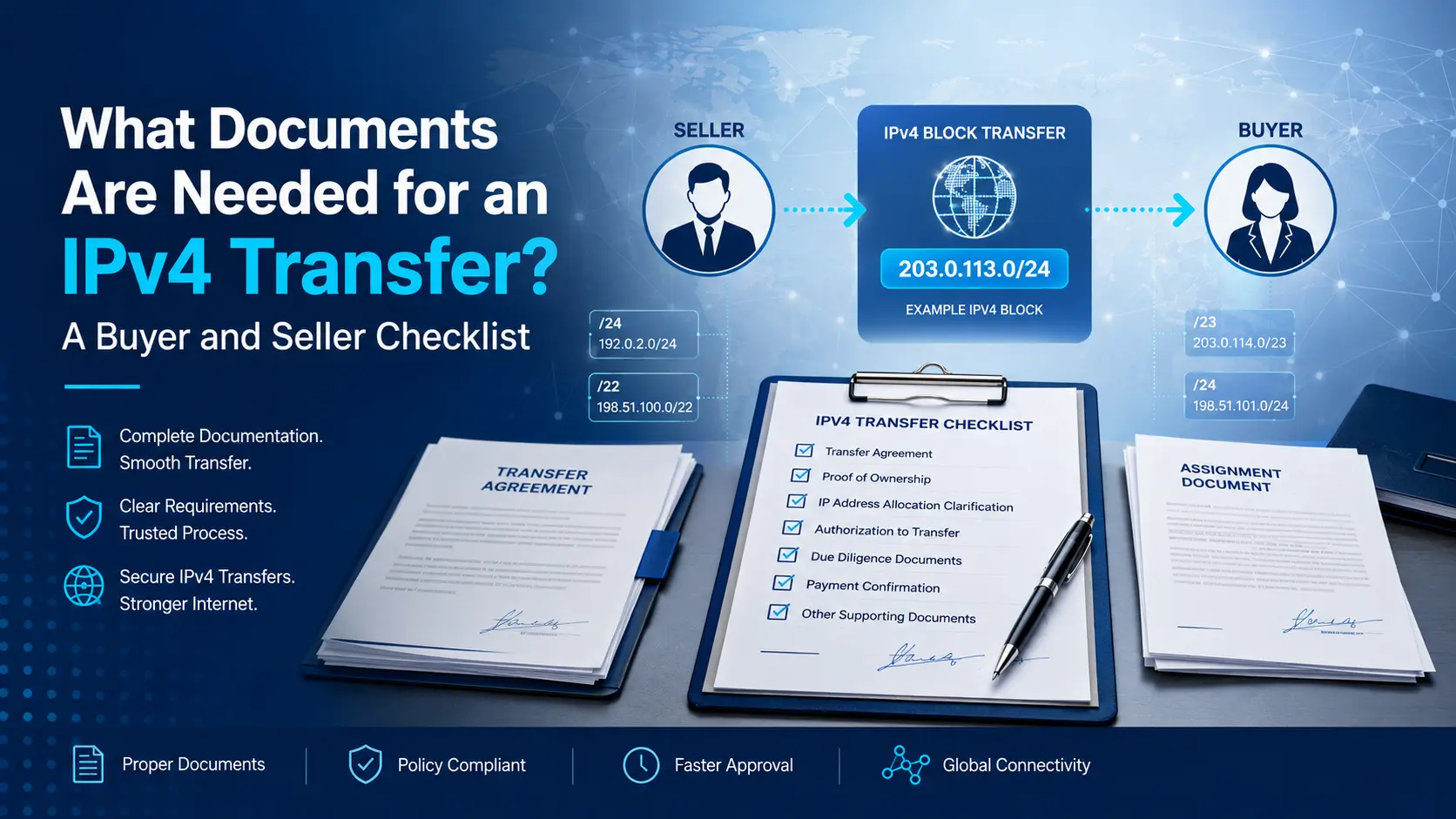
Transferring IPv4 address space from one organization to another involves more than agreeing on a prefix and a price. A Read more
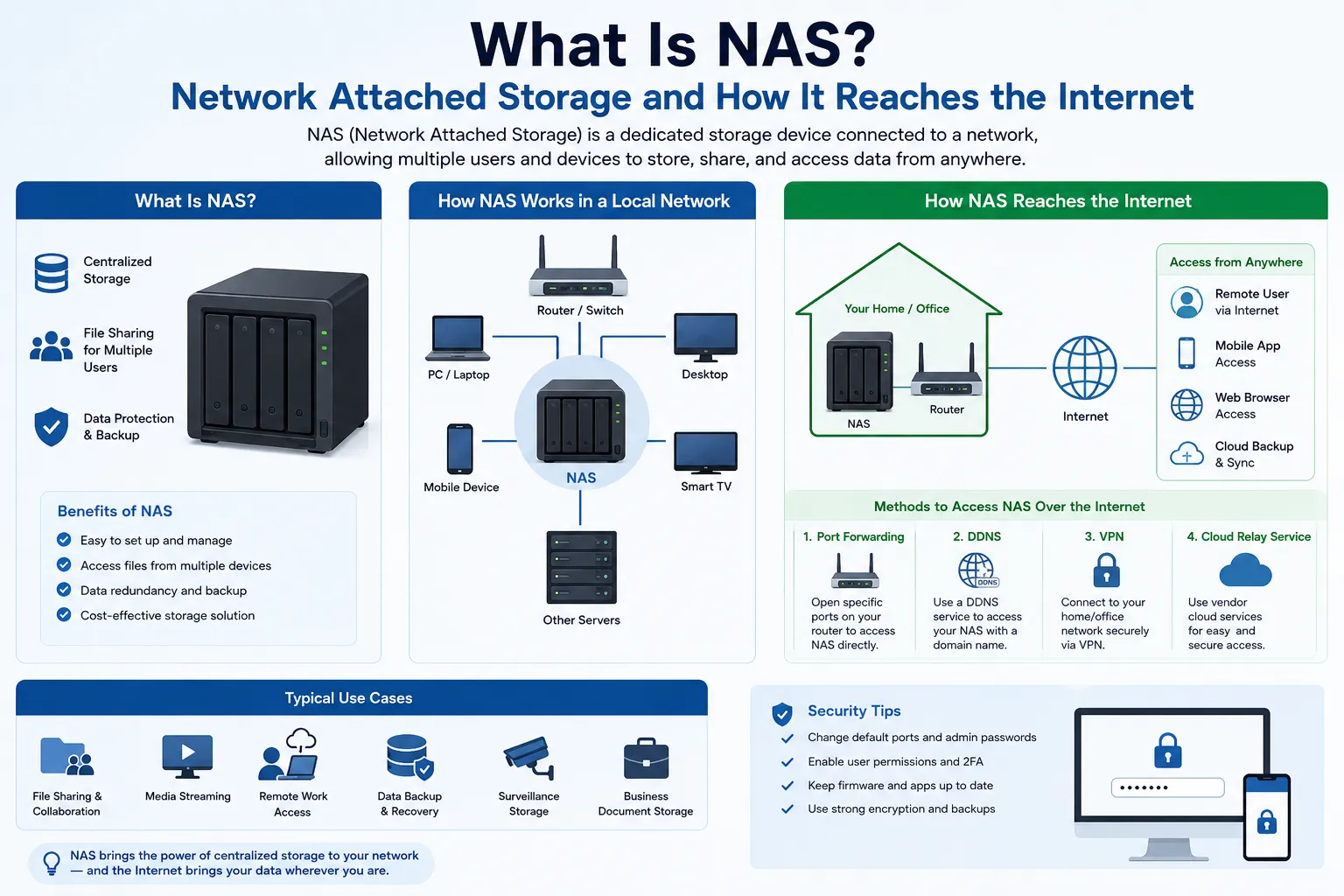
NAS stands for Network Attached Storage. It is a dedicated storage device that connects to a network and serves files Read more
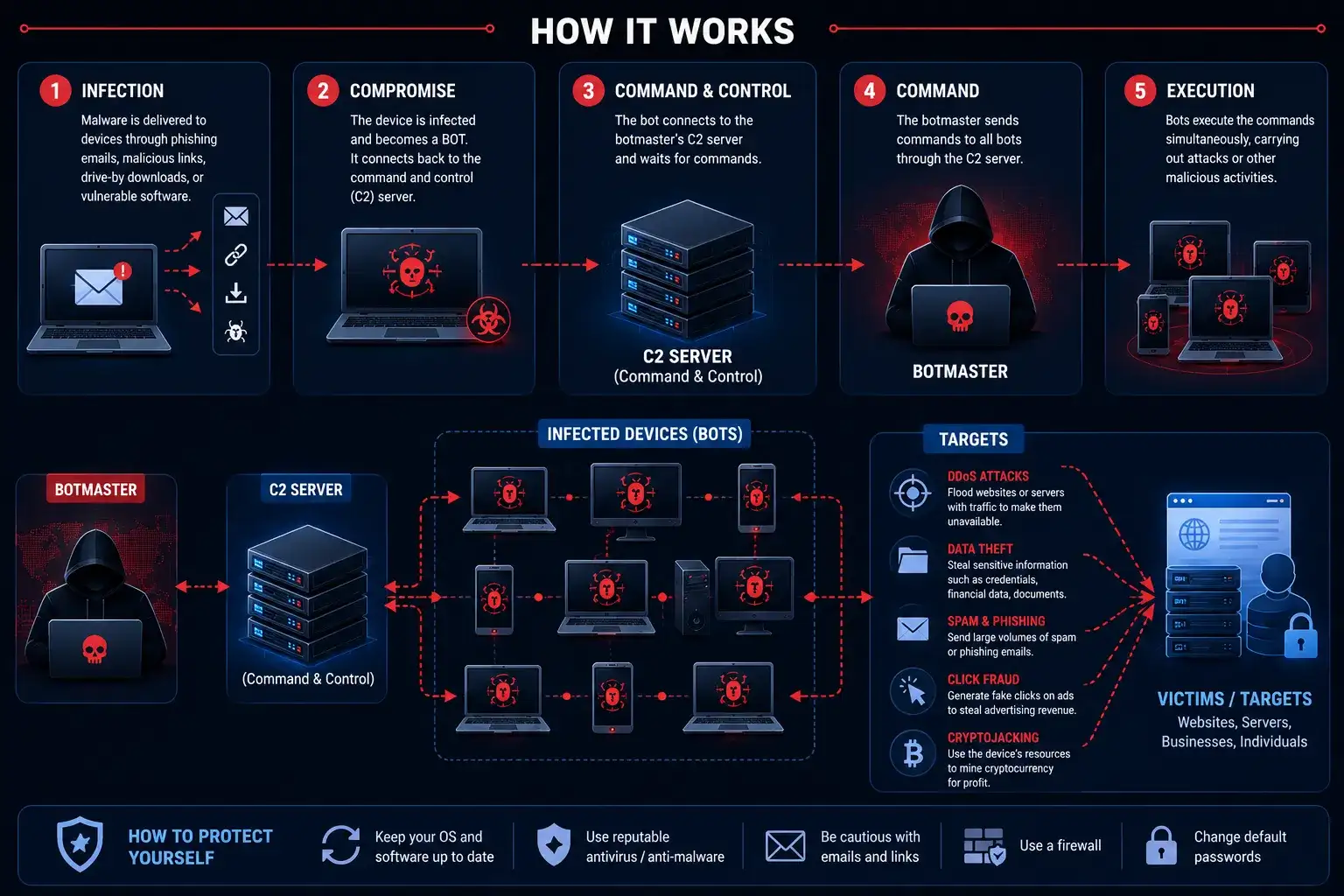
A botnet is a network of compromised computers or devices running malicious software that lets a single operator control them Read more
The allocation process ensures each device gets a distinct address. Without proper allocation, network connections would fail due to duplicate addresses. The system maintains order by following specific distribution rules. Address assignment occurs through a structured hierarchy. Global organizations oversee the entire address pool. Regional entities receive allocations from these global authorities. Local providers then distribute addresses to end users. This layered approach prevents address hoarding. It guaranteesRead more
Transferring IPv4 address space from one organization to another involves more than agreeing on a prefix and a price. A Read more
NAS stands for Network Attached Storage. It is a dedicated storage device that connects to a network and serves files Read more
A botnet is a network of compromised computers or devices running malicious software that lets a single operator control them Read more
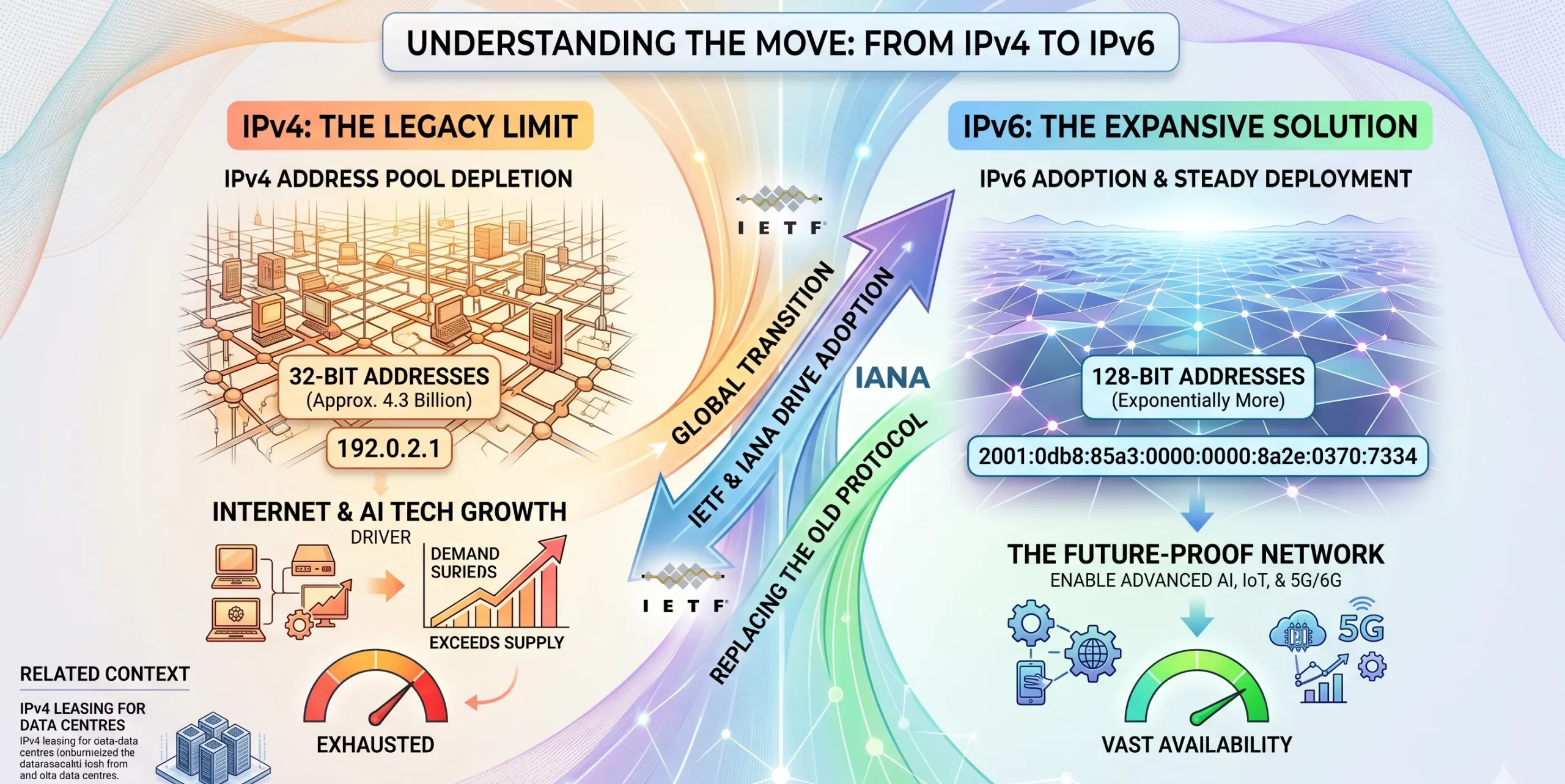
About IPv6: What Businesses Need to Know Before the Internet Fully Transitions IPv6 is the next generation of Internet Protocol addressing. It was created to solve the long-term limitation of IPv4 address space and support the continued growth of the internet, cloud platforms, mobile networks, and connected devices. For many businesses, IPv6 is no longer just a future concept. It is already part of modern network planning. Internet serviceRead more
Transferring IPv4 address space from one organization to another involves more than agreeing on a prefix and a price. A Read more
NAS stands for Network Attached Storage. It is a dedicated storage device that connects to a network and serves files Read more
A botnet is a network of compromised computers or devices running malicious software that lets a single operator control them Read more

Explore the complex system behind IP address allocation, its governing bodies, and the growing need for efficient global management. The internet’s address system relies on several key organisations that manage IP address distribution worldwide. Growing challenges in IP address allocation include scarcity, regional disparities, and the rise of IPv6 adoption. Introduction: Understanding the global IP address allocation system The IP address works like a unique ID number. It letsRead more
Transferring IPv4 address space from one organization to another involves more than agreeing on a prefix and a price. A Read more
NAS stands for Network Attached Storage. It is a dedicated storage device that connects to a network and serves files Read more
A botnet is a network of compromised computers or devices running malicious software that lets a single operator control them Read more

An Autonomous System Number (ASN) is one of the most important building blocks of the Internet, yet it is often overlooked outside networking teams. Businesses planning cloud deployments, operating data centres, running Internet Service Providers (ISPs), providing VPN services, or managing their own public IPv4 resources will eventually encounter ASNs as part of Internet routing. While an IPv4 address identifies where Internet traffic should be delivered, an ASN identifiesRead more
Transferring IPv4 address space from one organization to another involves more than agreeing on a prefix and a price. A Read more
NAS stands for Network Attached Storage. It is a dedicated storage device that connects to a network and serves files Read more
A botnet is a network of compromised computers or devices running malicious software that lets a single operator control them Read more