A simple guide that shows how ISPs get IP addresses and give them to users. It also looks at the steps, the problems, and the rules behind it. ISPs get IP address blocks from RIRs. They give these to users by using DHCP, fixed IPs, or shared IPs through NAT. IANA and the RIRs help control the system. They make sure the addresses are used well and not repeated.Read more
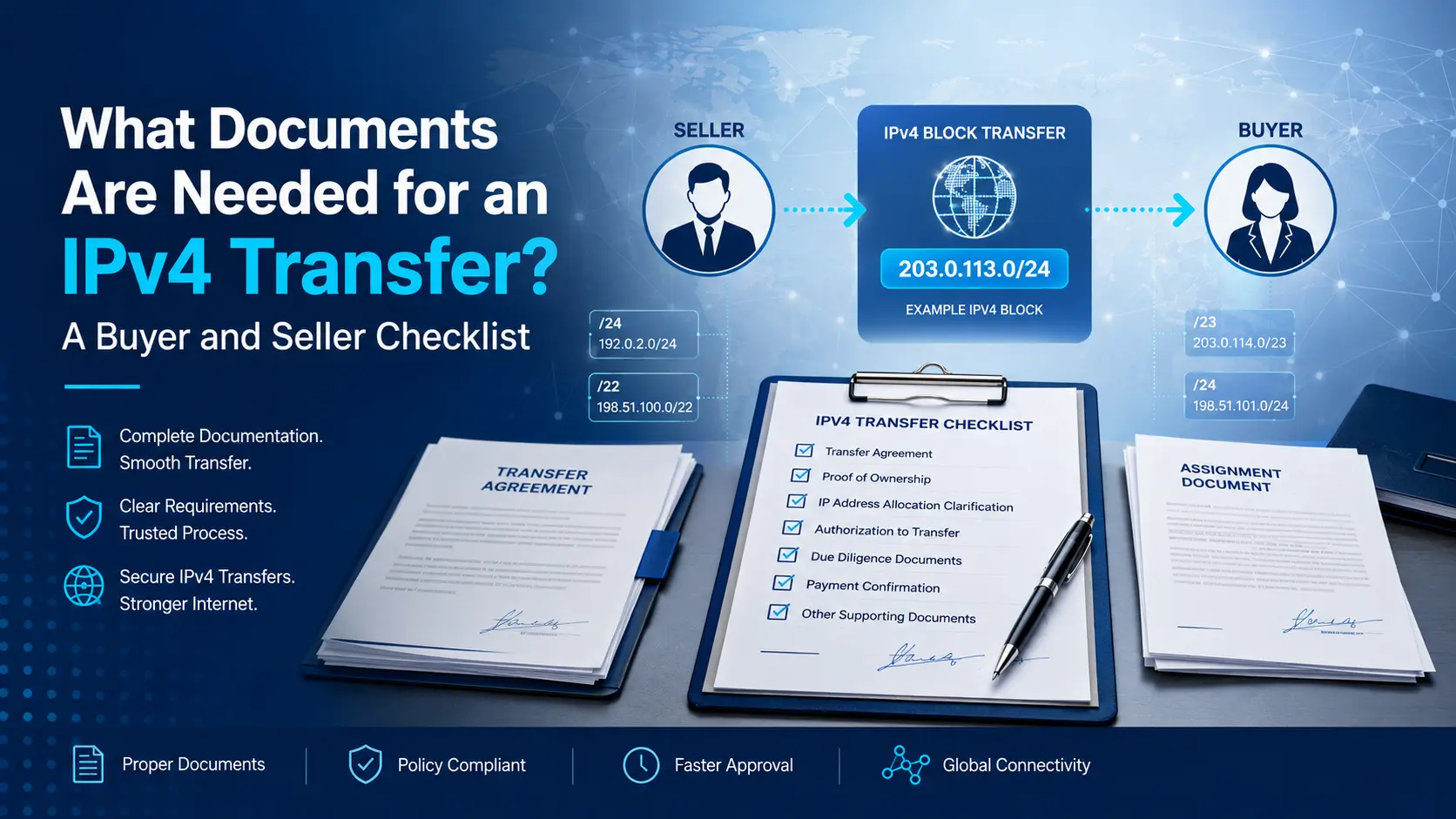
Transferring IPv4 address space from one organization to another involves more than agreeing on a prefix and a price. A Read more
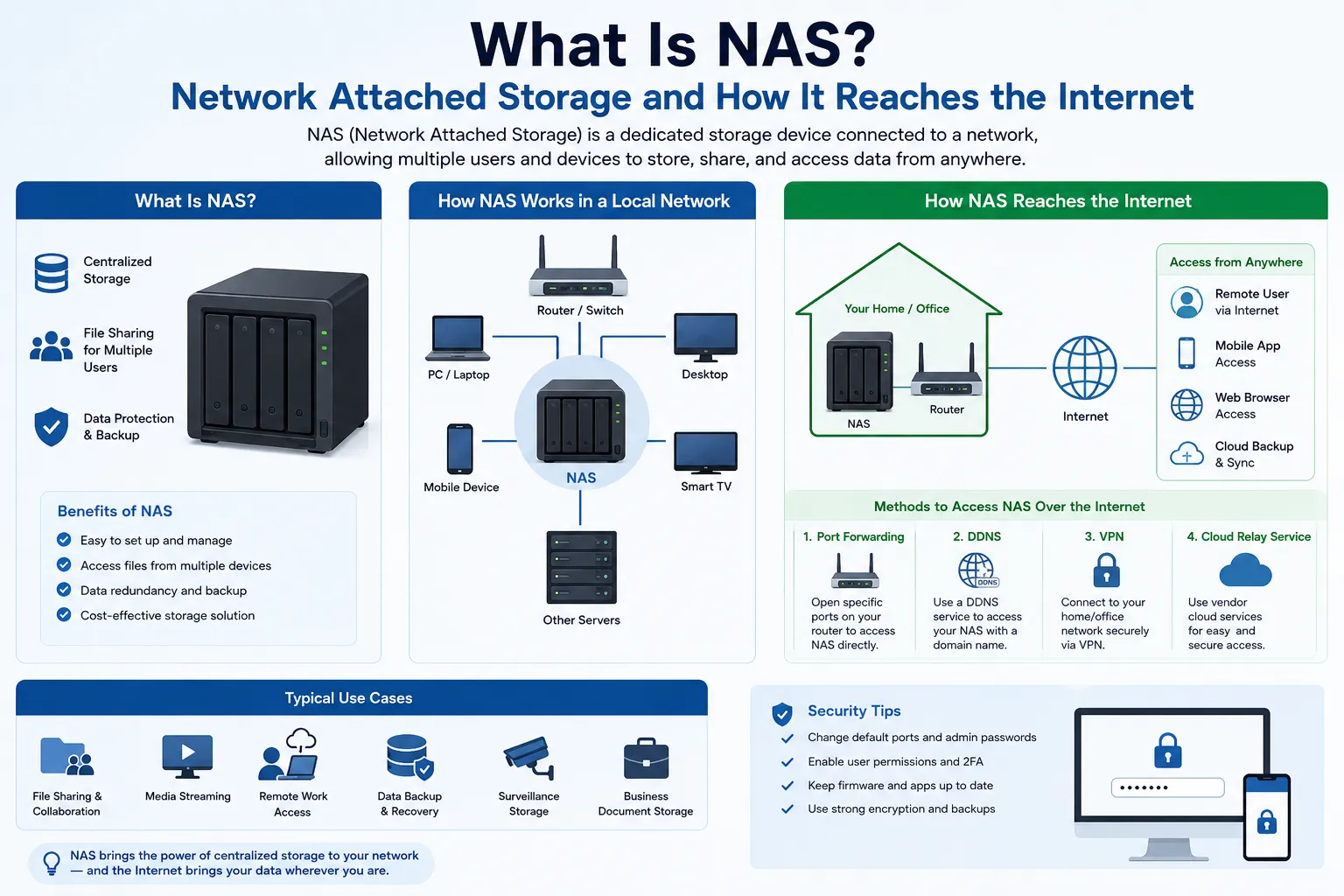
NAS stands for Network Attached Storage. It is a dedicated storage device that connects to a network and serves files Read more
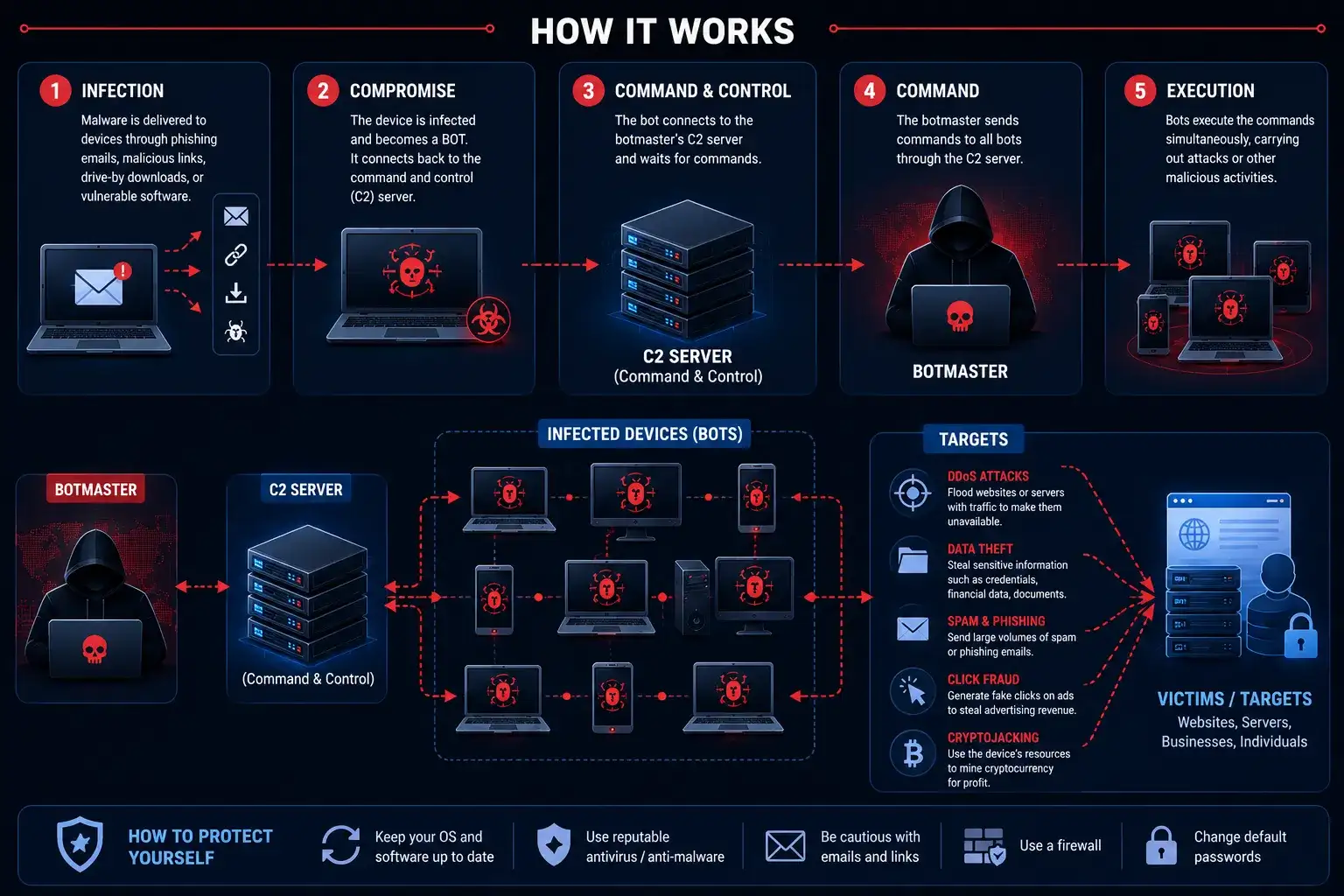
A botnet is a network of compromised computers or devices running malicious software that lets a single operator control them Read more

IP address allocation is giving unique numbers to devices on a network. IANA gives large blocks of IP addresses to regional groups. These groups give them to smaller providers or companies. The goal is to make sure IP addresses are used fairly. This system has been in place for many years. It helps prevent waste and keeps the internet organized.Once the request is approved, the company receives a blockRead more
Transferring IPv4 address space from one organization to another involves more than agreeing on a prefix and a price. A Read more
NAS stands for Network Attached Storage. It is a dedicated storage device that connects to a network and serves files Read more
A botnet is a network of compromised computers or devices running malicious software that lets a single operator control them Read more
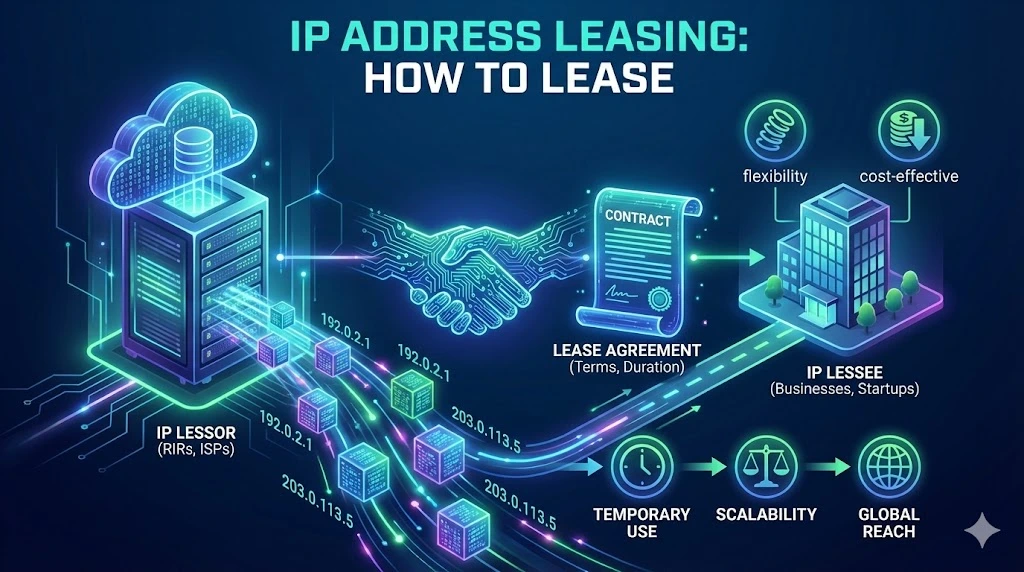
Leasing IPv4 addresses typically involves more than selecting a subnet and signing an agreement. A production-ready IPv4 lease may require reputation checks, routing authorization, an appropriate origin ASN, RPKI and ROA coordination, Internet Routing Registry records, reverse DNS configuration, geolocation updates, and a clear renewal process. For businesses running hosting, cloud infrastructure, VPN services, ISP networks, SaaS platforms, email systems, security services, or other Internet-facing infrastructure, these operationalRead more
Transferring IPv4 address space from one organization to another involves more than agreeing on a prefix and a price. A Read more
NAS stands for Network Attached Storage. It is a dedicated storage device that connects to a network and serves files Read more
A botnet is a network of compromised computers or devices running malicious software that lets a single operator control them Read more
Introduction to IP delegation The correct way to give out and manage Internet Protocol (IP) addresses is important for keeping a network running well. IP authorisation is a main part of this system. It means passing down blocks of IP addresses from global groups to smaller groups like local or regional ones. This helps use IP addresses in a better and more organised way. As more companies dependRead more
Transferring IPv4 address space from one organization to another involves more than agreeing on a prefix and a price. A Read more
NAS stands for Network Attached Storage. It is a dedicated storage device that connects to a network and serves files Read more
A botnet is a network of compromised computers or devices running malicious software that lets a single operator control them Read more
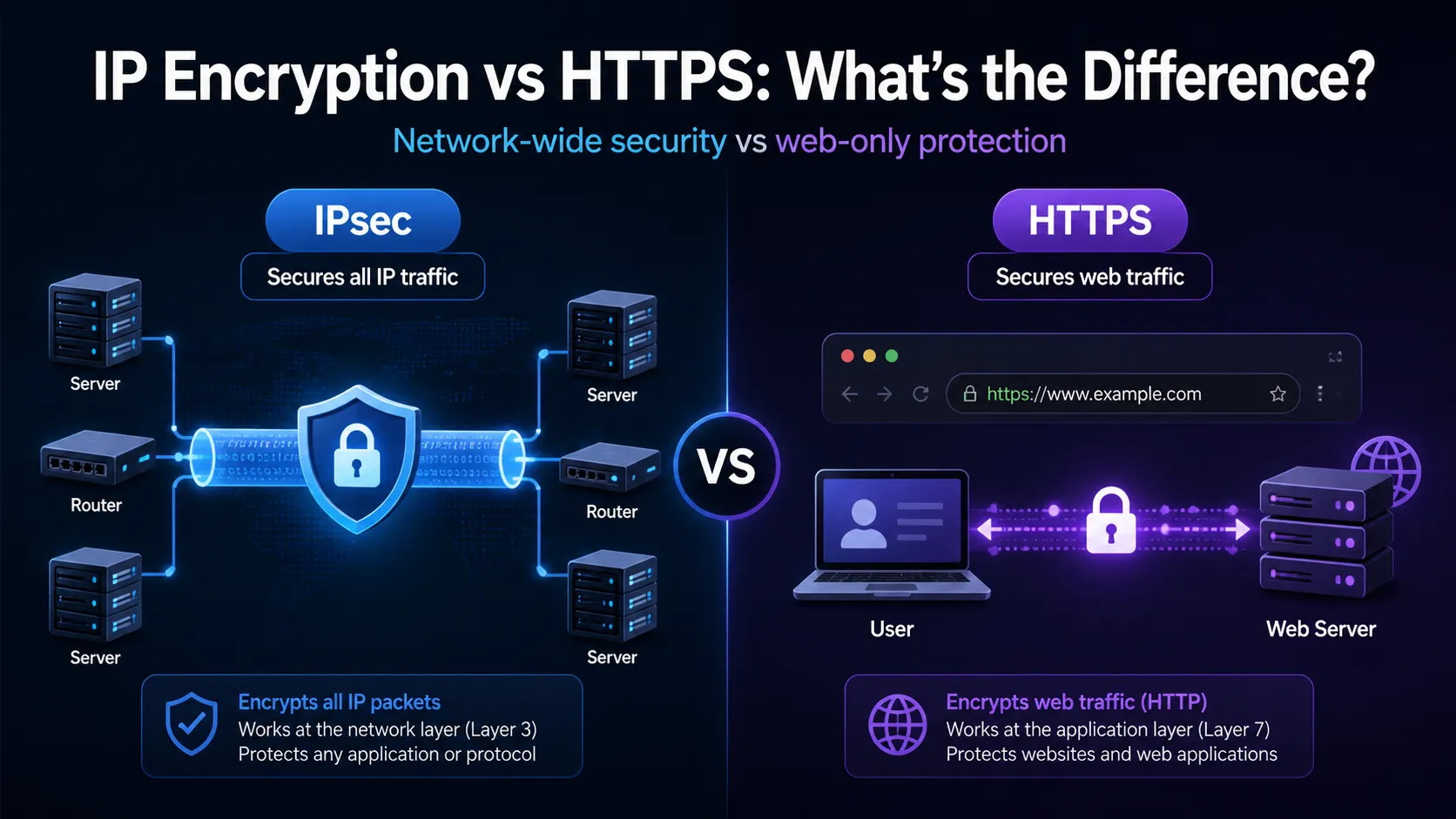
Explore the distinctions between IP‑layer encryption (IPsec) and HTTPS, their use cases, performance trade‑offs and overlapping functionalities. HTTPS works only at the application layer. It protects traffic that uses HTTP. It is good for online tasks like banking, shopping, webmail, and APIs. But it does not protect other types of traffic. This includes things like DNS lookups, file transfers over FTP, or voice calls that use SIP. IPsecRead more
Transferring IPv4 address space from one organization to another involves more than agreeing on a prefix and a price. A Read more
NAS stands for Network Attached Storage. It is a dedicated storage device that connects to a network and serves files Read more
A botnet is a network of compromised computers or devices running malicious software that lets a single operator control them Read more