What does leasing IP addresses mean for global businesses? Instead of buying IPv4 or IPv6 blocks altogether, leasing entails renting them from a supplier. This provides quick access to address space across several areas, which is essential for multinational corporations given the shortage of IPv4. Through leasing, expansions and short-term requirements can be easily met by transferring the cost from a significant capital investment to a manageable operational outlay.Read more
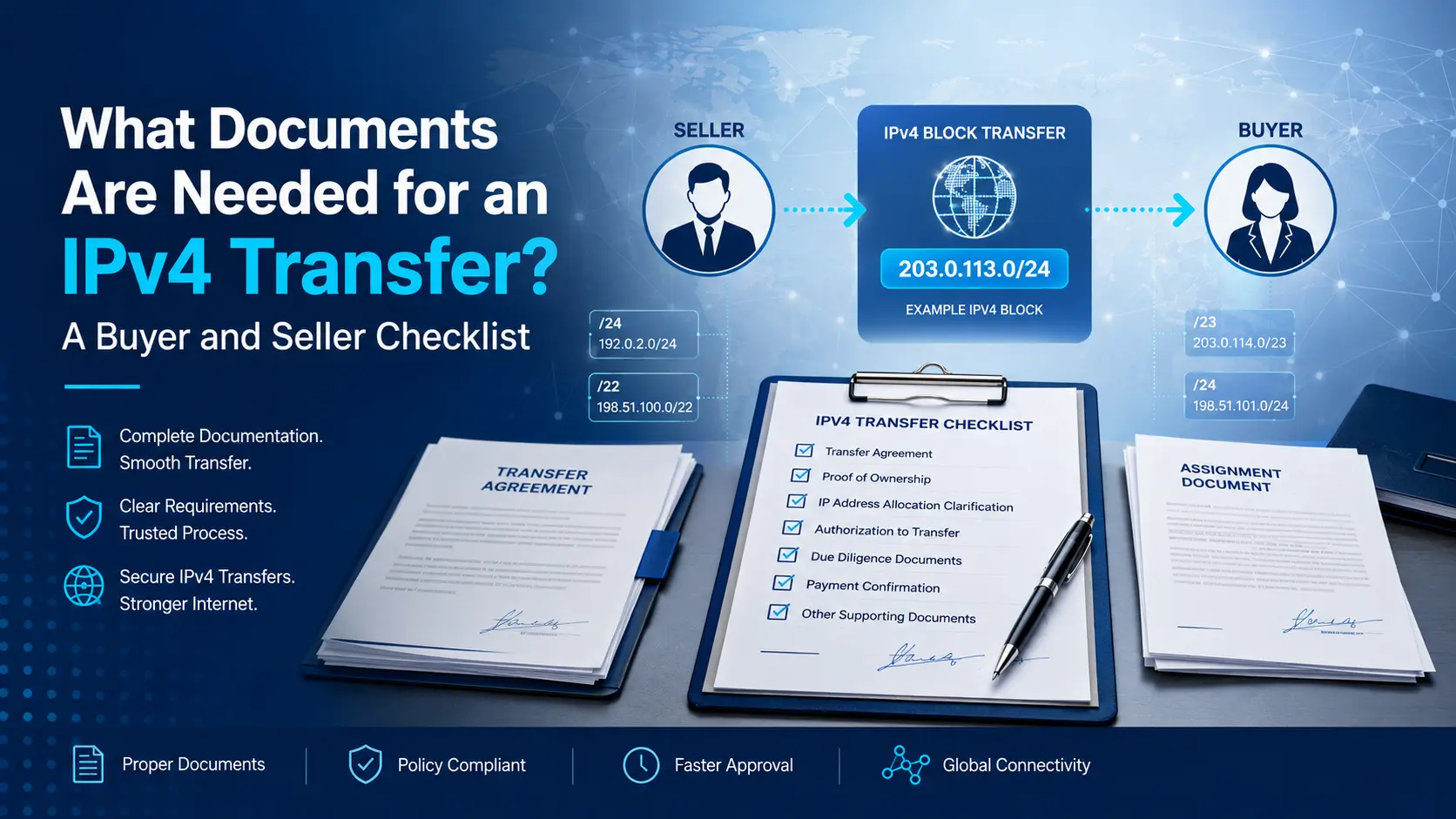
Transferring IPv4 address space from one organization to another involves more than agreeing on a prefix and a price. A Read more
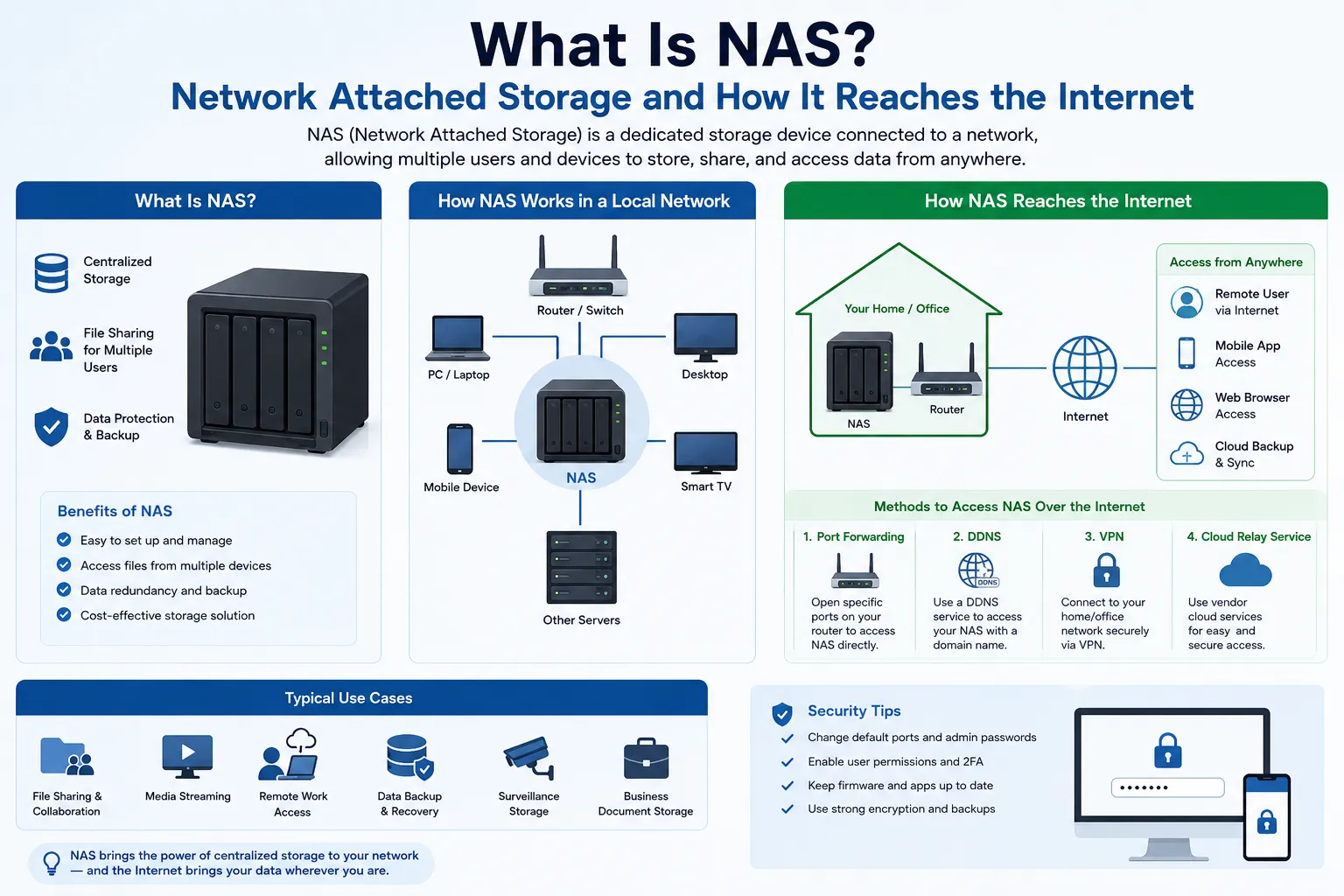
NAS stands for Network Attached Storage. It is a dedicated storage device that connects to a network and serves files Read more
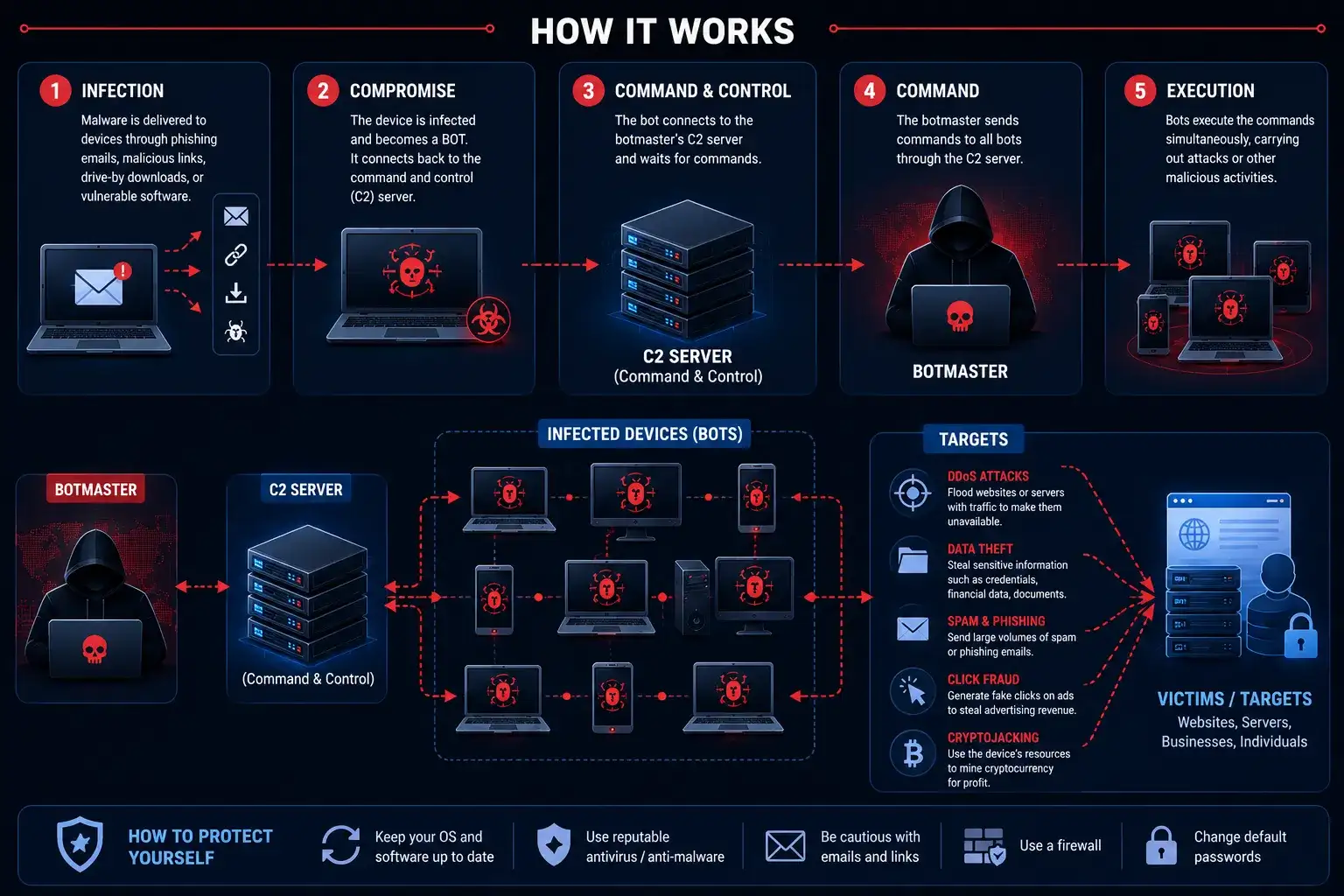
A botnet is a network of compromised computers or devices running malicious software that lets a single operator control them Read more
As organizations around the world accelerate their digital transformation processes, the adoption of cloud technology has no longer merely been a technological trend but has become a strategically significant initiative. Enterprises are migrating critical workloads to cloud environments at an unprecedented speed to enhance flexibility, scalability, and cost-effectiveness. However, this transformation is not without challenges. One of the most pressing issues in cloud migration is the need to maintainRead more
Transferring IPv4 address space from one organization to another involves more than agreeing on a prefix and a price. A Read more
NAS stands for Network Attached Storage. It is a dedicated storage device that connects to a network and serves files Read more
A botnet is a network of compromised computers or devices running malicious software that lets a single operator control them Read more
In today’s digital landscape, businesses face critical decisions regarding their IP address management, especially when migrating to cloud services. Two prevalent options are Bring Your Own IP (BYOIP) and IP leasing. Each approach has its advantages and considerations, depending on your organization’s specific needs and resources. Understanding BYOIP and IP Leasing Also read: How BYOIP Helps Prevent IP Spoofing and Fraud What is BYOIP? BYOIP allows businesses to migrateRead more
Transferring IPv4 address space from one organization to another involves more than agreeing on a prefix and a price. A Read more
NAS stands for Network Attached Storage. It is a dedicated storage device that connects to a network and serves files Read more
A botnet is a network of compromised computers or devices running malicious software that lets a single operator control them Read more

As the internet becomes more integral to everyday business operations, cybersecurity threats evolve in both complexity and impact. One of the most persistent and damaging threats facing organizations today is the Distributed Denial of Service (DDoS) attack. These attacks flood a targeted system with an overwhelming amount of traffic, rendering services unusable for legitimate users. To effectively mitigate DDoS threats, it’s essential to understand the various types ofRead more
Transferring IPv4 address space from one organization to another involves more than agreeing on a prefix and a price. A Read more
NAS stands for Network Attached Storage. It is a dedicated storage device that connects to a network and serves files Read more
A botnet is a network of compromised computers or devices running malicious software that lets a single operator control them Read more
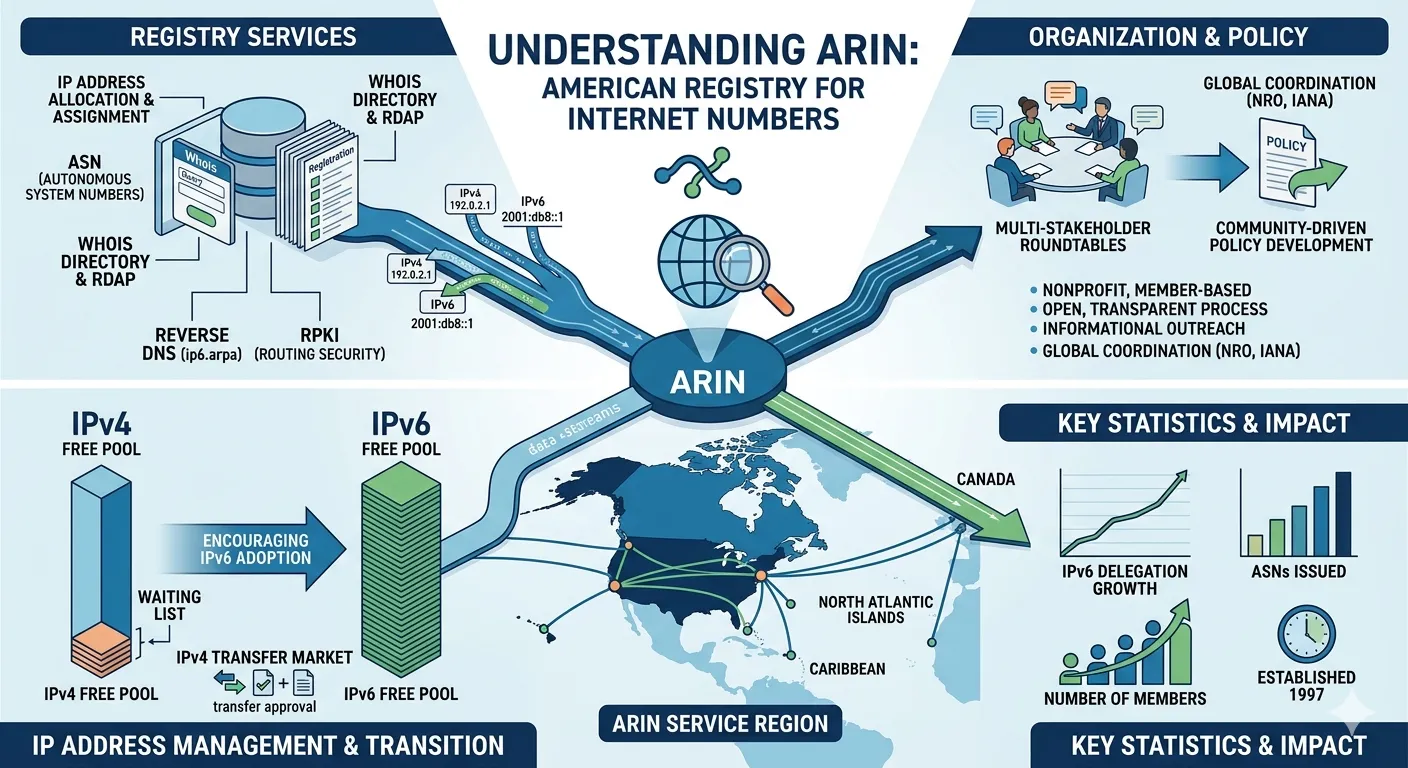
The American Registry for Internet Numbers (ARIN) is a nonprofit organization that plays a vital role in managing and distributing Internet number resources. These resources include Internet Protocol (IP) addresses and Autonomous System Numbers (ASNs), which are essential for ensuring that data travels reliably across the global Internet. ARIN is one of five Regional Internet Registries (RIRs) worldwide. Its jurisdiction covers Canada, the United States, and many partsRead more
Transferring IPv4 address space from one organization to another involves more than agreeing on a prefix and a price. A Read more
NAS stands for Network Attached Storage. It is a dedicated storage device that connects to a network and serves files Read more
A botnet is a network of compromised computers or devices running malicious software that lets a single operator control them Read more