In today’s digital landscape, businesses and organizations rely heavily on seamless connectivity and secure access to online resources. However, IP blocking has become a common challenge, often disrupting operations, limiting access to critical platforms, and even affecting business continuity. One innovative solution to this problem is Bring Your Own IP (BYOIP), a strategy that allows organizations to retain control over their IP addresses and mitigate the risks associated withRead more

Transferring IPv4 address space from one organization to another involves more than agreeing on a prefix and a price. A Read more
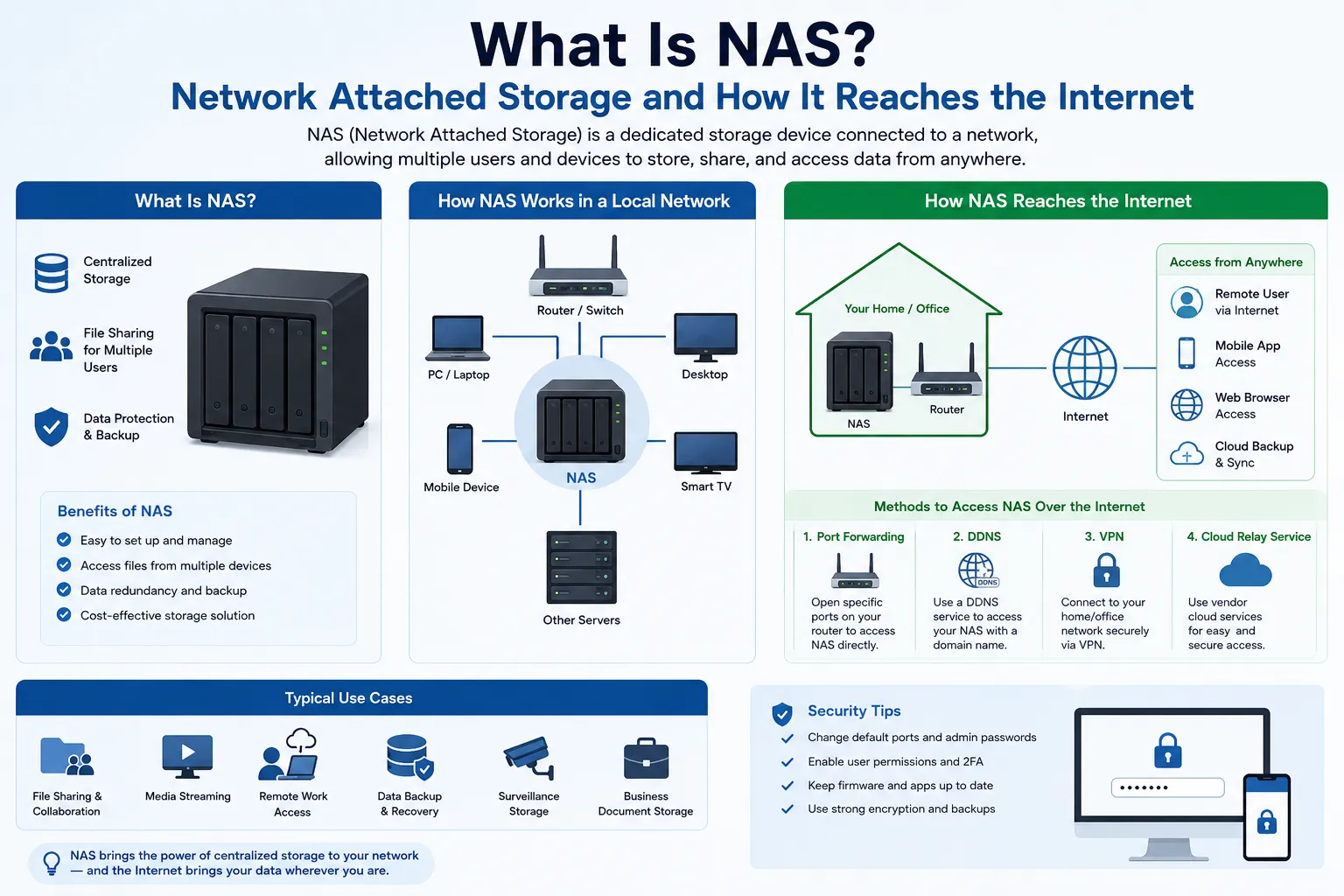
NAS stands for Network Attached Storage. It is a dedicated storage device that connects to a network and serves files Read more
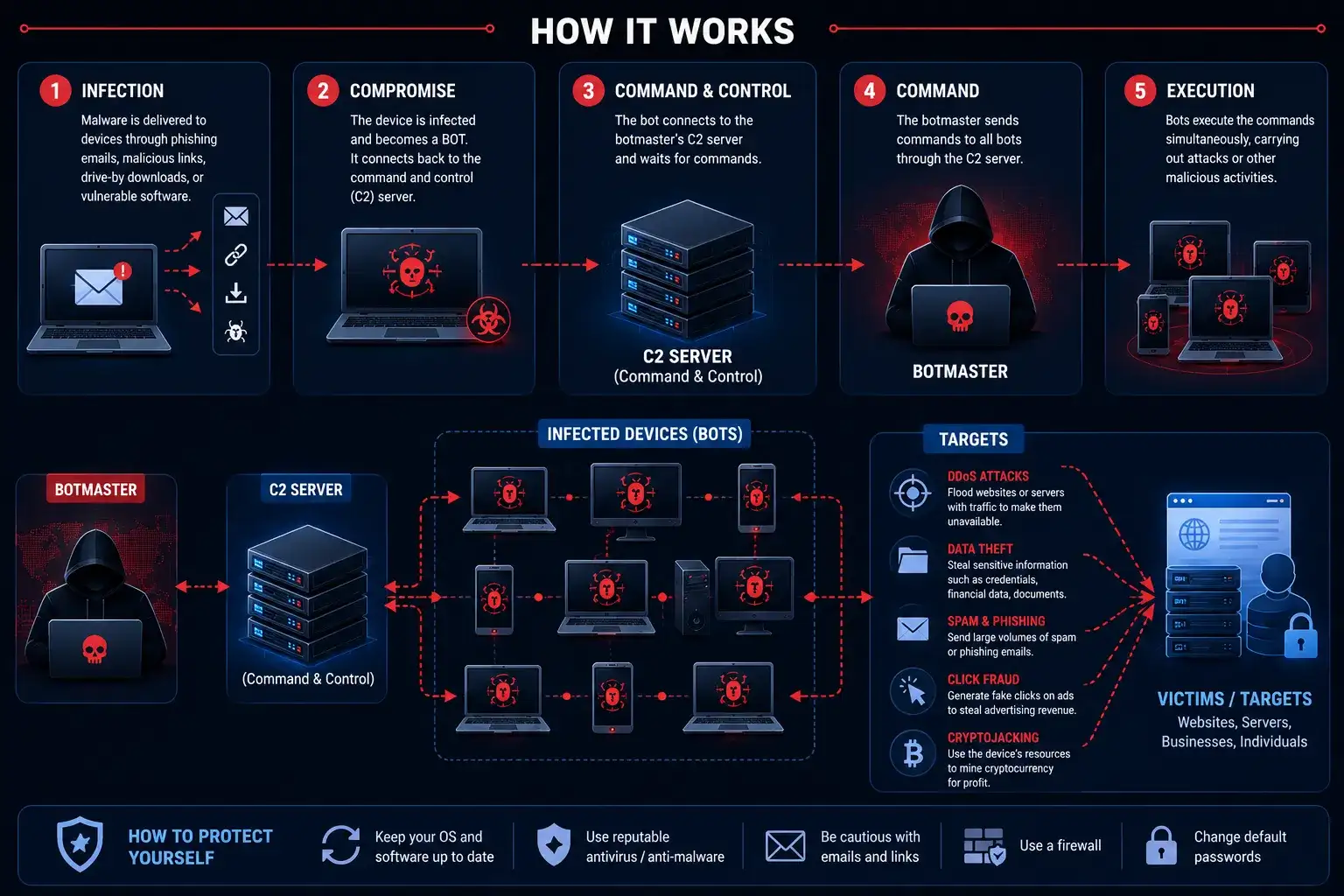
A botnet is a network of compromised computers or devices running malicious software that lets a single operator control them Read more
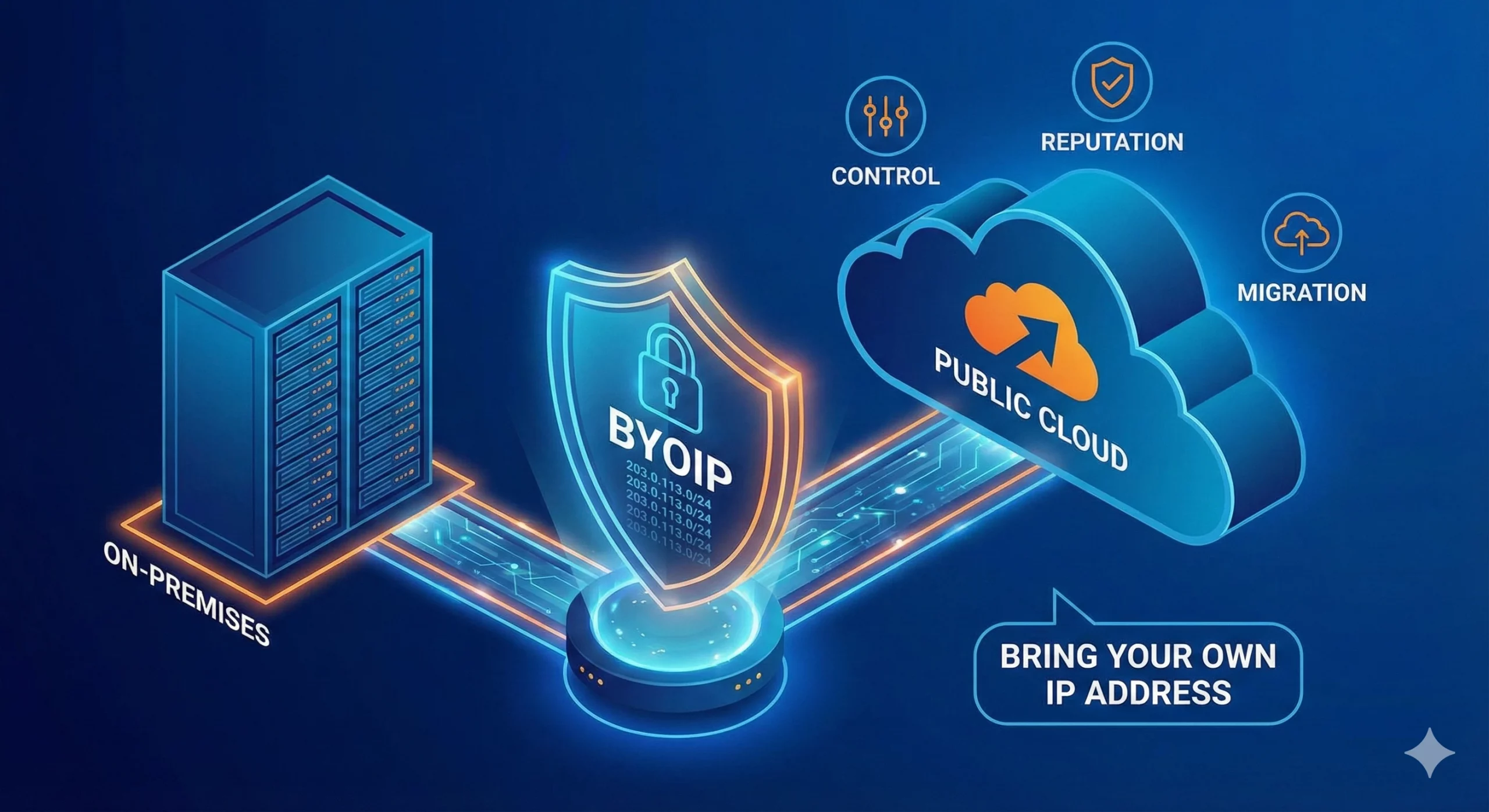
Bring Your Own IP, commonly known as BYOIP, allows a business to use its existing public IP address range with a cloud provider, data centre, content delivery network, or other infrastructure platform. Instead of accepting a new public IP range assigned by the provider, the business brings an IPv4 or IPv6 prefix that it already controls. The provider then verifies the organization’s authority to use the range and, whereRead more
Transferring IPv4 address space from one organization to another involves more than agreeing on a prefix and a price. A Read more
NAS stands for Network Attached Storage. It is a dedicated storage device that connects to a network and serves files Read more
A botnet is a network of compromised computers or devices running malicious software that lets a single operator control them Read more
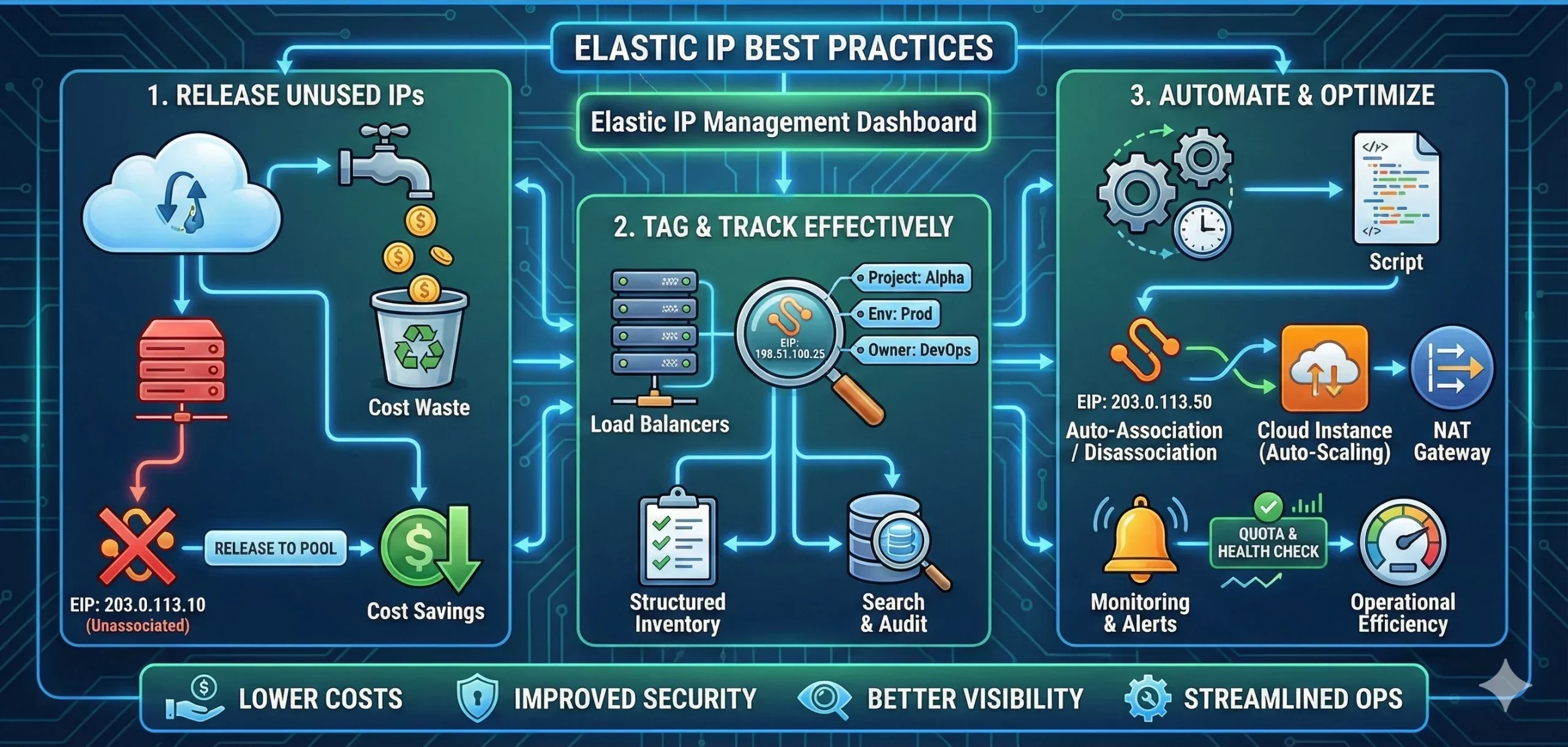
Elastic IP addresses (EIPs) are a crucial component of cloud networking, especially in Amazon Web Services (AWS). They provide a static, public IPv4 address that can be associated with an instance, ensuring reliability even if the instance is stopped and restarted. However, improper management of Elastic IPs can lead to security risks, unnecessary costs, and operational inefficiencies. This blog post outlines the best practices for effectively managing Elastic IPRead more
Transferring IPv4 address space from one organization to another involves more than agreeing on a prefix and a price. A Read more
NAS stands for Network Attached Storage. It is a dedicated storage device that connects to a network and serves files Read more
A botnet is a network of compromised computers or devices running malicious software that lets a single operator control them Read more
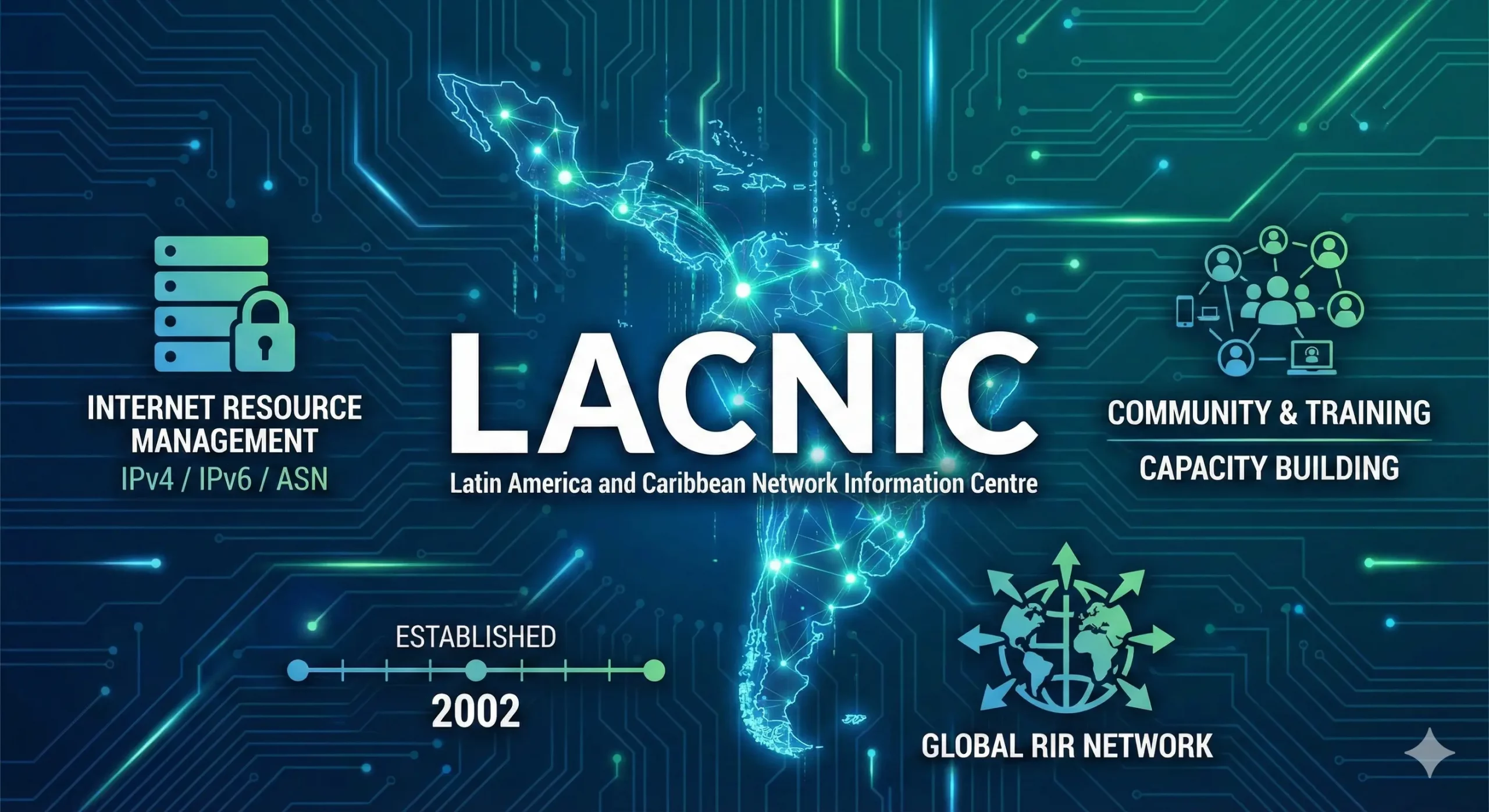
LACNIC: Strengthening Internet Infrastructure in Latin America and the Caribbean The Latin America and Caribbean Network Information Center (LACNIC) plays a vital role in shaping the digital landscape of Latin America and the Caribbean. As the region’s designated Regional Internet Registry (RIR), LACNIC is responsible for managing and distributing Internet number resources, including IPv4, IPv6 addresses, and Autonomous System Numbers (ASNs). Operating as a non-profit community-led organization, LACNIC ensuresRead more
Transferring IPv4 address space from one organization to another involves more than agreeing on a prefix and a price. A Read more
NAS stands for Network Attached Storage. It is a dedicated storage device that connects to a network and serves files Read more
A botnet is a network of compromised computers or devices running malicious software that lets a single operator control them Read more
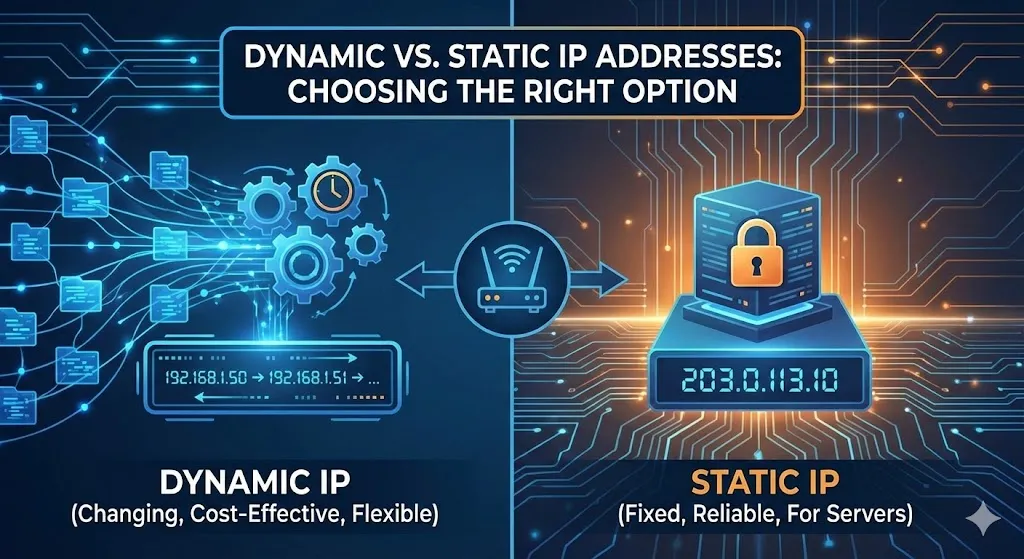
Every device connected to the internet needs an IP address to send and receive data. But not all IP addresses behave the same way. Some change automatically over time, while others remain fixed and consistent. This is the key difference between a dynamic IP address and a static IP address. For ordinary home users, a dynamic IP address is often enough. But for businesses that depend on hosting, VPNRead more
Transferring IPv4 address space from one organization to another involves more than agreeing on a prefix and a price. A Read more
NAS stands for Network Attached Storage. It is a dedicated storage device that connects to a network and serves files Read more
A botnet is a network of compromised computers or devices running malicious software that lets a single operator control them Read more