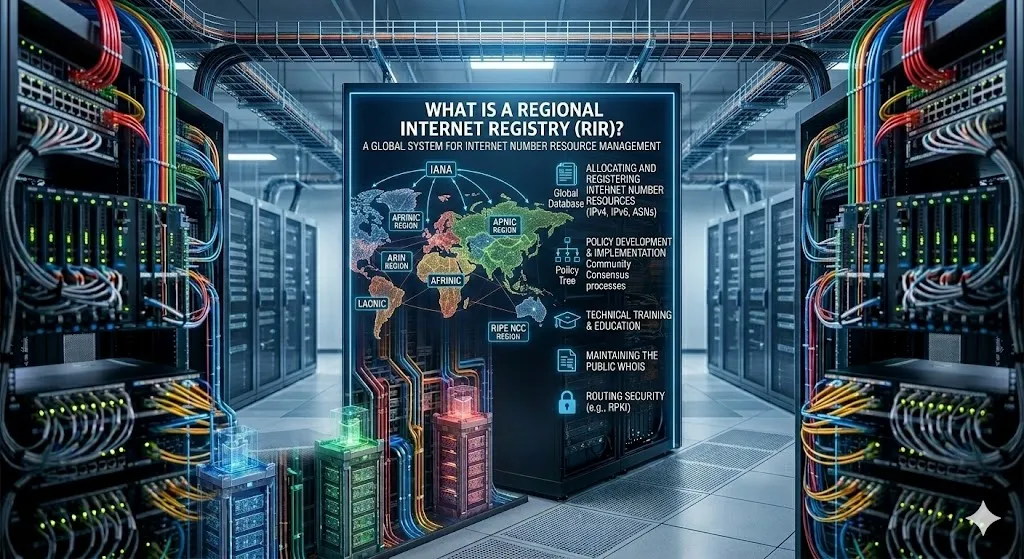
What Is a Regional Internet Registry (RIR)? The Five Global RIRs Explained Every device and network connected to the public internet needs unique numerical identifiers. Computers, servers, cloud platforms, internet service providers, and enterprise networks rely on IP addresses to exchange data, while network operators use Autonomous System Numbers to advertise routes between independently managed networks. These resources cannot be assigned randomly. If two organizations attempted to use theRead more

Transferring IPv4 address space from one organization to another involves more than agreeing on a prefix and a price. A Read more
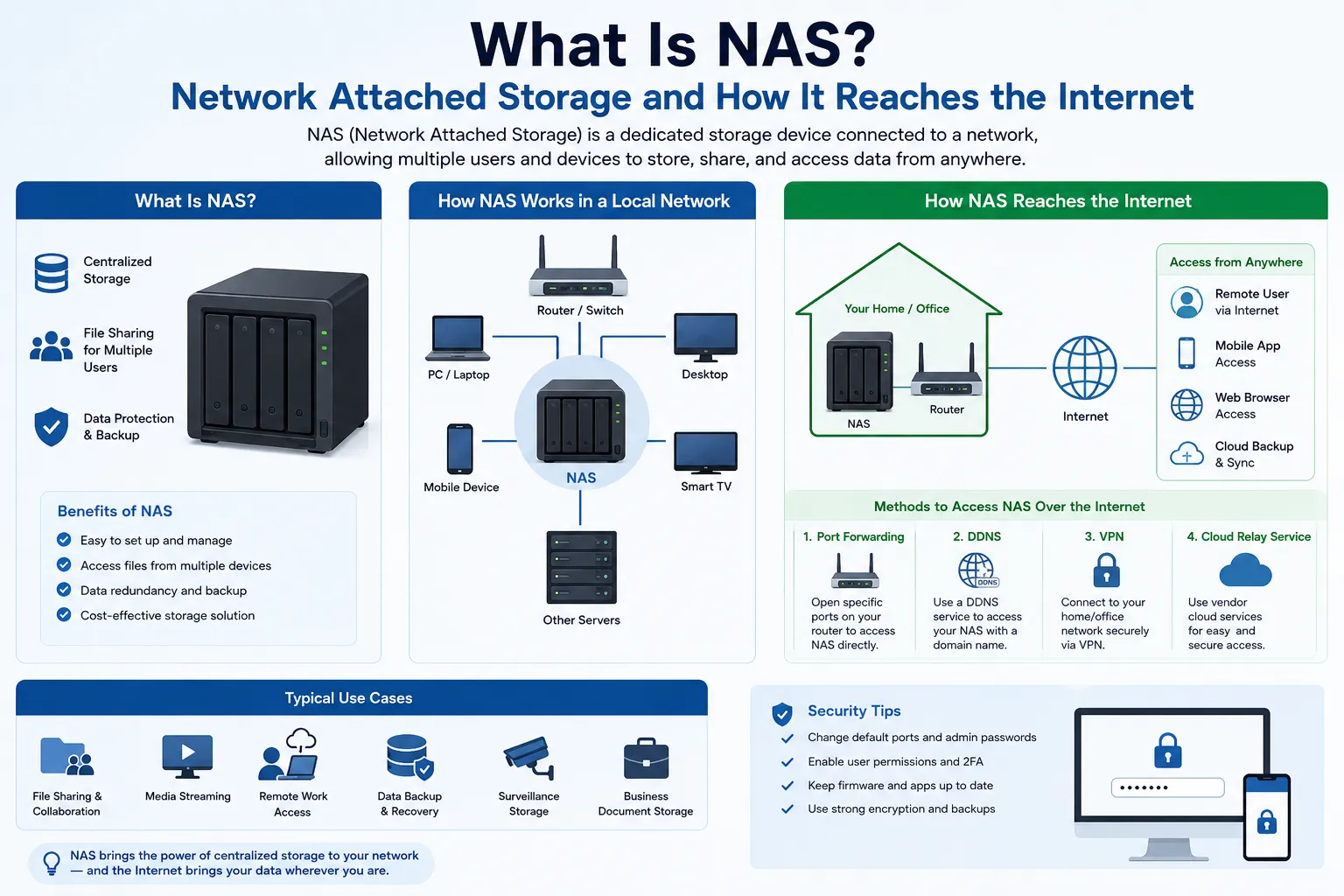
NAS stands for Network Attached Storage. It is a dedicated storage device that connects to a network and serves files Read more
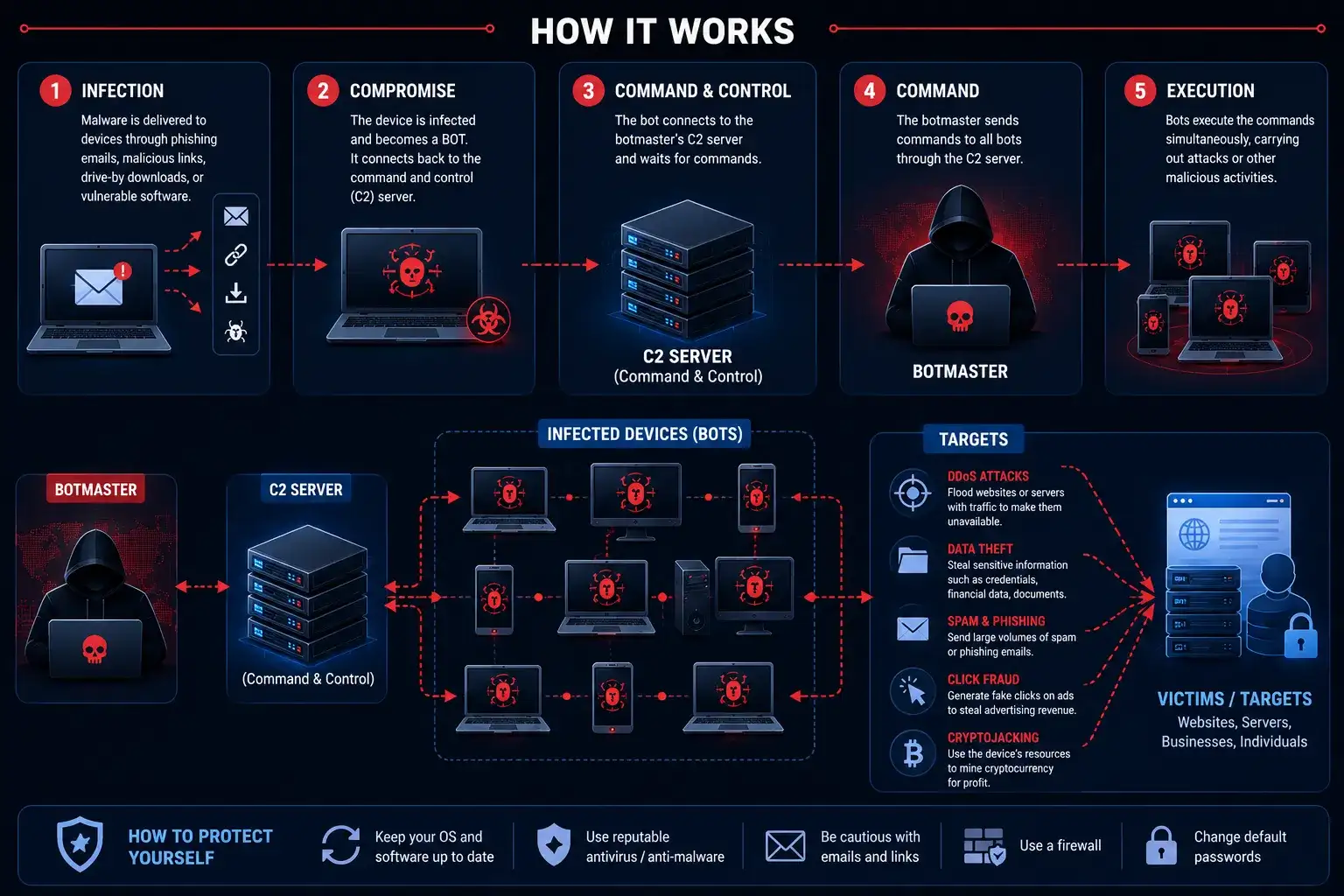
A botnet is a network of compromised computers or devices running malicious software that lets a single operator control them Read more
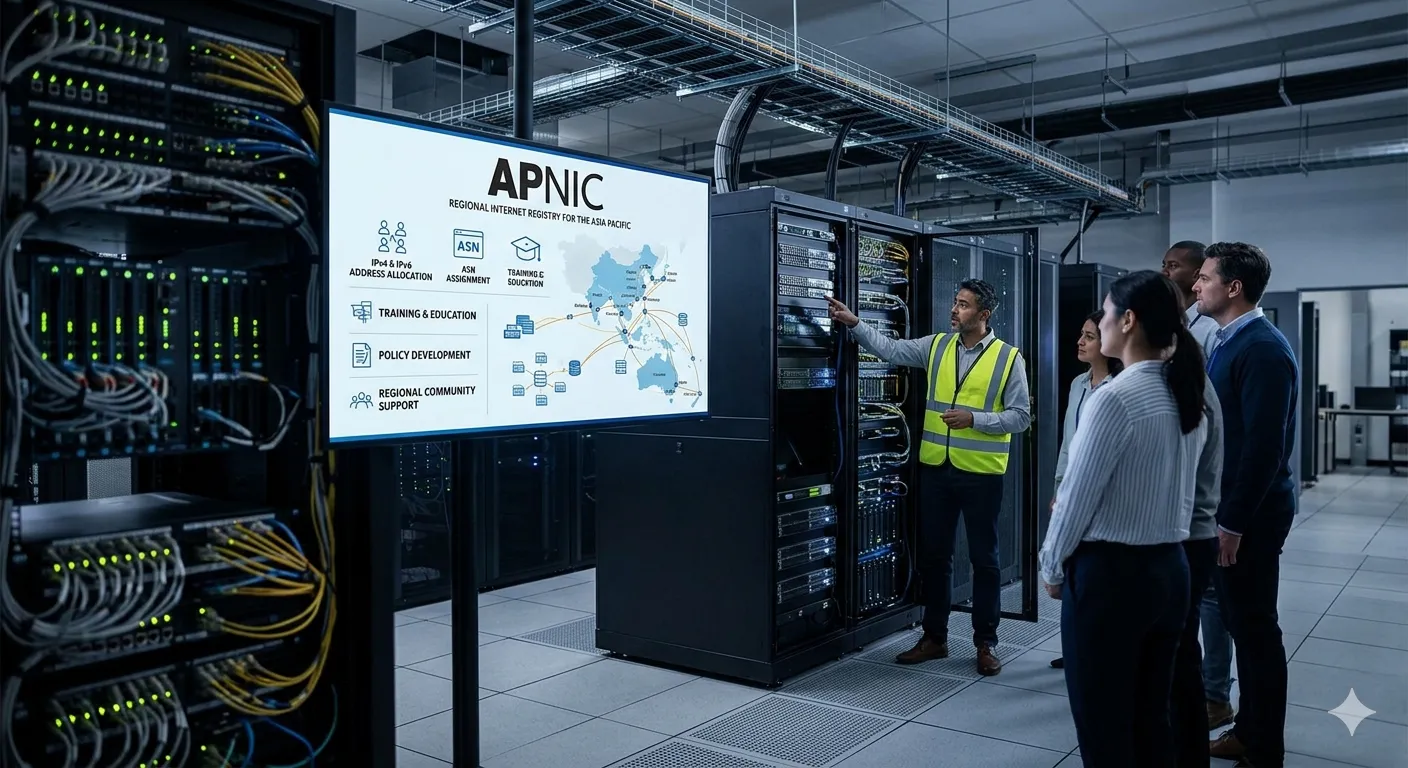
A Simple Introduction to the Asia Pacific Network Information Centre When you browse the Internet, you probably don’t think much about the technical systems working in the background. But the truth is, there’s a lot happening to make sure websites load, emails send, and videos stream without a hitch. One of the organizations helping keep the Internet running smoothly, at least in this part of the world, is APNIC.Read more
Transferring IPv4 address space from one organization to another involves more than agreeing on a prefix and a price. A Read more
NAS stands for Network Attached Storage. It is a dedicated storage device that connects to a network and serves files Read more
A botnet is a network of compromised computers or devices running malicious software that lets a single operator control them Read more
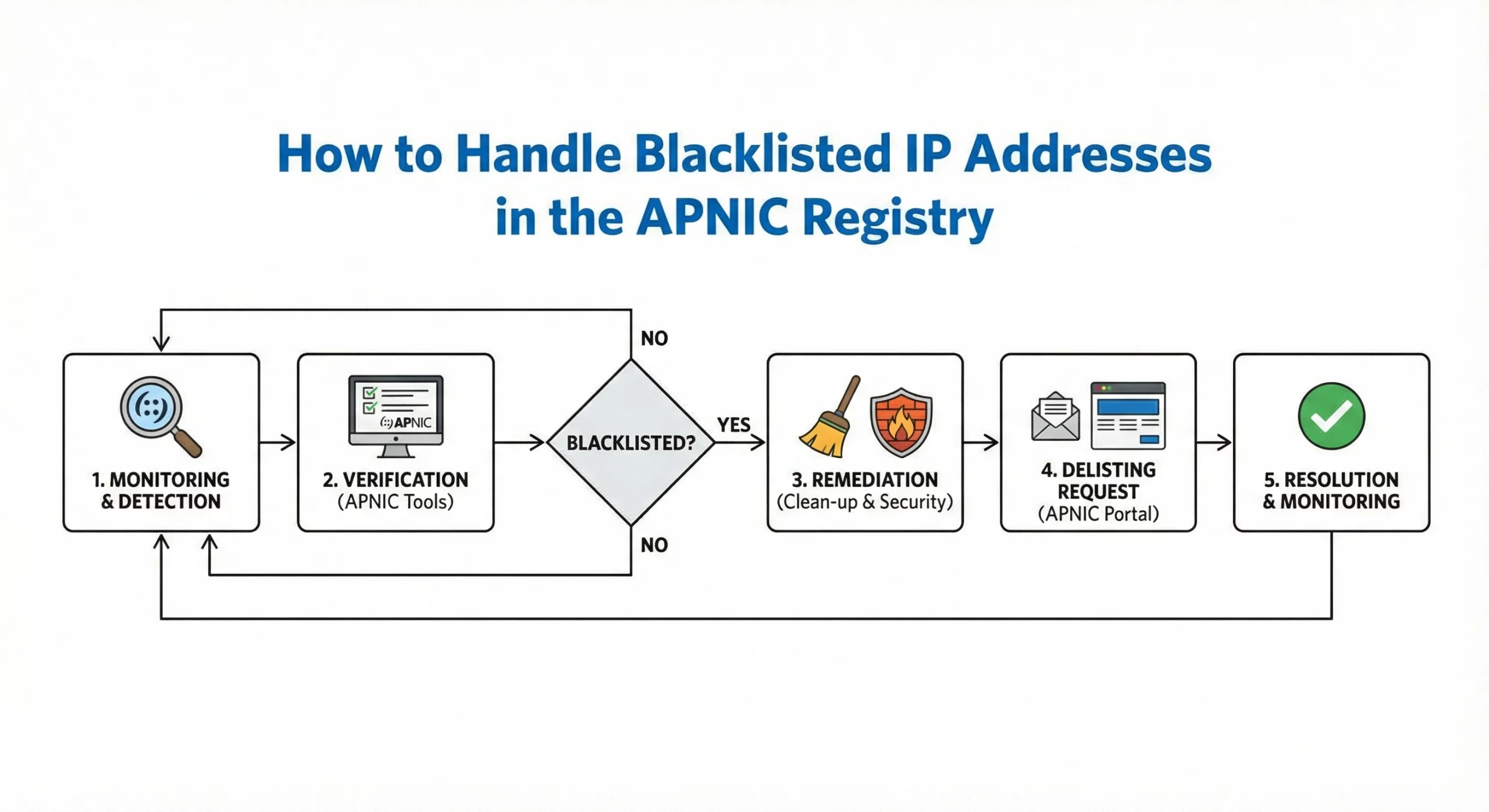
In today’s internet ecosystem, maintaining a clean and trusted IP address range is crucial for any organization that manages network infrastructure. If you’re working with IPv4 resources in the Asia-Pacific region, chances are you’re dealing with APNIC — the regional Internet registry responsible for IP allocations. But what happens when an IP address you’ve been assigned — or one you’ve acquired through transfer or lease — ends upRead more
Transferring IPv4 address space from one organization to another involves more than agreeing on a prefix and a price. A Read more
NAS stands for Network Attached Storage. It is a dedicated storage device that connects to a network and serves files Read more
A botnet is a network of compromised computers or devices running malicious software that lets a single operator control them Read more
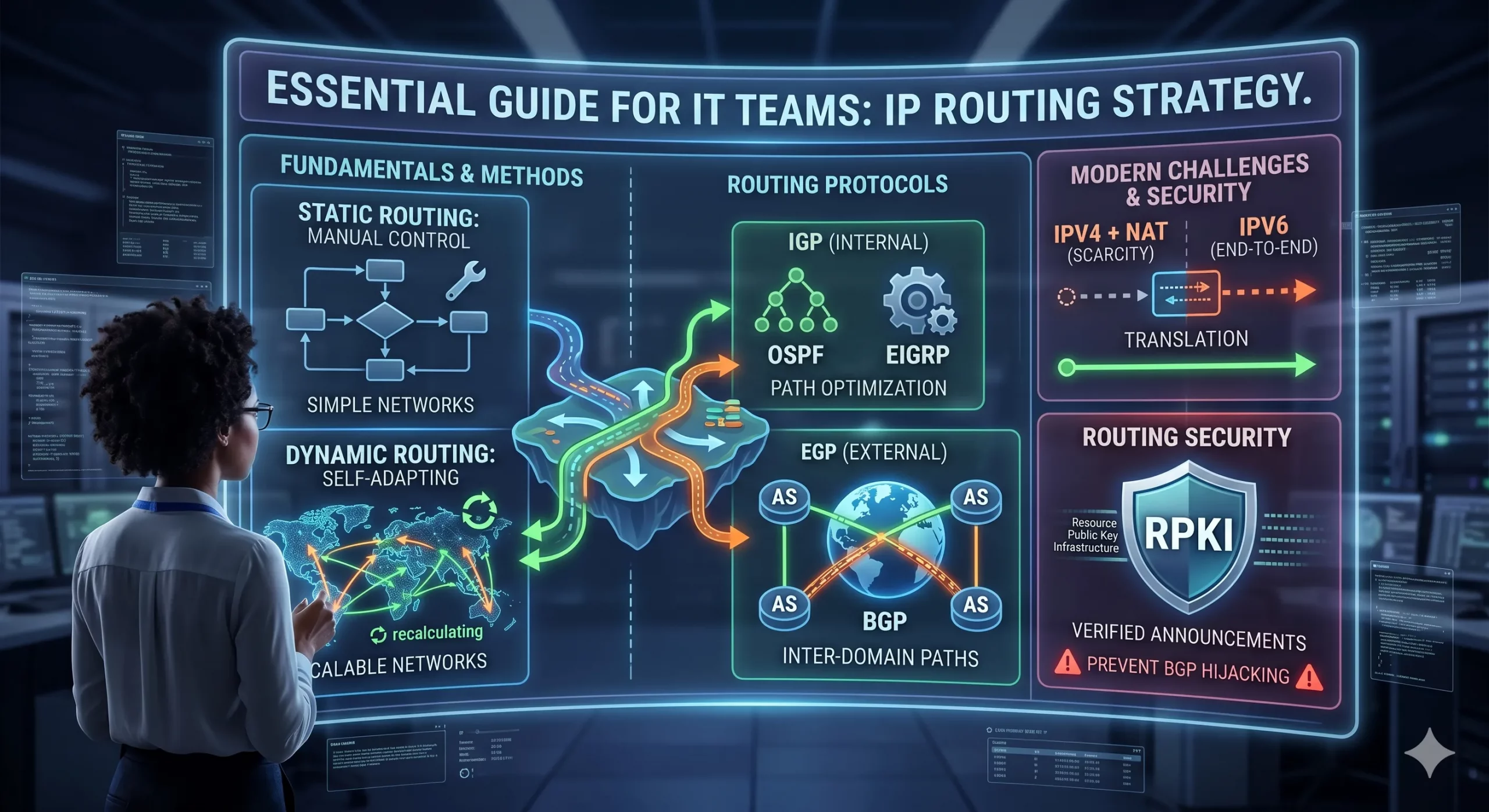
In today’s cloud-first business environment, understanding how data moves across networks isn’t just a niche IT skill—it’s a necessity. For IT teams managing platforms like i.Lease, which support critical lease data and user access from multiple regions, IP routing becomes a key factor in performance, uptime, and security. So, what exactly should IT professionals keep in mind when it comes to IP routing in enterprise applications? Understanding theRead more
Transferring IPv4 address space from one organization to another involves more than agreeing on a prefix and a price. A Read more
NAS stands for Network Attached Storage. It is a dedicated storage device that connects to a network and serves files Read more
A botnet is a network of compromised computers or devices running malicious software that lets a single operator control them Read more
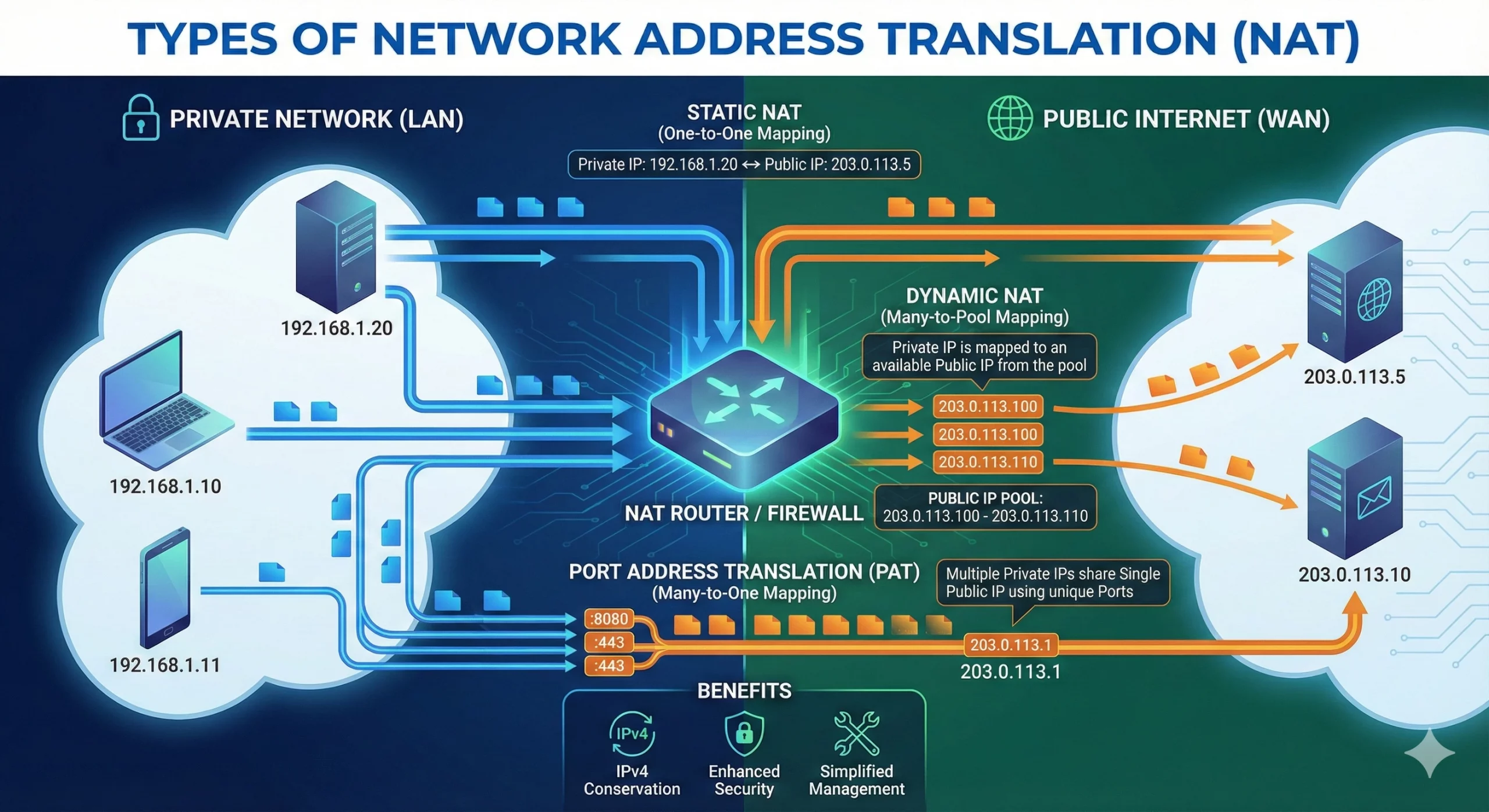
Network Address Translation (NAT) is a technique used in networking to modify the source or destination IP addresses of packets as they traverse a routing device, such as a router or firewall. This process enables multiple devices within a private network to access external networks, like the internet, using a single public IP address, thereby conserving IP address space and enhancing security. Types of Network Address Translation: 1. StaticRead more
Transferring IPv4 address space from one organization to another involves more than agreeing on a prefix and a price. A Read more
NAS stands for Network Attached Storage. It is a dedicated storage device that connects to a network and serves files Read more
A botnet is a network of compromised computers or devices running malicious software that lets a single operator control them Read more