How to Handle Blacklisted IP Addresses in the APNIC Registry
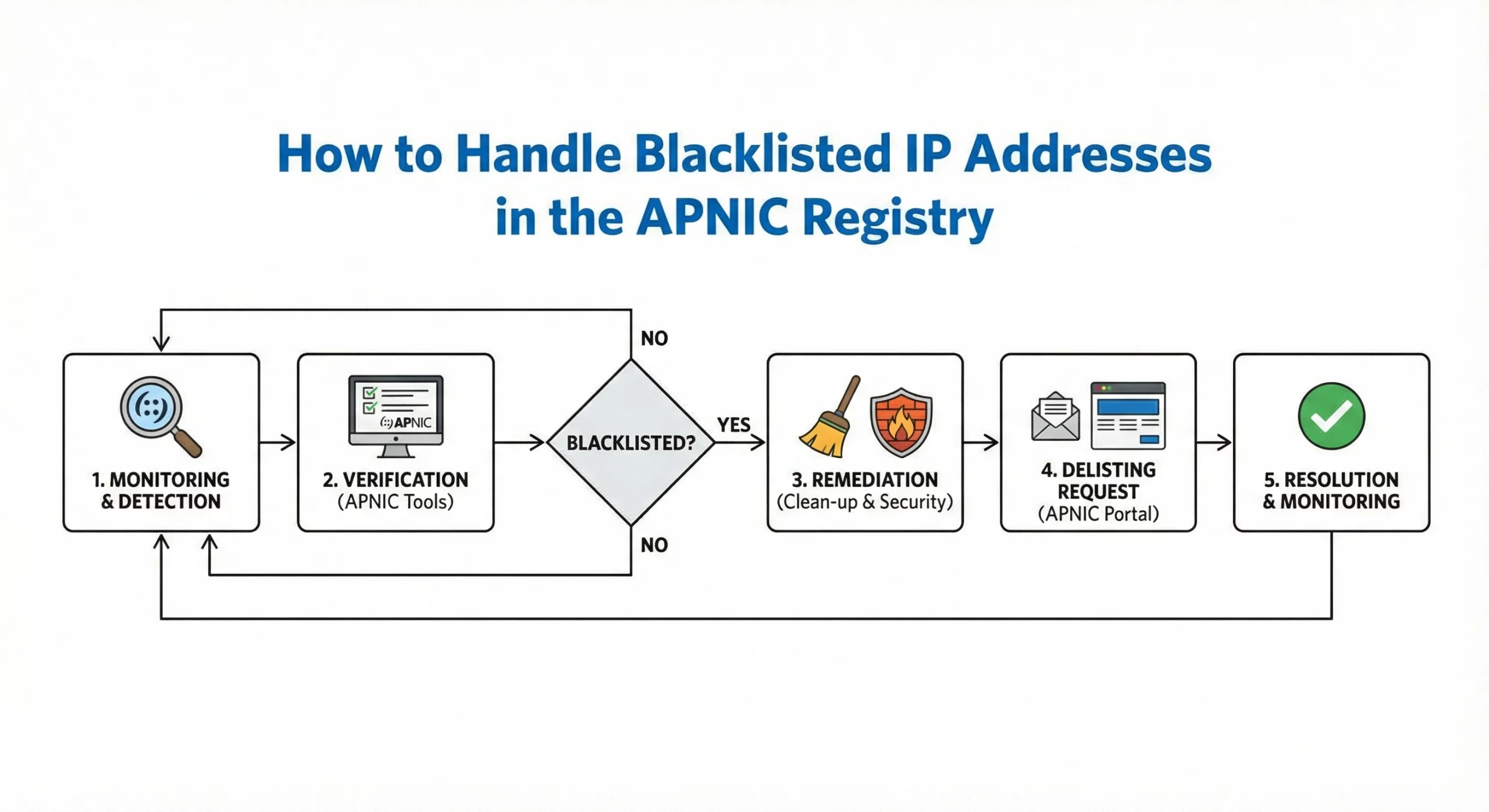
Table of Contents
ToggleIn today’s internet ecosystem, maintaining a clean and trusted IP address range is crucial for any organization that manages network infrastructure. If you’re working with IPv4 resources in the Asia-Pacific region, chances are you’re dealing with APNIC — the regional Internet registry responsible for IP allocations.
But what happens when an IP address you’ve been assigned — or one you’ve acquired through transfer or lease — ends up blacklisted?
Having an IP address appear on global spam or abuse blacklists can significantly disrupt your operations, affecting everything from email delivery to server accessibility. Here’s how to manage and remediate blacklisted IPs within the context of APNIC-managed networks.
1. Verify the Blacklist Status
Before jumping to conclusions, it’s essential to confirm that the IP address is actually blacklisted. This can be done using specialized online tools like:
- MXToolbox
- Spamhaus IP Checker
- AbuseIPDB
These tools scan a wide range of global blacklists to determine if your IP is flagged. Note that being listed on one blacklist may not always cause problems, but widespread blacklisting usually signals deeper issues.
2. Investigate the Cause
Once you’ve confirmed the blacklisting, the next step is understanding why it happened. Common triggers include:
- Compromised servers sending spam
- Misconfigured mail servers acting as open relays
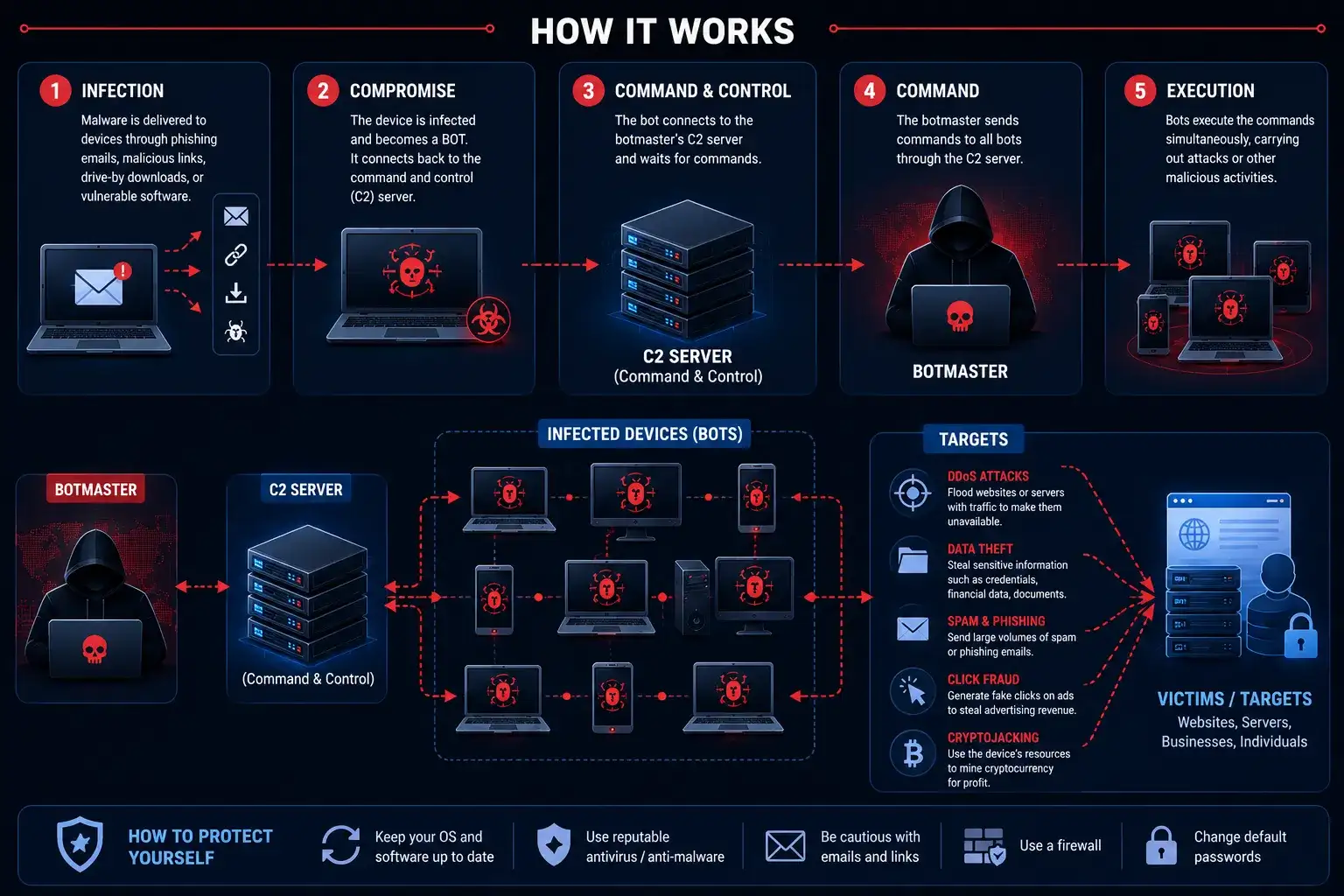
- Traffic associated with malware or phishing
- Previous misuse by another organization (in the case of leased or transferred IPs)
Use your server logs, intrusion detection systems, and firewall analytics to trace suspicious activity. This step is crucial before moving forward with any kind of delisting.
3. Resolve the Underlying Problem
Removing your IP from a blacklist is pointless if the issue that caused the listing persists. Depending on the root cause, you might need to:
- Clean up infected systems or software
- Implement rate limits on outgoing connections
- Harden mail server configurations (enable SPF, DKIM, and DMARC)
- Block suspicious outbound traffic through your firewall
For leased IPs, it’s also wise to request documentation from the provider regarding previous use and known issues.
4. Request Delisting
Once the problem is fixed, the next move is to reach out to the organizations managing the blacklists. Most maintain a process for delisting requests, usually accessible via their website. You may need to:
- Provide proof that the issue has been resolved
- Share logs or details about the cleanup
- Confirm your ownership or authorization to use the IP
The response time can vary from hours to several days, depending on the blacklist operator’s policies.
5. Prevent Future Listings
To avoid dealing with blacklist issues again, consider the following ongoing practices:
- Regularly scan your IP ranges for reputation problems
- Stay updated on best practices for server and email security
- Limit who can use or lease your IP addresses
- Monitor abuse notifications in MyAPNIC or other relevant dashboards
Consistent maintenance of your IP infrastructure — combined with a strong internal security posture — will go a long way in preserving your IP reputation.
Conclusion
Having an IP address blacklisted can be a major headache, especially when you’re relying on reliable connectivity and clean deliverability. But with the right tools and a proactive strategy, you can identify, resolve, and prevent blacklist issues — keeping your APNIC-assigned IPs in good standing across the internet.
Trusted IPv4 Leasing for Business Growth
Get enterprise-grade IPv4 space quickly, with seamless deployment and end-to-end management.
Related Blogs
Buying IPv4 addresses outside proper IP Allocation channels exposes organisations to fraud, legal disputes, operational failures and long-term governance risks.Key Read more
Facing IPv4 shortages, companies must weigh cost, speed, and network growth when choosing a lease plan.Short-term leasing lets you scale Read more
IPv4 地址曾经只是互联网运行所需的基础资源。但在今天,它越来越像一种具有市场价格、可交易、可租赁的数字资产。造成这一变化的原因并不复杂:IPv4 的总量有限,而全球互联网对 IPv4 的需求并没有消失;与此同时,IPv6 虽然早已出现,但迁移进度依然缓慢。这三股力量叠加,正在重新塑造运营商对 IP 地址的看法,也改变了互联网基础设施的经济逻辑。原文将这点概括为“有限供给、持续需求与缓慢转型”,并指出这正在推动 IP 地址成为影响全球电信经济的可交易资产。 IPv4 稀缺并不是新问题 全球互联网至今仍大量依赖 IPv4。这个协议诞生于更早的时代,只能提供大约 43 亿个地址。这个数量在互联网初期似乎足够庞大,但在今天已经明显不够。原文指出,IANA 在 2011 年就已将最后一批大型 IPv4 Read more
Buying IPv4 addresses outside proper IP Allocation channels exposes organisations to fraud, legal disputes, operational failures and long-term governance risks.Key Read more
Facing IPv4 shortages, companies must weigh cost, speed, and network growth when choosing a lease plan.Short-term leasing lets you scale Read more
IPv4 地址曾经只是互联网运行所需的基础资源。但在今天,它越来越像一种具有市场价格、可交易、可租赁的数字资产。造成这一变化的原因并不复杂:IPv4 的总量有限,而全球互联网对 IPv4 的需求并没有消失;与此同时,IPv6 虽然早已出现,但迁移进度依然缓慢。这三股力量叠加,正在重新塑造运营商对 IP 地址的看法,也改变了互联网基础设施的经济逻辑。原文将这点概括为“有限供给、持续需求与缓慢转型”,并指出这正在推动 IP 地址成为影响全球电信经济的可交易资产。 IPv4 稀缺并不是新问题 全球互联网至今仍大量依赖 IPv4。这个协议诞生于更早的时代,只能提供大约 43 亿个地址。这个数量在互联网初期似乎足够庞大,但在今天已经明显不够。原文指出,IANA 在 2011 年就已将最后一批大型 IPv4 Read more