What IT Teams Should Know About IP Routing
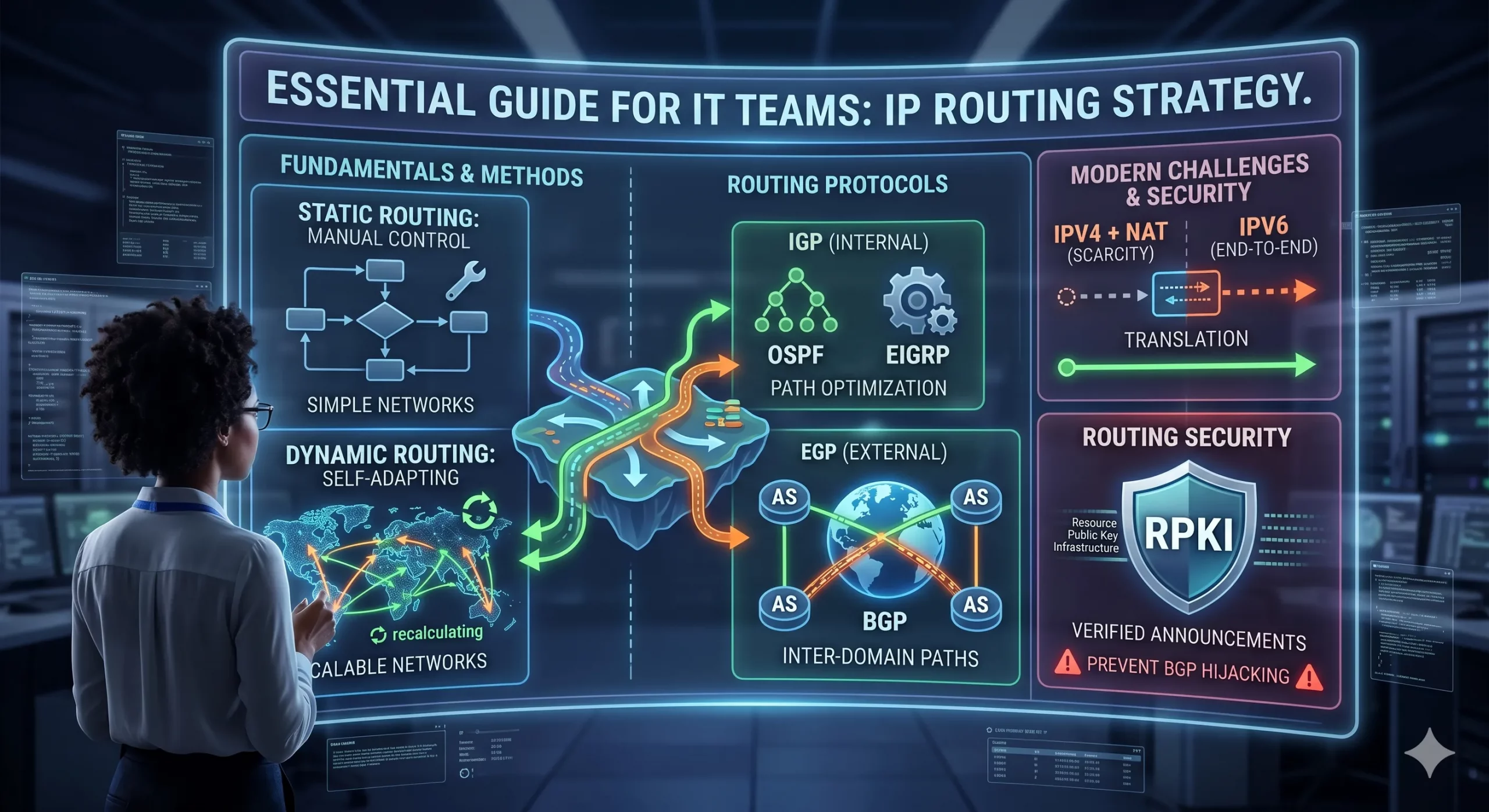
Table of Contents
ToggleIn today’s cloud-first business environment, understanding how data moves across networks isn’t just a niche IT skill—it’s a necessity. For IT teams managing platforms like i.Lease, which support critical lease data and user access from multiple regions, IP routing becomes a key factor in performance, uptime, and security.
So, what exactly should IT professionals keep in mind when it comes to IP routing in enterprise applications?
Understanding the Basics
IP routing is the method of directing network traffic between different networks, usually from a user’s device to a destination server—and back. Every time someone logs into your lease platform, their data takes a journey through routers, switches, and internet pathways. These routes are not random; they’re selected based on specific rules and logic set by routing protocols like OSPF or BGP.
While much of this is handled behind the scenes, how it’s configured—and how well it’s maintained—can make or break the user experience.
Why It Matters for Cloud-Based Lease Systems
Lease management platforms often handle sensitive, business-critical information like tenant records, financial agreements, and legal documents. Delays in loading, disconnections, or security breaches due to poor routing can be more than just annoying—they can lead to lost trust, compliance issues, and operational setbacks.
That’s why IT teams need to be proactive about how IP routing is managed, especially when users are accessing platforms from different offices, remote locations, or international networks.
Key Areas to Focus On
1. Performance and Speed
Routing directly affects how fast users can interact with the platform. Using route optimization tools or working with a content delivery network (CDN) can help reduce latency, especially for global users. If users are constantly experiencing lag or connection issues, poorly optimized routing might be the culprit.
2. Security Through IP Restrictions
Many enterprise platforms now allow IP whitelisting. This lets you control exactly which IP addresses can access your systems. It’s an easy way to prevent unauthorized access and reduce exposure to external threats. Setting up alerts for suspicious IP behavior is another smart move—especially when dealing with sensitive lease data.
3. Redundancy and Failover
Outages can happen, but how your network responds makes all the difference. A well-routed system has backup paths in case of failure. Your team should regularly test failover setups and ensure data traffic is automatically rerouted through healthy paths when something goes wrong.
4. Location-Based Controls
Depending on the type of lease data you manage, certain regions may have regulations about where data can be stored or accessed from. Geo-restricting access based on IP can help ensure your company stays compliant with data protection laws like GDPR or CCPA.
5. Audit Logs and Transparency
Every login attempt, file access, or failed connection tells a story. Keeping clear IP logs allows your team to troubleshoot issues faster and support audits if questions arise about data security or access history.
Conclusion
IP routing might not be flashy, but it’s one of the foundational elements of a secure, high-performing lease management platform. By understanding how it works and making thoughtful adjustments, IT teams can keep systems fast, safe, and compliant—no matter where your users are logging in from.
If you’re managing a cloud-based lease platform and haven’t taken a close look at your routing setup lately, now might be the perfect time.
Trusted IPv4 Leasing for Business Growth
Get enterprise-grade IPv4 space quickly, with seamless deployment and end-to-end management.
Related Blogs
Buying IPv4 addresses outside proper IP Allocation channels exposes organisations to fraud, legal disputes, operational failures and long-term governance risks.Key Read more
Facing IPv4 shortages, companies must weigh cost, speed, and network growth when choosing a lease plan.Short-term leasing lets you scale Read more
IPv4 地址曾经只是互联网运行所需的基础资源。但在今天,它越来越像一种具有市场价格、可交易、可租赁的数字资产。造成这一变化的原因并不复杂:IPv4 的总量有限,而全球互联网对 IPv4 的需求并没有消失;与此同时,IPv6 虽然早已出现,但迁移进度依然缓慢。这三股力量叠加,正在重新塑造运营商对 IP 地址的看法,也改变了互联网基础设施的经济逻辑。原文将这点概括为“有限供给、持续需求与缓慢转型”,并指出这正在推动 IP 地址成为影响全球电信经济的可交易资产。 IPv4 稀缺并不是新问题 全球互联网至今仍大量依赖 IPv4。这个协议诞生于更早的时代,只能提供大约 43 亿个地址。这个数量在互联网初期似乎足够庞大,但在今天已经明显不够。原文指出,IANA 在 2011 年就已将最后一批大型 IPv4 Read more
Buying IPv4 addresses outside proper IP Allocation channels exposes organisations to fraud, legal disputes, operational failures and long-term governance risks.Key Read more
Facing IPv4 shortages, companies must weigh cost, speed, and network growth when choosing a lease plan.Short-term leasing lets you scale Read more
IPv4 地址曾经只是互联网运行所需的基础资源。但在今天,它越来越像一种具有市场价格、可交易、可租赁的数字资产。造成这一变化的原因并不复杂:IPv4 的总量有限,而全球互联网对 IPv4 的需求并没有消失;与此同时,IPv6 虽然早已出现,但迁移进度依然缓慢。这三股力量叠加,正在重新塑造运营商对 IP 地址的看法,也改变了互联网基础设施的经济逻辑。原文将这点概括为“有限供给、持续需求与缓慢转型”,并指出这正在推动 IP 地址成为影响全球电信经济的可交易资产。 IPv4 稀缺并不是新问题 全球互联网至今仍大量依赖 IPv4。这个协议诞生于更早的时代,只能提供大约 43 亿个地址。这个数量在互联网初期似乎足够庞大,但在今天已经明显不够。原文指出,IANA 在 2011 年就已将最后一批大型 IPv4 Read more