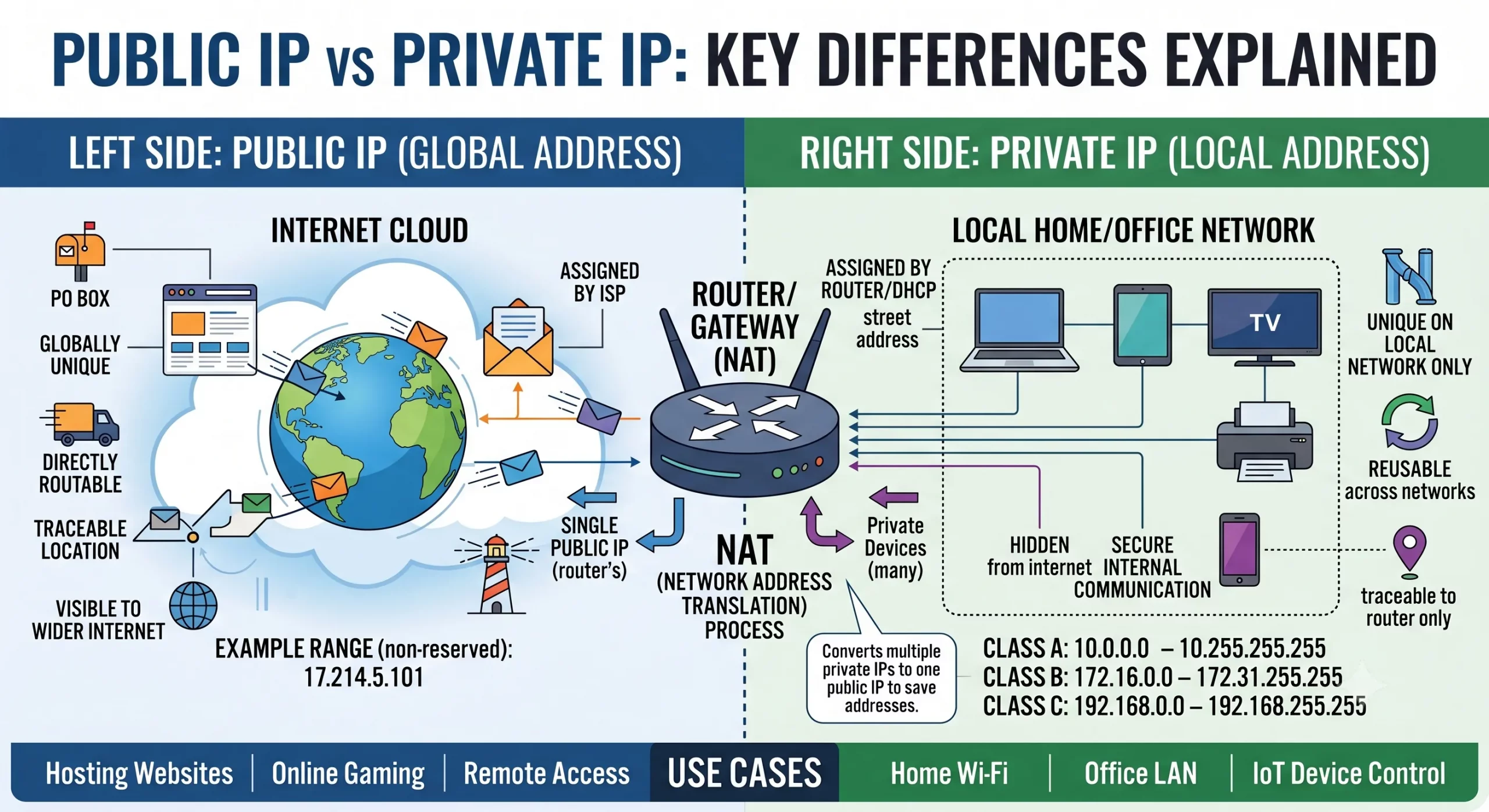
Public IP and private IP addresses both help devices communicate across networks, but they serve different purposes. A public IP address connects a device, server, or network to the internet. A private IP address is used inside a local or internal network. For businesses, the difference matters because IP planning affects hosting, cloud infrastructure, VPN access, cybersecurity, remote work, customer platforms, and network growth. A small office may onlyRead more
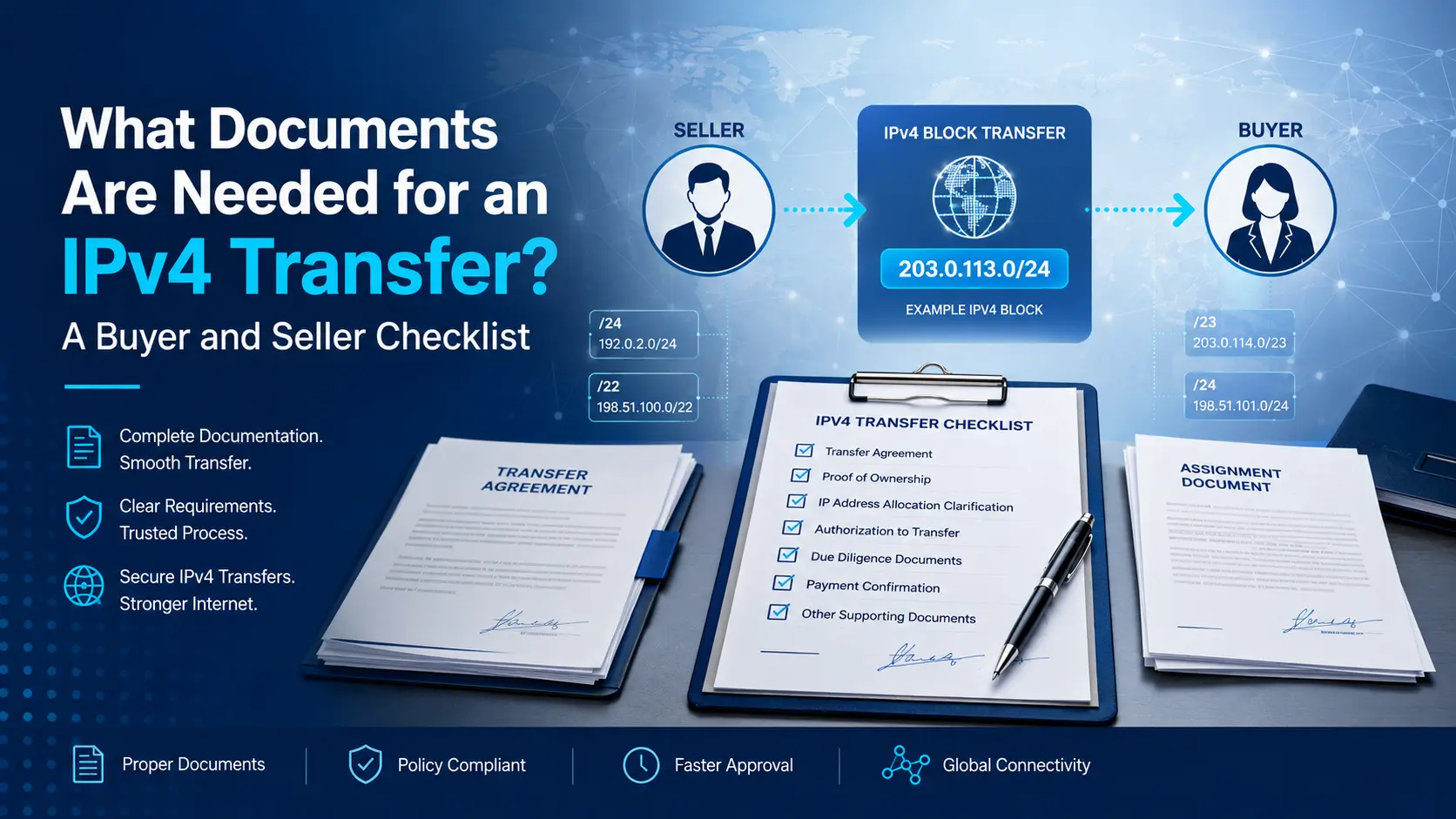
Transferring IPv4 address space from one organization to another involves more than agreeing on a prefix and a price. A Read more
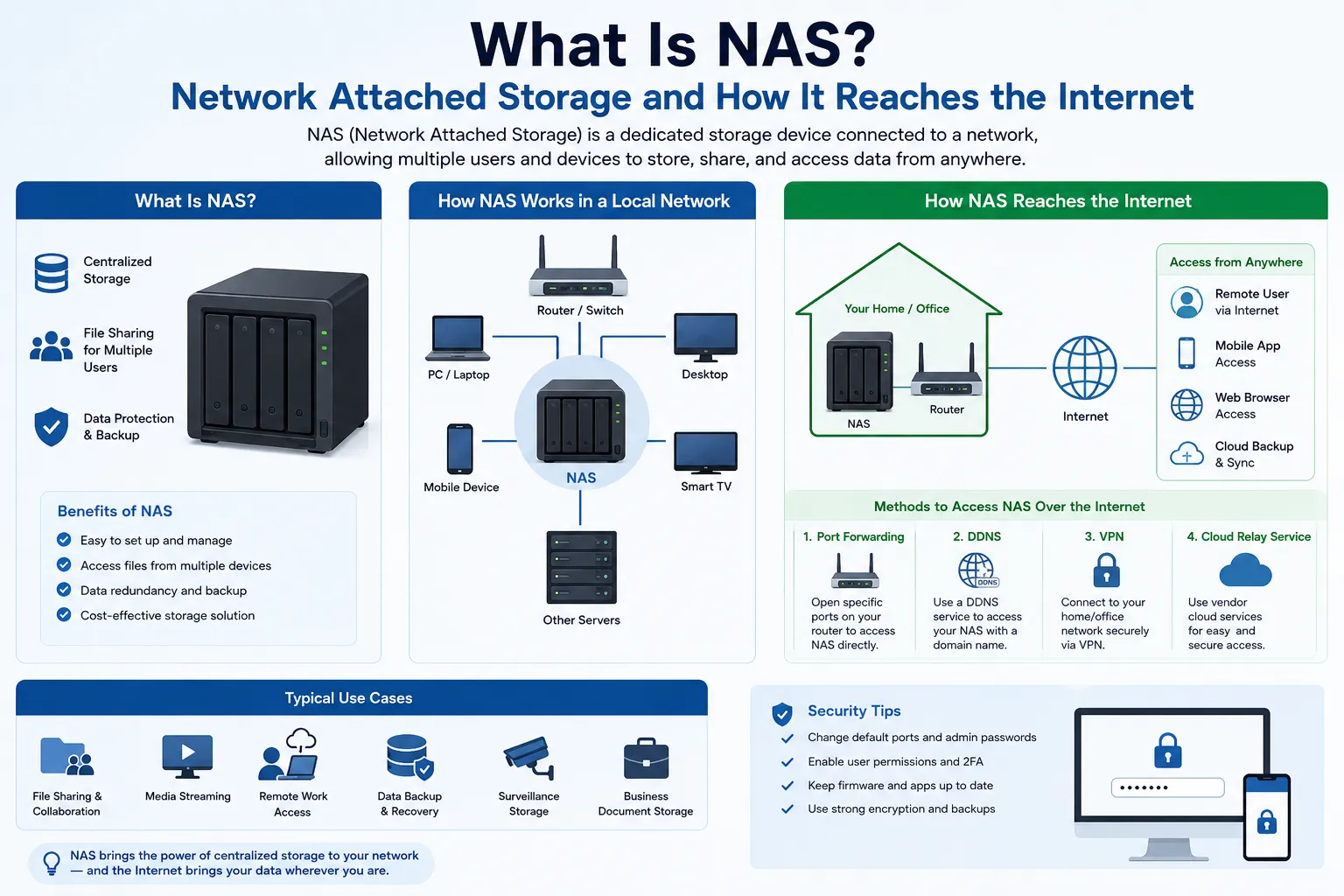
NAS stands for Network Attached Storage. It is a dedicated storage device that connects to a network and serves files Read more
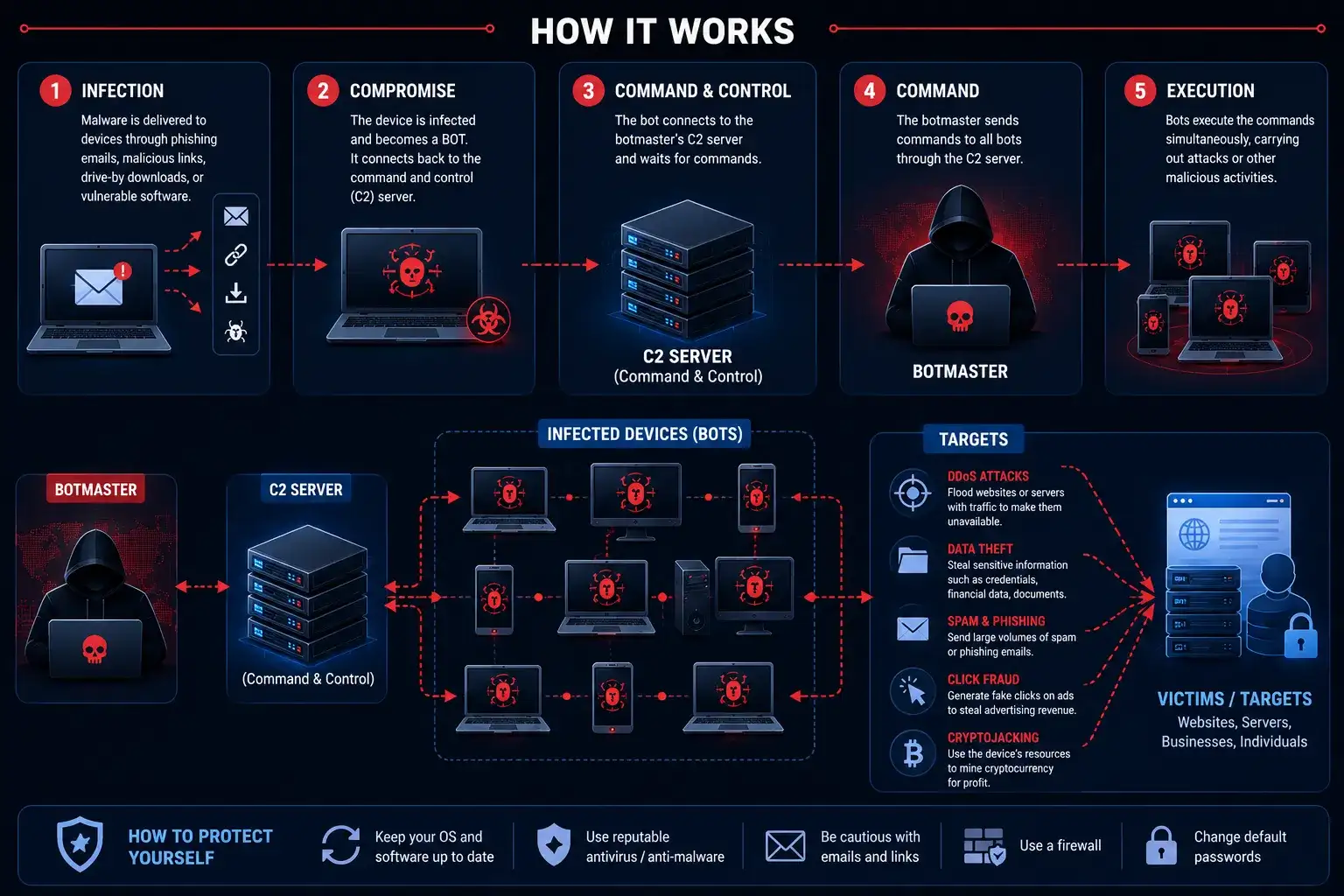
A botnet is a network of compromised computers or devices running malicious software that lets a single operator control them Read more
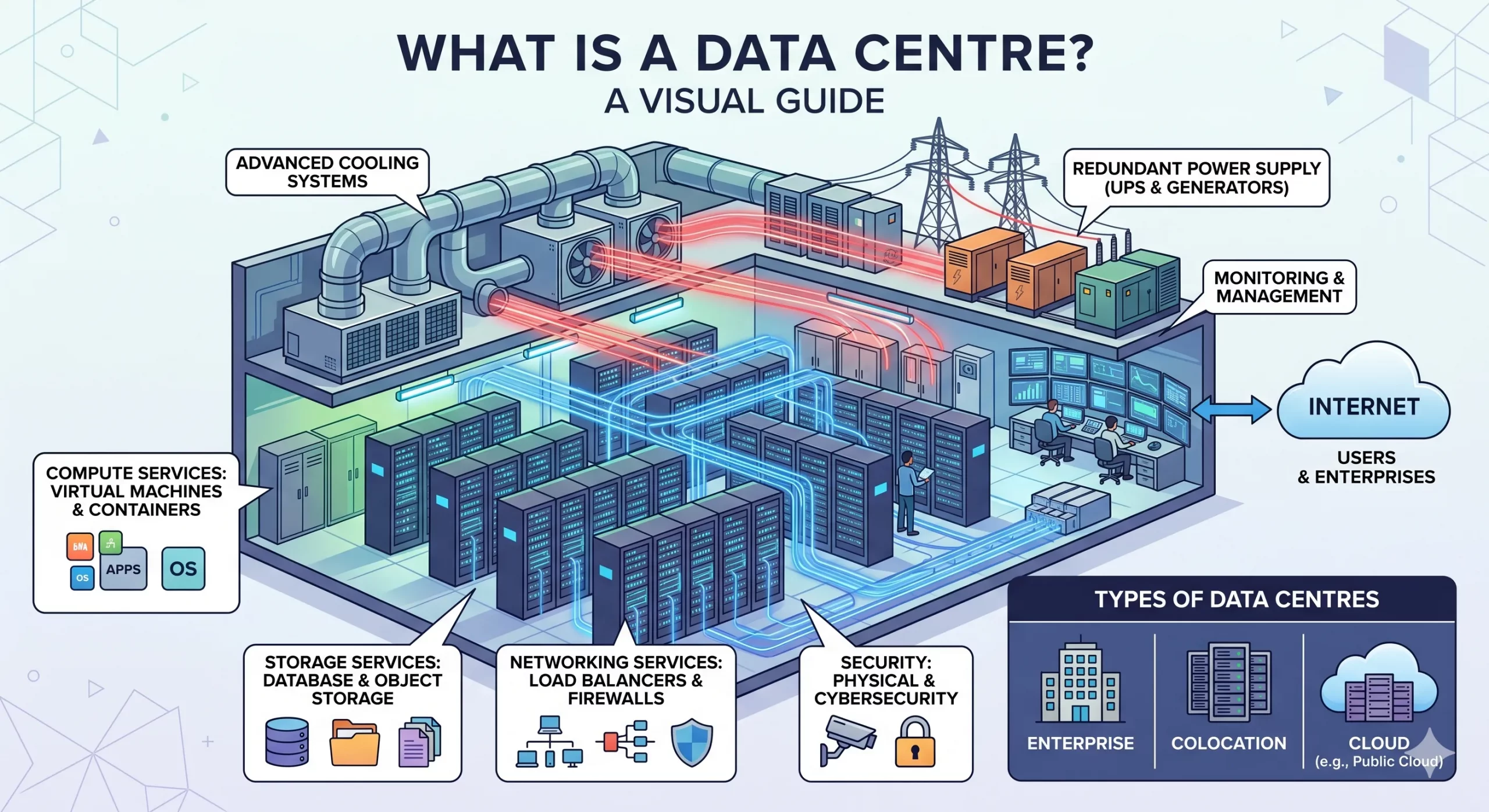
A data centre is a facility that houses servers, storage systems, network equipment, power systems, cooling infrastructure, and security controls. Businesses use data centres to run websites, applications, cloud services, databases, backups, enterprise systems, and digital platforms. In simple terms, a data centre is where business technology operates at scale. Instead of keeping important systems on a small office server, companies use data centres to improve reliability, security, performance,Read more
Transferring IPv4 address space from one organization to another involves more than agreeing on a prefix and a price. A Read more
NAS stands for Network Attached Storage. It is a dedicated storage device that connects to a network and serves files Read more
A botnet is a network of compromised computers or devices running malicious software that lets a single operator control them Read more
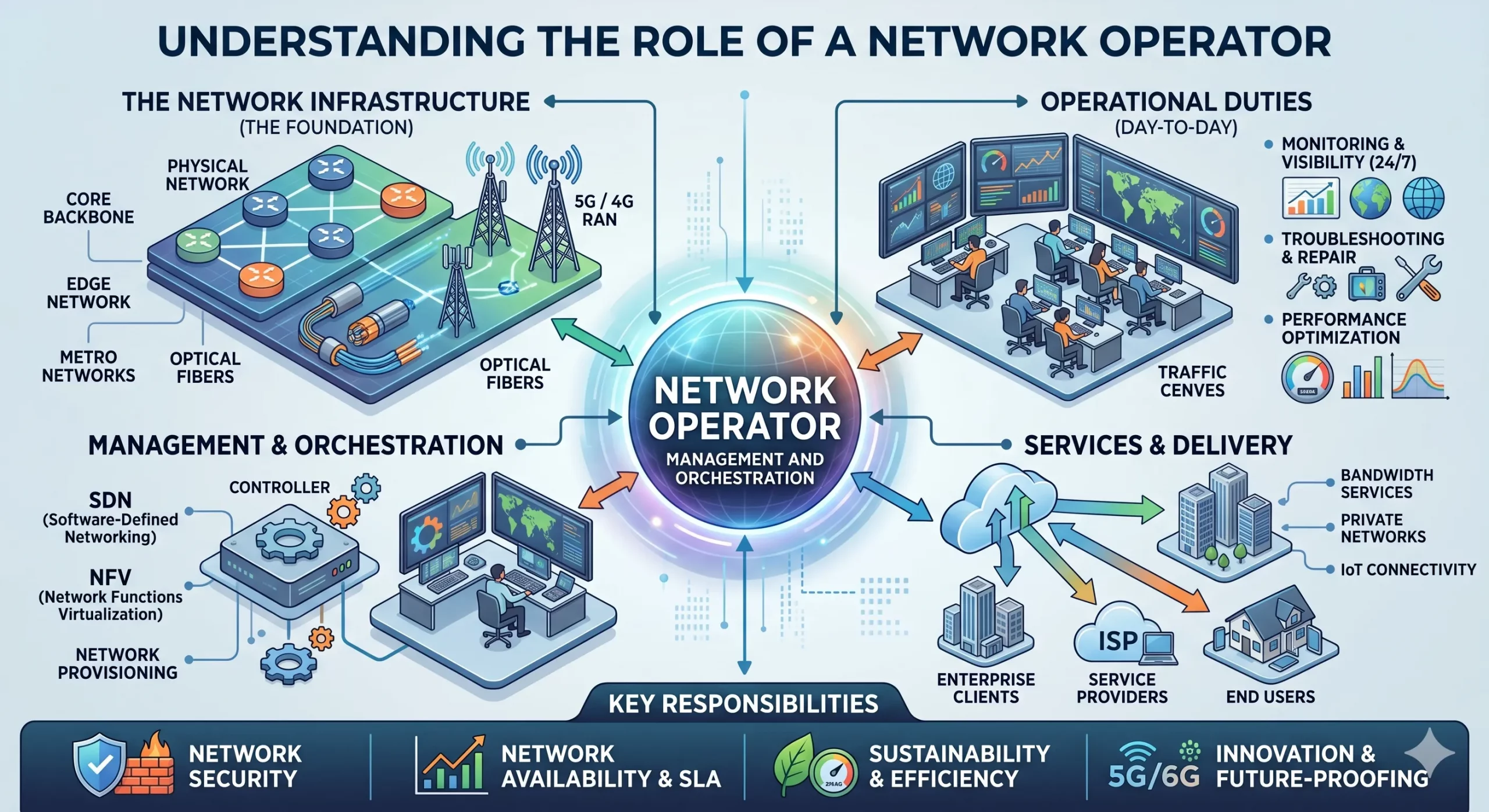
A network operator is an organization that builds, manages, or operates the infrastructure used to move data between users, businesses, devices, cloud platforms, and the wider internet. Network operators may manage fibre networks, mobile networks, internet backbone routes, fixed wireless networks, data centre connectivity, enterprise networks, or wholesale access networks. Some network operators sell services directly to consumers, while others provide infrastructure to internet service providers, telco companies, cloudRead more
Transferring IPv4 address space from one organization to another involves more than agreeing on a prefix and a price. A Read more
NAS stands for Network Attached Storage. It is a dedicated storage device that connects to a network and serves files Read more
A botnet is a network of compromised computers or devices running malicious software that lets a single operator control them Read more

Malaysia is becoming one of Southeast Asia’s most important data centre growth markets. Demand for cloud computing, artificial intelligence, enterprise applications, digital payments, e-commerce, cybersecurity, and low-latency regional services is pushing companies to build more infrastructure closer to users. This growth is not only based on hype. Malaysia has attracted large-scale investment from global technology companies, cloud providers, AI infrastructure operators, and hyperscale data centre developers. According to MIDA’sRead more
Transferring IPv4 address space from one organization to another involves more than agreeing on a prefix and a price. A Read more
NAS stands for Network Attached Storage. It is a dedicated storage device that connects to a network and serves files Read more
A botnet is a network of compromised computers or devices running malicious software that lets a single operator control them Read more
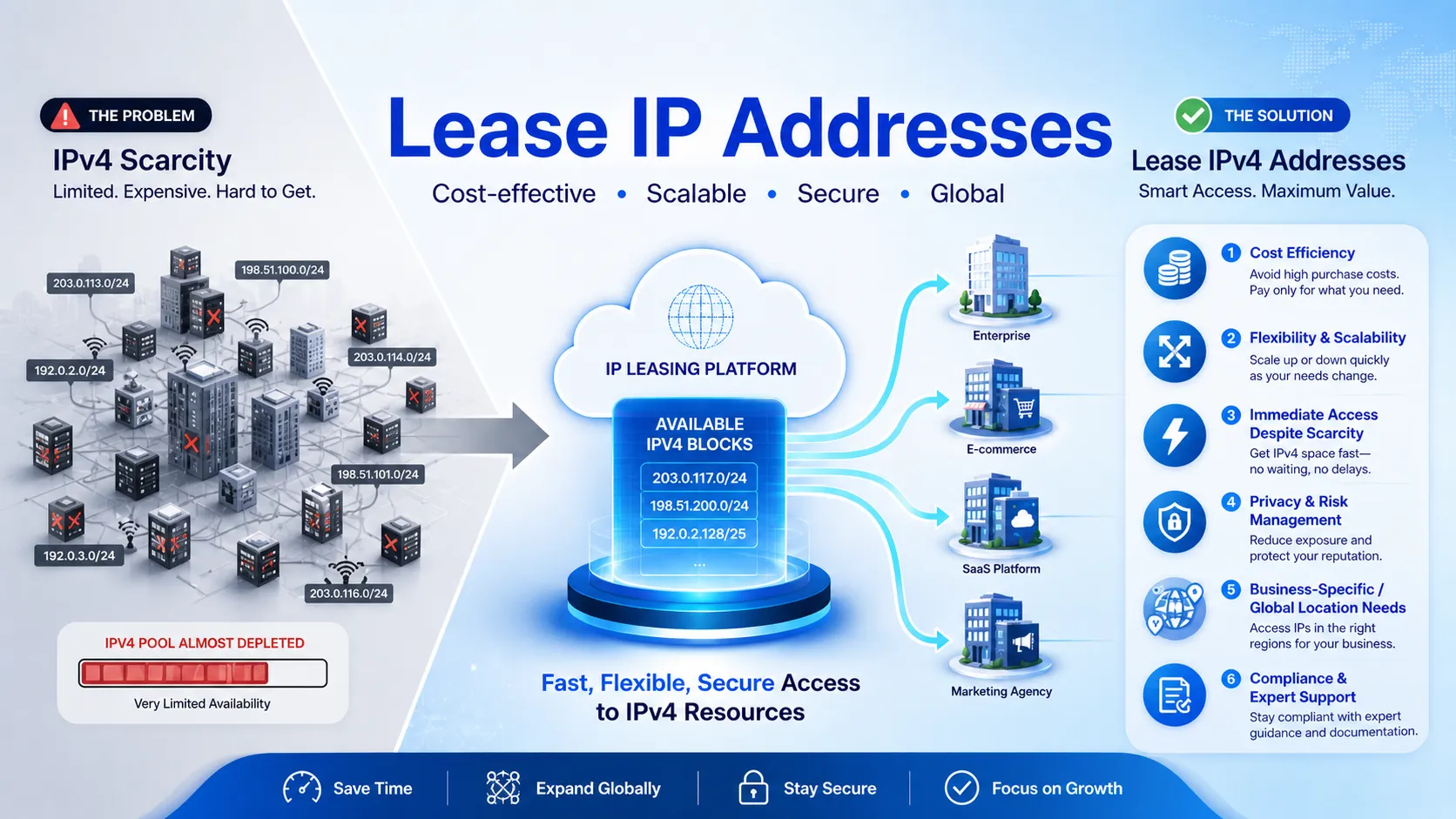
Leasing an IP address means using IPv4 address space for a fixed monthly or yearly fee instead of buying it permanently. Businesses lease IPv4 addresses to reduce upfront cost, scale faster, support hosting, VPN, SaaS, ISP, telecom, cloud, security, email, and infrastructure operations, and maintain IPv4 compatibility while avoiding large capital expenditure. For companies that depend on stable public connectivity, IPv4 leasing is not only a pricing decision. TheRead more
Transferring IPv4 address space from one organization to another involves more than agreeing on a prefix and a price. A Read more
NAS stands for Network Attached Storage. It is a dedicated storage device that connects to a network and serves files Read more
A botnet is a network of compromised computers or devices running malicious software that lets a single operator control them Read more