What Is a Data Centre? How It Supports Business Websites, Apps, and Networks
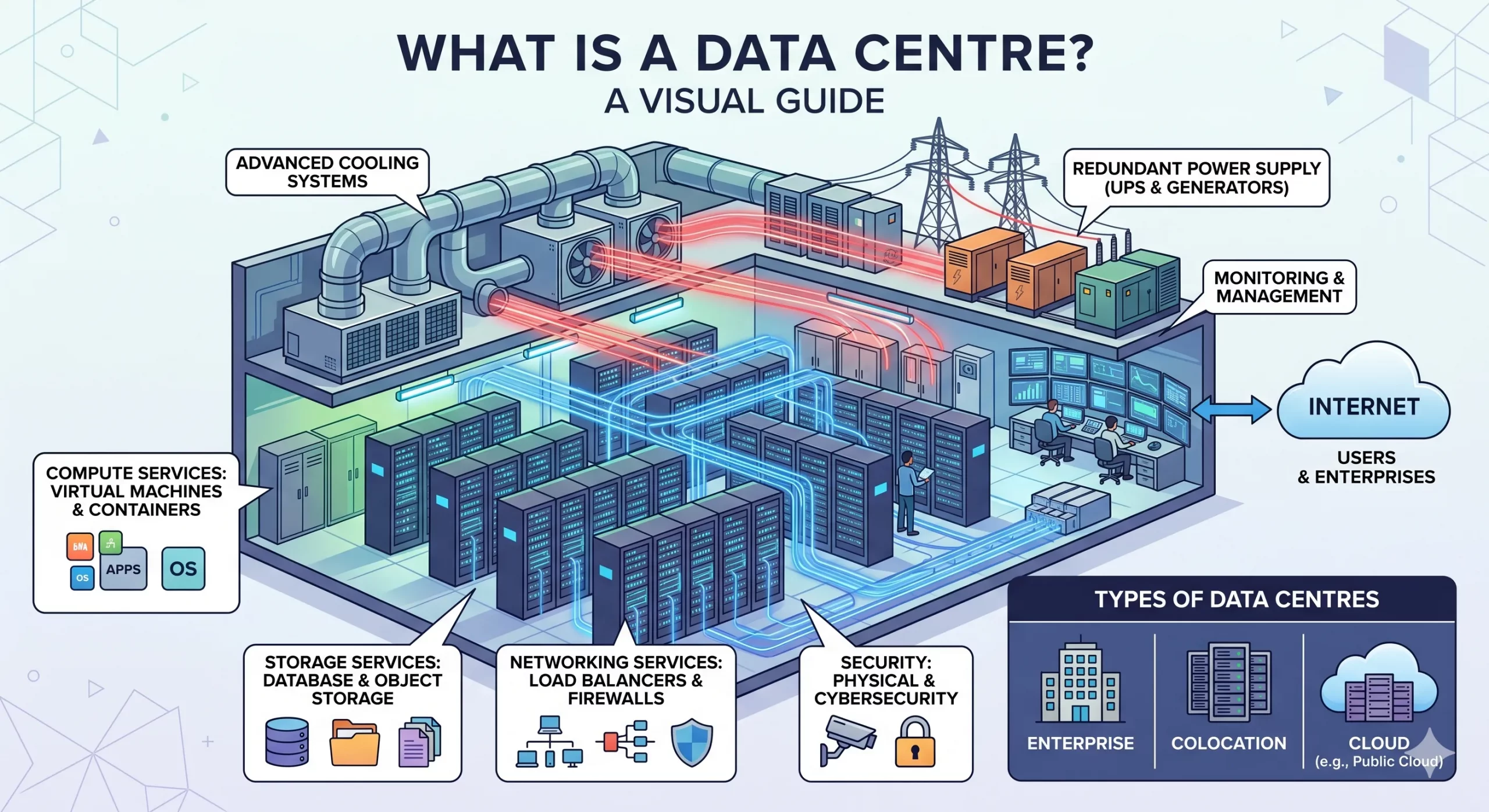
A data centre is a facility that houses servers, storage systems, network equipment, power systems, cooling infrastructure, and security controls. Businesses use data centres to run websites, applications, cloud services, databases, backups, enterprise systems, and digital platforms.
Table of Contents
ToggleIn simple terms, a data centre is where business technology operates at scale. Instead of keeping important systems on a small office server, companies use data centres to improve reliability, security, performance, and connectivity.
Data centres are essential to modern digital infrastructure. Every time users access a website, stream a service, open a cloud application, use a payment platform, or connect to a business system, there is usually a data centre supporting the service somewhere behind the scenes.
What Is Data Centre?
A data centre is a dedicated environment designed to keep servers and network systems running safely and continuously.
Unlike a normal office server room, a data centre is built with specialized infrastructure. This includes redundant power, cooling systems, fire protection, network connectivity, physical security, monitoring, and backup systems.
The goal is to reduce downtime and keep digital services available.
Businesses use data centres because modern applications need more than a computer connected to the internet. They need stable power, fast network access, controlled temperature, secure access, and reliable infrastructure.
How does a Data Centre work?
A data centre works by combining computing, storage, networking, power, cooling, and security into one managed environment.
Servers process data and run applications. Storage systems keep files, databases, backups, and business records. Network equipment connects the servers to users, cloud platforms, internet providers, and other networks.
Power systems keep the facility running. Cooling systems prevent equipment from overheating. Security systems protect the site from unauthorized access. Monitoring tools help detect issues before they become serious problems.
Together, these systems allow businesses to operate digital services continuously.
Main components of a data centre
A data centre usually includes several core components.
Servers
Servers run websites, applications, databases, cloud workloads, and business software. They are the core computing layer of a data centre.
Storage systems
Storage systems keep business data, files, backups, user records, application data, and media assets.
Network equipment
Routers, switches, firewalls, and load balancers move traffic between servers, customers, cloud platforms, and the internet.
Power infrastructure
Data centres need reliable power. They often use backup power systems, UPS units, generators, and redundant electrical paths to reduce the risk of outage.
Cooling systems
Servers generate heat. Cooling systems keep equipment at safe operating temperatures and help maintain performance.
Physical security
Data centres usually include access controls, surveillance, visitor checks, locked rooms, and monitoring to protect equipment and data.
Monitoring systems
Monitoring tools track performance, uptime, temperature, power usage, network traffic, and hardware health.
Why businesses use Data Centres
Businesses use data centres because they need reliable digital infrastructure.
A data centre can support:
- Business websites
- E-commerce platforms
- SaaS applications
- Cloud services
- Internal systems
- Databases
- Backup and disaster recovery
- VPN access
- Customer portals
- AI and analytics workloads
- Enterprise software
- Hosting services
For many businesses, downtime can mean lost sales, customer complaints, operational disruption, or reputational damage. A data centre helps reduce those risks by providing a more stable operating environment.
Data Centre vs Office Server Room
An office server room may work for small internal systems, but it usually cannot match the reliability and scale of a professional data centre.
A server room may depend on office power, limited cooling, basic physical security, and a single internet connection. A data centre is built for higher availability, stronger security, redundant power, better connectivity, and continuous monitoring.
For growing businesses, moving workloads to a data centre can improve reliability and reduce operational burden.
Data Centre vs Cloud Hosting
Cloud hosting and data centres are closely related. Cloud services usually run inside data centres.
The difference is how the customer uses the infrastructure.
With cloud hosting, businesses rent computing resources from a cloud provider. They may not manage the physical servers directly.
With a data centre or colocation service, a business may place its own equipment in a data centre or rent dedicated infrastructure.
Cloud hosting is often flexible and easy to scale. Data centre or colocation services may offer more control over hardware, network setup, compliance, and dedicated infrastructure.
Many businesses use a mix of cloud, colocation, and private infrastructure.
Why network connectivity matters in a Data Centre
A data centre is not only about servers and power. Network connectivity is just as important.
Businesses need reliable connectivity so users, customers, applications, and partners can reach their services. This may involve internet transit, peering, BGP routing, firewalls, load balancers, and public IP resources.
If the network is poorly planned, even powerful servers can become difficult to reach. Slow routing, limited bandwidth, poor redundancy, or weak IP planning can affect customer experience.
For hosting providers, SaaS platforms, VPN companies, and cloud services, network design is part of the product itself.
Why IP planning matters in Data Centres
Data centres often support many services that need public connectivity. These may include websites, customer servers, VPN gateways, cloud workloads, email systems, APIs, and application platforms.
Some services can share public IP resources. Others may require dedicated public IP addresses for routing, security, email reputation, customer separation, or compliance reasons.
This is why IP planning matters before a business expands into a data centre.
Businesses should consider:
How many public-facing services they will operate
Whether customers need dedicated IPs
Whether email or hosting reputation matters
Whether VPN or firewall rules require static IPs
Whether cloud or colocation environments need routing support
Whether the business needs flexible IP access during growth
What to check before choosing a Data Centre
Before choosing a data centre, businesses should review both technical and commercial factors.
Important questions include:
Where is the data centre located?
Does it provide reliable power and cooling?
What uptime and service-level commitments are available?
Which carriers and network providers are available?
Does it support cloud connectivity or peering?
What physical security controls are in place?
Can the facility support future growth?
What compliance or sustainability standards apply?
How are IP resources, routing, and connectivity handled?
The best data centre choice depends on the business model. A SaaS provider, hosting company, enterprise, e-commerce platform, or AI workload may each have different requirements.
Practical note from i.lease
A data centre needs more than servers, racks, power, and cooling. It also needs strong network planning. Public connectivity, routing, and IP resource management are part of keeping services reachable.
Businesses expanding into data centres may need to use lease IPv4 address depending on whether they need long-term address control, want to monetize unused resources, or require flexible IP access for growth.
Final thoughts
A data centre is the foundation behind many digital services. It supports websites, apps, cloud platforms, business systems, storage, backups, VPNs, AI workloads, and customer-facing platforms.
For businesses, using a data centre can improve reliability, security, scalability, and network performance. But the facility itself is only one part of the strategy. Businesses also need to plan connectivity, routing, security, IP resources, and operational continuity.
As companies grow, data centre planning becomes business planning. The right infrastructure helps keep customers connected, applications available, and digital services ready to scale.
Frequent Asked Questions (FAQs)
A data centre is a facility that stores and operates servers, storage, networking equipment, power systems, cooling, and security controls for digital services.
Businesses use data centres to improve uptime, security, scalability, connectivity, and performance for websites, applications, cloud platforms, databases, and digital systems.
No. Cloud hosting usually runs inside data centres, but customers rent cloud resources instead of managing physical equipment directly.
A server room is usually a smaller internal office setup. A data centre is purpose-built for higher reliability, stronger security, better connectivity, and continuous operation.
Network connectivity determines how reliably users, customers, and systems can reach the services hosted in the data centre.
Many data centre services need public IP addresses for websites, hosting, VPNs, email systems, customer platforms, APIs, and internet-facing applications.
Yes. i.Lease supports businesses that need to Buy IP Address, Sell IP Address, or use IPv4 Leasing for infrastructure and network expansion.
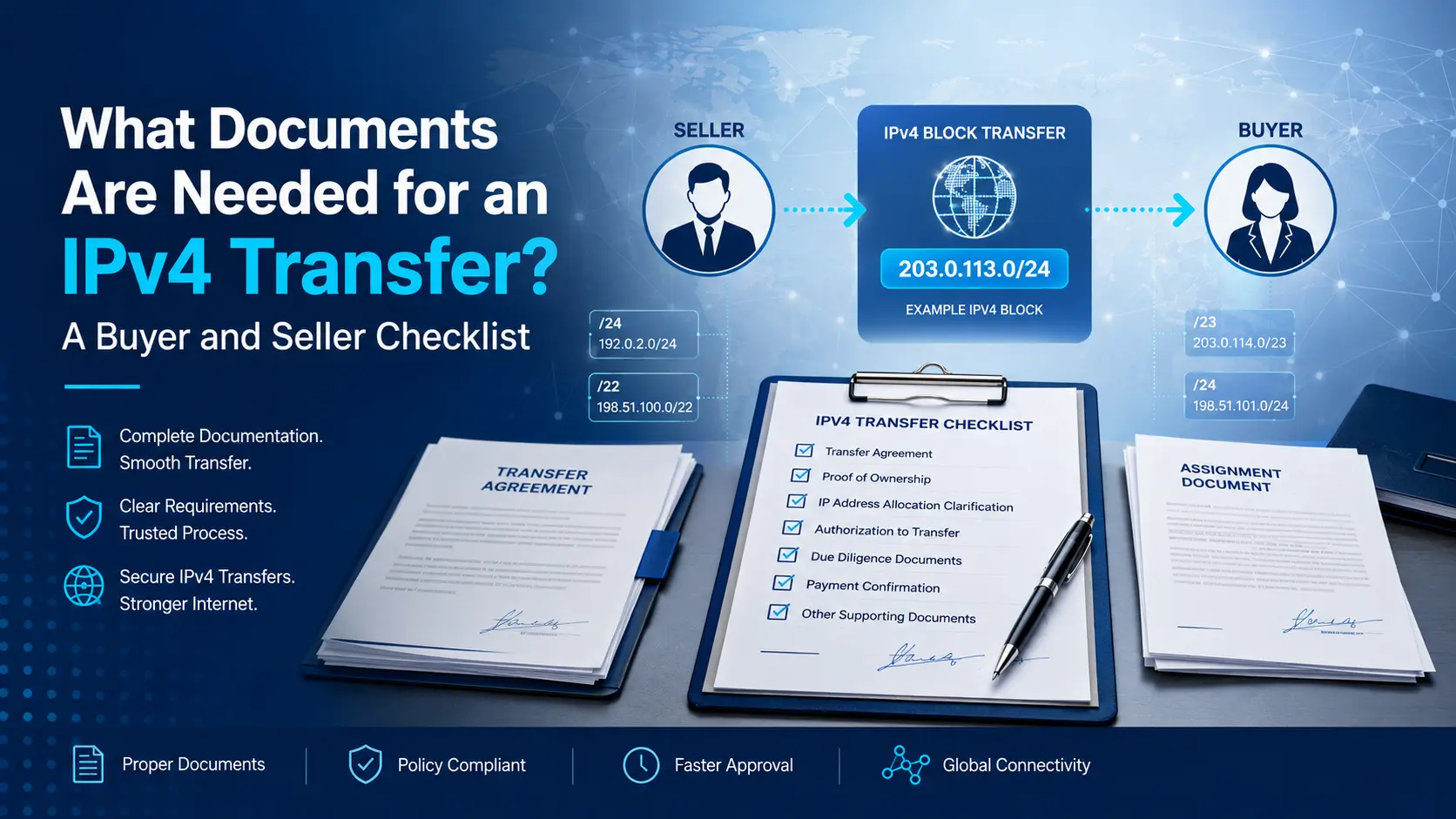
Transferring IPv4 address space from one organization to another involves more than agreeing on a prefix and a price. A Read more
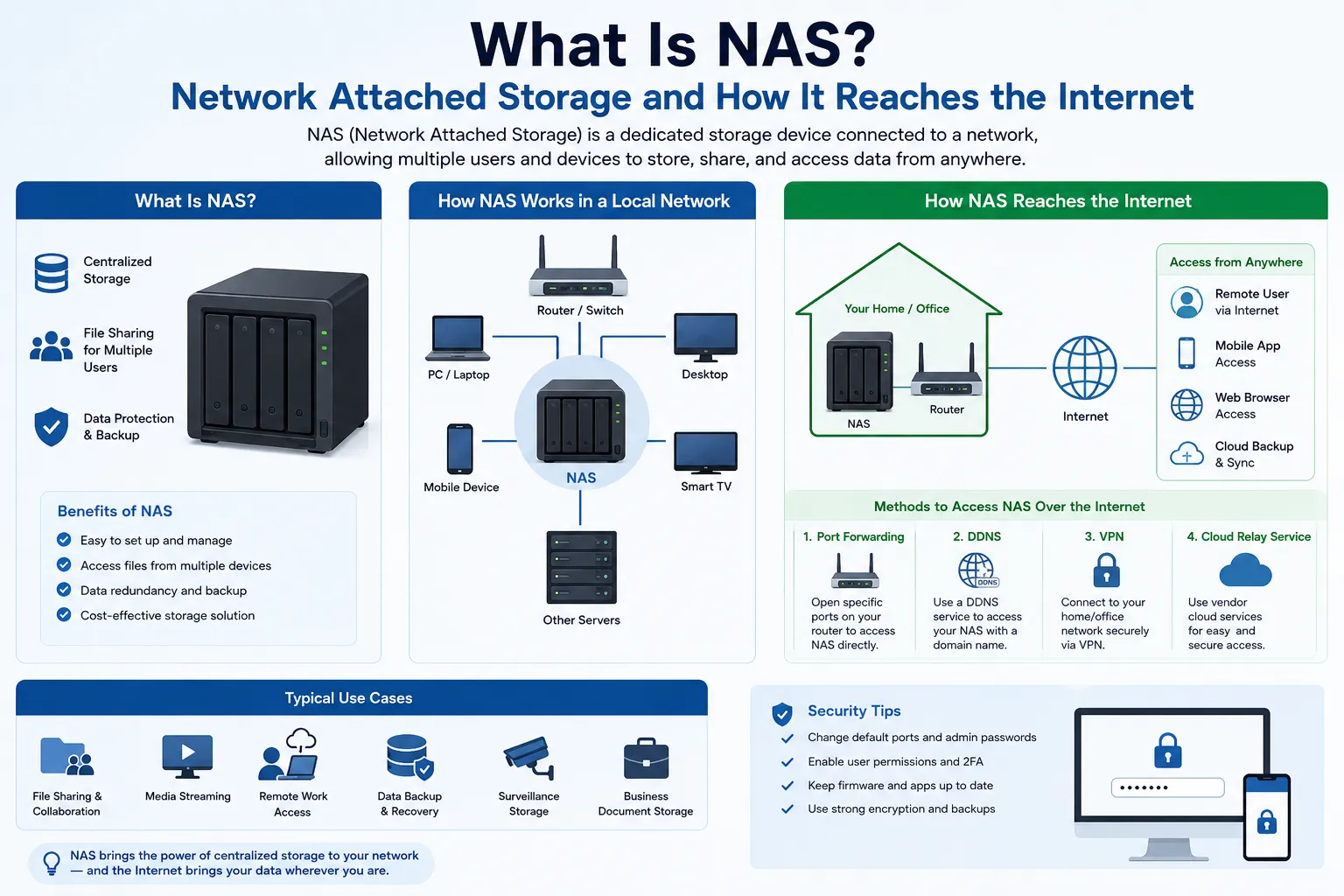
NAS stands for Network Attached Storage. It is a dedicated storage device that connects to a network and serves files Read more
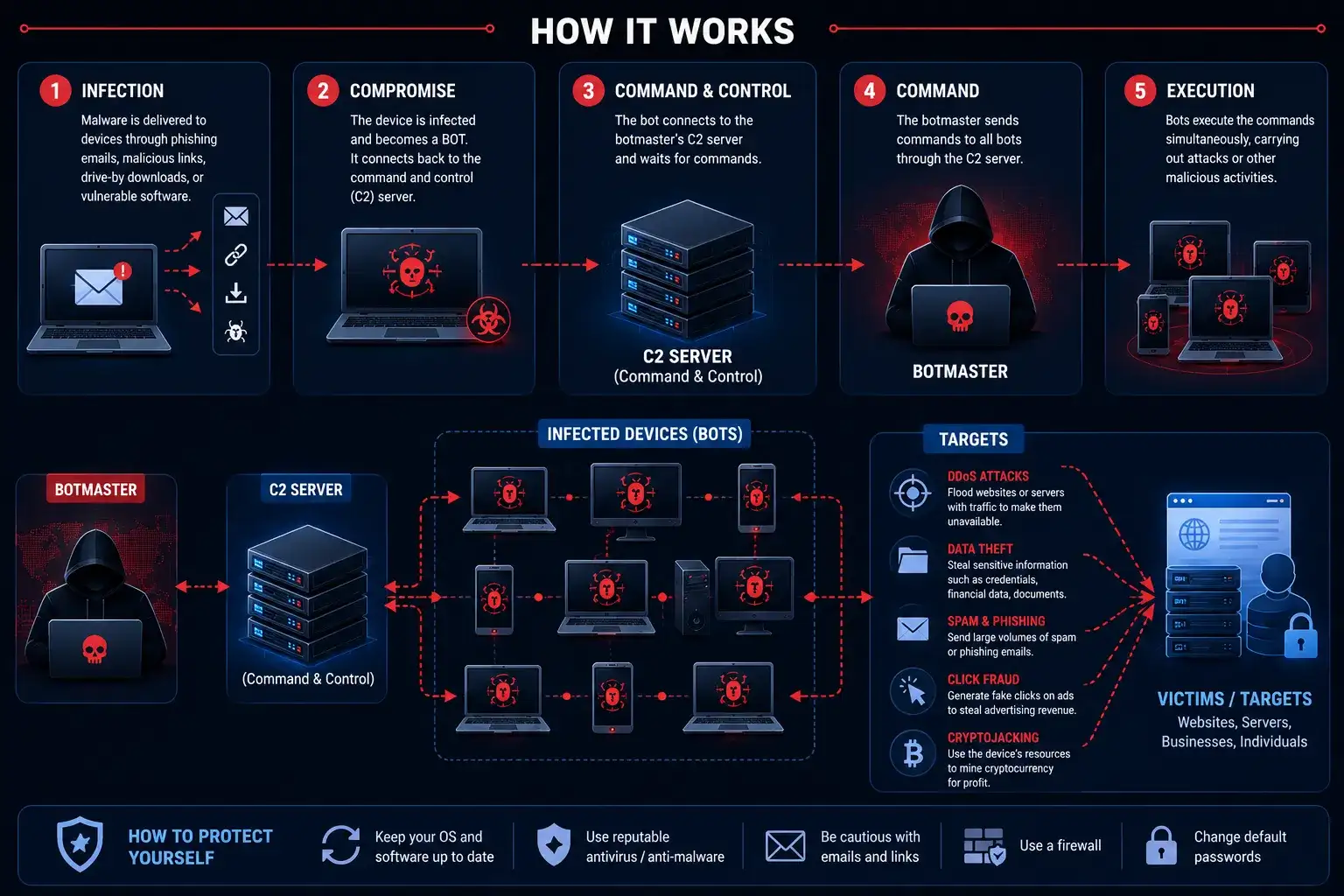
A botnet is a network of compromised computers or devices running malicious software that lets a single operator control them Read more