Lease IP Address: How IPv4 Leasing Works, Costs, Benefits, and Risks
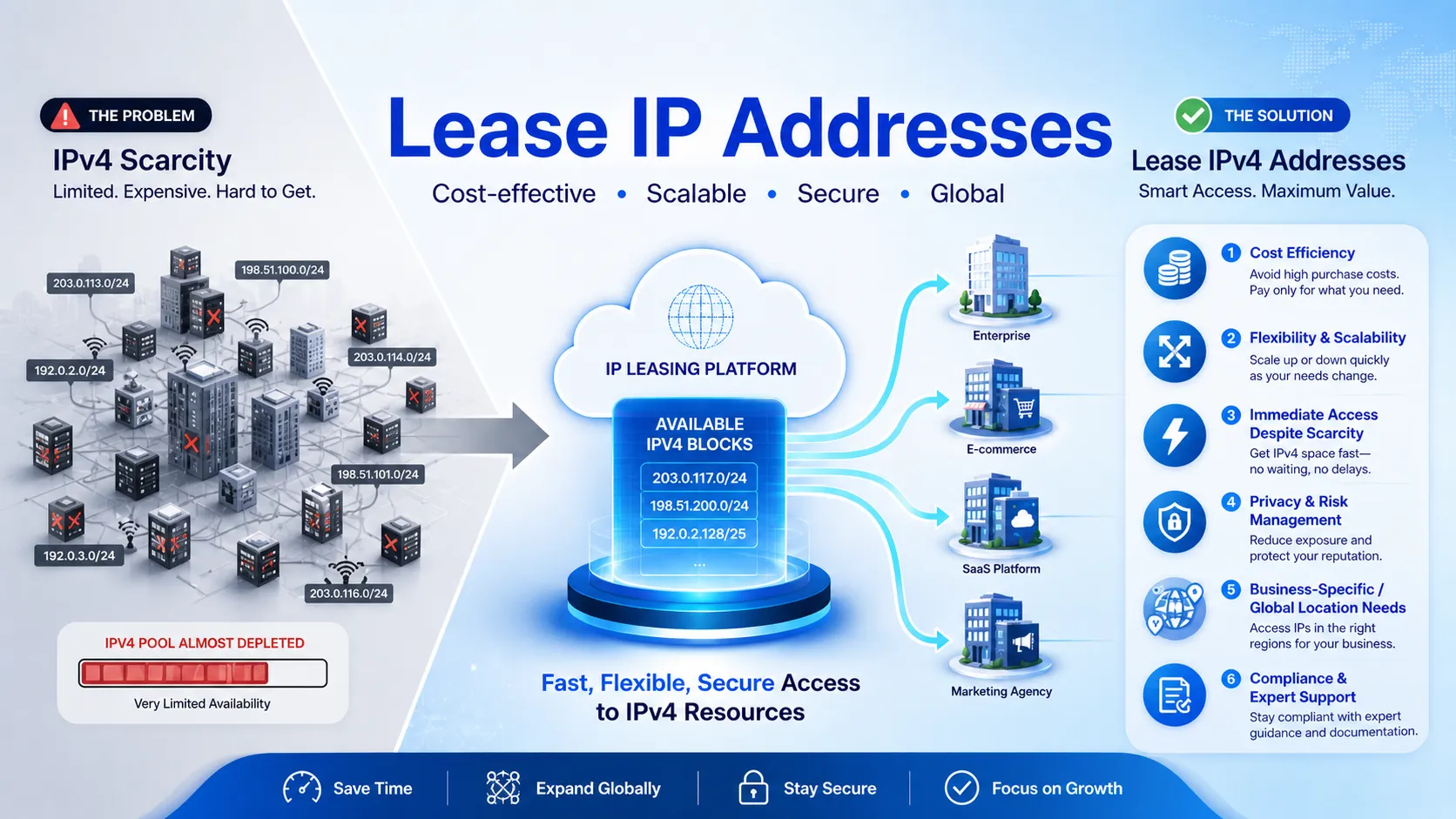
Leasing an IP address means using IPv4 address space for a fixed monthly or yearly fee instead of buying it permanently. Businesses lease IPv4 addresses to reduce upfront cost, scale faster, support hosting, VPN, SaaS, ISP, telecom, cloud, security, email, and infrastructure operations, and maintain IPv4 compatibility while avoiding large capital expenditure.
Table of Contents
ToggleFor companies that depend on stable public connectivity, IPv4 leasing is not only a pricing decision. The provider should also offer source clarity, routing support, LOA or ROA assistance, renewal accountability, and clean IP reputation checks.
What Is IP Address Leasing?
IP address leasing is the process of renting IP address space from an address holder or IPv4 leasing provider for a defined period. Instead of purchasing IPv4 addresses outright, a business pays a recurring fee to use the addresses for hosting, cloud infrastructure, VPN services, ISP networks, telecom systems, email delivery, security platforms, or other internet-facing services.
In most business cases, IPv4 leasing focuses on IPv4 addresses because IPv4 remains widely required for compatibility across networks, applications, customers, and legacy systems. Although IPv6 adoption continues, many companies still need IPv4 to keep services reachable across the wider internet.
How IPv4 Leasing Works
IPv4 leasing usually begins with a business selecting the required block size, lease duration, region, and technical use case. The provider then verifies availability, checks IP reputation, prepares authorization documents, and supports routing setup.
For routed use, the lessor may provide a Letter of Authorization (LOA) so the lessee can announce the IP block through its own network using BGP. Depending on the arrangement, ROA or RPKI-related support may also be required to improve routing legitimacy and reduce hijack risk.
A reliable IPv4 leasing provider should not only deliver addresses. It should also support routing, renewal, documentation, abuse handling, reputation checks, and escalation if an operational issue appears.
How Much Does IPv4 Leasing Cost?
IPv4 leasing cost depends on block size, IP reputation, region, lease duration, routing requirements, and market demand. Larger blocks and longer lease terms may offer better pricing stability, while clean IP reputation and urgent deployment may increase cost.
Businesses should not compare IPv4 leasing only by monthly price. A cheaper lease may become more expensive if the provider cannot support routing authorization, renewal accountability, clean reputation, or fast escalation when problems appear.
Lease IP Address vs Buy IP Address
Leasing and buying IPv4 addresses serve different business needs. Leasing is usually better for companies that need fast deployment, lower upfront cost, flexible scaling, or temporary capacity. Buying may be suitable for companies that want long-term asset control and have the capital, compliance capacity, and registry knowledge to manage IPv4 ownership directly.
| Option | Best For | Main Risk |
|---|---|---|
| Lease IP Address | Fast deployment, lower upfront cost, flexible scaling | Provider quality, renewal accountability, routing support |
| Buy IP Address | Long-term asset control and permanent IPv4 strategy | High upfront cost, transfer checks, registry exposure |
IPv4 Leasing and The Poverty Penalty
Cost efficiency matters because IPv4 access is not equal in practice. Large operators may have the capital to buy IPv4 addresses, absorb transfer delays, manage documentation, and survive policy or provider friction. Smaller businesses often do not.
This is the practical business meaning of The Poverty Penalty in IPv4 access: the companies with less capital often pay more through delay, uncertainty, documentation burden, weak bargaining power, and limited backup options.
Leasing IPv4 can reduce that pressure by helping businesses access address space without committing large upfront capital. For startups, hosting providers, SaaS platforms, VPN operators, ISPs, telecom companies, and growing infrastructure teams, this can preserve cash flow while still supporting deployment.
However, leasing only helps if the provider structure is reliable. A cheap IPv4 lease can still become expensive if the source is unclear, routing support is weak, renewal accountability is missing, or IP reputation problems appear after deployment.
In weak sourcing models, the customer may also face a form of Double Extraction: the business pays for IPv4 access, but still carries the operational downside when renewal, routing, documentation, or provider-chain issues appear.
That is why businesses should not compare IPv4 leasing only by price. They should also compare source clarity, routing support, reputation checks, renewal accountability, and continuity planning.
For the wider doctrine behind this issue, see The Poverty Penalty on CircleID.
1. Cost efficiency
Buying IP addresses can hit your wallet hard, particularly for small businesses or startups. Leasing IP addresses is a wallet-friendly alternative. It reduces upfront costs by allowing businesses to rent addresses only as needed, saving money and reducing financial strain.
2. Flexibility and Scalability
Leasing IP addresses offers incredible flexibility, perfect for businesses that see fluctuating demand. It allows companies to adjust their IP needs to match their scale of operations without overspending on resources they don’t use. This makes managing a growing or seasonal business much smoother.
3. Overcoming Availability Issues
Since IPv4 addresses are hard to come by, leasing is a practical workaround. It gives businesses immediate access to these addresses, sidestepping the slow rollout of the newer IPv6 addresses and ensuring compatibility with older, IPv4-dependent technologies.
4. Privacy and Risk Management
Leasing IP addresses can boost your privacy and security. By using leased IPs, businesses can mask their actual IP details, protecting themselves from cyber threats and securing sensitive data—ideal for firms prioritizing high security and anonymity online.
5. Meeting business-specific needs
Some businesses, like VPN providers or digital service firms operating internationally, need IP addresses from specific locations to get around geo-restrictions or to serve local content. Leasing makes it easier to obtain IPs from different regions, helping businesses operate globally without a physical presence.
6. Compliance and Expertise
Leasing also helps companies stick to data laws that require data routing through specific countries. Furthermore, leasing from experts means your IP management is more efficient and compliant with Internet governance, which can be a huge relief and benefit.
IP address leasing in summary
Choosing to lease IP addresses usually comes down to practicality. It offers financial flexibility, scalability, enhanced security, and compliance with laws—essential for staying operational and competitive in our interconnected world. As we continue to embrace more digital solutions, the way we manage and use IP addresses will remain key to navigating the digital landscape efficiently
For all your IP address needs, whether leasing, buying, or selling. For free learning material on Internet security, visit the Larus Foundation.
Why Choose i.lease for IPv4 Leasing?
i.lease helps businesses lease IPv4 addresses with a continuity-first approach. Instead of treating IPv4 as a simple monthly rental, i.lease focuses on source clarity, routing support, renewal accountability, clean IP reputation, and operational reliability.
For businesses that depend on IPv4 for hosting, cloud, VPN, ISP, telecom, SaaS, security, or email infrastructure, the safest question is not only whether IPs are available today. The better question is whether the provider can support the network when routing, renewal, documentation, or reputation issues appear.
Through LARUS-backed IPv4 operations, i.lease provides a structured alternative to weak broker-chain sourcing and helps businesses plan IPv4 access with clearer continuity support.
For businesses that need IPv4 leasing, buying, or selling support, i.lease provides structured IPv4 access backed by LARUS operational experience.
Frequent Asked Questions (FAQs)
Leasing an IP address means renting IPv4 address space for a monthly or yearly fee instead of buying it permanently. Businesses use leased IP addresses for hosting, cloud infrastructure, VPN, ISP networks, SaaS, email, security, and other internet-facing services.
Businesses lease IPv4 addresses to reduce upfront cost, deploy faster, scale capacity, support IPv4 compatibility, and avoid purchasing address space outright. Leasing is useful when companies need public IPv4 connectivity without long-term capital commitment.
IPv4 leasing usually involves selecting a block size, confirming IP reputation, signing lease terms, receiving routing authorization such as an LOA, and announcing the IP block through the required network setup.
Leasing is usually better for flexibility, lower upfront cost, and fast deployment. Buying may be better for long-term control, but it requires more capital, transfer checks, and registry management capacity.
Before leasing IPv4 addresses, check IP reputation, source clarity, routing authorization, LOA or ROA support, lease renewal terms, provider accountability, abuse handling, and whether the provider can support operational continuity.
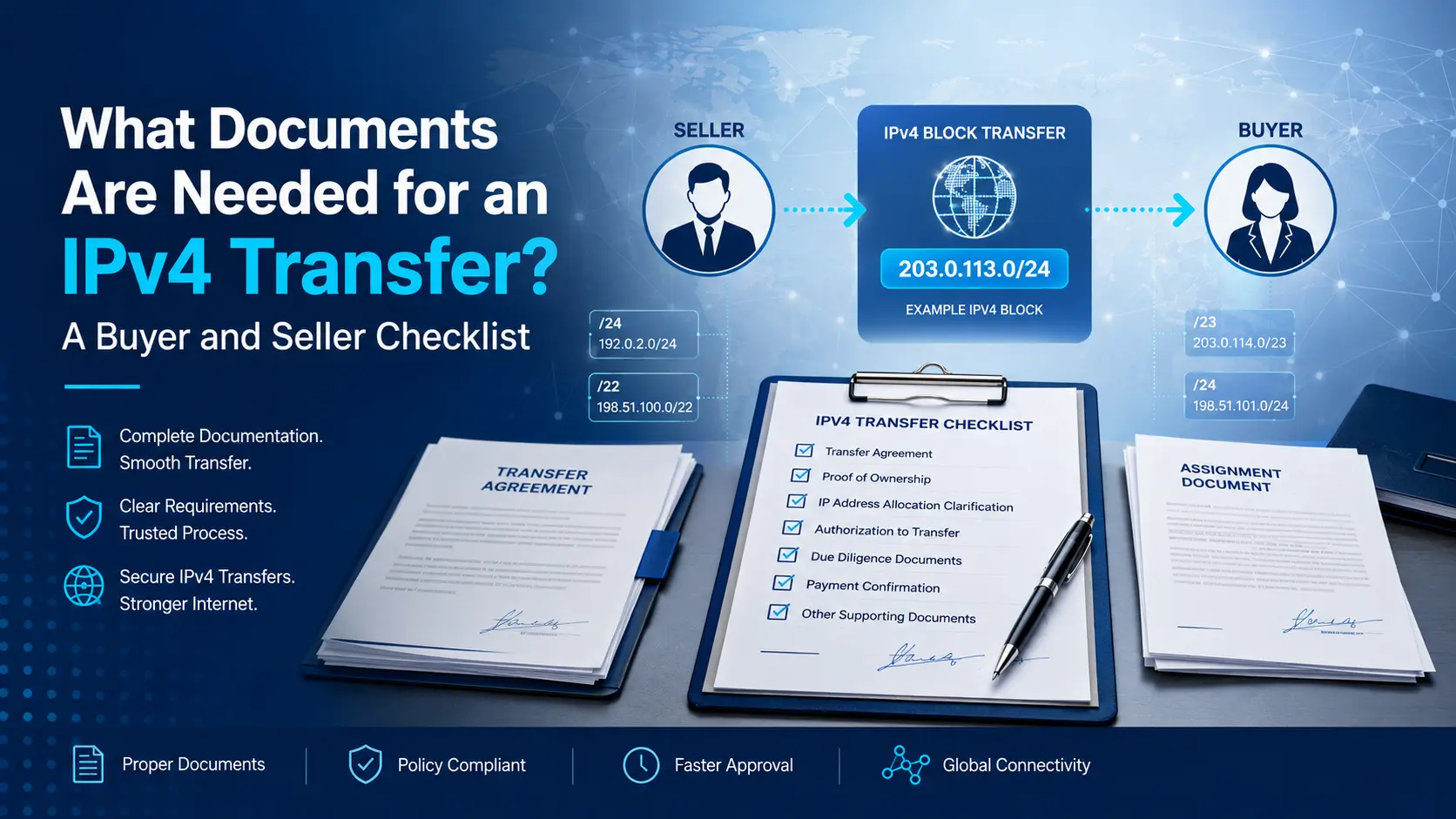
Transferring IPv4 address space from one organization to another involves more than agreeing on a prefix and a price. A Read more
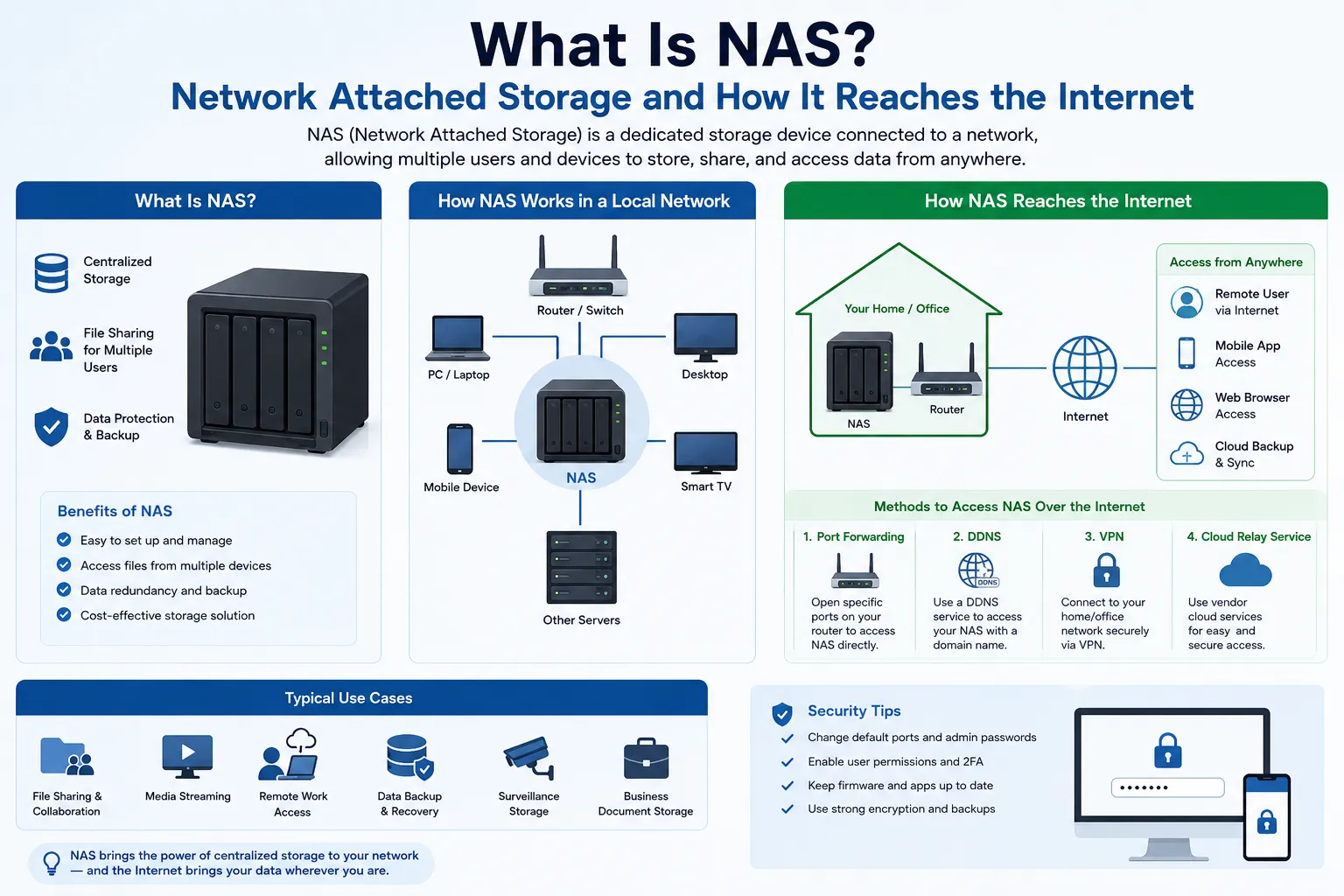
NAS stands for Network Attached Storage. It is a dedicated storage device that connects to a network and serves files Read more
A botnet is a network of compromised computers or devices running malicious software that lets a single operator control them Read more