What is ARIN? Understanding the American Registry for Internet Numbers
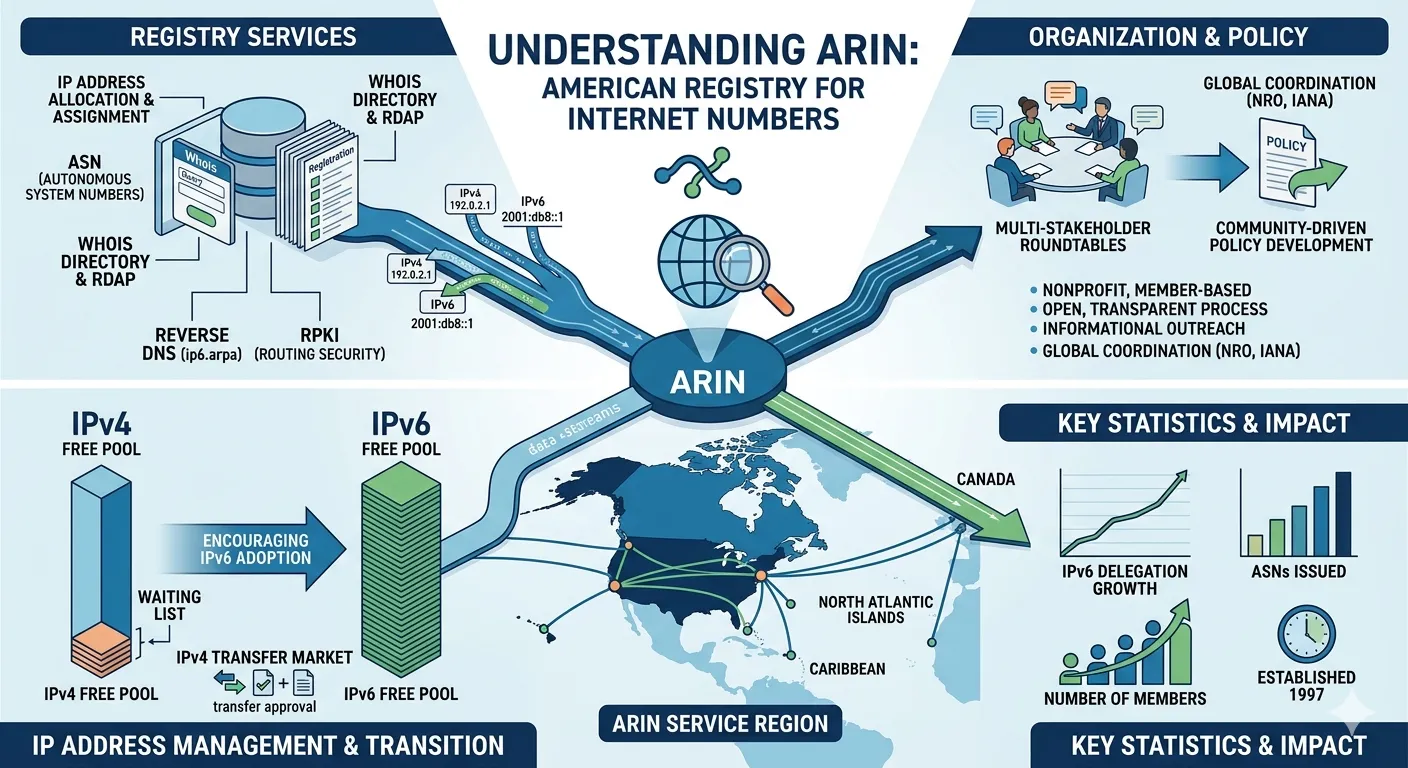
Table of Contents
ToggleThe American Registry for Internet Numbers (ARIN) is a nonprofit organization that plays a vital role in managing and distributing Internet number resources. These resources include Internet Protocol (IP) addresses and Autonomous System Numbers (ASNs), which are essential for ensuring that data travels reliably across the global Internet.
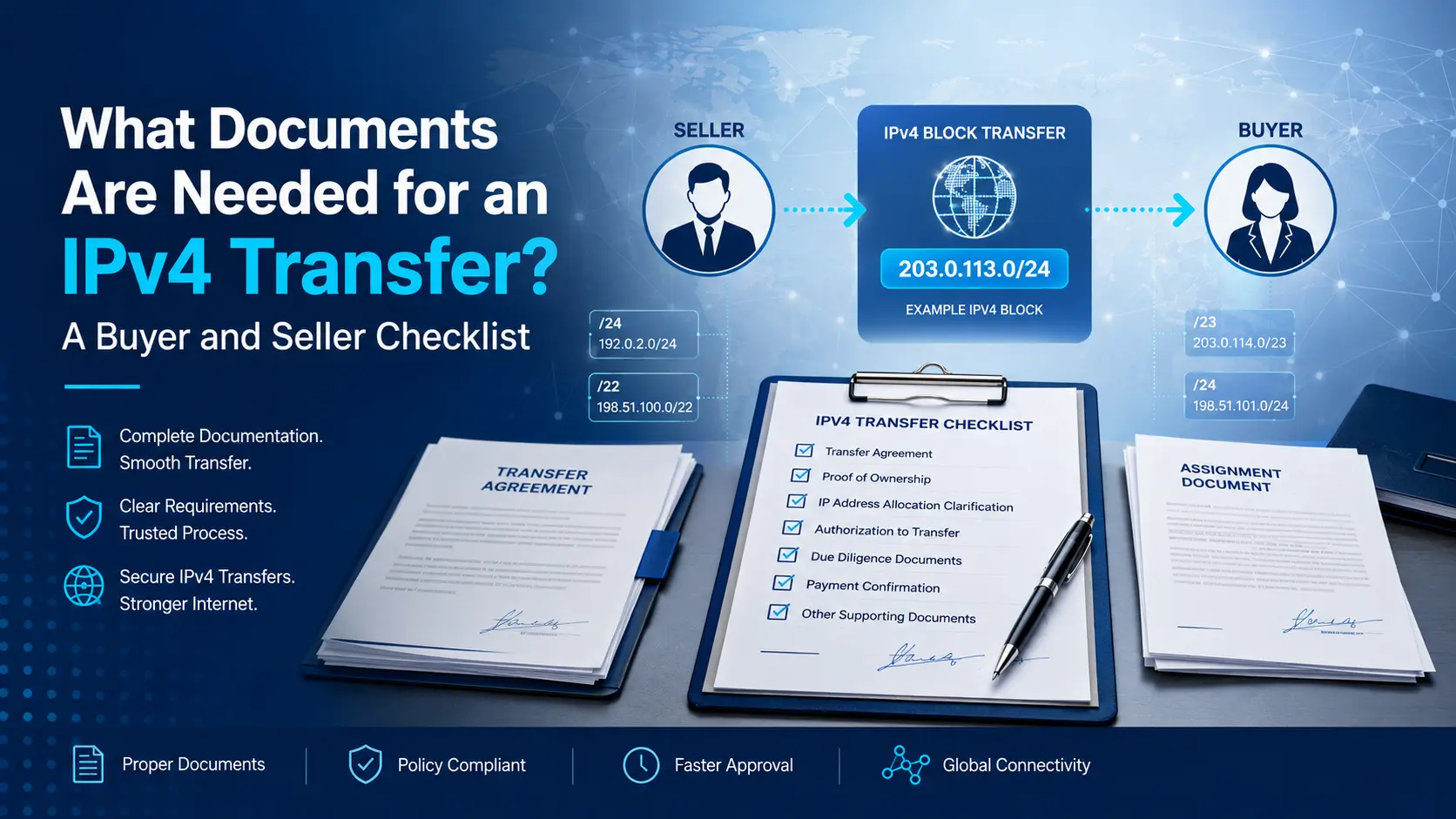
ARIN is one of five Regional Internet Registries (RIRs) worldwide. Its jurisdiction covers Canada, the United States, and many parts of the Caribbean. In essence, ARIN helps organize the “address book” of the Internet for this region, ensuring that IP addresses are distributed fairly and efficiently to Internet service providers (ISPs), data centers, universities, government agencies, and other network operators.
Why IP Addresses Matter
Every device connected to the Internet needs an IP address to communicate—whether it’s a website server, a smartphone, or your smart home devices. These addresses must be unique to avoid confusion in data routing. Just like postal addresses ensure your mail ends up at the correct home, IP addresses ensure that data sent over the Internet reaches the right destination.
There are two types of IP addresses in use: IPv4 and IPv6. IPv4, the older standard, is running out of available addresses due to the explosive growth of the Internet. IPv6 was developed to solve this problem by offering a vastly larger pool of addresses. ARIN helps organizations manage and transition between these protocols.
ARIN’s Role in the Internet Ecosystem
ARIN doesn’t just hand out IP addresses. It also plays a key role in maintaining the accuracy of Internet number records. Through a publicly accessible database called WHOIS, anyone can look up who holds a specific IP address or ASN. This transparency is important for network troubleshooting, cybersecurity, and tracking abuse or malicious activity online.
Beyond resource distribution and record-keeping, ARIN contributes to policy development. It operates under a community-driven, open policy framework. This means that network operators, researchers, and other stakeholders can propose and discuss changes to the policies that govern IP address management. ARIN facilitates this process through mailing lists, public meetings, and working groups.
Security and Technical Services
ARIN also provides technical services that enhance Internet security and reliability. One such example is Resource Public Key Infrastructure (RPKI), a cryptographic system that helps prevent IP address hijacking—where malicious actors try to reroute Internet traffic by falsely claiming address ownership.
Conclusion
In a world that increasingly relies on digital infrastructure, the behind-the-scenes work of organizations like ARIN is more important than ever. By managing critical Internet number resources and supporting secure, transparent, and efficient Internet operations, ARIN ensures that the Internet continues to grow and function smoothly in North America and beyond. Whether you’re a tech professional or a curious learner, understanding ARIN gives insight into one of the fundamental layers of our connected world.
Trusted IPv4 Leasing for Business Growth
Get enterprise-grade IPv4 space quickly, with seamless deployment and end-to-end management.
Related Blogs
Buying IPv4 addresses outside proper IP Allocation channels exposes organisations to fraud, legal disputes, operational failures and long-term governance risks.Key Read more
Facing IPv4 shortages, companies must weigh cost, speed, and network growth when choosing a lease plan.Short-term leasing lets you scale Read more
IPv4 地址曾经只是互联网运行所需的基础资源。但在今天,它越来越像一种具有市场价格、可交易、可租赁的数字资产。造成这一变化的原因并不复杂:IPv4 的总量有限,而全球互联网对 IPv4 的需求并没有消失;与此同时,IPv6 虽然早已出现,但迁移进度依然缓慢。这三股力量叠加,正在重新塑造运营商对 IP 地址的看法,也改变了互联网基础设施的经济逻辑。原文将这点概括为“有限供给、持续需求与缓慢转型”,并指出这正在推动 IP 地址成为影响全球电信经济的可交易资产。 IPv4 稀缺并不是新问题 全球互联网至今仍大量依赖 IPv4。这个协议诞生于更早的时代,只能提供大约 43 亿个地址。这个数量在互联网初期似乎足够庞大,但在今天已经明显不够。原文指出,IANA 在 2011 年就已将最后一批大型 IPv4 Read more
Buying IPv4 addresses outside proper IP Allocation channels exposes organisations to fraud, legal disputes, operational failures and long-term governance risks.Key Read more
Facing IPv4 shortages, companies must weigh cost, speed, and network growth when choosing a lease plan.Short-term leasing lets you scale Read more
IPv4 地址曾经只是互联网运行所需的基础资源。但在今天,它越来越像一种具有市场价格、可交易、可租赁的数字资产。造成这一变化的原因并不复杂:IPv4 的总量有限,而全球互联网对 IPv4 的需求并没有消失;与此同时,IPv6 虽然早已出现,但迁移进度依然缓慢。这三股力量叠加,正在重新塑造运营商对 IP 地址的看法,也改变了互联网基础设施的经济逻辑。原文将这点概括为“有限供给、持续需求与缓慢转型”,并指出这正在推动 IP 地址成为影响全球电信经济的可交易资产。 IPv4 稀缺并不是新问题 全球互联网至今仍大量依赖 IPv4。这个协议诞生于更早的时代,只能提供大约 43 亿个地址。这个数量在互联网初期似乎足够庞大,但在今天已经明显不够。原文指出,IANA 在 2011 年就已将最后一批大型 IPv4 Read more