A Letter of Authorization (LOA) is a formal document in which the registered holder of an IP address block authorizes another party to announce that address space from a specified Autonomous System Number. It is the written permission that connects a contractual right to use address space with the technical act of routing it — and without it, upstream providers will generally refuse to accept your announcements. That refusalRead more
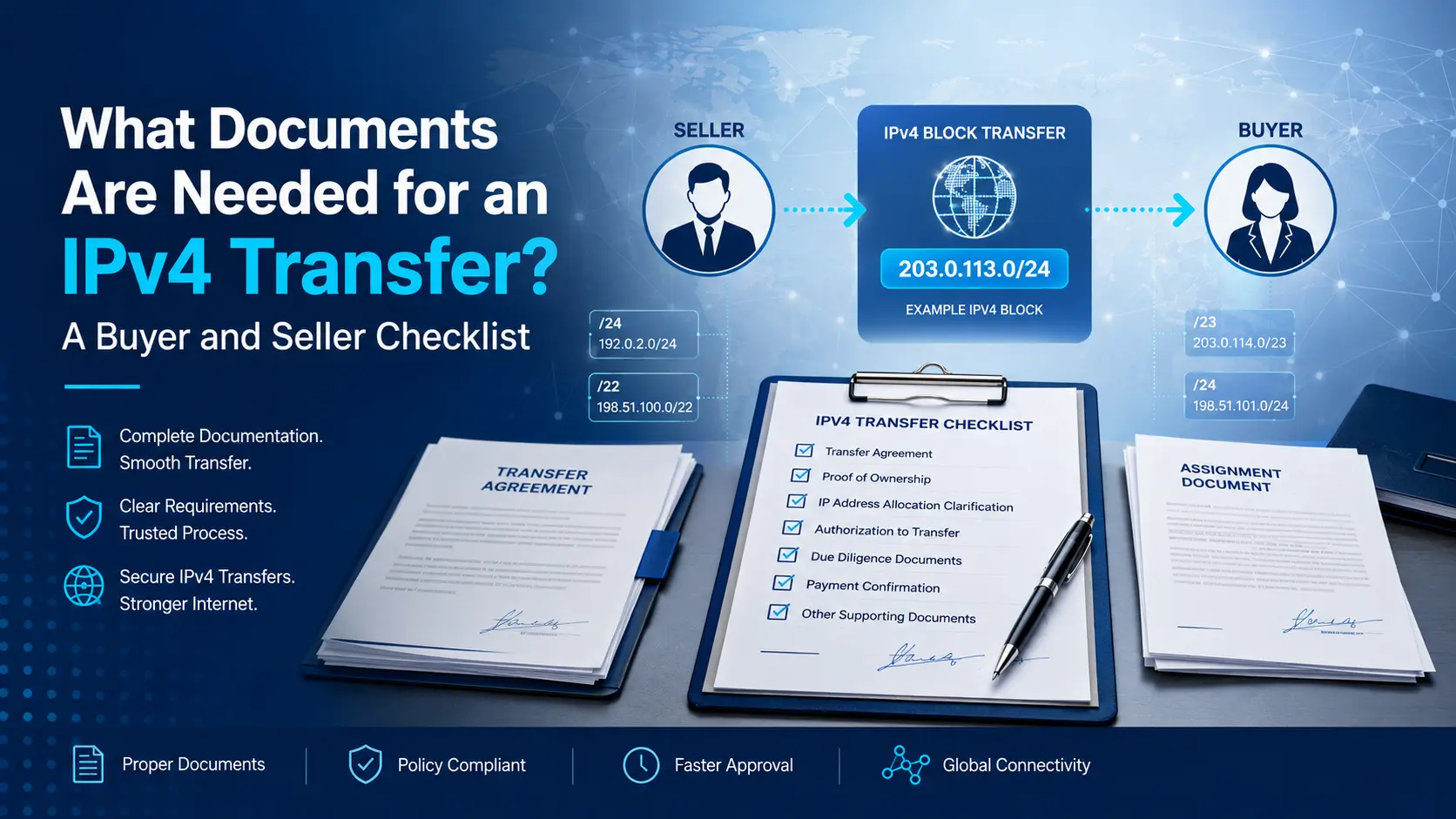
Transferring IPv4 address space from one organization to another involves more than agreeing on a prefix and a price. A Read more
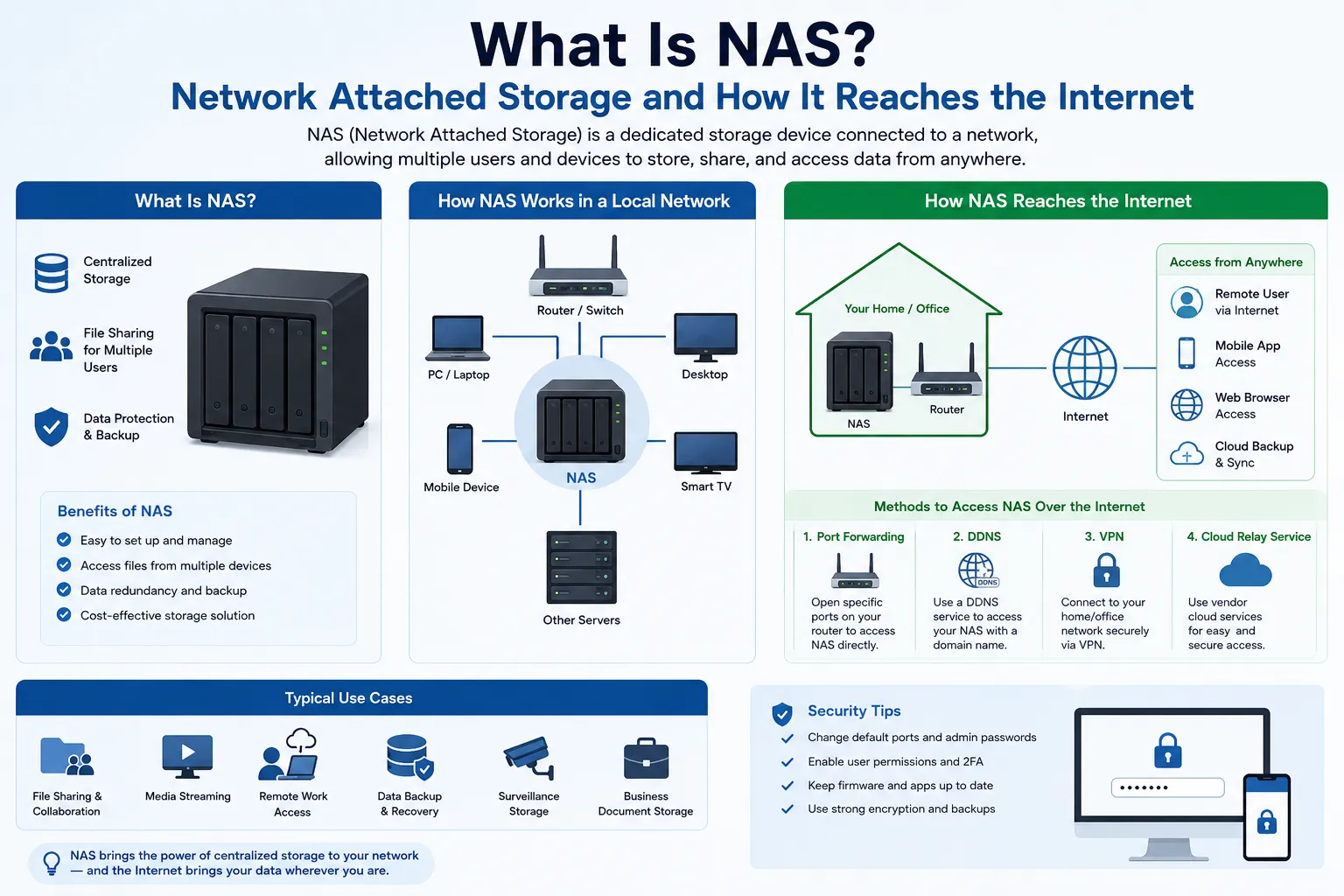
NAS stands for Network Attached Storage. It is a dedicated storage device that connects to a network and serves files Read more
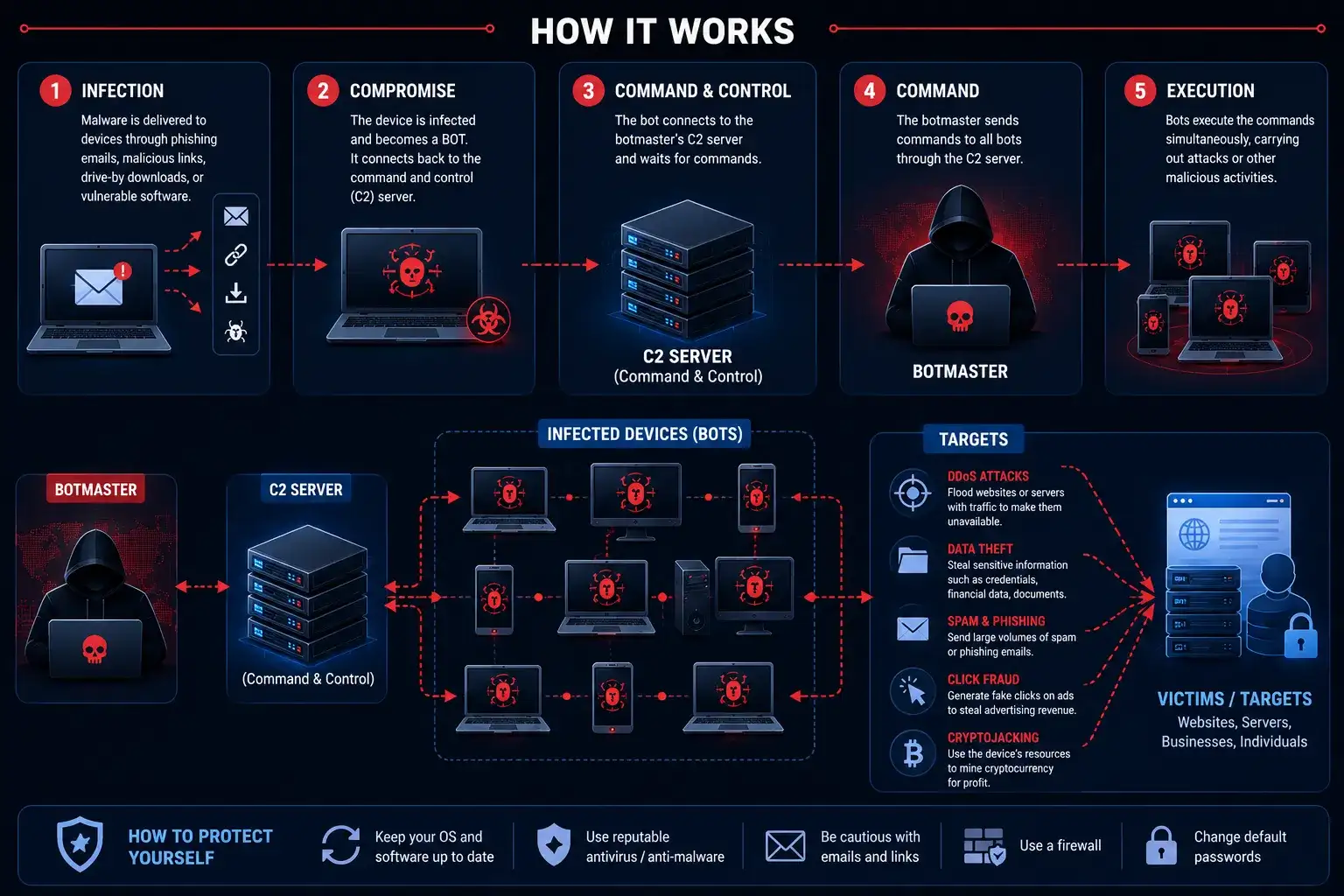
A botnet is a network of compromised computers or devices running malicious software that lets a single operator control them Read more
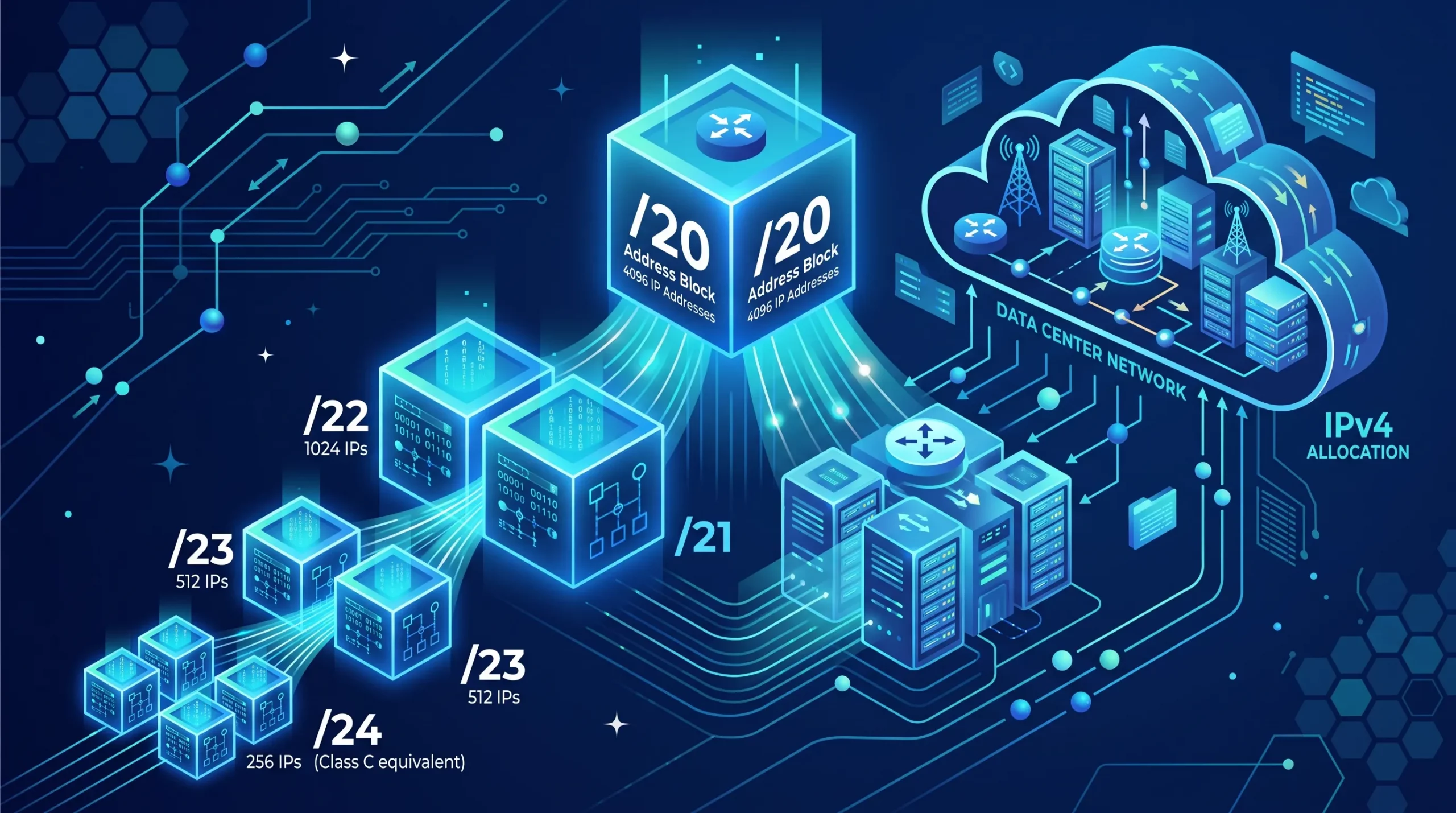
Most businesses should size IPv4 by starting at a /24 — the smallest block the global Internet will reliably route — and sizing up from there based on how many addresses their actual services consume, plus room for growth. A /24 provides 256 addresses; each step up roughly doubles that. The right size is the one that covers your real address usage and near-term growth without leaving you payingRead more
Transferring IPv4 address space from one organization to another involves more than agreeing on a prefix and a price. A Read more
NAS stands for Network Attached Storage. It is a dedicated storage device that connects to a network and serves files Read more
A botnet is a network of compromised computers or devices running malicious software that lets a single operator control them Read more
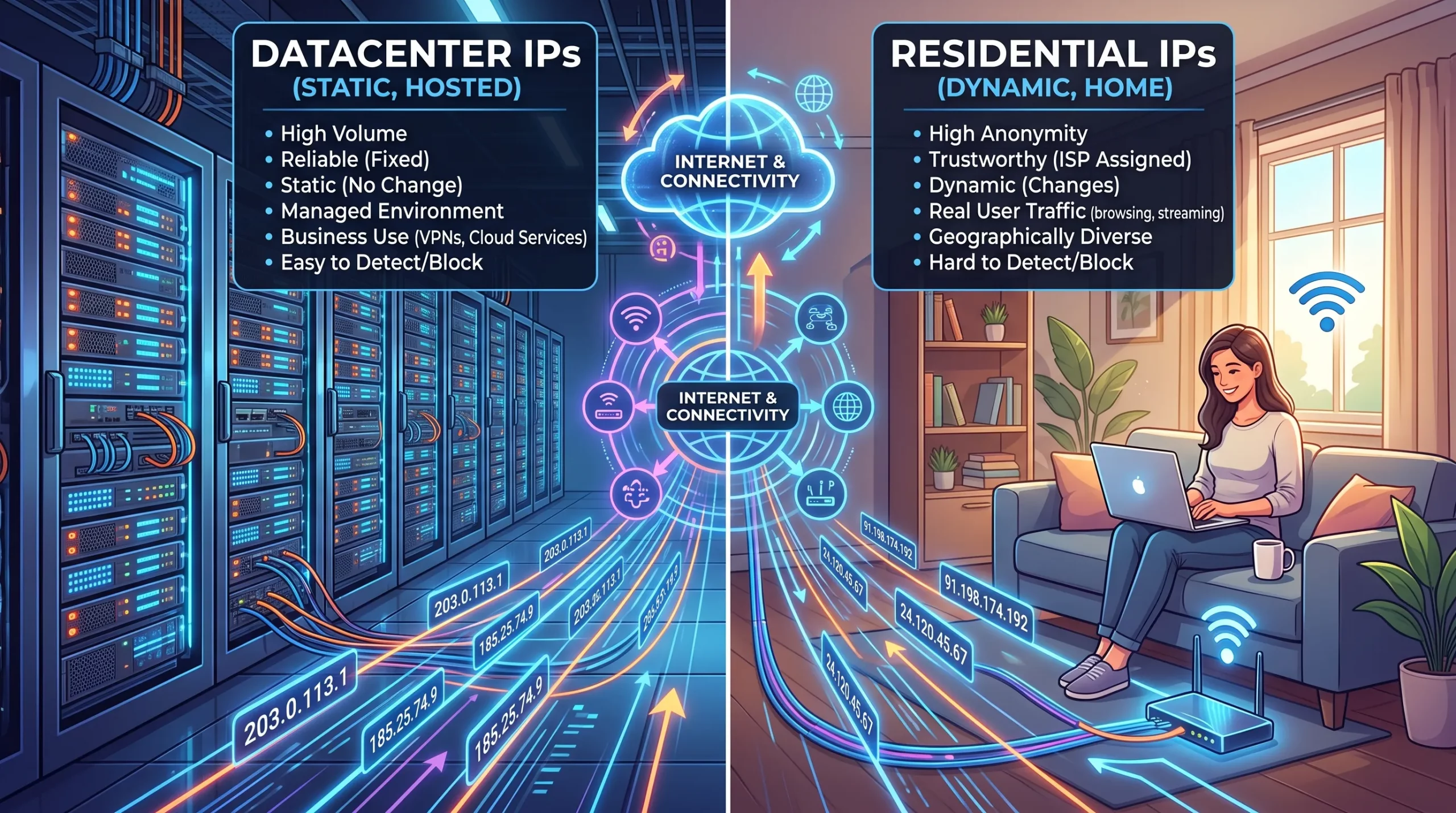
A datacenter IP address originates from a commercial data center, cloud provider, or hosting company, while a residential IP address is assigned by an Internet service provider to a home or business subscriber. The difference is origin: one comes from infrastructure built to run servers, the other from a connection built to serve an end user. That single distinction shapes how the rest of the Internet treats traffic fromRead more
Transferring IPv4 address space from one organization to another involves more than agreeing on a prefix and a price. A Read more
NAS stands for Network Attached Storage. It is a dedicated storage device that connects to a network and serves files Read more
A botnet is a network of compromised computers or devices running malicious software that lets a single operator control them Read more
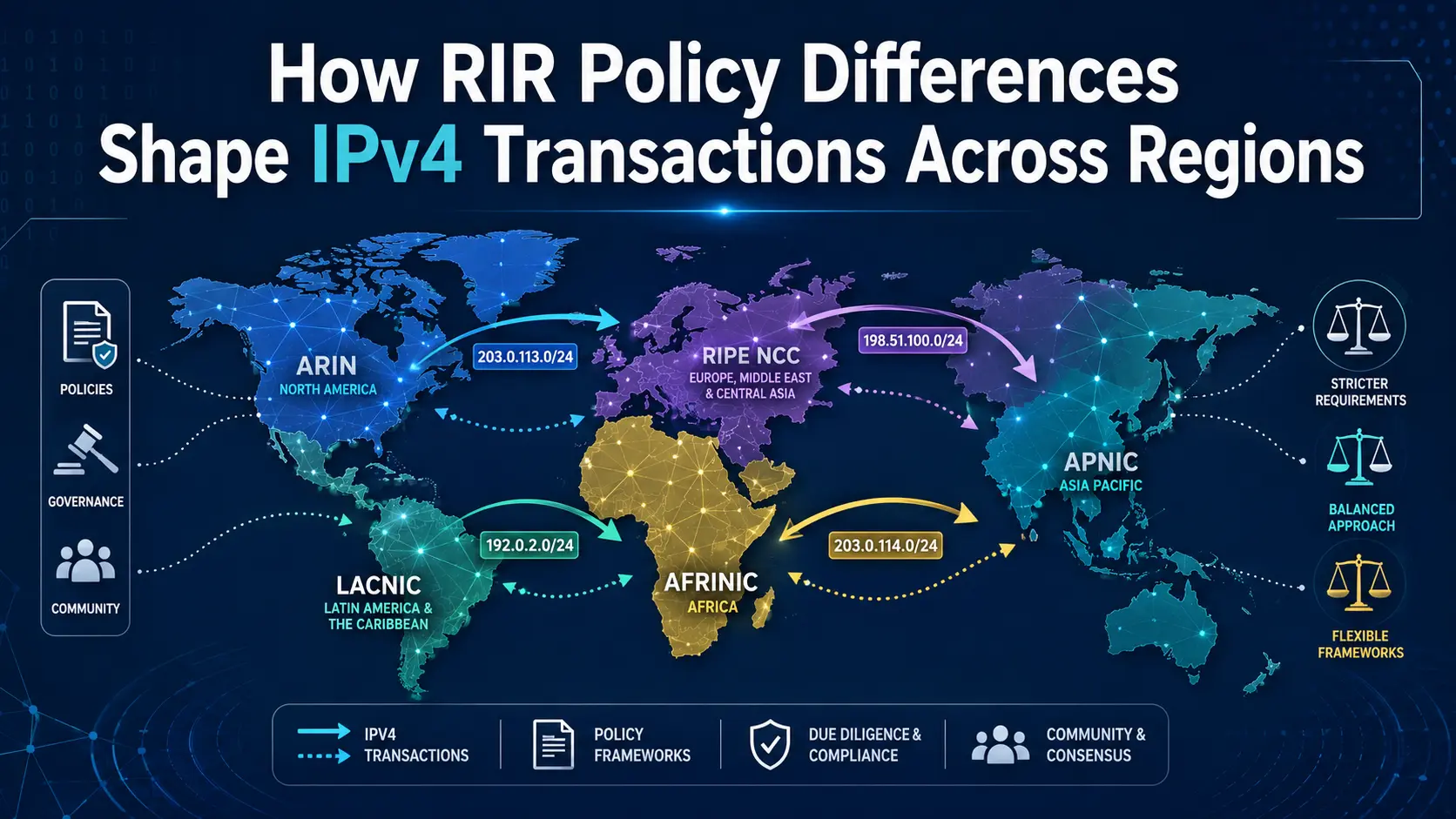
Two IPv4 blocks can have the same prefix size, similar market value, and equally willing buyers and sellers—yet require different transaction preparation. The reason is that an IPv4 transaction does not exist only at the commercial layer. The address block is also registered within a Regional Internet Registry framework, and the applicable policies can affect whether the resource is currently transferable, what the recipient must prepare, which records needRead more
Transferring IPv4 address space from one organization to another involves more than agreeing on a prefix and a price. A Read more
NAS stands for Network Attached Storage. It is a dedicated storage device that connects to a network and serves files Read more
A botnet is a network of compromised computers or devices running malicious software that lets a single operator control them Read more
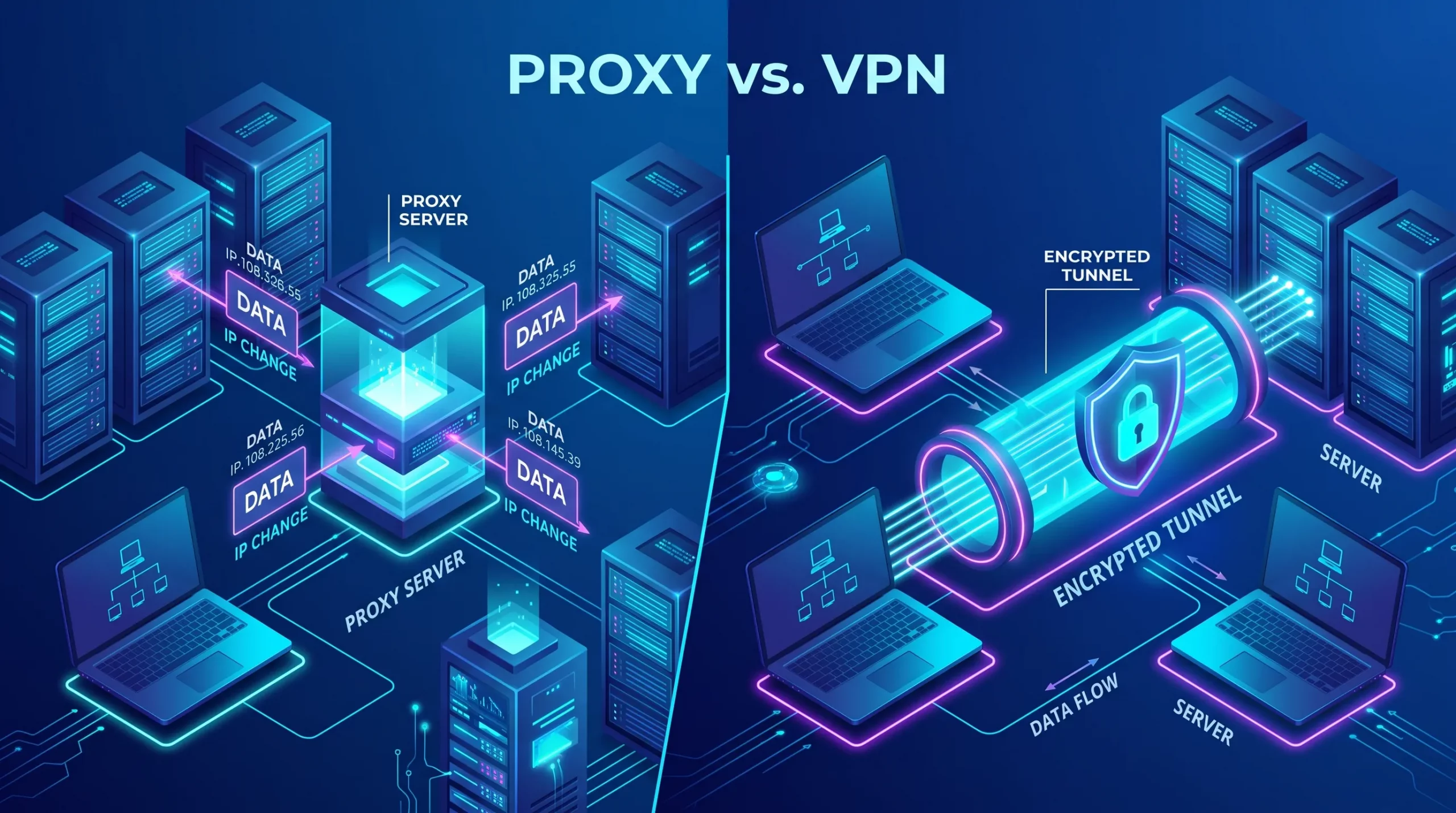
A proxy reroutes traffic for a specific application through an intermediary server, while a VPN routes and encrypts all of a device’s traffic through a secure tunnel. The short version: a proxy changes the apparent source of some of your traffic; a VPN changes and protects the source of all of it. That difference in scope and encryption is the core of the comparison, and it usually points clearlyRead more
Transferring IPv4 address space from one organization to another involves more than agreeing on a prefix and a price. A Read more
NAS stands for Network Attached Storage. It is a dedicated storage device that connects to a network and serves files Read more
A botnet is a network of compromised computers or devices running malicious software that lets a single operator control them Read more