Securing Your IP Network: Part 1
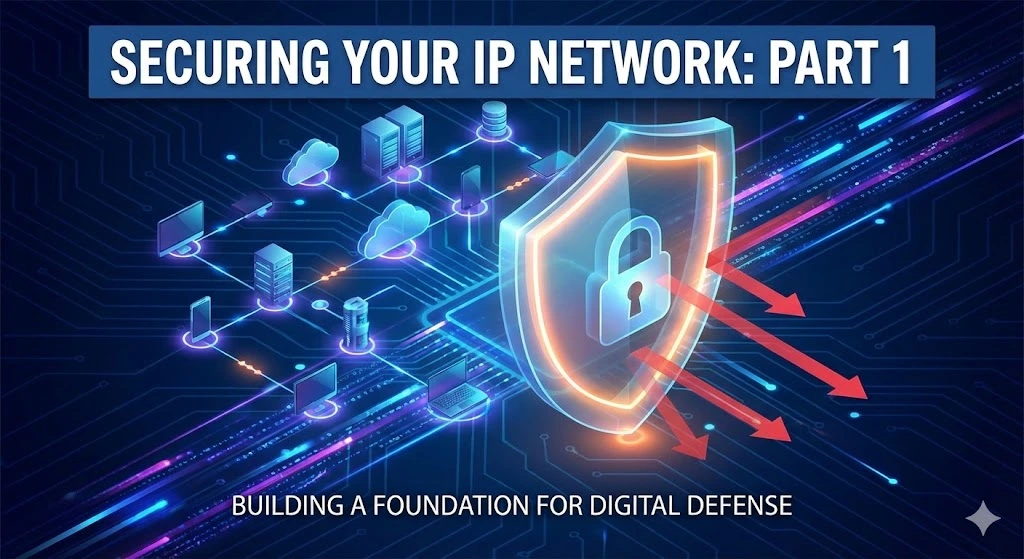
In this tech-driven world, keeping your IP network safe is like locking the doors to your digital house. It’s crucial for protecting your important stuff, keeping things running smoothly, and dodging online troublemakers. As businesses rely more on networks for everything from chats to storing files, beefing up security is vital. So, let’s dive into some simple ways to keep your IP network locked down and fend off those cybercriminals.
Table of Contents
ToggleWhy do we need to secure the IP network?
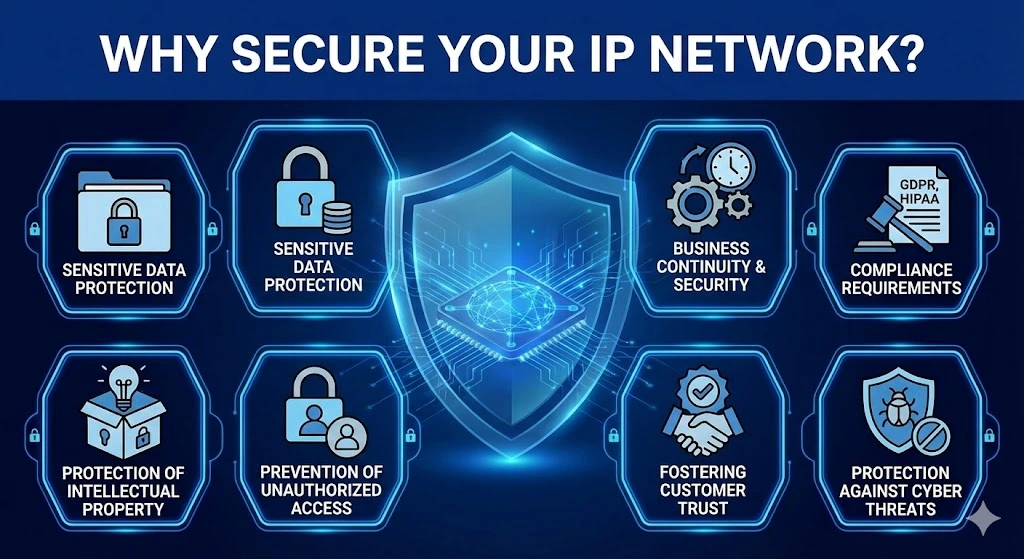
Securing an IP network is essential for most businesses. Here are the reasons:
Protection of Sensitive Data
IP networks often transmit sensitive information, such as personal data, financial records, and intellectual property. Securing the network helps prevent unauthorized access and data breaches, safeguarding sensitive information from theft or misuse.
Business Continuity & Security
A secure IP network ensures uninterrupted operations by mitigating the risk of cyber attacks, system compromises, and network outages. By implementing robust security measures, businesses can maintain continuity and prevent disruptions to critical services and operations.
Compliance Requirements
Many industries are subject to regulatory requirements and compliance standards governing data security and privacy. Securing the IP network helps organizations comply with regulatory mandates such as GDPR, HIPAA, PCI DSS, and others, avoiding penalties, legal liabilities, and reputational damage.
Protection Against Cyber Threats
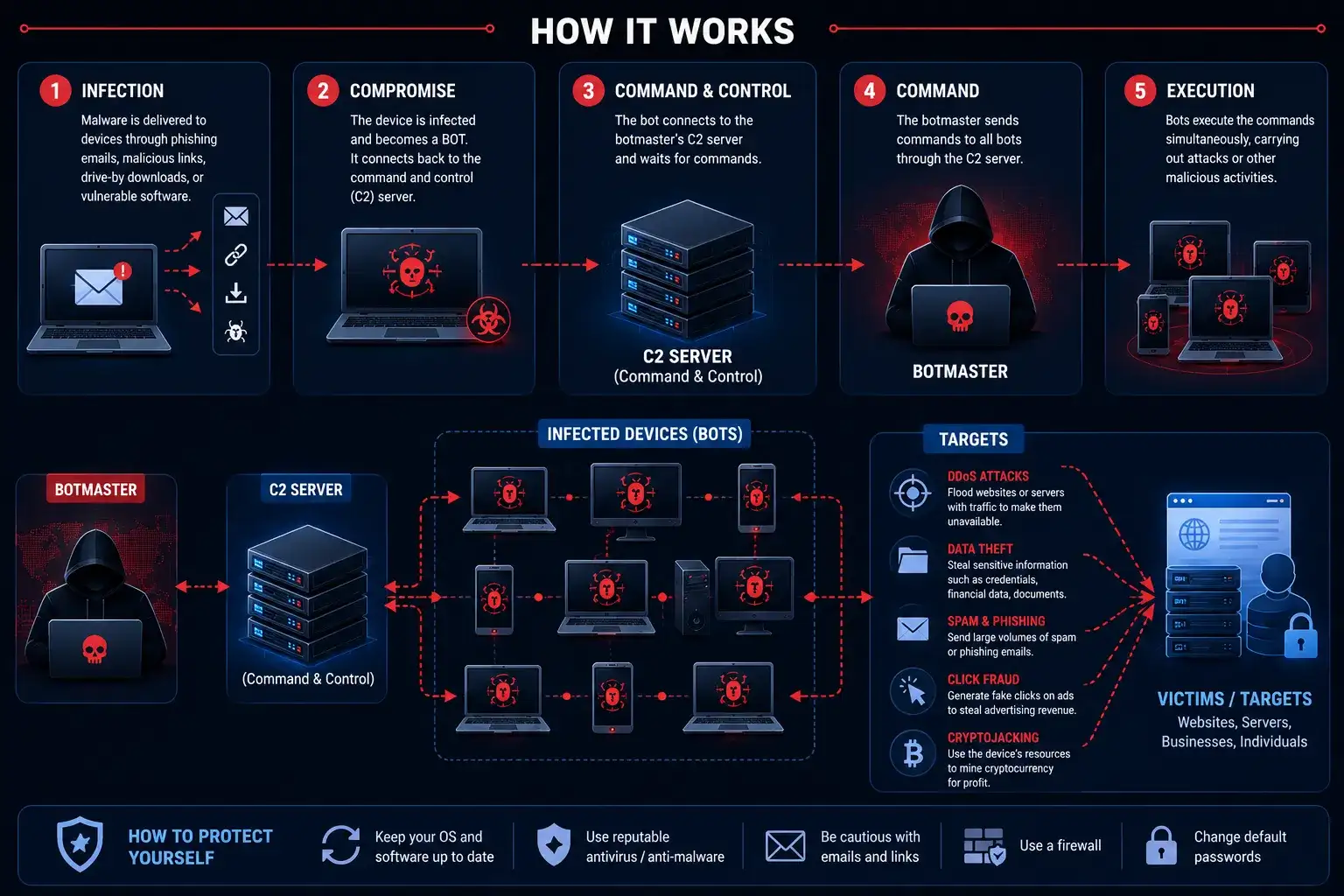
The Internet is rife with cyber threats such as malware, ransomware, phishing attacks, and DDoS (Distributed Denial of Service) attacks. Securing the IP network helps defend against these threats, reducing the risk of data loss, financial losses, and reputational harm.
Fostering Customer Trust
Maintaining a secure IP network builds trust and confidence among customers, partners, and stakeholders. By demonstrating a commitment to cybersecurity, businesses can reassure customers that their data is protected and their privacy is respected, enhancing customer loyalty and brand reputation.
Prevention of Unauthorized Access
Securing the IP network prevents unauthorized users from gaining access to network resources, systems, and data. Access controls, encryption, and authentication mechanisms help verify the identity of users and restrict access to authorized personnel only, reducing the risk of insider threats and unauthorized activities.
Protection of Intellectual Property
Intellectual property (IP) assets such as proprietary software, trade secrets, and confidential business information are valuable assets that require protection. Securing the IP network helps safeguard intellectual property from theft, espionage, and unauthorized disclosure, preserving competitive advantage and innovation.
Securing IP Address in a brief
Overall, securing an IP network is essential for protecting sensitive data, ensuring business continuity, complying with regulatory requirements, defending against cyber threats, building trust with customers, preventing unauthorized access, and safeguarding intellectual property. Investing in robust security measures helps organizations mitigate risks, strengthen their cybersecurity posture, and maintain a resilient and trustworthy network infrastructure.
Stay tuned for Part 2, where we’ll dive deeper into foolproof tips to secure your IP network! Don’t miss out!
Trusted IPv4 Leasing for Business Growth
Get enterprise-grade IPv4 space quickly, with seamless deployment and end-to-end management.
FAQs
The most common vulnerabilities include unpatched software, weak administrative passwords, open ports (like RDP or Telnet), and lack of encryption for data in transit. Regularly performing vulnerability scans and maintaining a strict update schedule are the first steps to closing these digital “doors.”
These regulations mandate that personal and health data must be protected against unauthorized access. A secure network uses Encryption (TLS/SSL) and Access Control Lists (ACLs) to ensure that only authorized personnel can access sensitive information, directly fulfilling the “Security of Processing” requirements of these laws.
While a standard firewall can stop some small attacks, modern DDoS (Distributed Denial of Service) attacks require specialized mitigation tools. These tools detect unusual traffic spikes and “scrub” the traffic to ensure only legitimate users reach your network, maintaining your business continuity even during an attack.
Buying IPv4 addresses outside proper IP Allocation channels exposes organisations to fraud, legal disputes, operational failures and long-term governance risks.Key Read more
Facing IPv4 shortages, companies must weigh cost, speed, and network growth when choosing a lease plan.Short-term leasing lets you scale Read more
IPv4 地址曾经只是互联网运行所需的基础资源。但在今天,它越来越像一种具有市场价格、可交易、可租赁的数字资产。造成这一变化的原因并不复杂:IPv4 的总量有限,而全球互联网对 IPv4 的需求并没有消失;与此同时,IPv6 虽然早已出现,但迁移进度依然缓慢。这三股力量叠加,正在重新塑造运营商对 IP 地址的看法,也改变了互联网基础设施的经济逻辑。原文将这点概括为“有限供给、持续需求与缓慢转型”,并指出这正在推动 IP 地址成为影响全球电信经济的可交易资产。 IPv4 稀缺并不是新问题 全球互联网至今仍大量依赖 IPv4。这个协议诞生于更早的时代,只能提供大约 43 亿个地址。这个数量在互联网初期似乎足够庞大,但在今天已经明显不够。原文指出,IANA 在 2011 年就已将最后一批大型 IPv4 Read more