The Internet’s Governing Body | Role of ICANN
Understanding ICANN: The Internet's Governing Body
Table of Contents
ToggleThe Internet Corporation for Assigned Names and Numbers (ICANN) is a digital organization responsible for coordinating and managing the Internet’s unique identifiers, including domain names and IP addresses.
Established in 1998 as a non-profit, ICANN plays a central role in ensuring the stability and security of the Internet by maintaining a globally unified system for naming and numbering protocols that allow Internet users worldwide to connect seamlessly.
ICANN is headquartered in Los Angeles, California, and operates under a multi-stakeholder model. It draws input from governments, private sector entities, technical experts, and civil society to guide its decisions and policy-making.
ICANN’s Role in Domain Names and IP Addresses
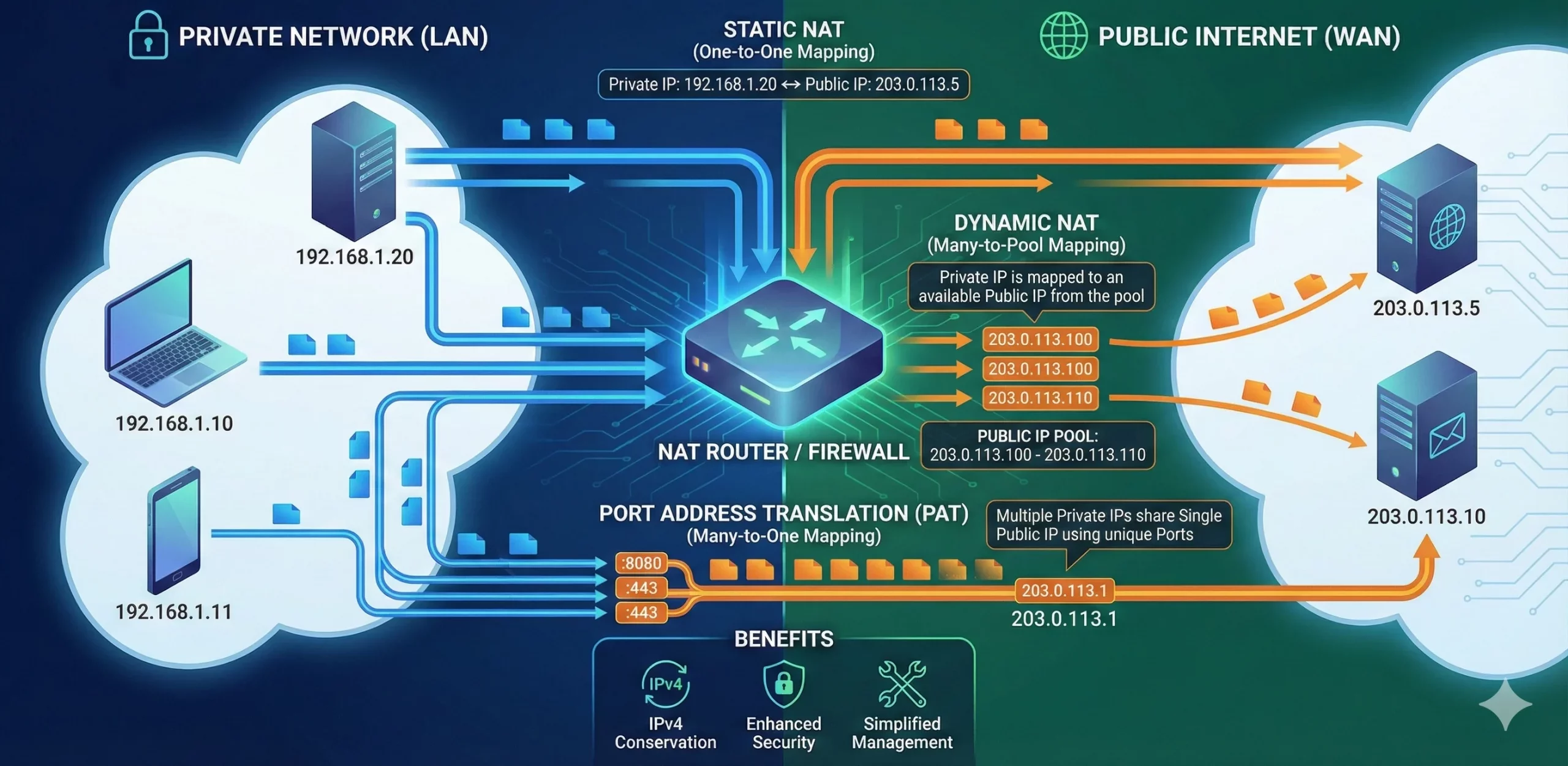
ICANN’s main responsibility lies in the management of the Domain Name System (DNS), which translates user-friendly domain names, like “example.com,” into IP addresses that computers use to communicate. By overseeing the distribution of top-level domains (TLDs) such as .com, .org, and .net, as well as country-code top-level domains (ccTLDs) like.us and. uk, ICANN ensures a standardized structure for web addresses globally.
ICANN also collaborates with regional internet registries (RIRs) to allocate IP address blocks to regions and providers, maintaining a structured and secure system that supports the internet’s connectivity.
Impact on Global Internet Governance
ICANN’s governance extends beyond technical management, impacting privacy, cybersecurity, and freedom of information worldwide. ICANN’s policies, such as those around the WHOIS database—which stores the contact information of domain owners—affect how domain ownership data is managed and accessed. The organization’s multi-stakeholder model empowers a diverse group of contributors to shape these policies, impacting how countries, businesses, and individuals use the Internet.
How ICANN Impacts Users and the Future of the Internet
The decisions ICANN makes have real-world implications for the security, accessibility, and growth of the Internet. For instance, its initiatives to enhance DNS security protocols, like DNSSEC (Domain Name System Security Extensions), help protect against threats such as phishing and DNS spoofing. As the demand for Internet resources grows with increased global connectivity, ICANN’s role is increasingly important to manage resources efficiently and foster a stable digital ecosystem.
Why ICANN Matters
For businesses, ICANN’s management of domains and IP addresses supports reliable and accessible web presence. For everyday users, ICANN’s commitment to open, secure internet access maintains a level of trust and consistency online. Looking forward, ICANN’s role in developing new policies, handling security challenges, and expanding domain options means it will remain pivotal in shaping the internet’s future.
ICANN stands as a critical force in Internet governance, balancing the technical and regulatory needs of a global online community and ensuring that the Internet remains an open and inclusive space for all.
Trusted IPv4 Leasing for Business Growth
Get enterprise-grade IPv4 space quickly, with seamless deployment and end-to-end management.
Buying IPv4 addresses outside proper IP Allocation channels exposes organisations to fraud, legal disputes, operational failures and long-term governance risks.Key Read more
Facing IPv4 shortages, companies must weigh cost, speed, and network growth when choosing a lease plan.Short-term leasing lets you scale Read more
IPv4 地址曾经只是互联网运行所需的基础资源。但在今天,它越来越像一种具有市场价格、可交易、可租赁的数字资产。造成这一变化的原因并不复杂:IPv4 的总量有限,而全球互联网对 IPv4 的需求并没有消失;与此同时,IPv6 虽然早已出现,但迁移进度依然缓慢。这三股力量叠加,正在重新塑造运营商对 IP 地址的看法,也改变了互联网基础设施的经济逻辑。原文将这点概括为“有限供给、持续需求与缓慢转型”,并指出这正在推动 IP 地址成为影响全球电信经济的可交易资产。 IPv4 稀缺并不是新问题 全球互联网至今仍大量依赖 IPv4。这个协议诞生于更早的时代,只能提供大约 43 亿个地址。这个数量在互联网初期似乎足够庞大,但在今天已经明显不够。原文指出,IANA 在 2011 年就已将最后一批大型 IPv4 Read more