Difference between DOS and DDOS attacks
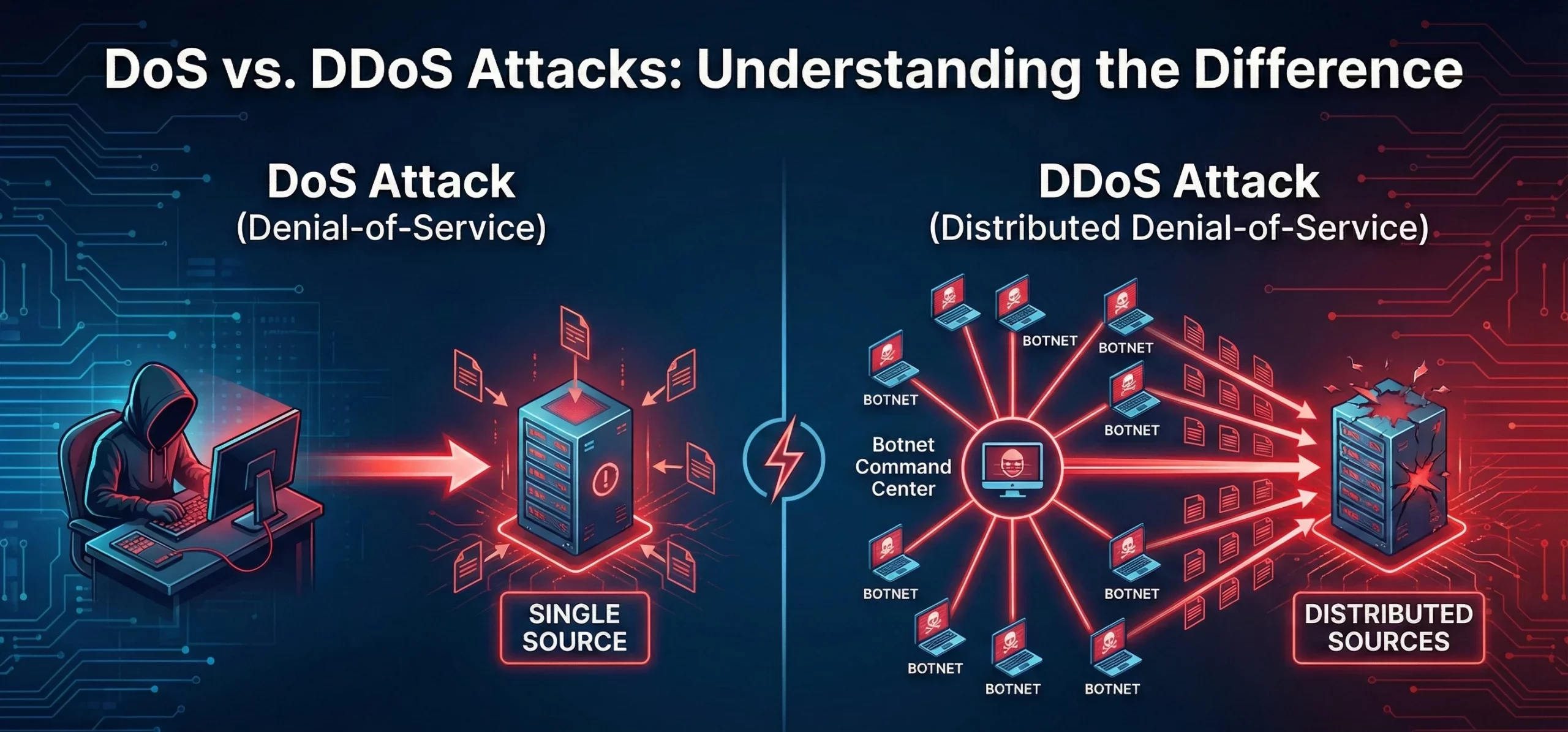
What Are DoS and DDoS Attacks?
A Denial of Service (DoS) attack attempts to make a machine, network, or service unavailable to users by overwhelming traffic or requests. It typically originates from a single source.
Table of Contents
Toggle
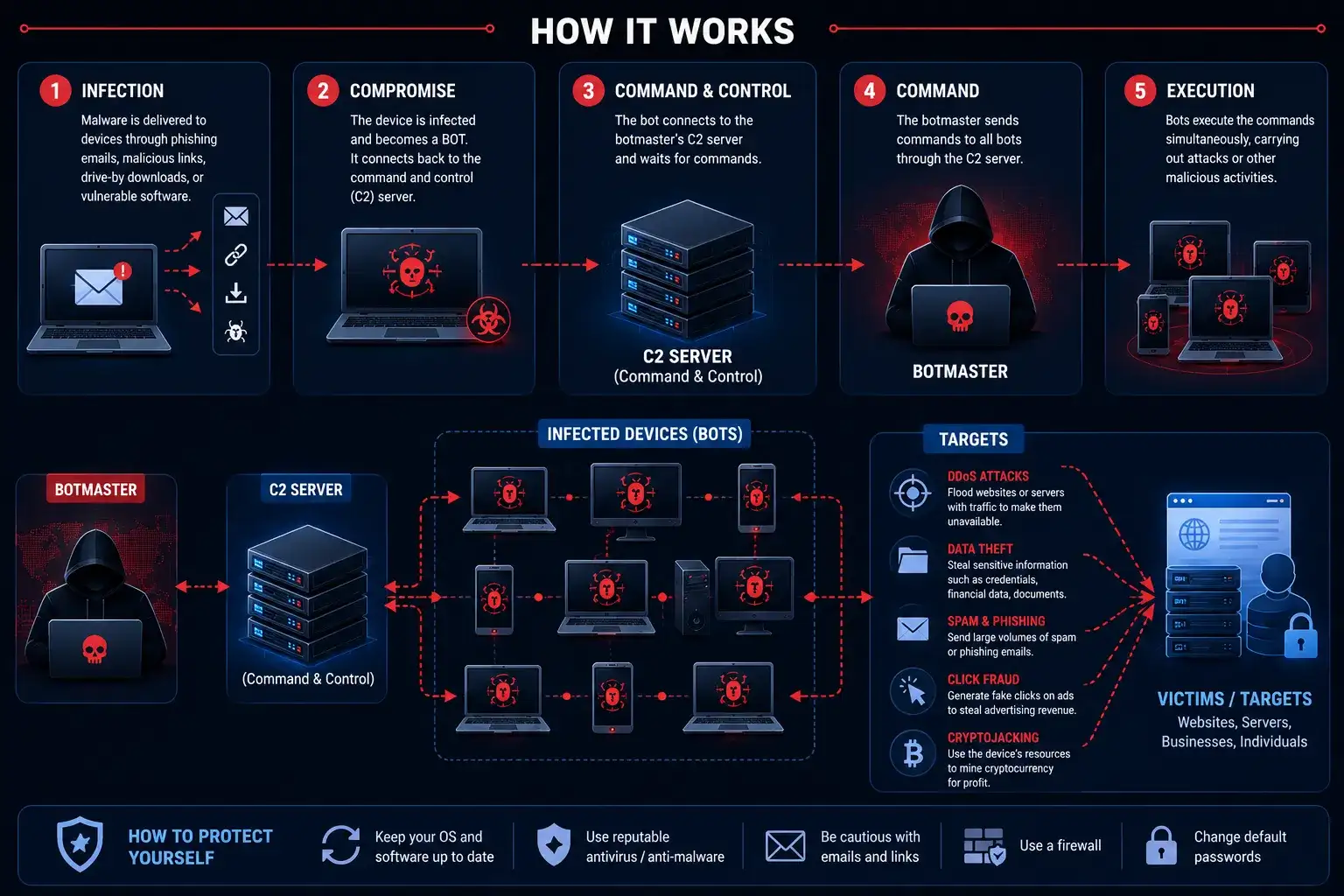
A Distributed Denial of Service (DDoS) attack is similar in intent but involves multiple systems (often a botnet) targeting the victim simultaneously, making it harder to block or trace.
Key Characteristics of DoS & DDoS Attacks
DoS Attack
- Single source of traffic.
- Easier to mitigate due to identifiable origins.
- Lower scale and complexity compared to DDoS.
DDoS Attack
- Distributed across multiple compromised systems.
- Overwhelming scale and sophistication.
- Harder to block due to diverse traffic sources.
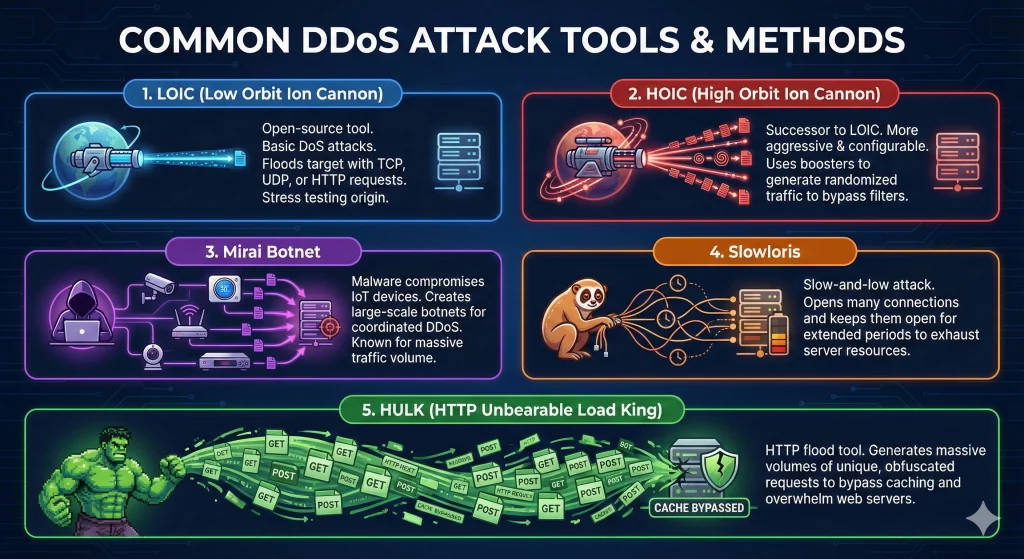
Commonly Used DoS/DDoS Attack Tools
1. Low Orbit Ion Cannon (LOIC): Open-source tool used for basic DoS attacks.
2. HOIC (High Orbit Ion Cannon): Successor of LOIC, with a more aggressive and configurable attack mechanism.
3. Mirai Botnet: A malware that compromises IoT devices to launch large-scale DDoS attacks.
4. Slowloris: A tool that keeps connections open for extended periods, exhausting server resources.
5. HTTP Unbearable Load King (HULK): Generates large volumes of unique requests to overwhelm servers.
How Can I Defend Against DoS/DDoS Tools?
1. Invest in a Content Delivery Network (CDN): CDNs like Cloudflare or Akamai distribute traffic across multiple servers, mitigating attacks.
2. Use DDoS Protection Services: Services like AWS Shield and Arbor Networks detect and mitigate large-scale attacks.
3. Configure Firewalls and Rate Limits: Implement firewall rules to detect unusual traffic and rate-limiting to restrict requests from a single IP.
4. Regularly Update Systems: Keep software and systems patched to avoid vulnerabilities that attackers exploit.
5. Monitor Traffic Patterns: Use tools like Nagios or Zabbix to detect anomalies in traffic patterns early.
6. Implement Advanced Security Features: Deploy Web Application Firewalls (WAF) and Intrusion Prevention Systems (IPS) to filter malicious traffic.
DoS and DDoS Final Thought
DoS and DDoS attacks might sound like technical jargon, but understanding them is key to protecting your online world. These cyberthreats can disrupt businesses and services in a big way, but with the right tools and proactive measures, they can be managed effectively. Staying informed and prepared ensures that your digital life remains secure and running smoothly.
Trusted IPv4 Leasing for Business Growth
Get enterprise-grade IPv4 space quickly, with seamless deployment and end-to-end management.
Buying IPv4 addresses outside proper IP Allocation channels exposes organisations to fraud, legal disputes, operational failures and long-term governance risks.Key Read more
Facing IPv4 shortages, companies must weigh cost, speed, and network growth when choosing a lease plan.Short-term leasing lets you scale Read more
IPv4 地址曾经只是互联网运行所需的基础资源。但在今天,它越来越像一种具有市场价格、可交易、可租赁的数字资产。造成这一变化的原因并不复杂:IPv4 的总量有限,而全球互联网对 IPv4 的需求并没有消失;与此同时,IPv6 虽然早已出现,但迁移进度依然缓慢。这三股力量叠加,正在重新塑造运营商对 IP 地址的看法,也改变了互联网基础设施的经济逻辑。原文将这点概括为“有限供给、持续需求与缓慢转型”,并指出这正在推动 IP 地址成为影响全球电信经济的可交易资产。 IPv4 稀缺并不是新问题 全球互联网至今仍大量依赖 IPv4。这个协议诞生于更早的时代,只能提供大约 43 亿个地址。这个数量在互联网初期似乎足够庞大,但在今天已经明显不够。原文指出,IANA 在 2011 年就已将最后一批大型 IPv4 Read more