Your IPv4 Looks Stable — Until the Provider Chain Breaks Through Double Extraction
Your IPv4 Looks Stable — Until the Provider Chain BREAKS
Your IPv4 addresses may look stable today. Your servers are online. Your customers can connect. Your applications are running. Your team may assume everything is fine because nothing has failed yet.
Table of Contents
ToggleBut IPv4 risk often hides behind the surface. The address may work, but the provider chain behind it may be weak. The source may be unclear. The renewal path may be uncertain. The routing support may depend on another party. The registry relationship may sit somewhere upstream. The contract may look simple, but the operational dependency may be much larger than your team realizes.
That is the danger. IPv4 does not usually warn you before it becomes a business problem. It works — until the day it does not.
The Risk You Cannot See
Most businesses check whether an IPv4 address works. Fewer businesses check how safe the address is.
That difference matters. An IPv4 address can be routable today but still carry hidden risk. It may come from a provider that does not control the address directly. It may depend on another upstream party. It may have unclear renewal terms. It may have reputation issues. It may be tied to registry processes that your business does not understand until something goes wrong.
The result is a false sense of security. Your infrastructure appears stable, but your business may actually be depending on a fragile chain of permissions, contracts, routing arrangements, and third-party decisions.
In IPv4, the biggest risk is not always visible in the dashboard. It is often hidden in the chain behind the address.
Why Provider-Chain Risk Matters
IPv4 is no longer just a technical label. It supports hosting, cloud workloads, VPN services, SaaS platforms, telecom systems, email delivery, cybersecurity tools, customer access, and revenue-generating infrastructure.
When your business depends on IPv4, you are not only depending on a number. You are depending on continued recognition, stable routing, clean reputation, proper documentation, and a provider that can support the address space when pressure appears.
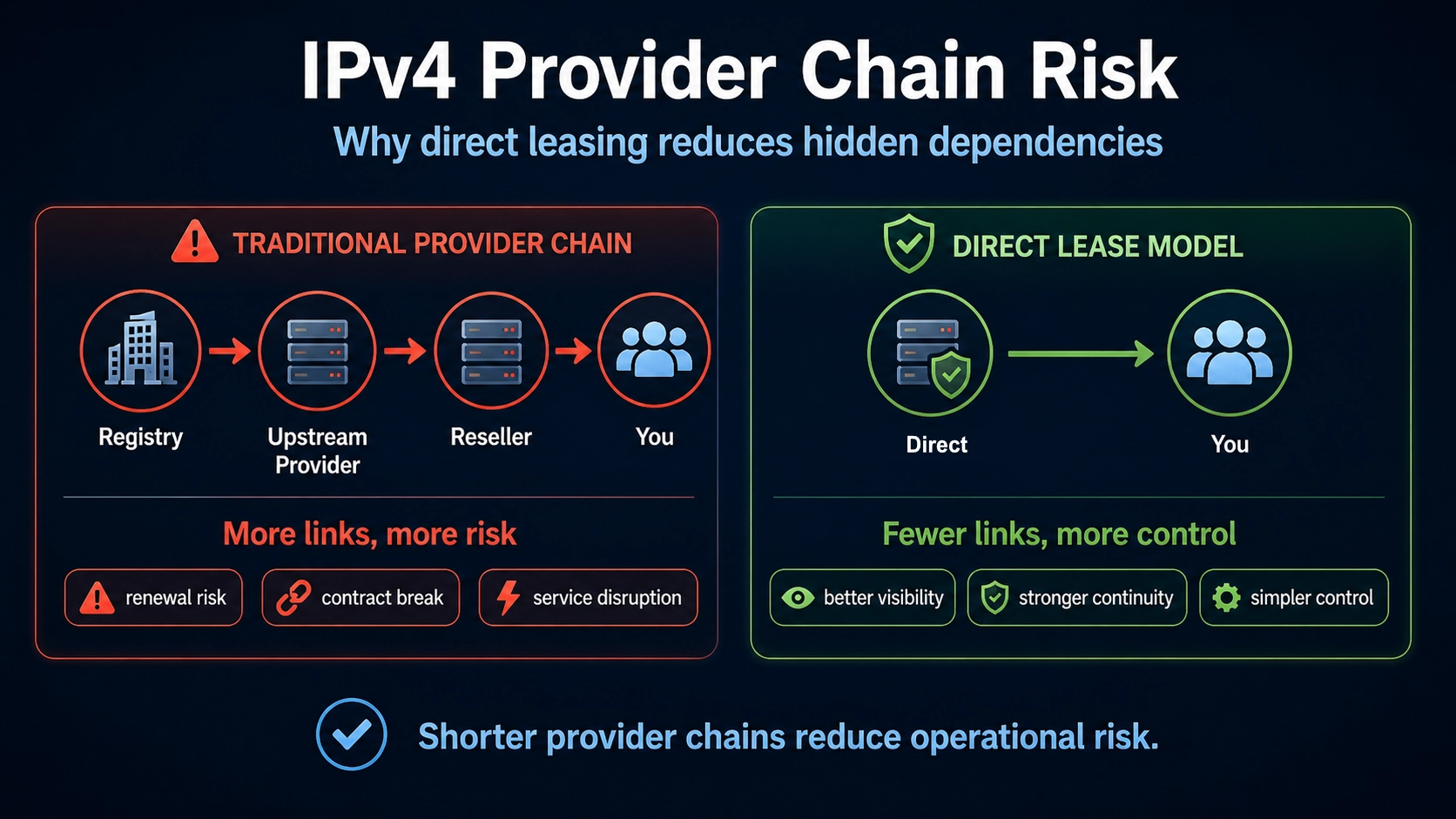
If your IPv4 provider is only a broker, reseller, or temporary middle layer, your business may not know who actually controls the resource. When everything works, that may seem acceptable. When something breaks, the difference becomes painful.
Who can renew the arrangement? Who can solve a routing problem? Who can answer registry-related questions? Who is responsible if the source changes terms? Who protects your business if the upstream chain fails?
If the answer is unclear, your IPv4 strategy is not stable. It is only quiet.
Provider-Chain Risk and Double Extraction
Provider-chain risk can create a practical form of Double Extraction. The business pays for IPv4 access, but still carries the real downside when the provider structure fails.
In a weak IPv4 sourcing chain, the customer may pay the monthly fee, deploy servers, configure applications, onboard customers, and build operations around the address block. But if renewal fails, routing support is delayed, documentation is incomplete, or the upstream source changes position, the customer is the one forced to absorb the disruption.
The visible cost is the IPv4 price. The hidden cost is the risk transferred back to the business. That risk may appear as emergency migration, delayed deployment, customer complaints, reputation damage, engineering workload, or lost confidence in the service.
This is why a cheap IPv4 offer can be misleading. The address may work today, but if the provider does not control the source, cannot support routing, or cannot explain the renewal path, the customer may be paying for access while also carrying the provider chain’s weakness.
When live infrastructure is already running on those addresses, the problem can also become a form of Running-Code Betrayal. The network is operating, customers are connected, and services are active, but a weak administrative or provider structure can still place that running network under pressure.
When IPv4 Failure Becomes Business Failure
Imagine your business is preparing for growth. A new platform is ready. A hosting cluster is prepared. A customer migration is scheduled. A campaign is about to launch. Your engineers assume the IPv4 supply is already solved.
Then the provider chain breaks.
The IP block cannot be renewed. Routing support is delayed. The upstream party becomes unreachable. The address space has a reputation issue. Documentation is incomplete. The registry process takes longer than expected. Your team suddenly has to replace critical IPv4 resources under pressure.
At that moment, the cost is no longer only the price of IPv4. The cost becomes downtime risk, delayed deployment, lost customer confidence, emergency sourcing, engineering hours, and management stress.
For some businesses, IPv4 failure can affect more than one system. It can affect sales, onboarding, service delivery, support workload, compliance expectations, and brand trust.
The frightening part is simple: your business may only discover the weakness after it has already become dependent on the address space.
CHEAP IPv4 Can Hide Expensive Risk
A cheap IPv4 offer may look attractive at first. It may reduce short-term cost. It may help a project launch quickly. It may seem good enough because the addresses are working today.
But cheap IPv4 can become expensive when the provider chain is weak.
- The source of the address space may be unclear.
- The provider may not directly control the resource.
- The renewal path may depend on another party.
- The IP block may have hidden reputation problems.
- Routing support may be slow or incomplete.
- Documentation may not be ready when needed.
- There may be no clear escalation path during a crisis.
This is why the cheapest IPv4 option is not always the safest. In a business-critical environment, the real question is not only “How much does it cost?” The real question is “What happens if this chain breaks?”
If your provider cannot answer that question clearly, your business may be carrying risk that does not appear on the invoice.
Why i.lease Helps Before the Break
i.lease helps businesses approach IPv4 access as a structured decision instead of a last-minute emergency. In a market where IPv4 can be leased, bought, sold, transferred, routed, and reputation-checked, businesses need more than a simple quote. They need a clearer path to compare options and plan their IPv4 strategy before disruption happens.
For companies that need flexible access, IPv4 leasing can support deployment without forcing every business into immediate ownership. For organisations that need long-term control, buying IPv4 addresses through a structured process can help reduce sourcing uncertainty. For holders of unused address space, selling IPv4 addresses can turn idle IPv4 resources into business value.
The goal is not only to find IPv4. The goal is to avoid entering a weak provider chain without realizing it.
A better IPv4 decision should consider supply, documentation, routing readiness, reputation, usage needs, timing, and business continuity. Waiting until the provider chain breaks gives your business fewer choices and weaker negotiating power.
If your business depends on IPv4, do not wait until your provider becomes the problem. Plan your IPv4 access before the risk reaches your network.
Further Reading
Frequently Asked Questions (FAQs)
IPv4 provider-chain risk refers to the hidden dependency behind an IPv4 address. A business may lease or buy IPv4 from one provider, but the address space may depend on upstream parties, registry processes, routing support, renewal terms, or reputation history that are not immediately visible.
It is dangerous because the business may only discover the weakness after it depends on the address space. If renewal, routing, documentation, or reputation problems appear later, the company may face downtime risk, urgent replacement costs, delayed deployment, and customer disruption.
Buying IPv4 may provide longer-term control, but it does not automatically remove all risk. Registry processes, transfer documentation, routing readiness, reputation history, and ongoing management still matter. Ownership alone does not replace proper structure.
i.lease provides a structured marketplace approach for IPv4 leasing, buying, and selling. This helps businesses compare options, plan access, and avoid relying on unclear or rushed sourcing when IPv4 becomes urgent.
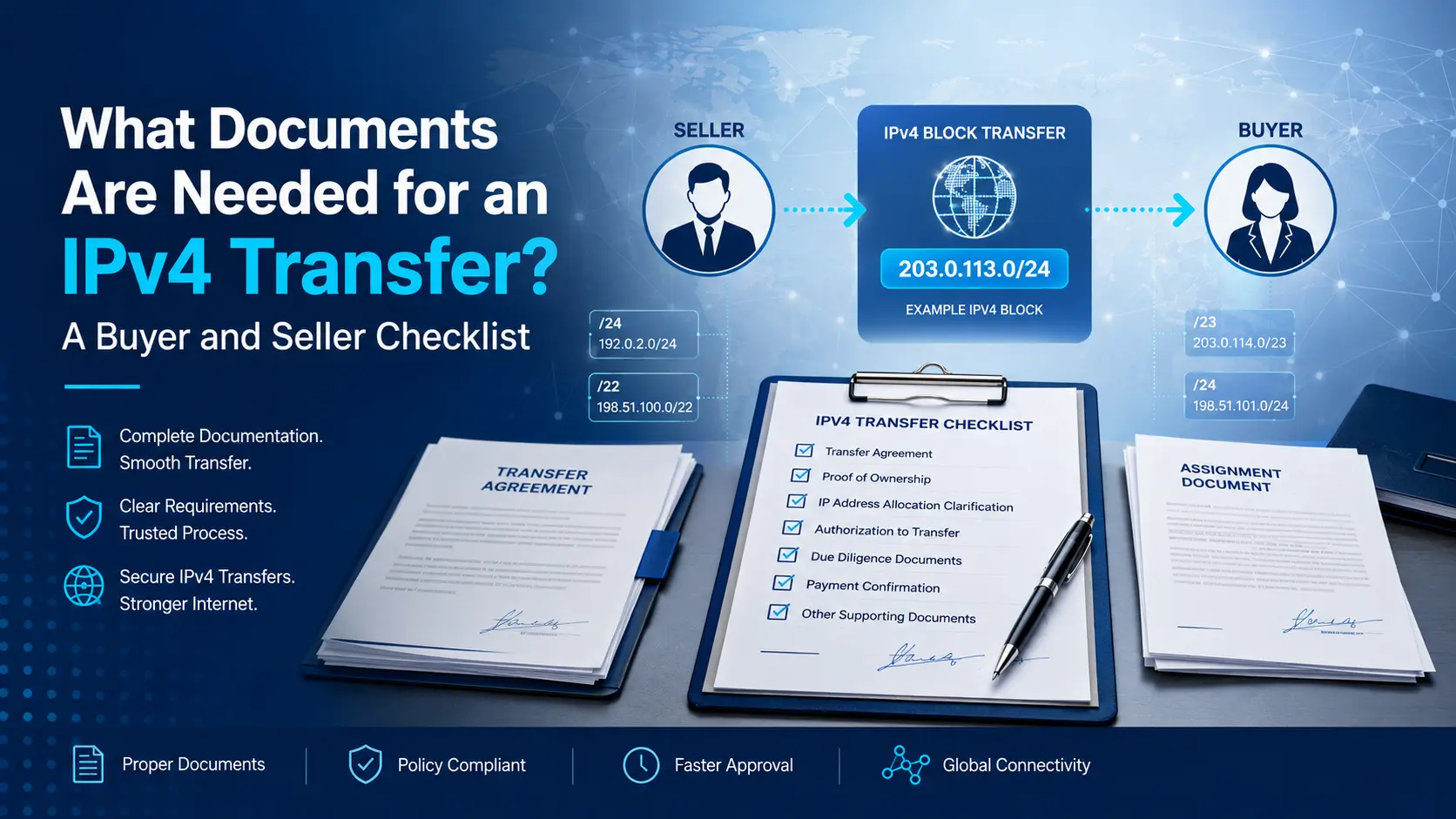
Transferring IPv4 address space from one organization to another involves more than agreeing on a prefix and a price. A Read more
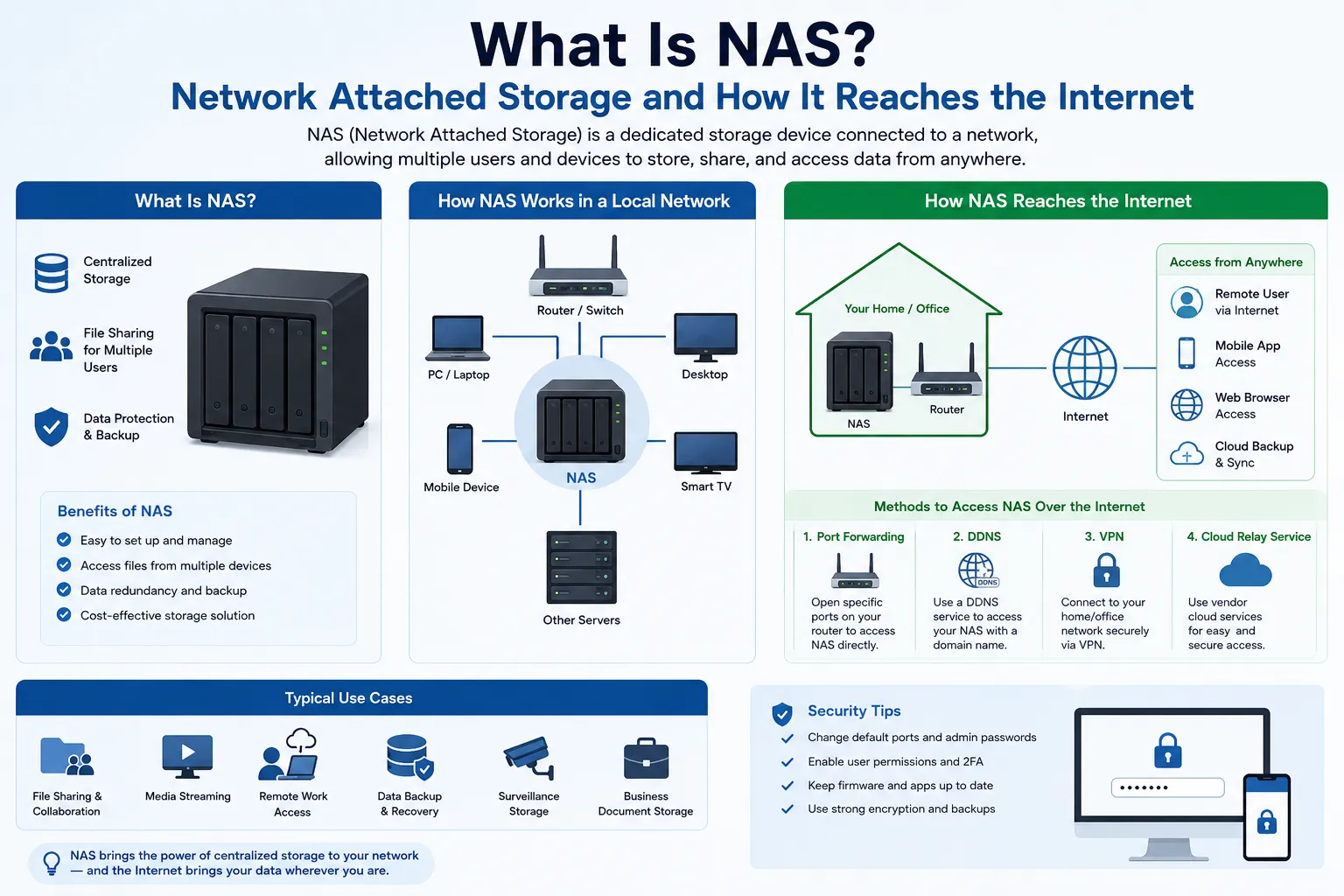
NAS stands for Network Attached Storage. It is a dedicated storage device that connects to a network and serves files Read more
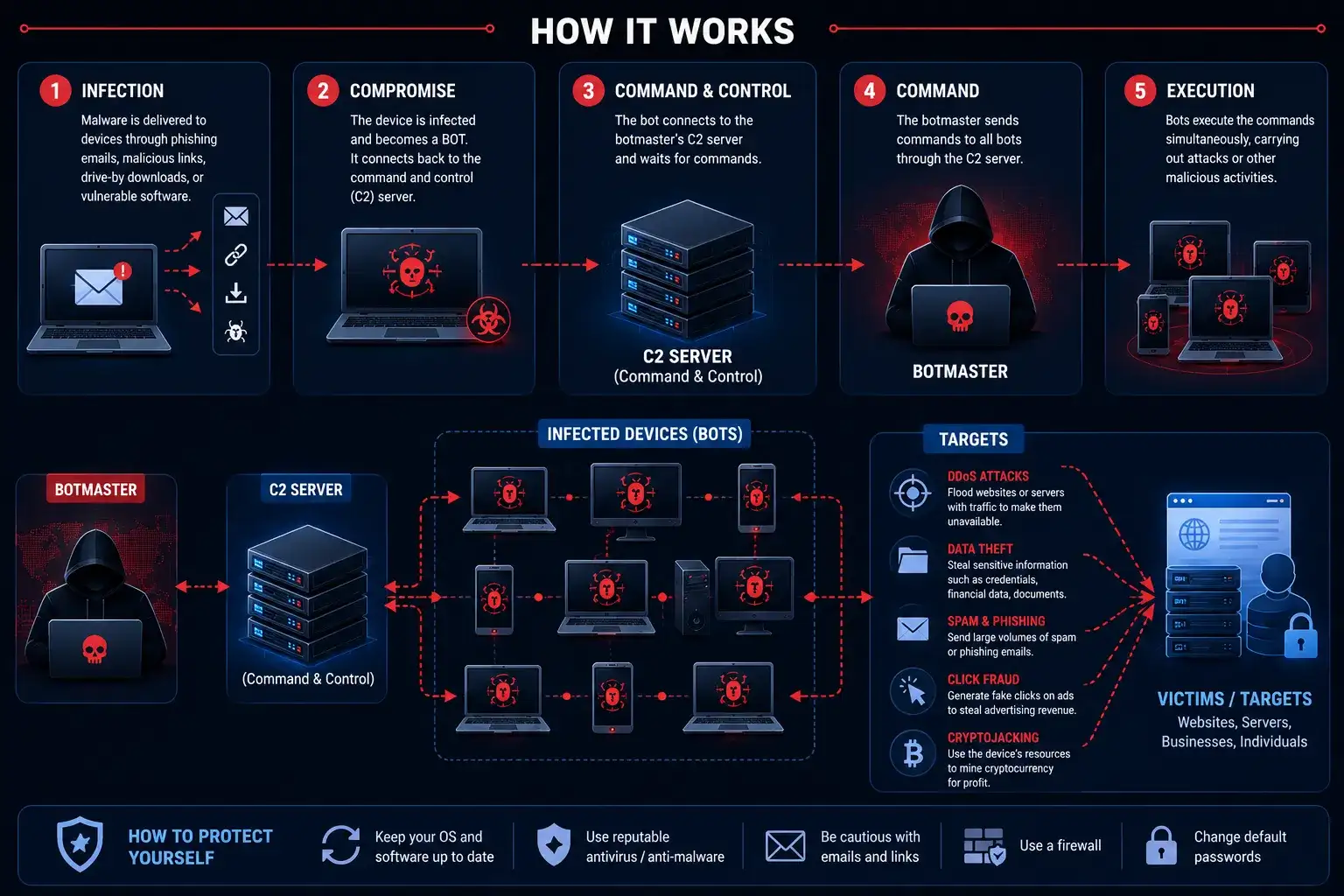
A botnet is a network of compromised computers or devices running malicious software that lets a single operator control them Read more