IPv4 leasing vs purchasing: structural risk in the IPv4 address market
The IPv4 address market is no longer a simple question of price.
Table of Contents
ToggleA business can lease IPv4 addresses.
A business can purchase IPv4 addresses.
A business can use both strategies at different stages of growth.
But the real question is not only whether IPv4 leasing is cheaper than purchasing, or whether buying IPv4 gives stronger long-term control.
The deeper question is structural:
Which IPv4 access model gives the business the right balance of cost, control, continuity, routing confidence, and operational risk?
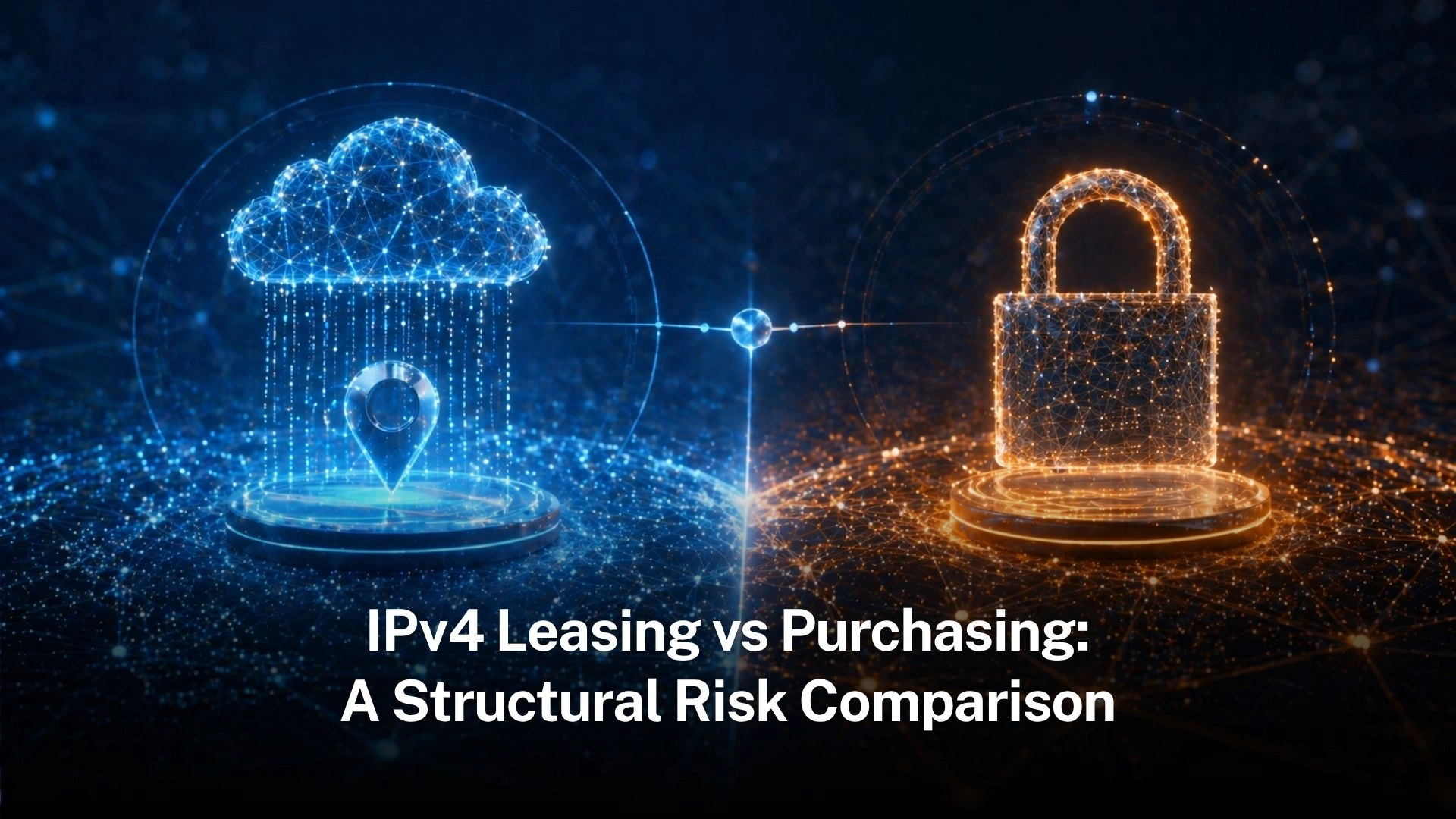
In today’s IPv4 address market, leasing and purchasing are not just financial choices. They are different risk structures. Leasing may reduce upfront cost and improve flexibility, but it can expose the business to renewal, provider-chain, and routing-support risk. Purchasing may provide stronger long-term control, but it can expose the business to registry, transfer, reputation, liquidity, and documentation risk.
This is why businesses should not compare IPv4 leasing vs purchasing only by monthly fee or purchase price. They should compare the full structure behind the address space.
What IPv4 Leasing vs Purchasing Really Means
IPv4 leasing means using IPv4 address space for a defined period through a recurring fee. The business does not buy the address block permanently. Instead, it gains access to IPv4 capacity for hosting, cloud, VPN, SaaS, ISP, telecom, security, email, or other internet-facing services.
IPv4 purchasing means acquiring IPv4 address space through a transfer or purchase process. The business commits capital upfront in exchange for stronger long-term control over the address block, subject to registry, transfer, documentation, and operational requirements.
On the surface, the comparison looks simple:
- Leasing IPv4 is usually more flexible and requires less upfront capital.
- Purchasing IPv4 usually provides stronger long-term control but requires higher upfront investment.
But this simple comparison is incomplete.
IPv4 addresses are not ordinary software subscriptions or basic digital products. They are scarce internet number resources connected to routing, registry records, reputation, transferability, and business continuity.
That means every IPv4 decision has a structural risk profile.
Why the IPv4 Address Market Has Structural Risk
The IPv4 address market exists because IPv4 remains widely needed while new free supply is limited. Businesses still need IPv4 for compatibility, customer access, legacy systems, hosting, cloud infrastructure, VPN, security, email, telecom, and public internet services.
Because IPv4 remains useful and limited, companies now lease, buy, sell, transfer, and manage IPv4 address space as part of infrastructure planning.
But the market is not risk-free.
Structural risk appears because IPv4 value depends on several layers working together:
- the address block must be usable;
- the source must be clear;
- routing must be supported;
- IP reputation must be acceptable;
- registry records must remain accurate;
- transfer or lease documentation must be reliable;
- renewal or ownership continuity must be understood;
- the provider or counterparty must be accountable.
If any of these layers is weak, the IPv4 decision may create risk even when the price looks attractive.
That is why the IPv4 address market should be evaluated through structure, not only through price.
IPv4 Leasing: Lower CAPEX but Renewal Dependency
IPv4 leasing is attractive because it helps businesses access address space without buying it permanently.
For many companies, this makes practical sense. A business may need IPv4 capacity quickly for a project, region, customer group, platform, server cluster, VPN service, or temporary infrastructure expansion. Leasing can support deployment without locking large capital into address ownership.
IPv4 leasing is often useful for:
- startups that need IPv4 without heavy upfront cost;
- hosting providers that need flexible capacity;
- VPN providers that need address diversity;
- SaaS companies launching new infrastructure;
- cloud or security platforms expanding service coverage;
- ISPs and telecom operators managing short-term demand;
- enterprises that need static IPv4 for specific business systems.
The main advantage is flexibility.
But the main risk is dependency.
When a company leases IPv4, it should ask:
- Who controls the source of the IPv4 block?
- Who provides routing authorization?
- Who handles LOA, ROA, or RPKI-related support?
- Who is responsible for renewal?
- What happens if the upstream source changes position?
- What happens if the provider chain becomes unresponsive?
- Who supports abuse handling and reputation issues?
- Who protects continuity if the lease becomes disputed or delayed?
Leasing can reduce capital pressure, but it does not automatically remove business risk. A cheap IPv4 lease can become expensive if the provider cannot support routing, renewal, reputation, documentation, and escalation.
IPv4 Purchasing: Long-Term Control but Higher Exposure
IPv4 purchasing is attractive because it can give the business stronger long-term control over address space.
For organizations that depend heavily on IPv4, buying may appear safer than leasing because the business no longer depends on repeated lease renewals.
Purchasing may be suitable for:
- large hosting companies with long-term infrastructure plans;
- ISPs and telecom operators that need permanent capacity;
- cloud platforms with predictable demand;
- enterprises that want long-term control over critical address space;
- businesses that want IPv4 as a strategic infrastructure asset.
However, buying IPv4 does not mean every risk disappears.
A purchased IPv4 block may still carry:
- transfer approval risk;
- registry documentation risk;
- source-history risk;
- IP reputation risk;
- routing-readiness risk;
- liquidity risk if the business later wants to sell;
- operational risk if internal teams cannot manage the resource properly.
The buyer may own or hold the address block, but still need to manage registry records, routing objects, contact accuracy, abuse reports, ROA/RPKI-related records, and future transferability.
In other words, purchasing can improve long-term control, but it also brings long-term responsibility.
Sovereignty Inversion in the IPv4 Address Market
The most important structural risk in the IPv4 address market is the gap between apparent control and practical control.
This is where Sovereignty Inversion becomes relevant in practical business terms.
A company may believe it controls its IPv4 future because it has leased or purchased address space. But practical control may still depend on external layers: provider renewal terms, registry transfer process, routing authorization, documentation quality, IP reputation, upstream acceptance, and administrative records.
In leasing, Sovereignty Inversion can appear when the business depends on a provider or broker chain that controls renewal, routing support, or escalation.
In purchasing, it can appear when the business pays for IPv4 but still depends on registry recognition, transfer records, routing databases, or documentation continuity to keep the resource usable and transferable.
This does not mean leasing or purchasing is wrong. It means the company should not confuse commercial access with full operational control.
The safer question is:
After we lease or buy IPv4, who controls the conditions that keep the address space usable?
Double Extraction in Weak IPv4 Structures
Weak IPv4 structures can also create a form of Double Extraction.
In leasing, the business pays recurring fees for IPv4 access, but may still absorb the real cost if renewal fails, routing support is delayed, provider documentation is incomplete, or IP reputation problems appear.
In purchasing, the business may pay a large upfront price for IPv4 assets, but still carry the downside if the block has poor history, unclear records, transfer complications, registry exposure, or routing problems.
The visible cost is the lease fee or purchase price.
The hidden cost is the risk that remains with the business after the transaction.
That hidden cost may appear as:
- customer-facing downtime;
- emergency migration;
- engineering workload;
- legal or compliance review;
- delayed deployment;
- lost customer trust;
- reputation cleanup;
- reduced transferability or resale value.
This is why businesses should compare IPv4 options by total risk, not only by visible price.
When IPv4 Leasing Makes More Sense
IPv4 leasing may make more sense when the business needs flexibility, speed, and lower upfront cost.
Leasing may be suitable when:
- the project is temporary or demand is uncertain;
- the business wants to avoid high upfront capital expenditure;
- deployment speed matters more than asset ownership;
- the company needs to test a market before committing long term;
- the business does not yet have internal registry-management capacity;
- the use case requires scalable IPv4 capacity over time;
- the provider offers strong routing, documentation, reputation, and renewal support.
Leasing can be a strong option when the provider structure is reliable.
But leasing becomes risky when the provider cannot explain source clarity, renewal accountability, routing support, and escalation responsibility.
Businesses that lease IPv4 should treat renewal and routing accountability as part of the cost comparison.
When IPv4 Purchasing Makes More Sense
IPv4 purchasing may make more sense when the business needs long-term control and has the capacity to manage the resource properly.
Purchasing may be suitable when:
- the business has permanent demand for IPv4;
- the company has sufficient capital for upfront acquisition;
- long-term continuity matters more than short-term flexibility;
- the organization has legal, technical, and operational capacity to manage the asset;
- the business wants to reduce dependence on lease renewals;
- the address block has clean history and strong documentation;
- the buyer understands transfer, routing, reputation, and registry requirements.
Buying IPv4 can be a strong long-term strategy.
But purchasing becomes risky when the buyer focuses only on acquisition price and ignores transfer eligibility, reputation, routing readiness, documentation, registry exposure, and future liquidity.
A company that buys IPv4 must be ready to manage the asset after the transaction closes.
What Businesses Should Check Before Choosing
Before choosing between IPv4 leasing and purchasing, businesses should ask practical questions.
1. What is the duration of the need?
If the need is temporary, uncertain, or tied to a project, leasing may be more efficient. If the need is permanent and predictable, purchasing may be more suitable.
2. How much capital can the business commit?
Leasing usually preserves cash flow. Purchasing requires more upfront capital but may support long-term asset control.
3. Who controls routing support?
Whether leasing or buying, the business must confirm how BGP announcements, route objects, ROA/RPKI-related records, LOA workflows, and upstream acceptance will be handled.
4. What is the IP reputation?
Poor IP reputation can affect email, hosting, SaaS, VPN, security, and customer-facing services. Reputation should be checked before lease deployment or purchase completion.
5. Who owns renewal accountability?
This is especially important for leasing. The business must know who is responsible for renewal, documentation updates, provider communication, and escalation.
6. What happens if the structure fails?
If the provider chain fails, the transfer is delayed, the routing record is questioned, or the address block becomes difficult to use, who carries the cost?
7. Is the business prepared for long-term management?
Purchasing IPv4 creates long-term responsibility. The business must be prepared to manage registry records, routing accuracy, abuse handling, documentation, and future transferability.
How i.lease Helps Businesses Evaluate IPv4 Options
i.lease helps businesses evaluate IPv4 leasing and purchasing through a continuity-first approach.
Instead of treating IPv4 as a simple price comparison, i.lease focuses on the full structure behind the address space:
- source clarity;
- routing support;
- IP reputation;
- renewal accountability;
- transfer readiness;
- documentation quality;
- provider-chain transparency;
- long-term operational reliability.
For businesses that need flexibility, IPv4 leasing can support scalable deployment without forcing large upfront capital commitment.
For organizations that need long-term asset control, buying IPv4 addresses through a structured process can help reduce sourcing, transfer, and documentation uncertainty.
Address holders with unused resources can also explore how to sell IPv4 addresses through a clearer commercial path.
Through LARUS-backed IPv4 operations, i.lease supports businesses that need more than basic access. The goal is to help companies choose IPv4 structures that support continuity, control, and operational confidence.
Final Thought
IPv4 leasing vs purchasing is not a simple choice between renting and owning.
It is a choice between different risk structures.
Leasing can reduce upfront cost and improve flexibility, but it can expose the business to renewal and provider-chain risk.
Purchasing can improve long-term control, but it can expose the business to registry, transfer, reputation, liquidity, and operational management risk.
The safest decision is not always the cheapest lease or the fastest purchase.
The safest decision is the structure that gives the business the clearest continuity path.
Before choosing IPv4 leasing or purchasing, ask one final question:
After the deal is signed, who controls the conditions that keep the IPv4 block usable?
If the answer is unclear, the structural risk is already present.
Frequently Asked Questions
What is the difference between IPv4 leasing and purchasing?
IPv4 leasing means using IPv4 address space for a defined period through a recurring fee. IPv4 purchasing means acquiring address space through a transfer or purchase process for stronger long-term control. Leasing usually offers flexibility and lower upfront cost, while purchasing usually offers stronger long-term control but higher capital commitment.
Is IPv4 leasing better than purchasing?
IPv4 leasing is better when a business needs flexibility, fast deployment, lower upfront cost, or temporary capacity. Purchasing may be better when a business has permanent IPv4 demand, sufficient capital, and the ability to manage registry, routing, reputation, and transfer responsibilities over time.
What are the risks of leasing IPv4 addresses?
IPv4 leasing risks include provider-chain weakness, unclear renewal accountability, poor routing support, incomplete documentation, IP reputation issues, and dependence on third-party structures.
What are the risks of purchasing IPv4 addresses?
IPv4 purchasing risks include high upfront cost, transfer uncertainty, unclear source history, poor IP reputation, routing-readiness problems, registry exposure, and future liquidity risk.
Why does structural risk matter in the IPv4 address market?
Structural risk matters because IPv4 value depends on more than the address block itself. Businesses also need source clarity, routing support, registry accuracy, clean reputation, documentation, renewal or transfer reliability, and continuity planning.
How does i.lease help businesses compare IPv4 leasing vs purchasing?
i.lease helps businesses evaluate IPv4 leasing and purchasing through a continuity-first approach focused on source clarity, routing support, IP reputation, renewal accountability, transfer readiness, documentation quality, and long-term operational reliability.
Also Read
- Lease IP Addresses: Why Businesses Lease IPv4 and What to Check First
- Buy IPv4 Address: What Businesses Must Check Before Purchasing IPv4
- Your IPv4 Looks Stable — Until the Provider Chain Breaks
- IPv4 Renewal Risk: When Weak Accountability Becomes Running-Code Betrayal
- Is Your Company Absorbing IPv4 Risk?
- Can Your Business Survive a US$100 IPv4 Liability Gap?
Frequent Asked Questions
IPv4 leasing means using IPv4 address space for a defined period through a recurring fee. IPv4 purchasing means acquiring address space through a transfer or purchase process for stronger long-term control. Leasing usually offers flexibility and lower upfront cost, while purchasing usually offers stronger long-term control but higher capital commitment.
IPv4 leasing is better when a business needs flexibility, fast deployment, lower upfront cost, or temporary capacity. Purchasing may be better when a business has permanent IPv4 demand, sufficient capital, and the ability to manage registry, routing, reputation, and transfer responsibilities over time.
IPv4 leasing risks include provider-chain weakness, unclear renewal accountability, poor routing support, incomplete documentation, IP reputation issues, and dependence on third-party structures.
IPv4 purchasing risks include high upfront cost, transfer uncertainty, unclear source history, poor IP reputation, routing-readiness problems, registry exposure, and future liquidity risk.
Structural risk matters because IPv4 value depends on more than the address block itself. Businesses also need source clarity, routing support, registry accuracy, clean reputation, documentation, renewal or transfer reliability, and continuity planning.
i.lease helps businesses evaluate IPv4 leasing and purchasing through a continuity-first approach focused on source clarity, routing support, IP reputation, renewal accountability, transfer readiness, documentation quality, and long-term operational reliability.
-IPv4 is the Internet’s most important service enabler; a device or server cannot be online without it.
– Heng.Lu, CEO of LARUS Limited and founder of the LARUS Foundation
Related Blogs
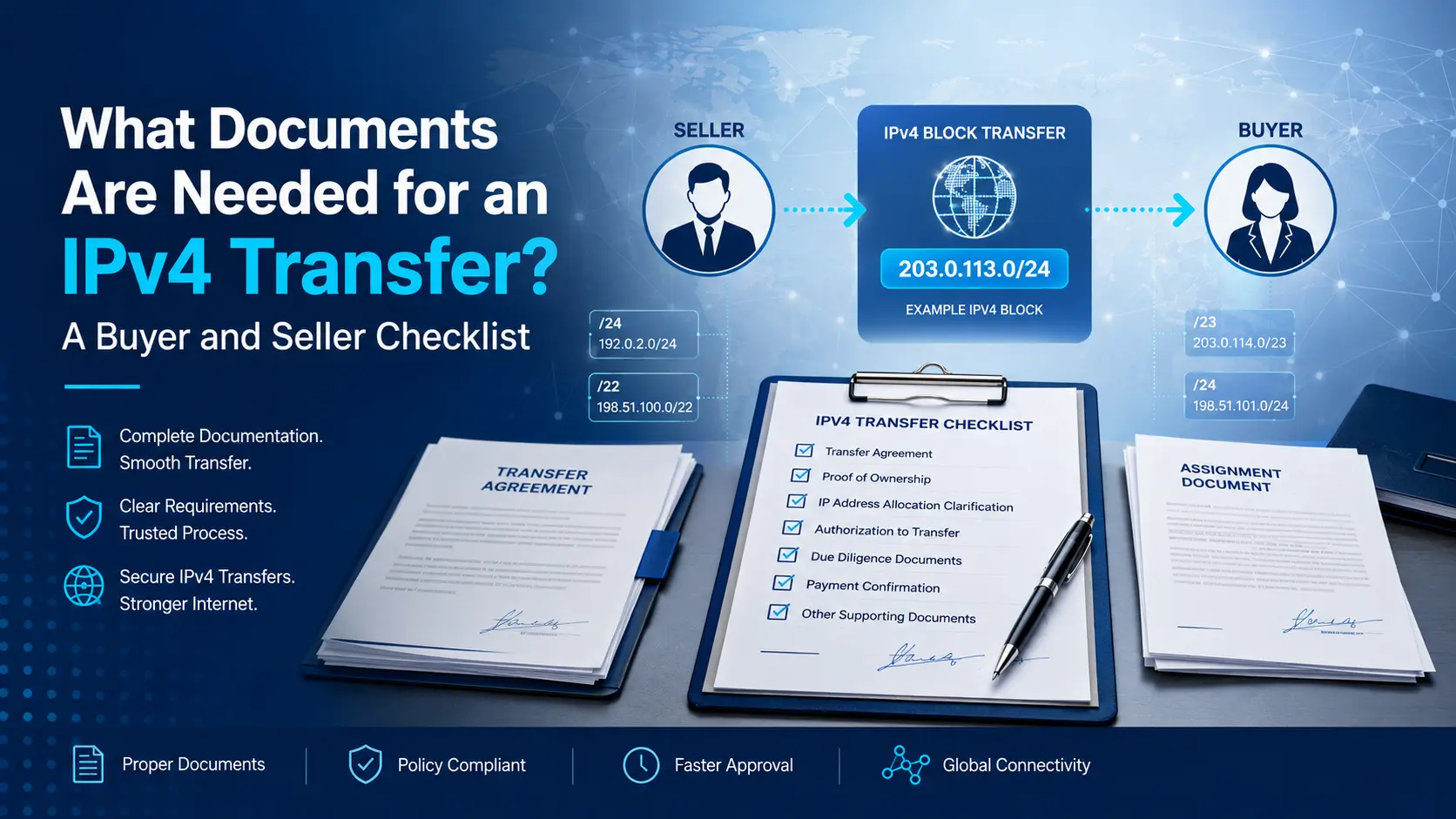
Transferring IPv4 address space from one organization to another involves more than agreeing on a prefix and a price. A Read more
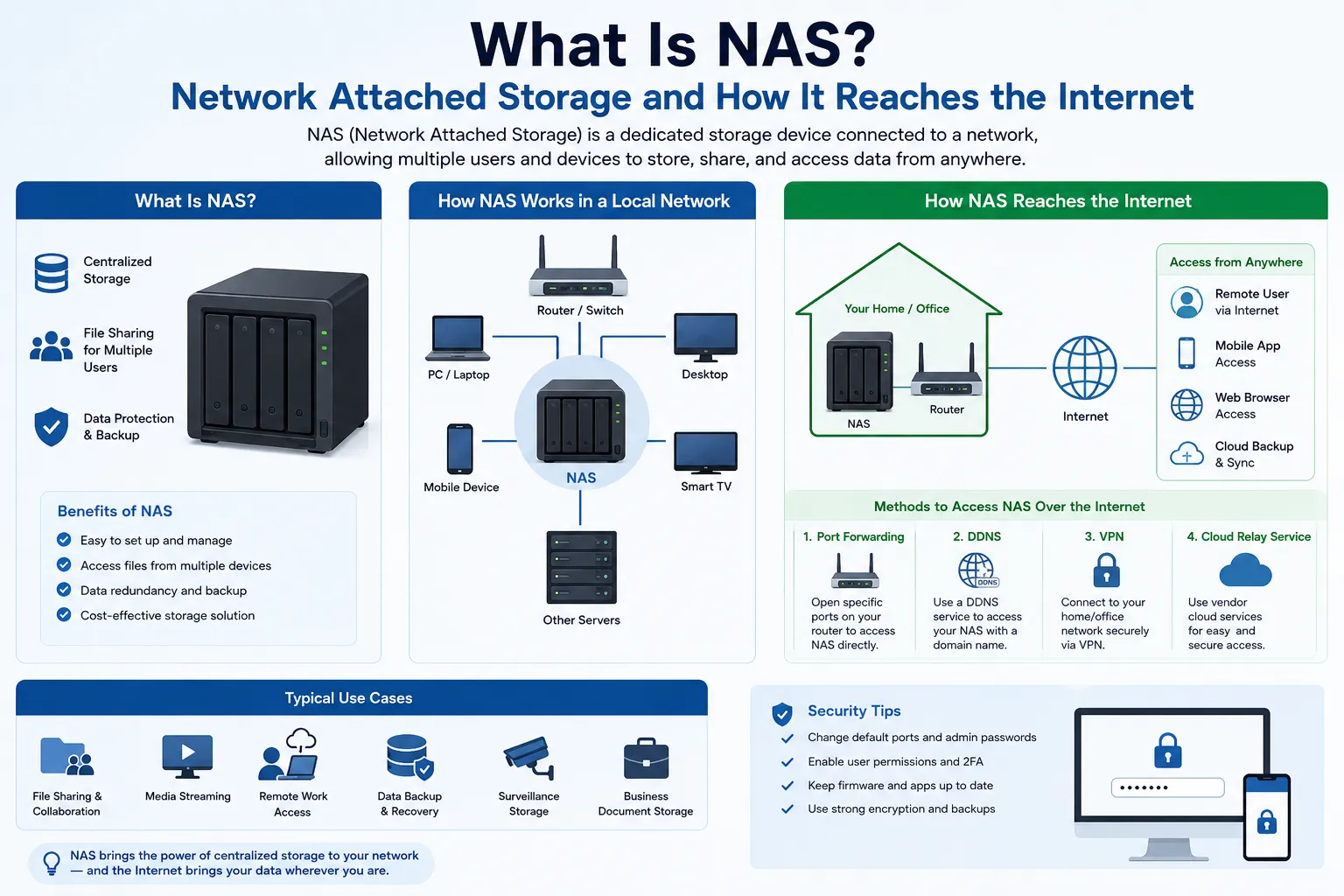
NAS stands for Network Attached Storage. It is a dedicated storage device that connects to a network and serves files Read more
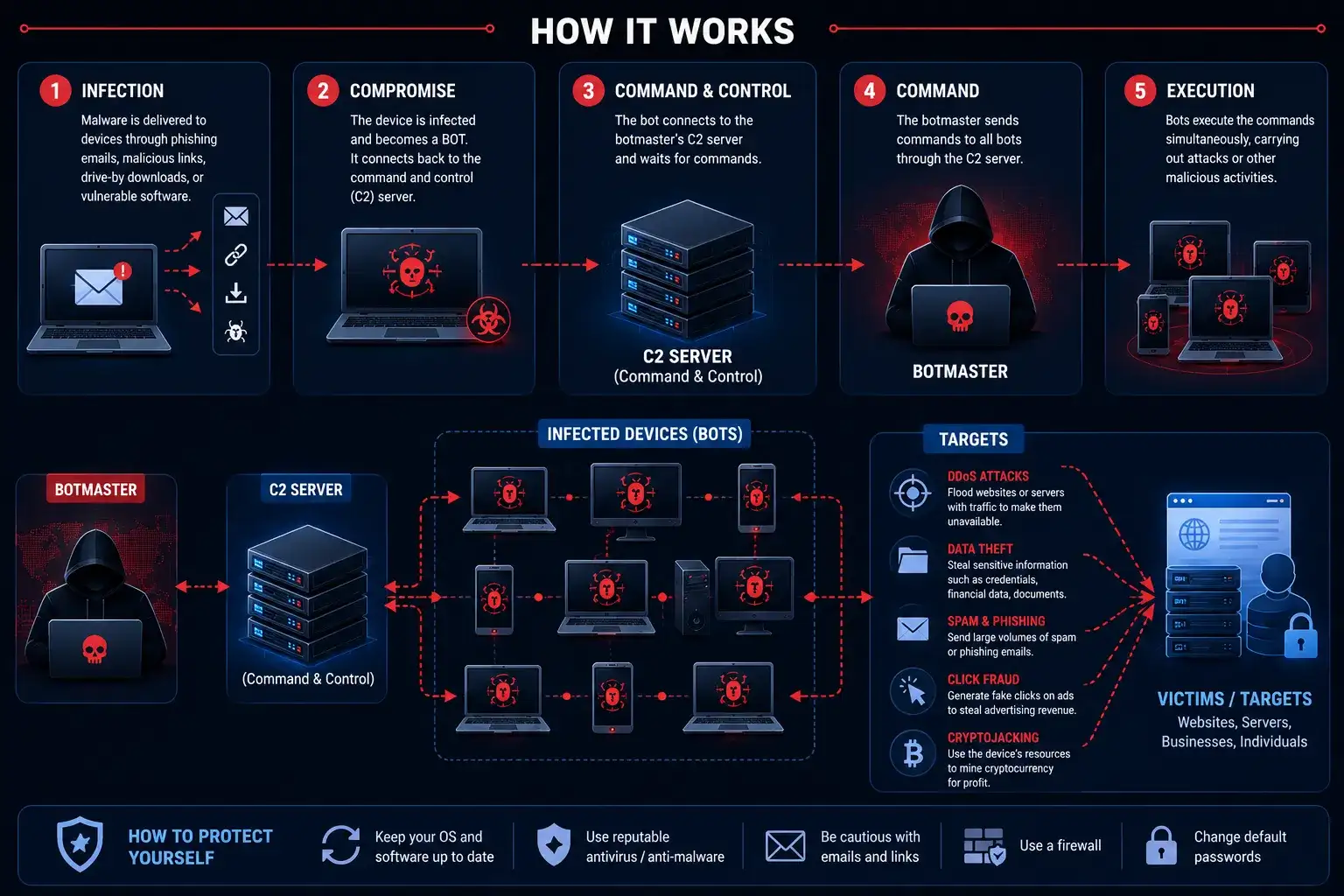
A botnet is a network of compromised computers or devices running malicious software that lets a single operator control them Read more
Transferring IPv4 address space from one organization to another involves more than agreeing on a prefix and a price. A Read more
NAS stands for Network Attached Storage. It is a dedicated storage device that connects to a network and serves files Read more
A botnet is a network of compromised computers or devices running malicious software that lets a single operator control them Read more