Mitigating the Risks of Public IP Addresses (Part 2)
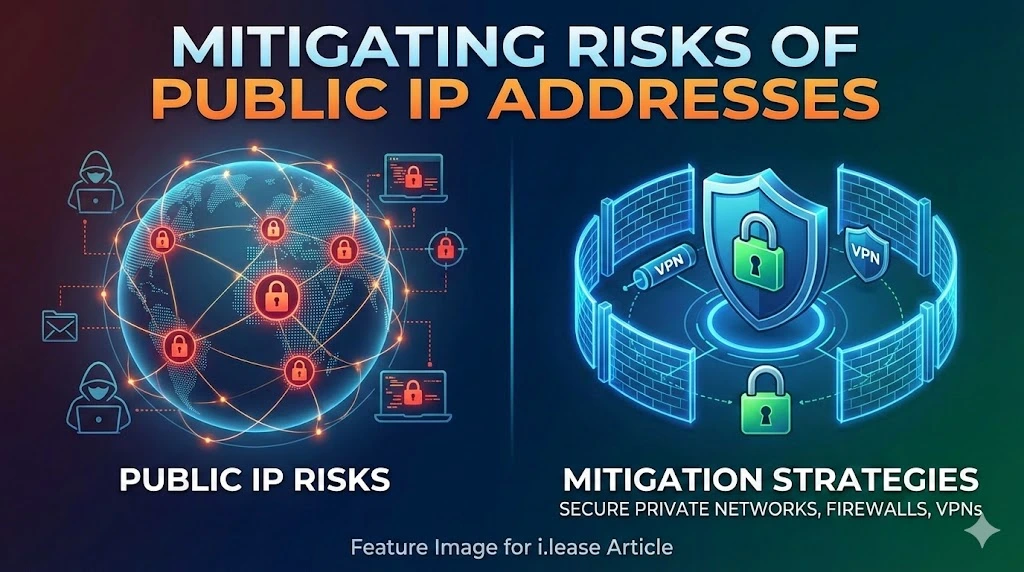
While the risks associated with public IP addresses are significant, several measures can be taken to mitigate these dangers. Here’s a detailed guide on how to protect your network from the potential hazards of using public IP addresses.
Table of Contents
ToggleUse Firewalls
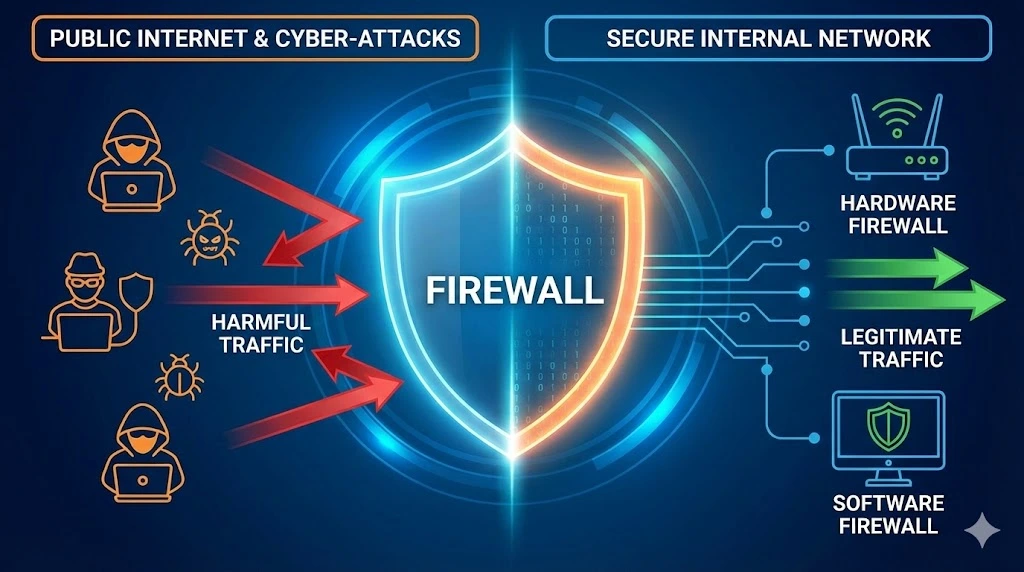
Implementing a robust firewall is one of the first lines of defense against unauthorized access and cyber-attacks. Firewalls act as a barrier between your internal network and the internet, filtering traffic and blocking potentially harmful connections. By monitoring incoming and outgoing traffic based on predefined security rules, firewalls help ensure that only legitimate traffic is allowed through.
Firewalls can be hardware-based, software-based, or a combination of both. For most users, a combination of a hardware firewall provided by their router and a software firewall on their computer or server offers a comprehensive security solution.
Enable Network Address Translation (NAT)
Network Address Translation (NAT) is an essential feature for enhancing security when using public IP addresses. NAT allows multiple devices on a local network to share a single public IP address. This process adds a layer of security by masking the internal IP addresses from an external view, making it more difficult for attackers to target specific devices within your network.
NAT works by translating the private IP addresses of devices within the network into a single public IP address when communicating with external networks. This translation process helps to keep internal network details hidden from potential attackers.
Regular Software Updates
Keeping all software, including operating systems and applications, up to date is crucial for maintaining network security. Software updates often include patches for security vulnerabilities that hackers could exploit. Regularly updating software reduces the risk of these vulnerabilities being used to gain unauthorized access to your network.
Automated update systems can help ensure that your software remains current. For critical systems and applications to apply updates as soon as they become available.
Implement Strong Passwords and Authentication
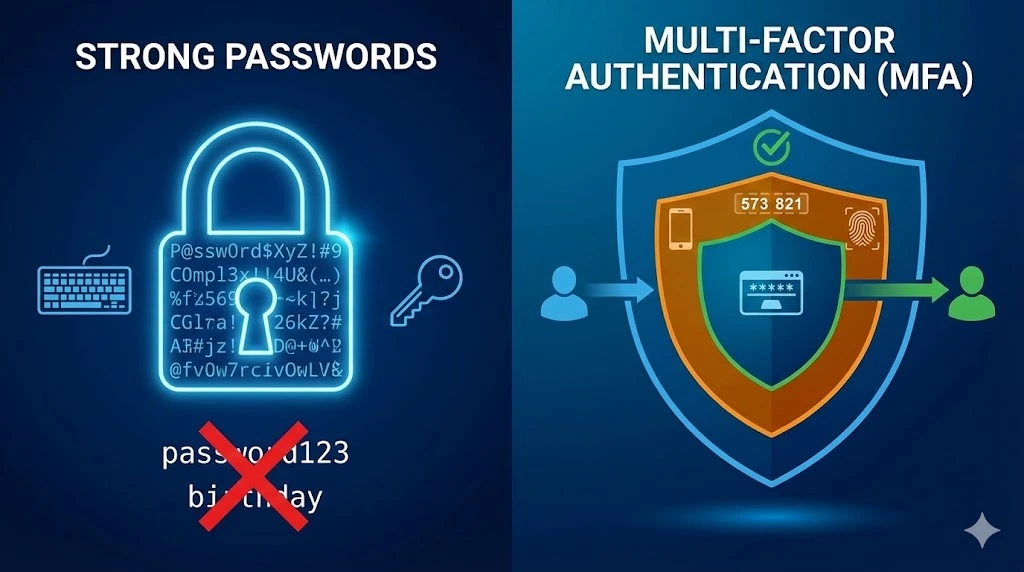
Using strong passwords and multi-factor authentication (MFA) can significantly reduce the risk of unauthorized access. Strong passwords should be complex, containing a mix of letters, numbers, and special characters. Avoid using easily guessable information such as birthdays or common words.
Multi-factor authentication adds an extra layer of security by requiring additional verification steps beyond just the password. This could include a fingerprint scan, a one-time code sent to a mobile device, or other verification methods. Enabling MFA wherever possible enhances security by making it more challenging for attackers to gain access to accounts and devices.
Trusted IPv4 Leasing for Business Growth
Get enterprise-grade IPv4 space quickly, with seamless deployment and end-to-end management.
FAQs
Not directly. Knowing your IP address is like knowing your home address—it tells people where you are, but it doesn’t give them a key to the front door.
Slightly, yes. A Dynamic IP changes periodically (assigned by your ISP), making it harder for hackers to target you over a long period. A Static IP remains the same, making it a consistent target for Distributed Denial of Service (DDoS) attacks if not properly protected.
Yes. Public Wi-Fi networks (like in cafes) often lack encryption. Hackers on the same network can potentially intercept your data or perform “Man-in-the-Middle” attacks. Always use a VPN or disable “File Sharing” when connecting to public hotspots to mitigate this risk.
Buying IPv4 addresses outside proper IP Allocation channels exposes organisations to fraud, legal disputes, operational failures and long-term governance risks.Key Read more
Facing IPv4 shortages, companies must weigh cost, speed, and network growth when choosing a lease plan.Short-term leasing lets you scale Read more
IPv4 地址曾经只是互联网运行所需的基础资源。但在今天,它越来越像一种具有市场价格、可交易、可租赁的数字资产。造成这一变化的原因并不复杂:IPv4 的总量有限,而全球互联网对 IPv4 的需求并没有消失;与此同时,IPv6 虽然早已出现,但迁移进度依然缓慢。这三股力量叠加,正在重新塑造运营商对 IP 地址的看法,也改变了互联网基础设施的经济逻辑。原文将这点概括为“有限供给、持续需求与缓慢转型”,并指出这正在推动 IP 地址成为影响全球电信经济的可交易资产。 IPv4 稀缺并不是新问题 全球互联网至今仍大量依赖 IPv4。这个协议诞生于更早的时代,只能提供大约 43 亿个地址。这个数量在互联网初期似乎足够庞大,但在今天已经明显不够。原文指出,IANA 在 2011 年就已将最后一批大型 IPv4 Read more