The Potential Risks of Using Public IP Addresses (Part 1)
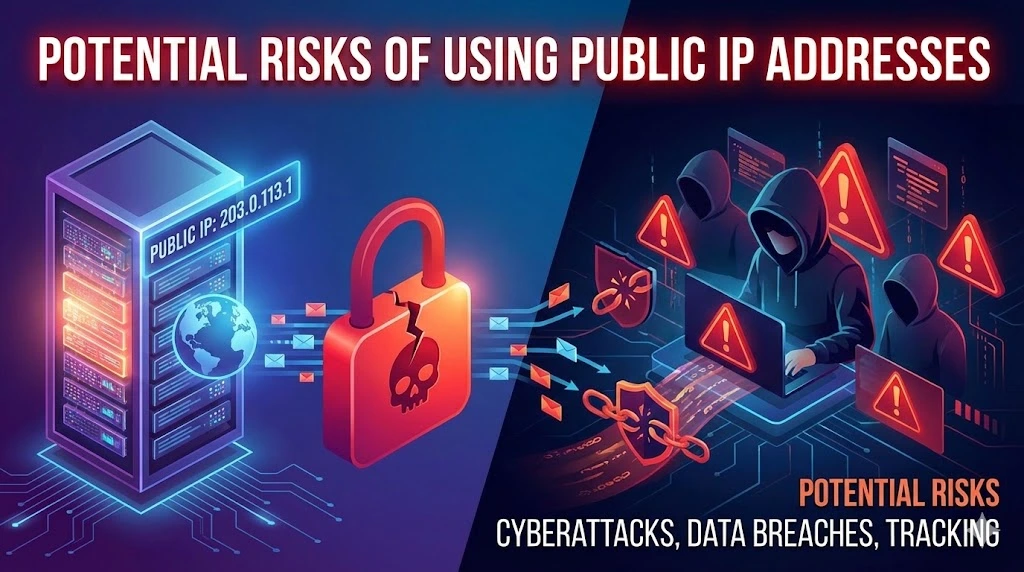
Public IP addresses allow devices to communicate directly with the internet, but they also come with several risks that can jeopardize security and privacy. This article explores the potential dangers associated with using public IP addresses and offers tips on how to mitigate these risks in Part 2
Table of Contents
ToggleWhat is a public IP address?
A public IP address is an address that is accessible over the internet. It is assigned by an Internet Service Provider (ISP) and can be used by any device connected to the Internet to communicate with other devices. Unlike private IP addresses, which are used within a local network and are not accessible from outside, public IP addresses are visible to everyone on the internet.
Potential Risks of Public IP Addresses
Increased Exposure to Cyber-threats
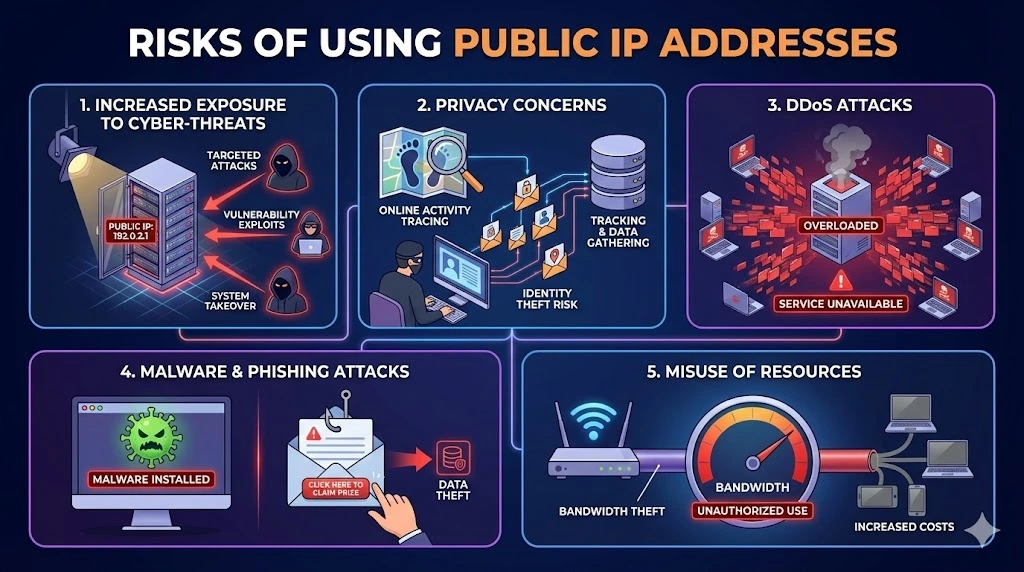
One of the primary risks of using public IP addresses is increased exposure to cyber threats. Since public IP addresses are accessible over the internet, they can be targeted by hackers who use various methods to exploit vulnerabilities. This can lead to unauthorized access to sensitive information, data breaches, and even complete system takeovers.
Privacy Concerns
Public IP addresses can be tracked and monitored, leading to significant privacy concerns. Malicious actors can use public IP addresses to trace online activities, gather personal information, and even pinpoint physical locations. This information can be used for identity theft, stalking, or other malicious purposes.
Distributed Denial of Service (DDoS) Attacks
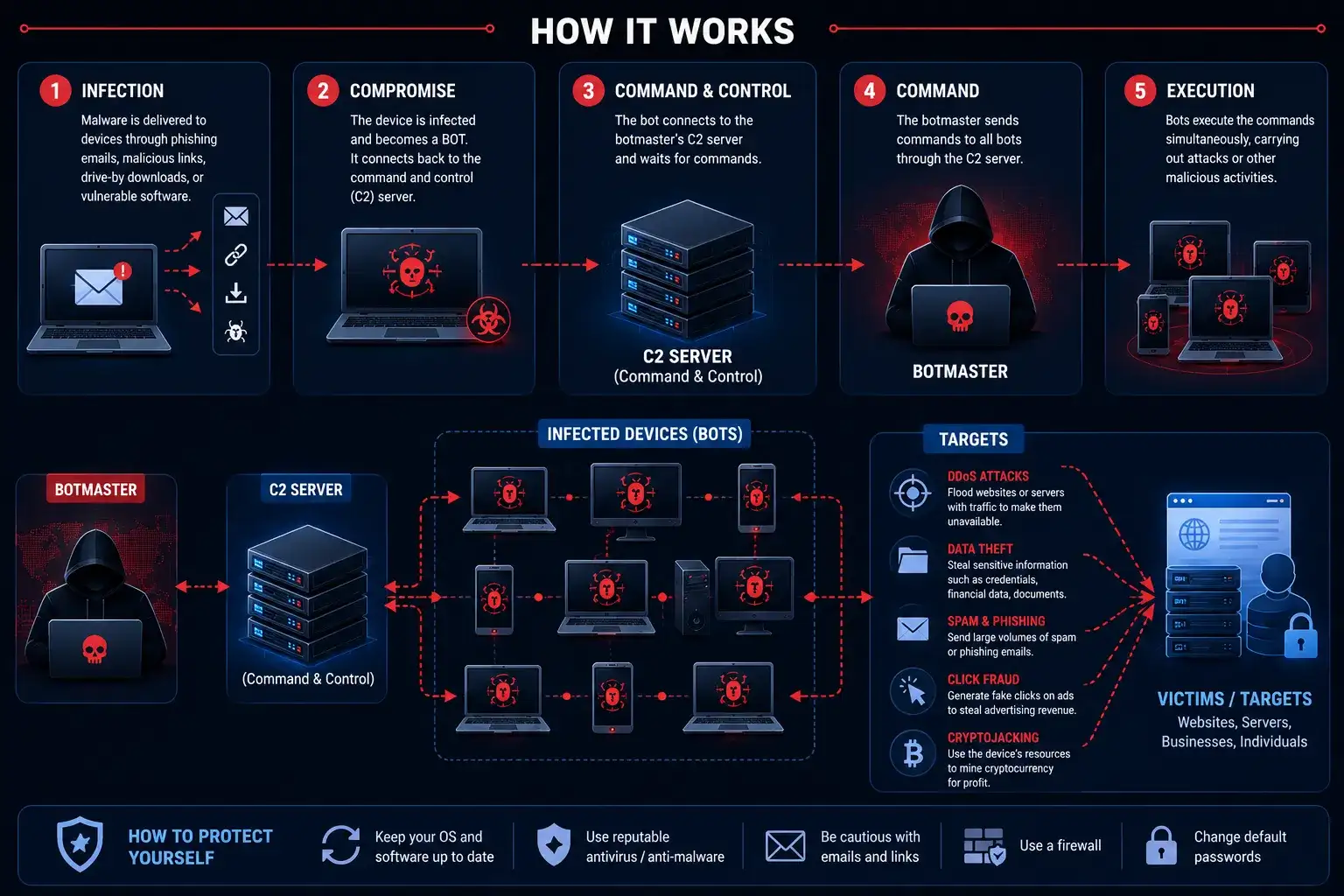
Public IP addresses are often the target of distributed denial of service (DDoS) attacks. In a DDoS attack, multiple compromised systems flood a target system with traffic, overwhelming it and causing it to become unavailable. These attacks can disrupt business operations, cause financial losses, and damage reputations.
Malware and Phishing Attacks
Devices with public IP addresses are more susceptible to malware and phishing attacks. Hackers can exploit vulnerabilities to install malware on a device, which can then be used to steal data, monitor activities, or launch further attacks. Phishing attacks, where attackers trick individuals into providing sensitive information, are more likely when public IP addresses are involved.
Misuse of Resources
When using public IP addresses, there is a risk that unauthorized users can misuse your network resources. This can include bandwidth theft, where others use your internet connection without permission, leading to slower internet speeds and increased costs.
Summary of The Article
While public IP addresses are necessary for certain internet functionalities, they come with inherent risks. By understanding these risks and implementing appropriate security measures, individuals and organizations can protect themselves from potential threats and ensure their online activities remain secure.
Discover the potential risks of using public IP addresses and learn how to protect your network from cyber attacks, privacy breaches, and other threats. Taking proactive steps to safeguard public IP addresses is essential in today’s digital landscape. Stay tuned for part 2!
Trusted IPv4 Leasing for Business Growth
Get enterprise-grade IPv4 space quickly, with seamless deployment and end-to-end management.
FAQs
Not your exact street address. A Public IP address typically reveals your approximate location (Country, City, and ISP). However, legal authorities can subpoena your ISP to reveal your exact physical address and identity if illegal activity is suspected.
A Dynamic IP (which changes periodically) is generally considered slightly safer for home users because it makes it harder for hackers to target you consistently over time. Static IPs are easier to target but are often necessary for businesses hosting servers or CCTV systems.
Yes. If you have a Dynamic IP, simply unplugging your modem/router for 5-10 minutes (or sometimes overnight) is often enough to get assigned a new IP address by your ISP. If you have a Static IP, you must contact your ISP and request a change due to security concerns.
Buying IPv4 addresses outside proper IP Allocation channels exposes organisations to fraud, legal disputes, operational failures and long-term governance risks.Key Read more
Facing IPv4 shortages, companies must weigh cost, speed, and network growth when choosing a lease plan.Short-term leasing lets you scale Read more
IPv4 地址曾经只是互联网运行所需的基础资源。但在今天,它越来越像一种具有市场价格、可交易、可租赁的数字资产。造成这一变化的原因并不复杂:IPv4 的总量有限,而全球互联网对 IPv4 的需求并没有消失;与此同时,IPv6 虽然早已出现,但迁移进度依然缓慢。这三股力量叠加,正在重新塑造运营商对 IP 地址的看法,也改变了互联网基础设施的经济逻辑。原文将这点概括为“有限供给、持续需求与缓慢转型”,并指出这正在推动 IP 地址成为影响全球电信经济的可交易资产。 IPv4 稀缺并不是新问题 全球互联网至今仍大量依赖 IPv4。这个协议诞生于更早的时代,只能提供大约 43 亿个地址。这个数量在互联网初期似乎足够庞大,但在今天已经明显不够。原文指出,IANA 在 2011 年就已将最后一批大型 IPv4 Read more