Understanding IT Infrastructure: The Backbone of Modern Businesses
A robust IT infrastructure is critical for the success of any business in today’s digital age. It forms the foundation on which companies build their day-to-day operations, ensuring everything runs smoothly—from managing internal processes to interacting with customers. But what exactly is IT infrastructure, and why is it so essential?
Table of Contents
Toggle
This article will walk you through the key elements of IT infrastructure and its importance in the modern business landscape.
What is IT Infrastructure?
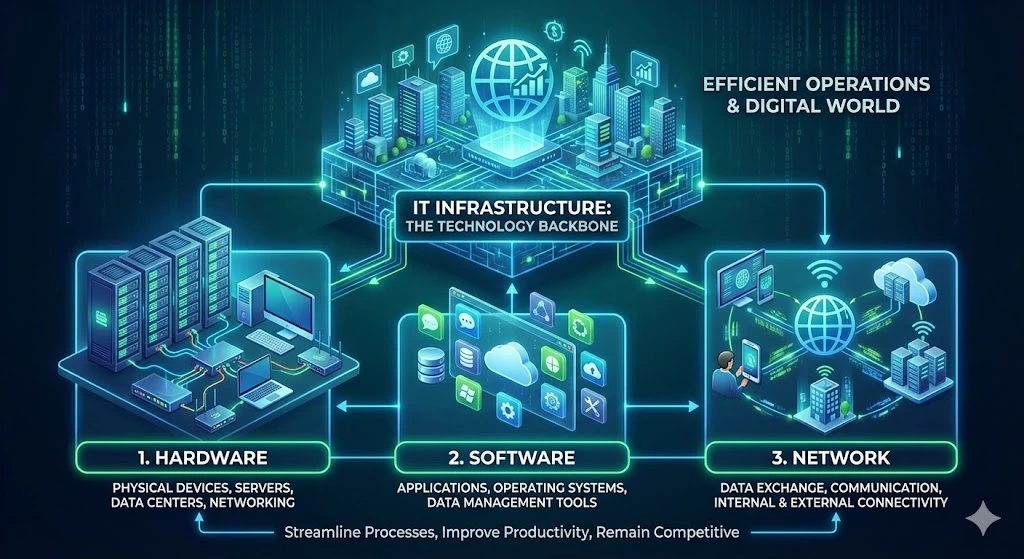
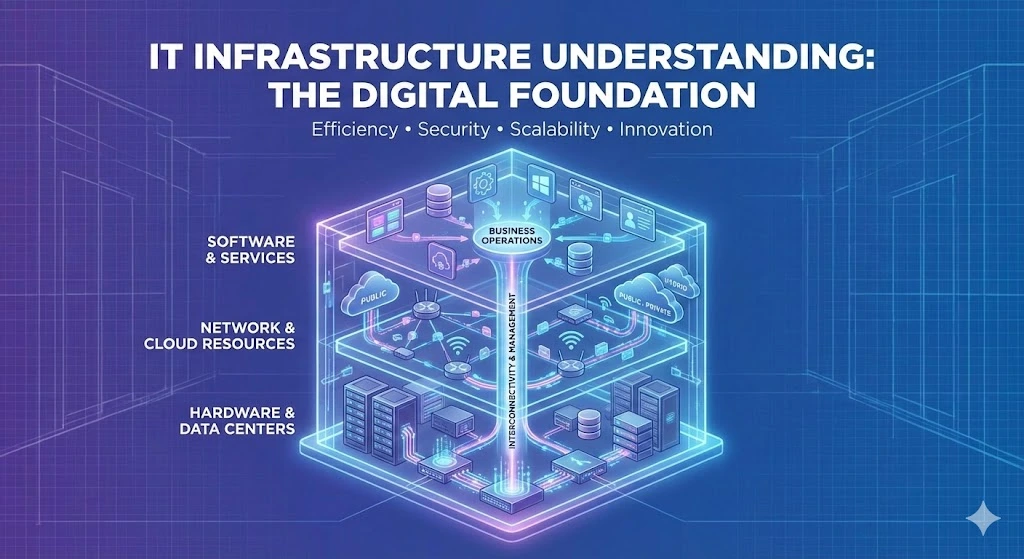
IT infrastructure refers to the collection of hardware, software, networks, and services required for an organization to operate efficiently in the digital world. Essentially, a company’s technology backbone supports all operations, allowing businesses to streamline processes, improve productivity, and remain competitive in a fast-evolving market.
IT infrastructure can be broadly categorized into three components:
1. Hardware: This includes physical devices such as servers, data centers, computers, and networking equipment (routers, switches, etc.) that form the core of IT operations.
2. Software: The applications and operating systems that run on hardware, providing businesses with the tools they need for communication, data management, and other functions.
3. Network: This enables data exchange and communication between devices, systems, and users, both internally and externally.
Key Components of IT Infrastructure
1. Servers:
Servers are the heart of IT infrastructure. They store, process, and manage data, ensuring that employees, systems, and customers can access information quickly and reliably. Businesses may rely on on-premises servers or cloud-based servers, depending on their size and needs.
2. Networking Equipment:
Routers, switches, and firewalls are essential for connecting different devices, systems, and users within an organization. They manage the flow of information and secure networks against cyber threats.
3. Data Storage:
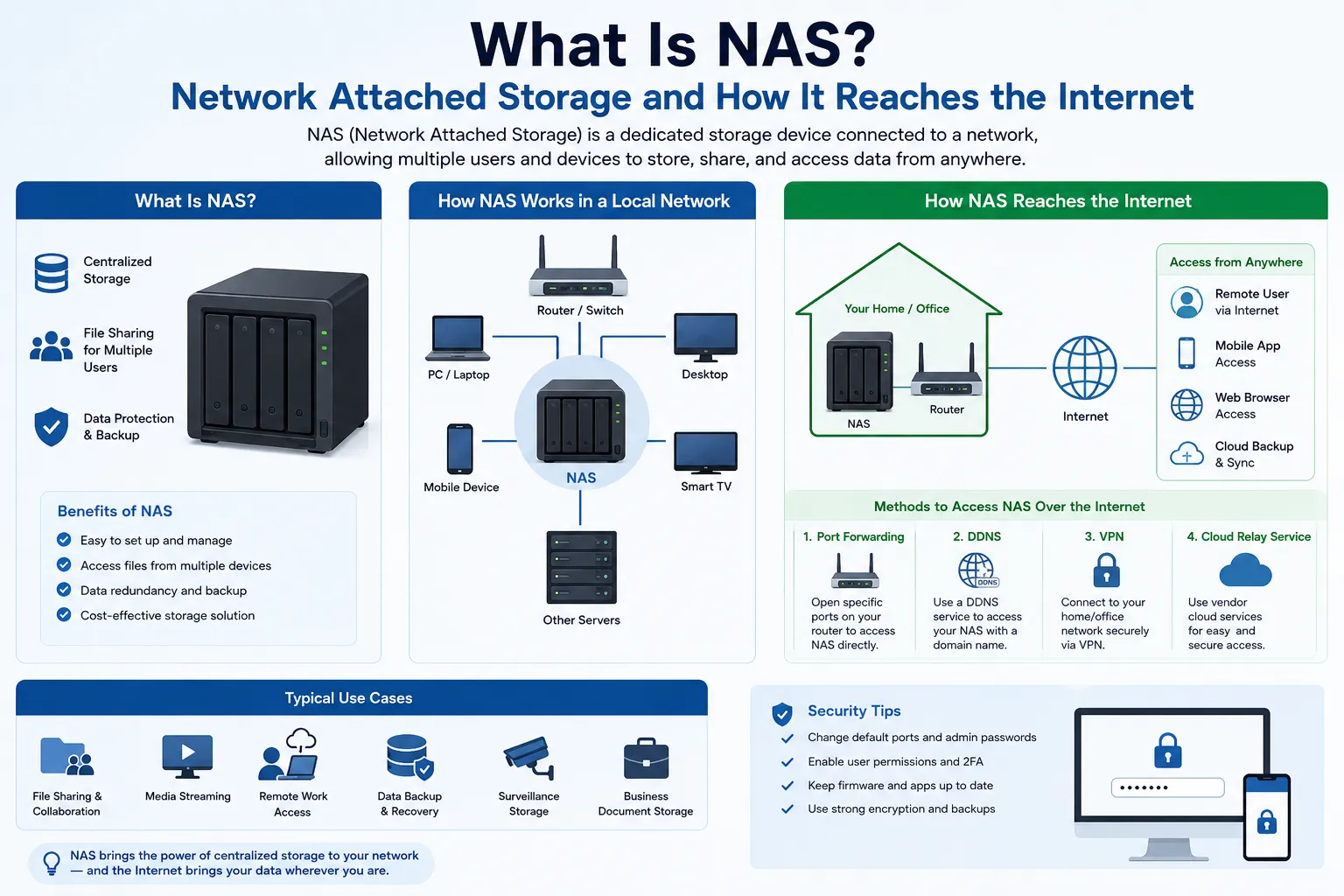
Storing data securely and efficiently is a critical aspect of IT infrastructure. Businesses use storage solutions such as Network Attached Storage (NAS) or cloud storage to ensure that data is always available and protected from potential threats or disasters.
4. Software and Applications:
Operating systems, databases, and specialized applications all contribute to business efficiency. Whether it’s enterprise resource planning (ERP) systems, customer relationship management (CRM) software, or cloud-based collaboration tools, software plays an integral role in business operations.
5. Cloud Infrastructure:
Increasingly, businesses are turning to cloud infrastructure to reduce the cost and complexity of managing physical servers. Cloud computing enables businesses to scale their IT resources on demand and provides flexibility for remote access.
6. Security Systems:
Cybersecurity is a crucial aspect of IT infrastructure. Firewalls, encryption, intrusion detection systems, and antivirus software protect sensitive information from cyberattacks and ensure compliance with data protection regulations.
Why IT Infrastructure Matters for Businesses
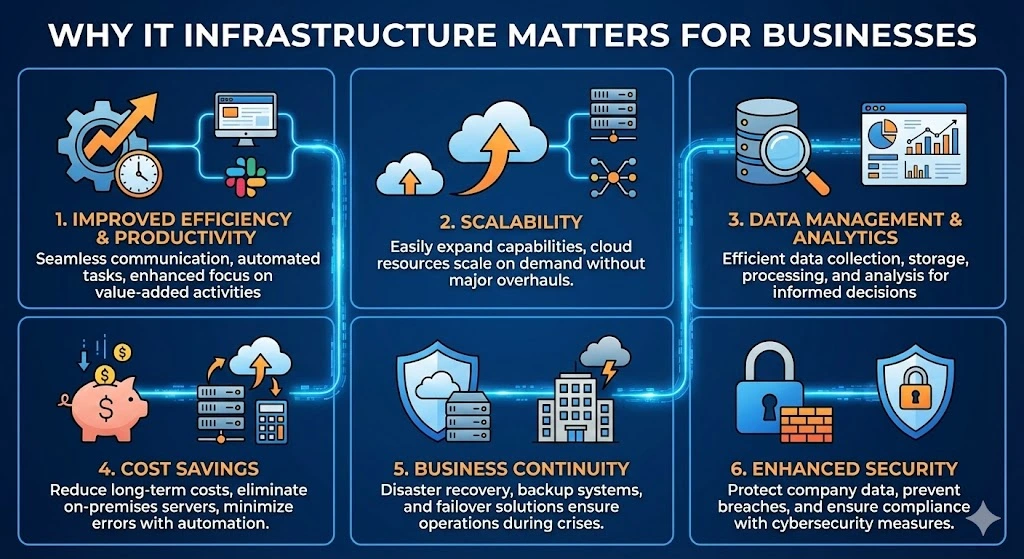
1. Improved Efficiency and Productivity:
A well-designed IT infrastructure ensures seamless communication between systems, automates manual tasks and allows employees to focus on more value-added activities. The integration of advanced software and collaboration tools enhances overall productivity.
2. Scalability:
As businesses grow, their IT needs evolve. A scalable IT infrastructure allows companies to expand their technology capabilities without major overhauls or disruptions. This is particularly important in cloud computing environments, where resources can be quickly scaled up or down based on demand.
3. Data Management and Analytics:
Modern businesses rely heavily on data to make informed decisions. A strong IT infrastructure enables efficient data collection, storage, and processing, providing valuable insights that can drive business strategy. Proper infrastructure also ensures that data remains secure and accessible for analysis.
4. Cost Savings:
By investing in the right infrastructure, businesses can reduce long-term costs. Cloud solutions, for example, eliminate the need for expensive on-premises servers, while automation tools can reduce labor costs and minimize errors.
5. Business Continuity:
A reliable IT infrastructure helps businesses remain operational during crises or unforeseen events. Disaster recovery plans, backup systems, and failover solutions are essential for ensuring business continuity in the face of cyberattacks, hardware failures, or natural disasters.
6. Enhanced Security:
With cyber threats on the rise, protecting company data and customer information is more important than ever. A strong IT infrastructure that incorporates cybersecurity measures helps prevent data breaches and ensures compliance with legal regulations.
Trusted IPv4 Leasing for Business Growth
Get enterprise-grade IPv4 space quickly, with seamless deployment and end-to-end management.
Buying IPv4 addresses outside proper IP Allocation channels exposes organisations to fraud, legal disputes, operational failures and long-term governance risks.Key Read more
Facing IPv4 shortages, companies must weigh cost, speed, and network growth when choosing a lease plan.Short-term leasing lets you scale Read more
IPv4 地址曾经只是互联网运行所需的基础资源。但在今天,它越来越像一种具有市场价格、可交易、可租赁的数字资产。造成这一变化的原因并不复杂:IPv4 的总量有限,而全球互联网对 IPv4 的需求并没有消失;与此同时,IPv6 虽然早已出现,但迁移进度依然缓慢。这三股力量叠加,正在重新塑造运营商对 IP 地址的看法,也改变了互联网基础设施的经济逻辑。原文将这点概括为“有限供给、持续需求与缓慢转型”,并指出这正在推动 IP 地址成为影响全球电信经济的可交易资产。 IPv4 稀缺并不是新问题 全球互联网至今仍大量依赖 IPv4。这个协议诞生于更早的时代,只能提供大约 43 亿个地址。这个数量在互联网初期似乎足够庞大,但在今天已经明显不够。原文指出,IANA 在 2011 年就已将最后一批大型 IPv4 Read more