Is Your Company Absorbing IPv4 Risk Through Double Extraction?

Is Your Company Becoming the Shock Absorber for IPv4 Risk?
Many businesses think the biggest IPv4 risk is not having enough addresses. That is only part of the problem. The more dangerous question is this: when something goes wrong, who absorbs the damage?
Table of Contents
ToggleIf your IPv4 strategy is poorly structured, the answer may be your company.
Your business may carry the customers, servers, routing, contracts, compliance duties, support workload, revenue pressure, and continuity expectations. But the address space you depend on may still be exposed to registry rules, renewal uncertainty, transfer friction, provider weakness, documentation gaps, or unclear escalation paths.
That is the hidden danger. IPv4 risk may not stay with the provider, broker, registry, or upstream source. It may land directly on your business when the problem becomes operational.
IPv4 Risk and Double Extraction
IPv4 risk becomes more dangerous when the business pays for access but still carries the real operational downside. This is the practical business meaning of Double Extraction: value is taken from the customer through the cost of IPv4 access, while risk is also pushed back onto the customer when the provider structure fails.
In a weak IPv4 sourcing model, the customer may pay the monthly fee, sign the agreement, deploy the infrastructure, and build services around the address block. But when renewal issues, routing problems, registry uncertainty, documentation gaps, or abuse complaints appear, the same customer may be forced to absorb the disruption.
The provider may not own the full source relationship. The broker may need to check with another party. The upstream source may delay. The registry layer may remain distant. But the customer is the one facing downtime, migration cost, SLA pressure, reputation damage, and customer complaints.
That is why IPv4 risk is not only about whether the address works today. The real question is whether the provider structure protects the business when pressure appears.
If the customer pays for IPv4 access but still absorbs the operational consequences when the chain breaks, the company is not only buying connectivity. It is carrying hidden risk on behalf of the structure above it.
For a wider governance explanation of how recognition layers can suppress value while leaving operators exposed to downside, see Double Extraction on Heng.lu.
What Is IPv4 Shock-Absorber Risk?
IPv4 shock-absorber risk happens when a business becomes the party that suffers the real-world damage from IPv4 problems, even though the cause may sit somewhere else.
The issue may begin with a provider, registry process, renewal term, routing arrangement, transfer delay, or documentation gap. But once the issue affects production infrastructure, the business using the IPv4 addresses usually feels the pressure first.
Customers do not care whether the problem came from a registry process, an upstream provider, a broker chain, or a contract detail. They only see that a service is delayed, unstable, unreachable, or unreliable.
That is why IPv4 planning must go beyond price. A cheap IPv4 arrangement can become expensive if your company becomes the place where every hidden risk finally lands.
Why Your Company May Carry the Downside
Your company may not control every layer of the IPv4 chain, but it may still carry the operational consequence.
If an IPv4 block cannot be renewed, your company must find a replacement. If routing support is slow, your engineers must solve the issue. If transfer documentation is incomplete, your deployment may be delayed. If registry-related uncertainty appears, your management team may need to handle legal, commercial, and customer concerns.
This creates an unfair imbalance. The party most exposed to the damage may not be the party with the most control over the cause.
A weak IPv4 structure can push several risks onto your business:
- Emergency replacement of address space
- Delayed product or infrastructure launches
- Customer support pressure
- Routing and DNS reconfiguration work
- Legal and contract review costs
- Reduced confidence from customers or partners
- Higher future sourcing costs under pressure
The danger is not always visible at the beginning. Everything may look stable until the day your company becomes responsible for cleaning up someone else’s weak IPv4 structure.
When IPv4 Risk Reaches Customers
IPv4 risk becomes serious when it reaches the people who depend on your service.
A hosting company may need to explain why customer servers cannot be deployed on time. A SaaS provider may face connection problems. A VPN operator may need to migrate users. A cloud or data-centre business may need to change routing plans. An email infrastructure provider may need to explain delivery disruption.
At that point, IPv4 is no longer a background technical input. It becomes part of customer trust.
The business impact can spread quickly:
- Sales teams may lose deals because deployment timelines become uncertain.
- Support teams may receive more tickets from confused customers.
- Engineering teams may be forced into urgent changes.
- Management may need to approve emergency spending.
- Customers may begin questioning whether the provider is reliable.
The worst part is that many of these problems can begin from an IPv4 decision that looked harmless at the time.
The Cost of Absorbing Risk Alone
When IPv4 risk lands on your business, the cost is rarely limited to the address price.
The real cost may include engineering hours, emergency procurement, customer communication, legal review, delayed revenue, missed launch dates, damaged trust, and future risk premiums. Even if the technical issue is eventually solved, the business may still lose time, focus, and confidence.
This is why the cheapest IPv4 option may not be the safest option. Low upfront cost can hide a larger transfer of risk onto your company.
A dangerous IPv4 deal often has one pattern: the provider gives you the addresses, but your business carries the consequences if the structure fails.
Before choosing any IPv4 path, ask a simple question: if this arrangement breaks, who pays the real price?
How i.lease Helps Reduce Hidden Exposure
i.lease helps businesses treat IPv4 access as a structured market decision, not just a quick technical purchase. In a market shaped by leasing, buying, selling, routing, documentation, registry expectations, and continuity risk, businesses need to understand more than the monthly price.
For organisations that need flexible access, IPv4 leasing can support deployment planning without forcing every business into immediate ownership. For companies that need long-term control, buying IPv4 addresses through a structured marketplace can help reduce sourcing uncertainty. For holders of unused address space, selling IPv4 addresses can help turn idle IPv4 resources into business value.
The goal is not only to obtain IPv4. The goal is to avoid becoming the company that absorbs all the hidden risk after the deal is done.
A safer IPv4 strategy should ask:
- Is the IPv4 source clear?
- Are renewal or transfer expectations understood?
- Is routing support available?
- Is the documentation path clear?
- What happens if the business needs to scale or change direction?
- Who carries the operational burden if problems appear?
If your business depends on IPv4, do not wait until hidden risk becomes your responsibility. Plan your IPv4 access before your company becomes the shock absorber.
Before IPv4 risk lands on your business, explore i.lease for structured IPv4 leasing, buying, and selling options.
Further Reading
Frequently Asked Questions
IPv4 shock-absorber risk happens when a business carries the real operational, financial, or customer-facing damage from IPv4 problems, even when the source of the issue comes from a provider, registry process, contract term, or upstream dependency.
IPv4 addresses often support live services such as hosting, SaaS platforms, VPNs, cloud workloads, email systems, and customer access. If the IPv4 structure becomes unstable, the impact can affect deployment, uptime, routing, customer trust, and revenue.
Not always. However, a low price should not replace proper checks on source, documentation, renewal terms, routing support, provider structure, and continuity planning. Cheap IPv4 can become expensive if hidden risk lands on the business later.
Buying IPv4 may provide stronger long-term control, but it does not automatically remove all risk. Transfer process, registry documentation, routing readiness, reputation, and future management still matter.
i.lease provides a structured marketplace approach for IPv4 leasing, buying, and selling. This helps businesses compare options, plan access, and think beyond price before IPv4 becomes business-critical.
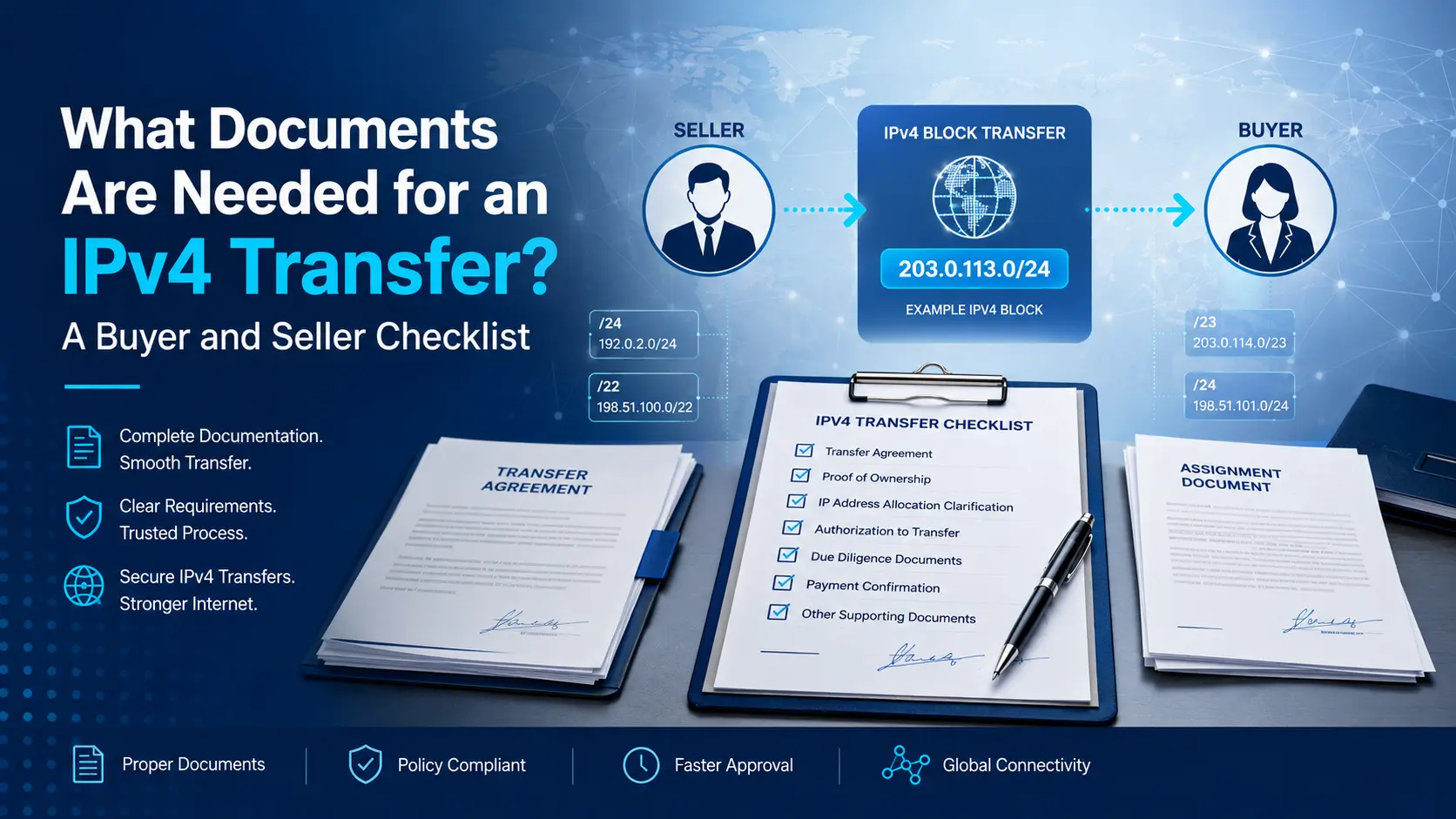
Transferring IPv4 address space from one organization to another involves more than agreeing on a prefix and a price. A Read more
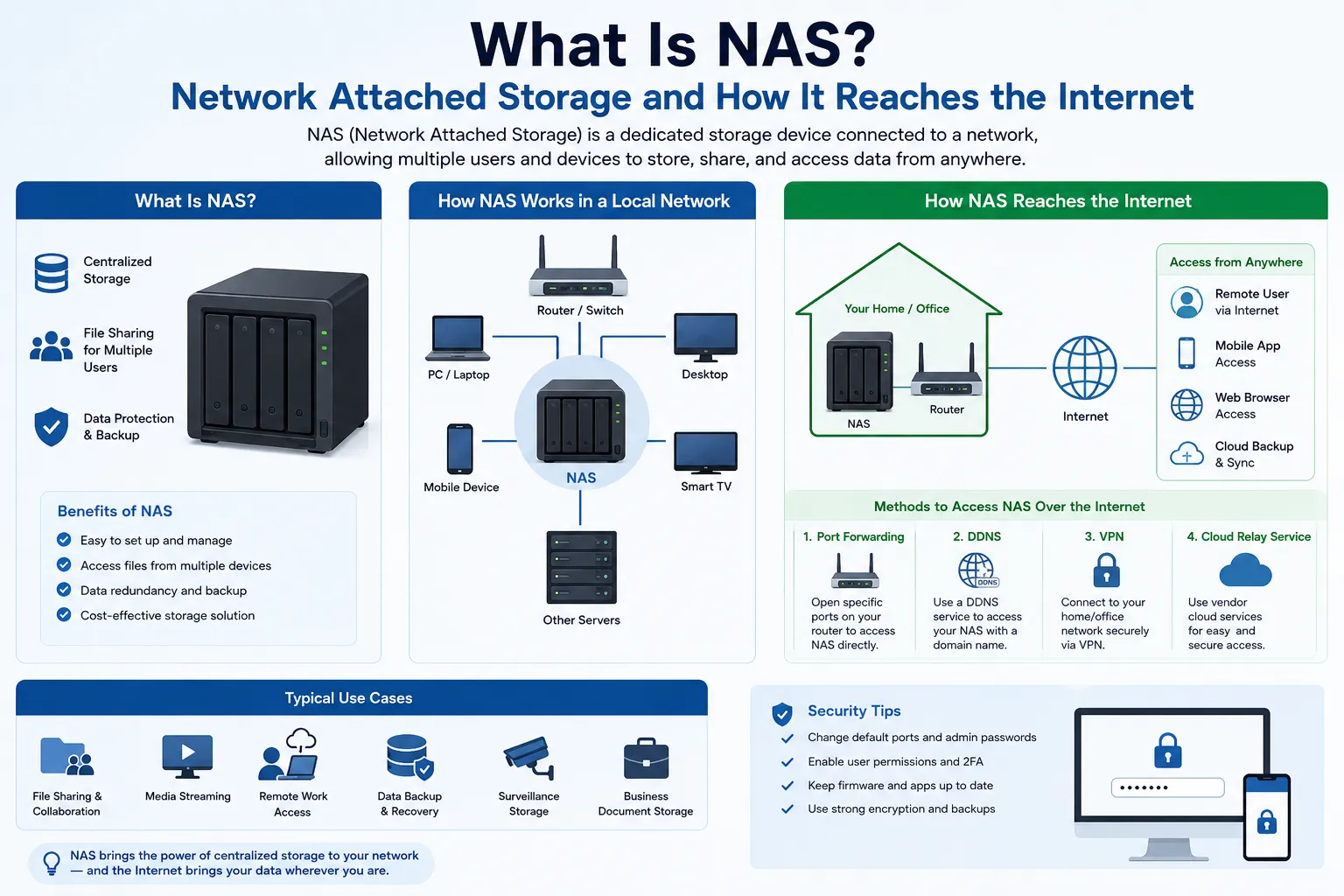
NAS stands for Network Attached Storage. It is a dedicated storage device that connects to a network and serves files Read more
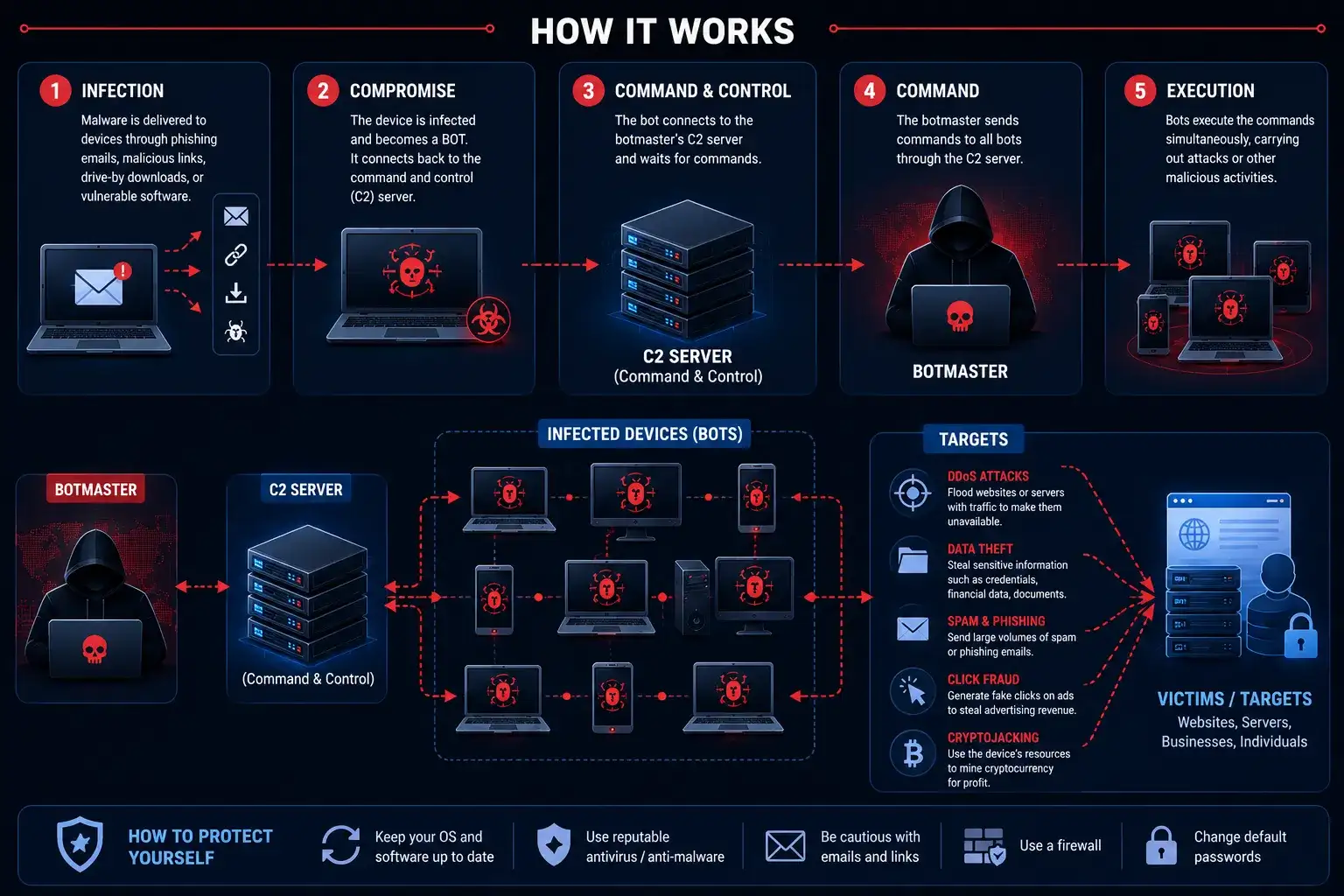
A botnet is a network of compromised computers or devices running malicious software that lets a single operator control them Read more