What Are Telco Companies? How Telecom Providers Support Connectivity in the UK, US, and Canada
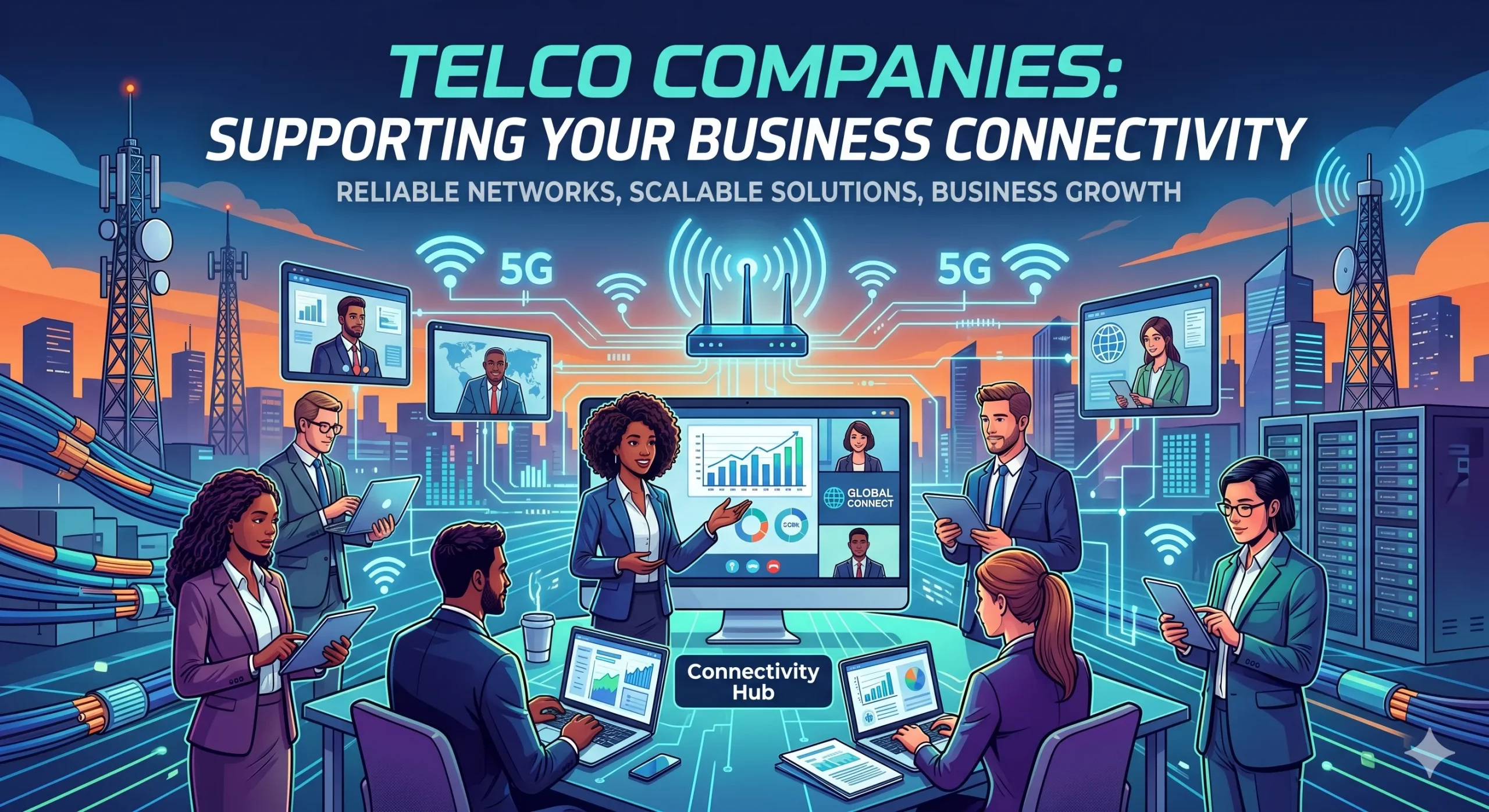
Telco companies, also known as telecommunications companies, provide communication and connectivity services. These services may include mobile networks, broadband internet, fibre connections, fixed-line services, enterprise connectivity, cloud access, managed network services, and data centre connectivity.
Table of Contents
ToggleFor consumers, telco companies are often known as mobile or broadband providers. For businesses, telcos are much more than service brands. They are infrastructure partners that help connect offices, data centres, cloud platforms, remote employees, customer applications, and digital services.
As businesses depend more on cloud platforms, SaaS applications, AI tools, VPNs, cybersecurity systems, and online services, telco companies have become central to digital infrastructure planning.
What are telco companies?
Telco companies are businesses that provide telecommunications services. These services allow people, devices, businesses, and systems to communicate over distance.
A telco company may provide:
Mobile phone services
Broadband internet
Fibre connectivity
Fixed-line phone services
Business internet
Enterprise WAN services
Cloud connectivity
Data centre connections
VPN services
Managed network solutions
Internet transit
Wholesale telecom services
Some telco companies own and operate large physical networks. Others provide services by using wholesale access, leased infrastructure, or partnerships with network operators.
What services do telco companies provide?
Telco companies provide both consumer and business services.
Consumer services may include mobile plans, home broadband, fibre internet, fixed-line phone, and bundled communication packages.
Business services may include dedicated internet access, enterprise fibre, private networks, cloud connectivity, managed security, data centre connectivity, IoT connectivity, and mobile business plans.
For larger customers, telcos may also support:
Multi-site office connectivity
Remote workforce access
Private cloud links
SD-WAN
Disaster recovery connections
Low-latency routes
Internet transit
Network monitoring
Managed firewall services
This is why telco companies are important for both everyday communication and advanced business infrastructure.
Telco company vs ISP vs network operator
A telco company, ISP, and network operator may overlap, but they are not exactly the same.
A telco company provides telecommunications services.
An ISP provides internet access.
A network operator manages network infrastructure.
Some large telcos do all three. They own infrastructure, operate networks, and sell internet, mobile, and enterprise services.
Smaller providers may focus on one layer. For example, an ISP may sell broadband services without owning all the physical infrastructure. A network operator may run fibre infrastructure and sell wholesale access to telcos or ISPs. A telco may offer mobile and enterprise services using a mix of owned and partner networks.
For businesses, the difference matters because service quality depends not only on the brand selling the plan, but also on the underlying network, routing, coverage, and support structure.
Why telco companies matter for businesses
Telco companies matter because almost every modern business depends on connectivity.
A company may need telco services for:
Office internet
Mobile connectivity
Remote work
Customer support systems
Cloud applications
SaaS platforms
Payment systems
VPN access
Data centre connectivity
Cybersecurity tools
Backup links
Voice and collaboration systems
If connectivity is unstable, the business may face downtime, poor customer experience, delayed operations, or lost revenue.
Reliable telco services help businesses keep employees connected, customers served, applications reachable, and systems available.
Telco companies in the UK
In the UK, telco companies provide broadband, mobile, fibre, leased lines, enterprise connectivity, wholesale access, and data centre connectivity.
The UK communications regulator Ofcom tracks broadband and mobile network availability through its Connected Nations reports. In the Ofcom Connected Nations Spring 2026 update, Ofcom reported that gigabit-capable broadband availability had reached 89% of UK homes. The update also reported continued growth in 5G coverage and stable 4G availability.
For UK businesses, telco companies are important because they provide the connectivity layer for offices, retail locations, warehouses, cloud platforms, SaaS applications, contact centres, and data centre connections.
A UK business may work with telcos for:
- Fibre broadband
- Leased lines
- Mobile connectivity
- Backup internet
- Cloud access
- Data centre circuits
- Enterprise voice
- Managed network services
As more UK companies move to cloud platforms and digital services, reliable telco connectivity becomes part of business continuity planning.
Telco companies in the US
The United States has one of the largest telecommunications markets in the world. US telco companies and connectivity providers support mobile networks, cable broadband, fibre, fixed wireless, rural broadband, enterprise connectivity, data centres, internet backbones, and cloud regions.
The FCC Broadband Data Collection provides broadband availability data across the United States. This data helps policymakers, consumers, local governments, and businesses understand where fixed broadband services are available.
For US businesses, telco services can vary significantly by location. A company in a major city may have several fibre and mobile providers available. A rural business may depend on fixed wireless, satellite, or specific regional broadband providers.
In the US, telco companies are not only service providers. They are part of the infrastructure that supports digital business across a very large and diverse market.
Telco companies in Canada
Canada’s telecommunications market is shaped by geography, population distribution, mobile demand, broadband availability, and the need to connect urban, rural, remote, and northern regions.
The CRTC Canadian Telecommunications Market Report 2026 states that Canada’s total telecommunications services revenues were $59.62 billion in 2024. It also states that fixed Internet and mobile wireless services represented 84% of total telecommunications revenues.
For Canadian businesses, telco planning often involves coverage, service availability, backup connectivity, cloud access, and reliable network performance across large distances.
How telcos support cloud, data centres, and enterprise networks
Telco companies are increasingly connected to cloud and data centre growth.
Businesses use telcos to connect offices to cloud platforms, link data centres, support remote employees, secure VPN access, and provide reliable internet routes for customer-facing applications.
Telcos may support cloud and data centre operations through:
- Dedicated internet access
- Fibre circuits
- Private network connections
- Cloud connectivity
- IP transit
- Peering
- Managed SD-WAN
- DDoS protection
- Mobile backup
- Enterprise security services
For businesses running SaaS platforms, e-commerce systems, financial applications, hosting environments, or AI workloads, telco connectivity can directly affect service quality.
Why IP resource planning matters for Telco Companies
Telco companies and telecom infrastructure teams need reliable IP resource planning.
As telco services grow, address planning becomes part of network planning. Telcos must think about routing, BGP announcements, IP reputation, allocation strategy, customer requirements, and continuity.
Public IP resources are not only technical numbers. They support real services, customers, routing, and business operations.
Practical note from i.lease
Telco companies need more than towers, fibre, routers, and service plans. They also need reliable public connectivity and address resource planning.
For telco companies, ISPs, infrastructure teams, and business connectivity providers, i.lease IPv4 Platform supports options to Lease IPv4 Block for network growth, customer services, cloud access, VPNs, data centres, and enterprise connectivity.
Final thoughts
Telco companies are central to modern digital infrastructure. They support mobile networks, broadband access, fibre connectivity, enterprise systems, cloud platforms, data centres, and business communication.
In the UK, US, and Canada, telco companies play a major role in keeping people and businesses connected. They are also important for cloud adoption, remote work, digital services, and regional infrastructure growth.
For businesses, the key lesson is that telco planning should include more than monthly service cost. Companies should think about coverage, speed, redundancy, routing, data centre access, IP resources, and long-term network continuity.
Frequent Asked Questions (FAQs)
Telco companies are telecommunications companies that provide communication services such as mobile, broadband, fibre, fixed-line, enterprise connectivity, and managed network services.
Not always. An ISP provides internet access, while a telco company may provide mobile, broadband, fibre, voice, enterprise connectivity, and other communication services.
A telco company provides telecommunications services to customers. A network operator manages the network infrastructure that supports connectivity. Some companies do both.
Businesses use telco companies for internet access, mobile connectivity, cloud access, VPNs, data centre connections, remote work, enterprise networks, and customer-facing applications.
UK telco companies provide broadband, mobile services, fibre connectivity, leased lines, enterprise networks, wholesale access, and data centre connectivity.
US telco companies provide mobile networks, fibre broadband, cable broadband, fixed wireless, enterprise services, rural broadband, backbone connectivity, and cloud access.
Canadian telco companies provide mobile wireless, fixed internet, fibre, cable broadband, fixed wireless, satellite connectivity, enterprise services, and data centre connectivity.
IP resource planning matters because telco companies need reliable public connectivity for broadband, mobile infrastructure, enterprise customers, VPNs, cloud services, data centres, and customer-facing platforms.
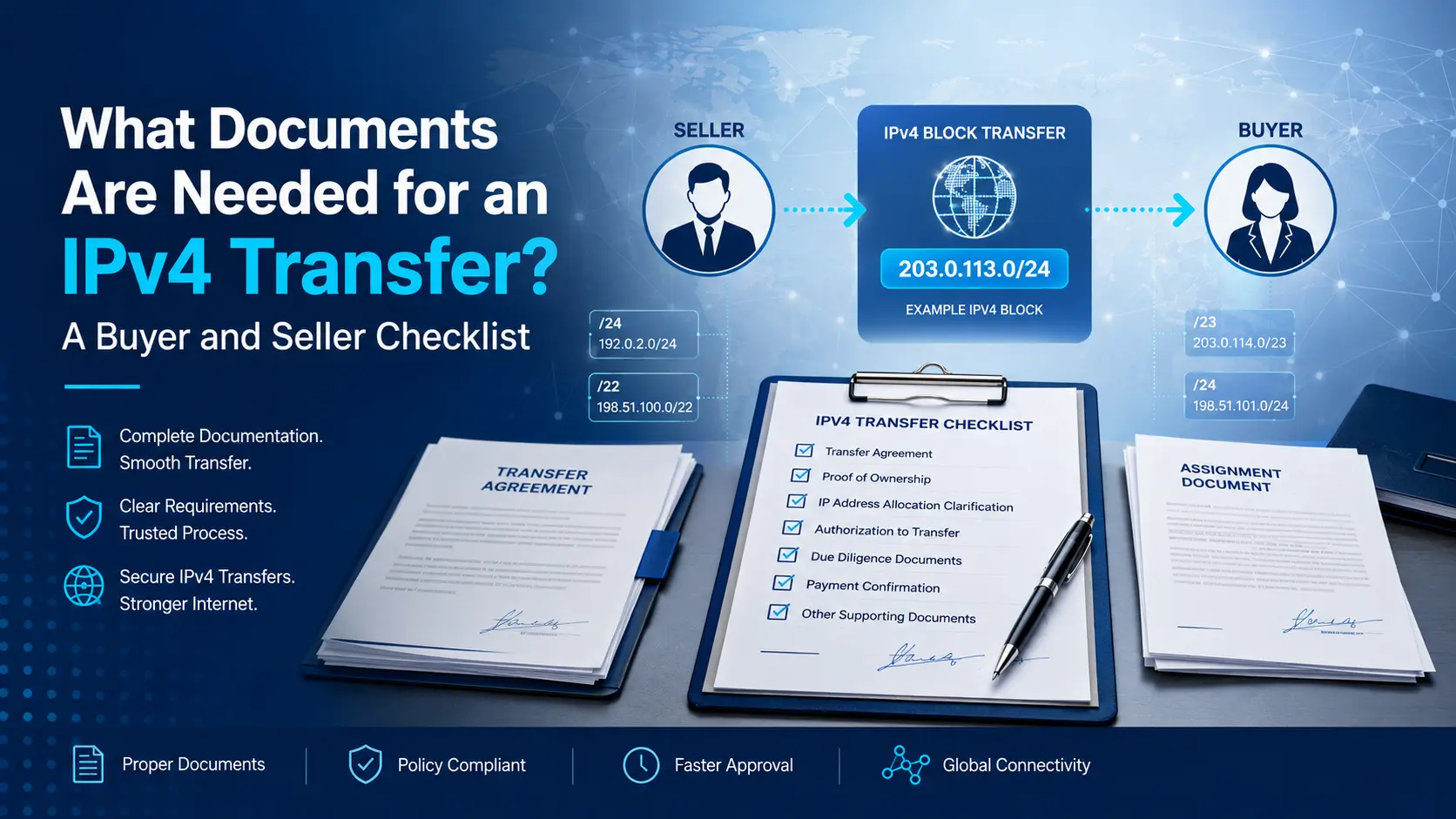
Transferring IPv4 address space from one organization to another involves more than agreeing on a prefix and a price. A Read more
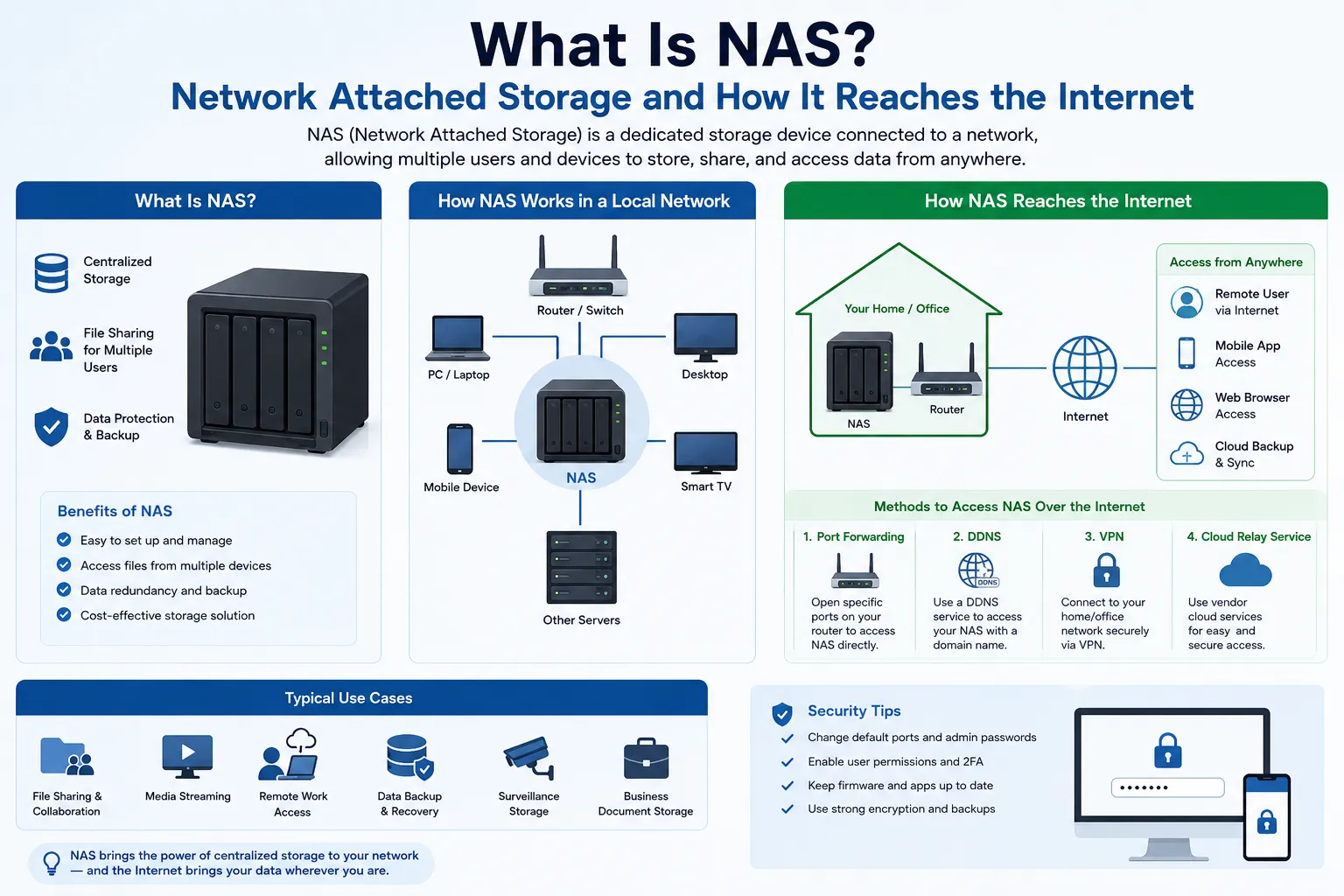
NAS stands for Network Attached Storage. It is a dedicated storage device that connects to a network and serves files Read more
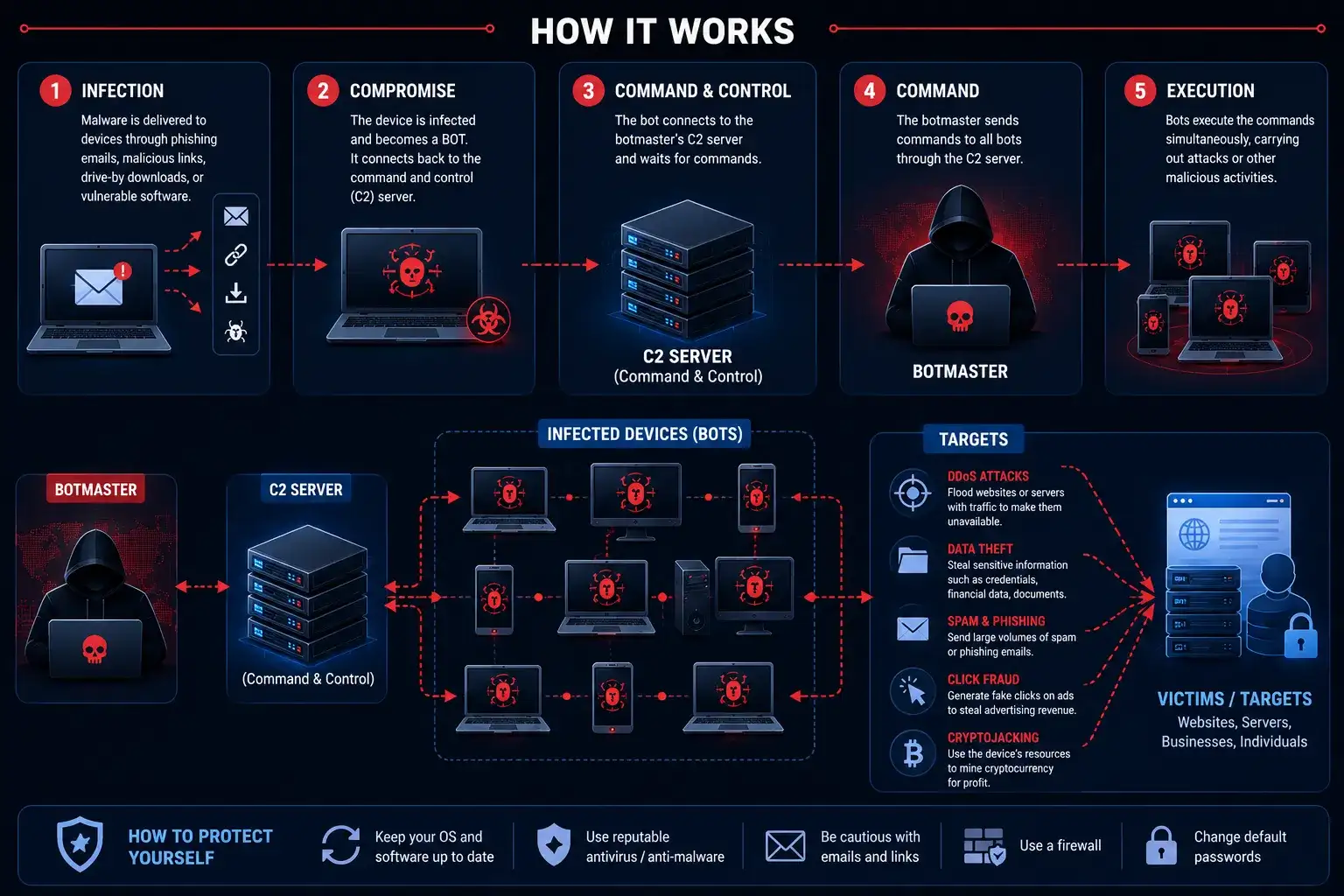
A botnet is a network of compromised computers or devices running malicious software that lets a single operator control them Read more