As the internet becomes more integral to everyday business operations, cybersecurity threats evolve in both complexity and impact. One of the most persistent and damaging threats facing organizations today is the Distributed Denial of Service (DDoS) attack. These attacks flood a targeted system with an overwhelming amount of traffic, rendering services unusable for legitimate users. To effectively mitigate DDoS threats, it’s essential to understand the various types ofRead more
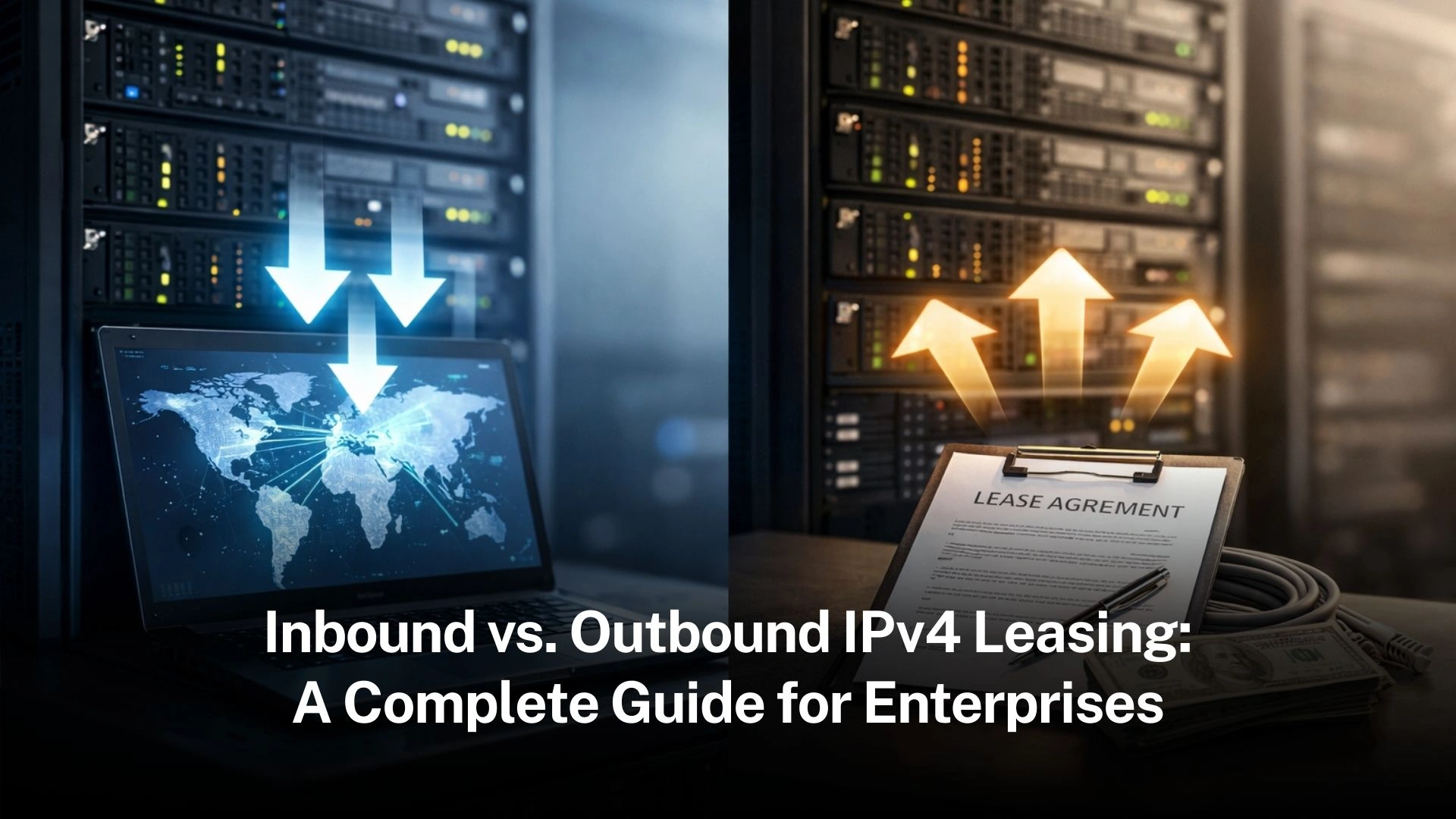
Understanding IPv4 leasing helps enterprises manage scarce address space, reducing risk and unlocking strategic growth opportunities in today’s digital economy. Key Read more
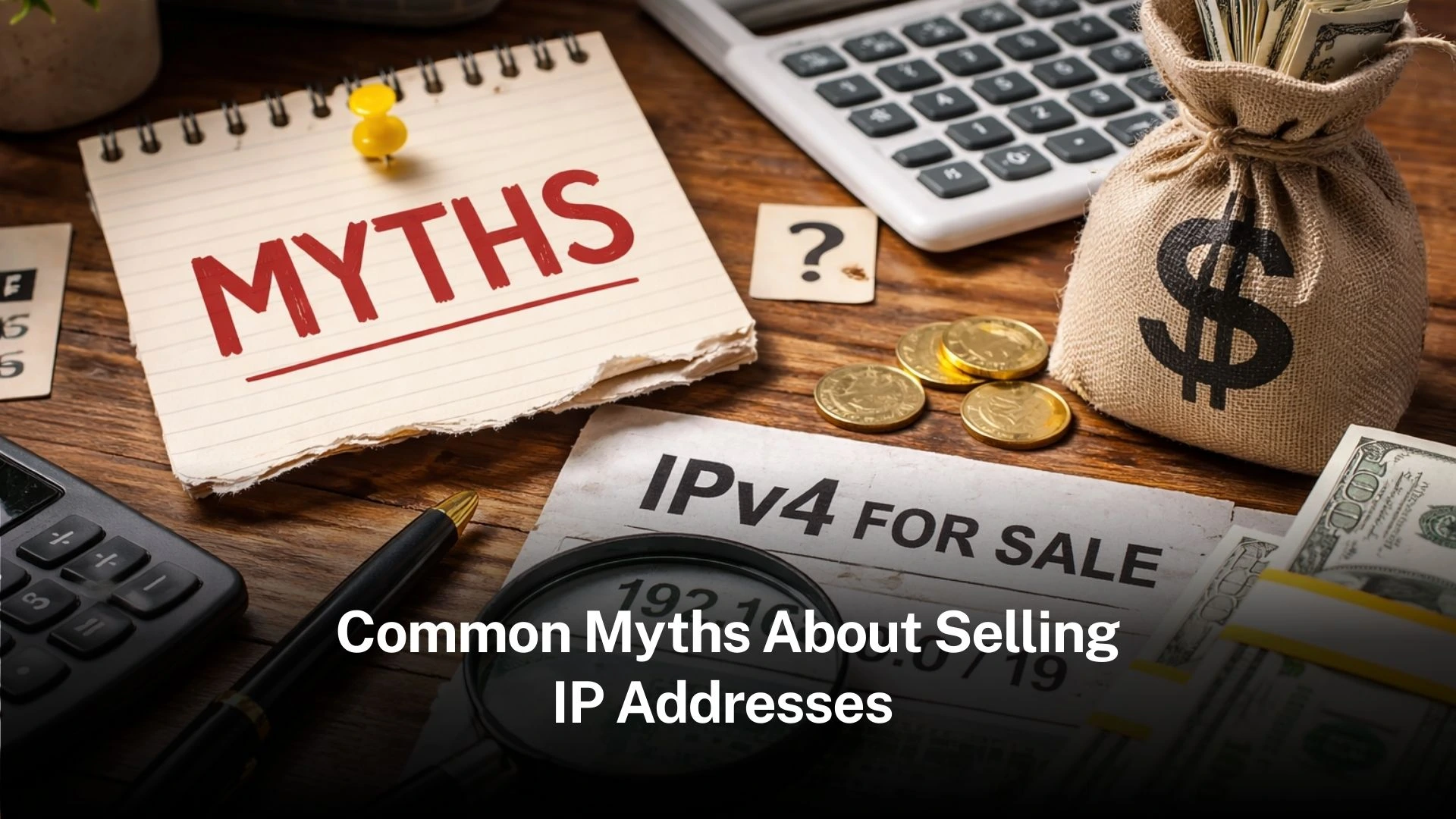
The IPv4 secondary market is often shrouded in mystery, leading many organizations to sit on valuable digital assets because they Read more
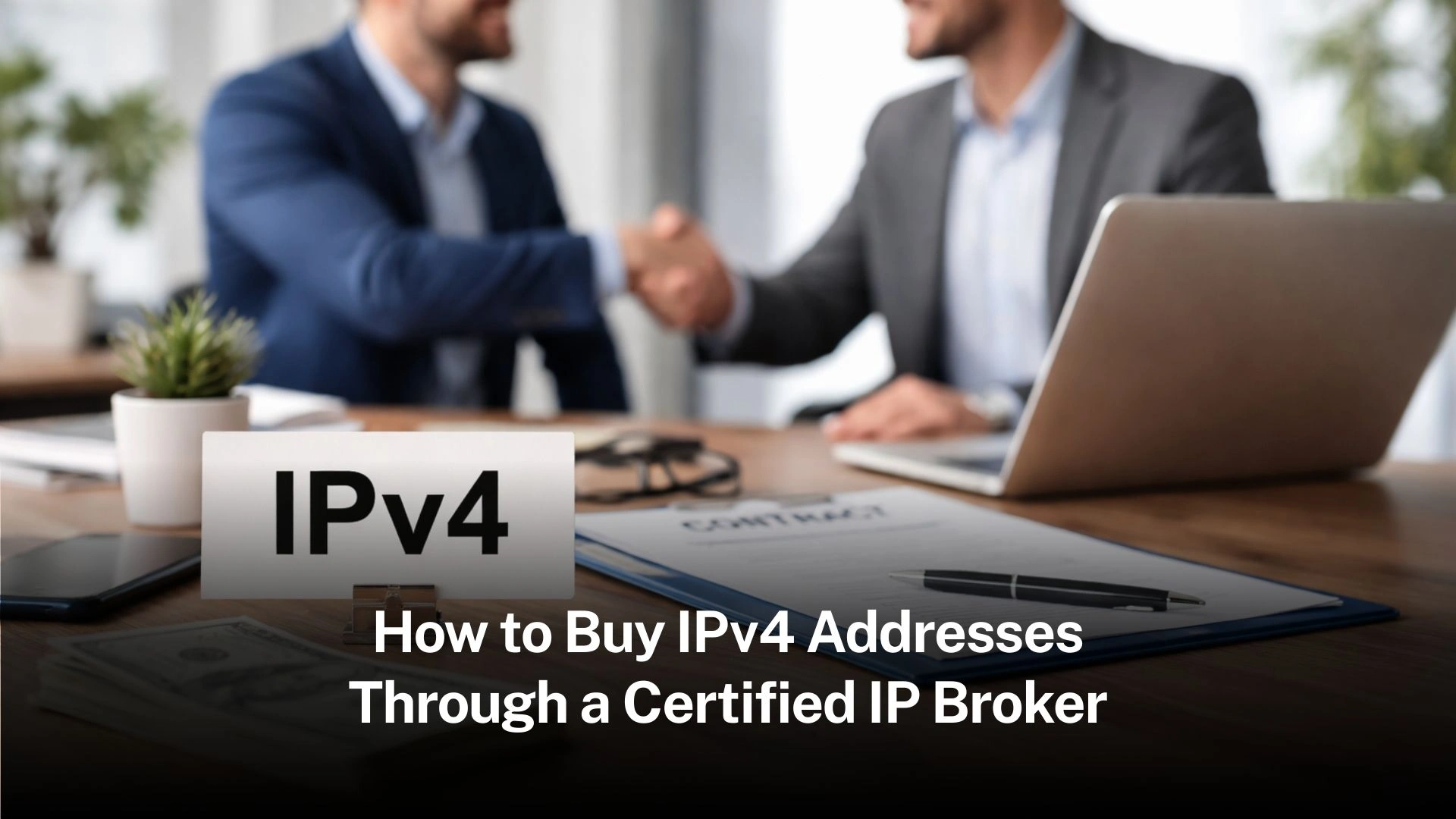
Buying IPv4 space requires policy compliance, verified need, and registry approval, making certified IP brokers essential guides through complex global Read more
The American Registry for Internet Numbers (ARIN) is a nonprofit organization that plays a vital role in managing and distributing Internet number resources. These resources include Internet Protocol (IP) addresses and Autonomous System Numbers (ASNs), which are essential for ensuring that data travels reliably across the global Internet. ARIN is one of five Regional Internet Registries (RIRs) worldwide. Its jurisdiction covers Canada, the United States, and many partsRead more
Understanding IPv4 leasing helps enterprises manage scarce address space, reducing risk and unlocking strategic growth opportunities in today’s digital economy. Key Read more
The IPv4 secondary market is often shrouded in mystery, leading many organizations to sit on valuable digital assets because they Read more
Buying IPv4 space requires policy compliance, verified need, and registry approval, making certified IP brokers essential guides through complex global Read more
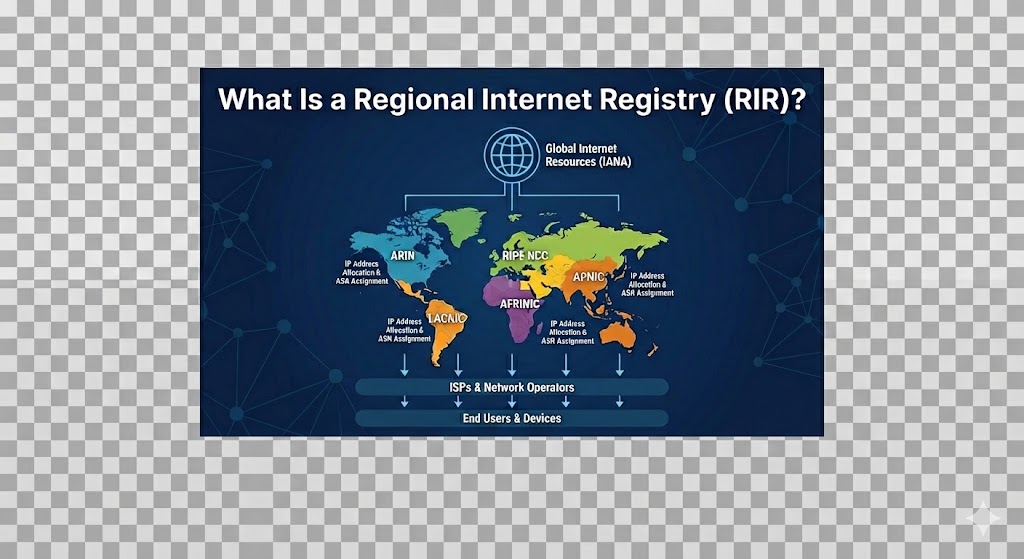
A Regional Internet Registry (RIR) is an organization responsible for the allocation and management of Internet number resources within a specific geographic region. These resources primarily include IP addresses (both IPv4 and IPv6) and Autonomous System Numbers (ASNs), which are critical components that allow devices and networks to communicate across the internet. The internet does not function without a well-organized system for assigning unique IP addresses and routingRead more
Understanding IPv4 leasing helps enterprises manage scarce address space, reducing risk and unlocking strategic growth opportunities in today’s digital economy. Key Read more
The IPv4 secondary market is often shrouded in mystery, leading many organizations to sit on valuable digital assets because they Read more
Buying IPv4 space requires policy compliance, verified need, and registry approval, making certified IP brokers essential guides through complex global Read more

A Simple Introduction to the Asia Pacific Network Information Centre When you browse the Internet, you probably don’t think much about the technical systems working in the background. But the truth is, there’s a lot happening to make sure websites load, emails send, and videos stream without a hitch. One of the organizations helping keep the Internet running smoothly, at least in this part of the world, is APNIC.Read more
Understanding IPv4 leasing helps enterprises manage scarce address space, reducing risk and unlocking strategic growth opportunities in today’s digital economy. Key Read more
The IPv4 secondary market is often shrouded in mystery, leading many organizations to sit on valuable digital assets because they Read more
Buying IPv4 space requires policy compliance, verified need, and registry approval, making certified IP brokers essential guides through complex global Read more
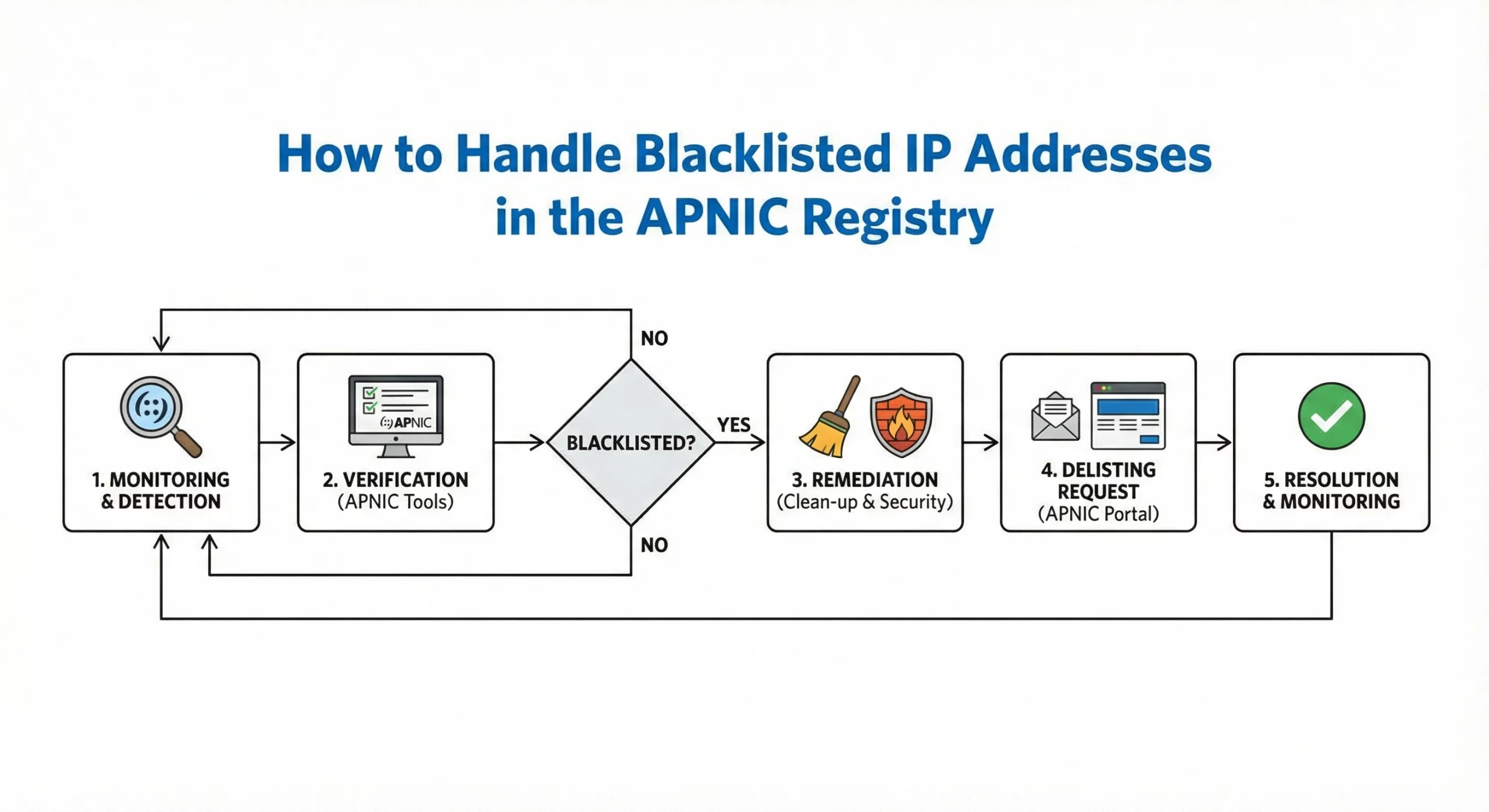
In today’s internet ecosystem, maintaining a clean and trusted IP address range is crucial for any organization that manages network infrastructure. If you’re working with IPv4 resources in the Asia-Pacific region, chances are you’re dealing with APNIC — the regional Internet registry responsible for IP allocations. But what happens when an IP address you’ve been assigned — or one you’ve acquired through transfer or lease — ends upRead more
Understanding IPv4 leasing helps enterprises manage scarce address space, reducing risk and unlocking strategic growth opportunities in today’s digital economy. Key Read more
The IPv4 secondary market is often shrouded in mystery, leading many organizations to sit on valuable digital assets because they Read more
Buying IPv4 space requires policy compliance, verified need, and registry approval, making certified IP brokers essential guides through complex global Read more