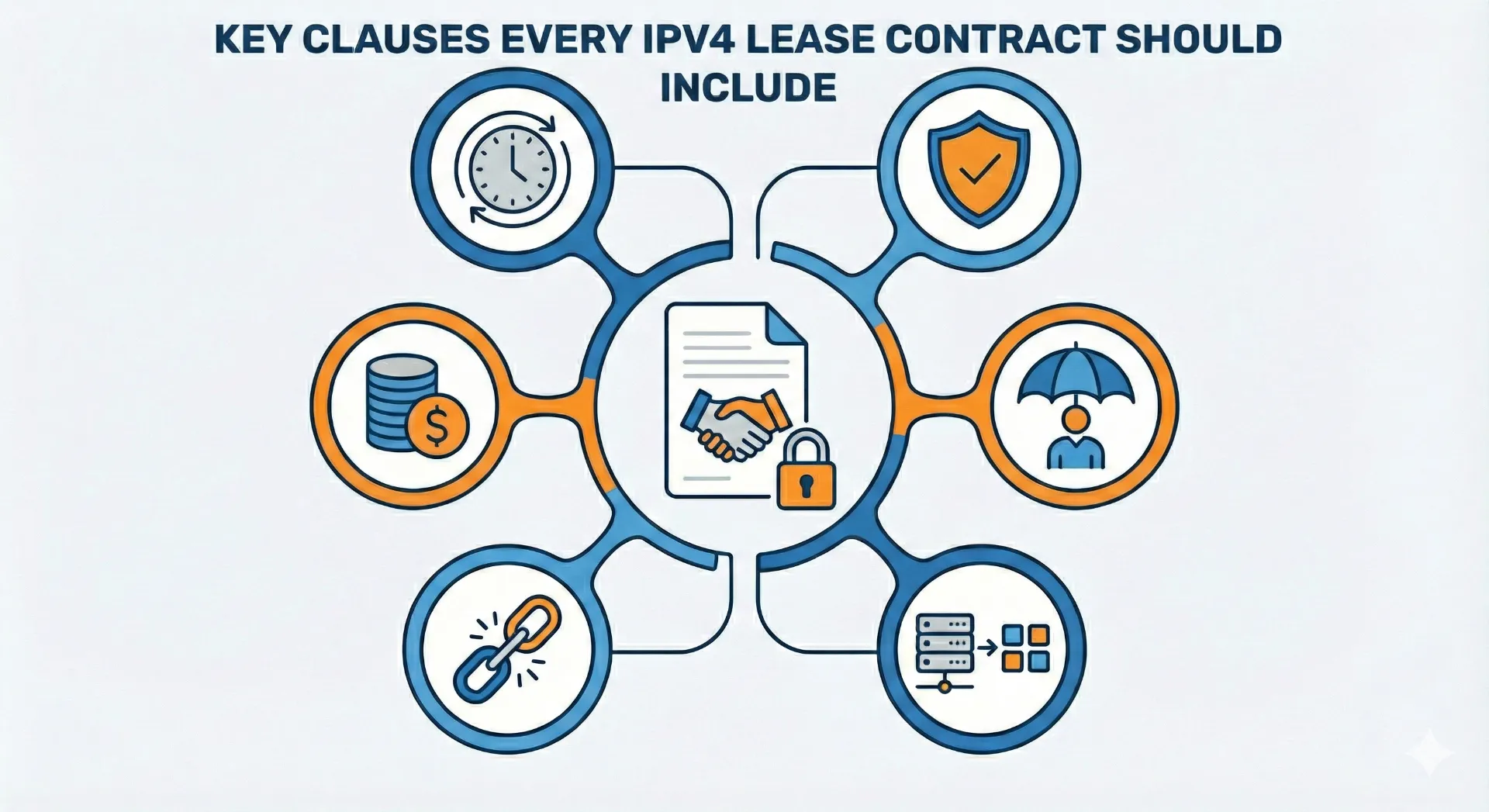
As IPv4 scarcity deepens, carefully drafted lease contracts have become essential tools for managing risk, compliance and long-term network stability. Well-defined IPv4 lease clauses protect both asset value and operational continuity. Clear legal, technical and compliance terms reduce disputes and security exposure throughout the lease lifecycle. Why IPv4 lease contracts deserve closer scrutiny Why IPv4 lease contracts deserve closer scrutiny The exhaustion of the global IPv4 free pool hasRead more
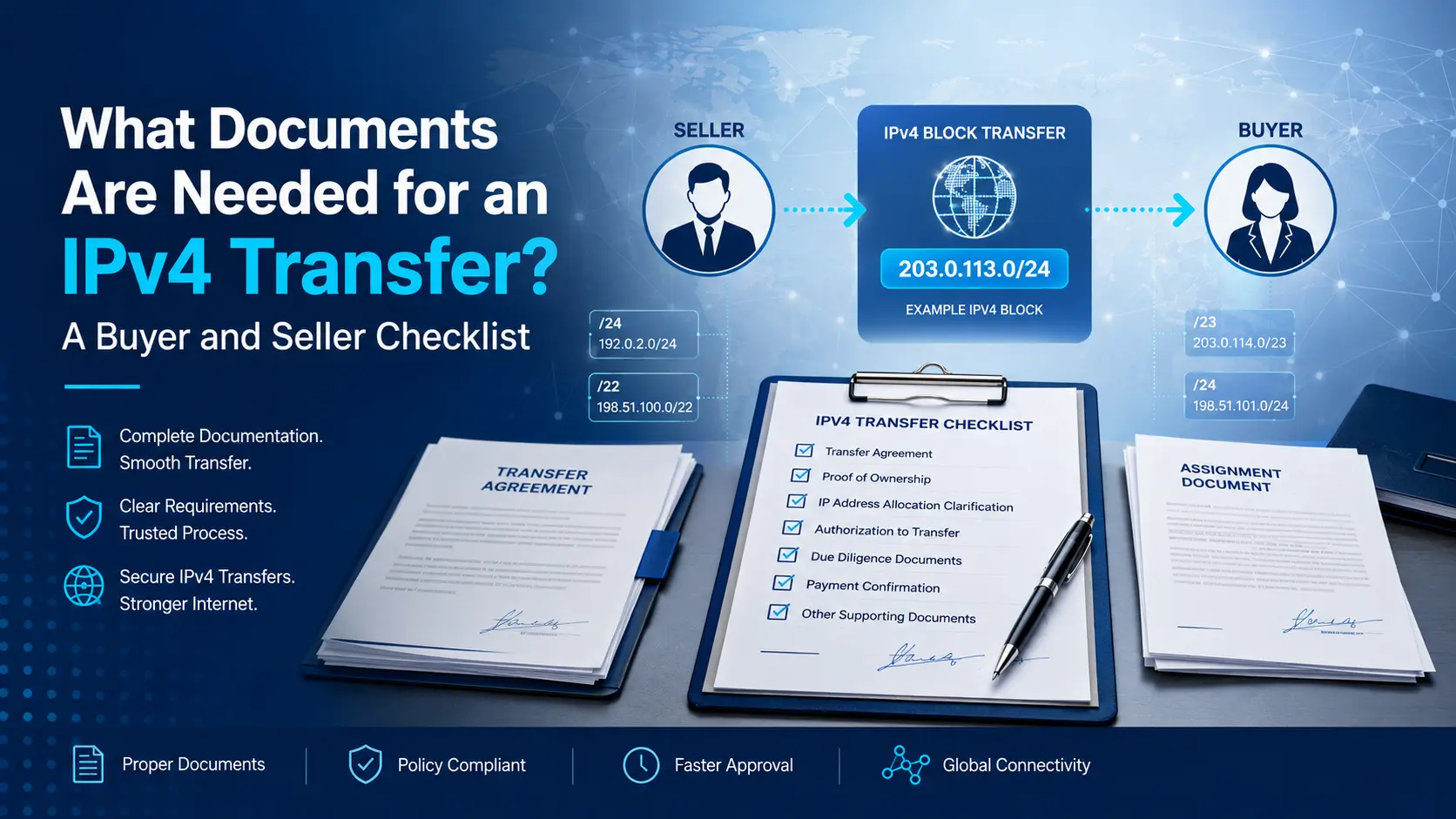
Transferring IPv4 address space from one organization to another involves more than agreeing on a prefix and a price. A Read more
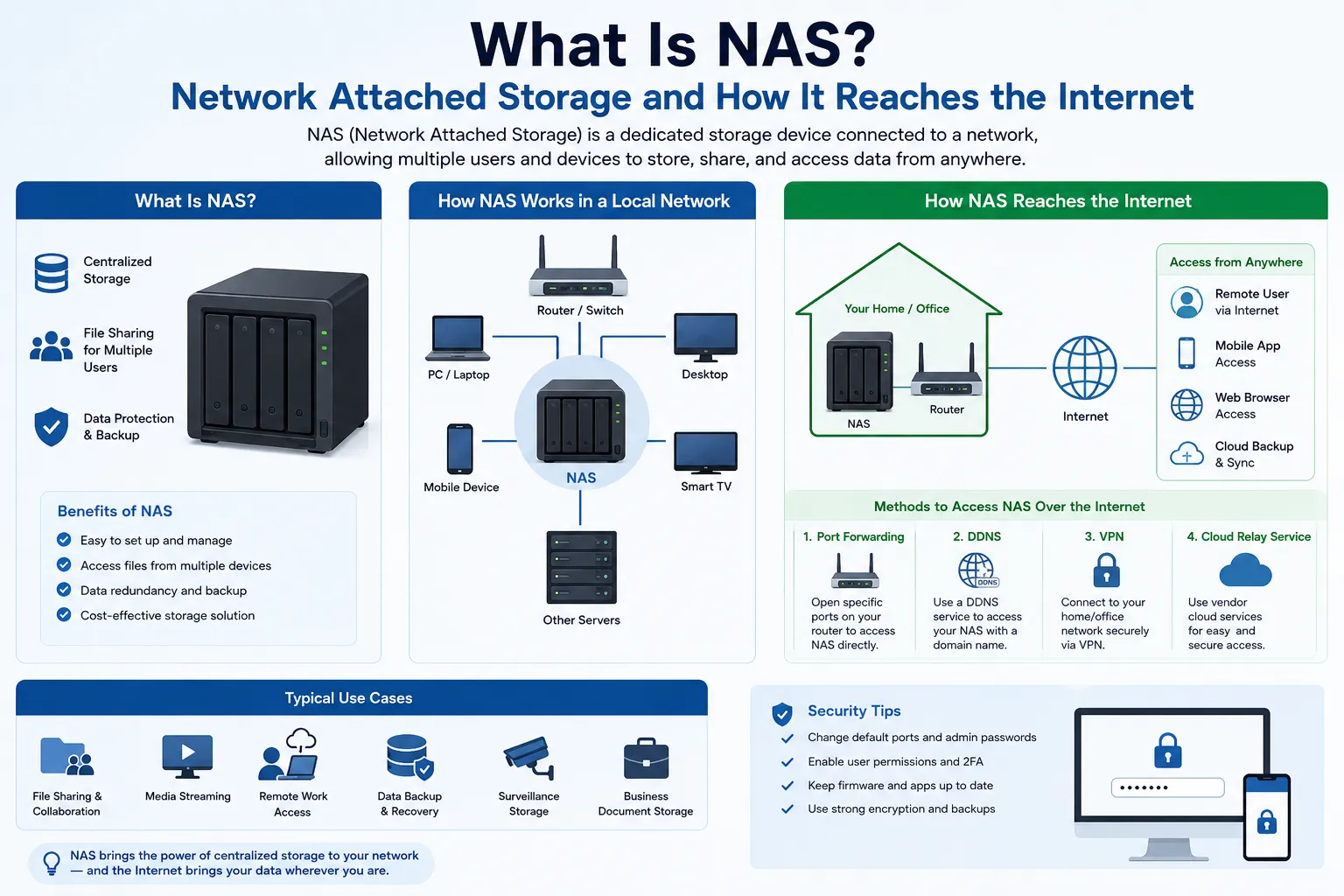
NAS stands for Network Attached Storage. It is a dedicated storage device that connects to a network and serves files Read more
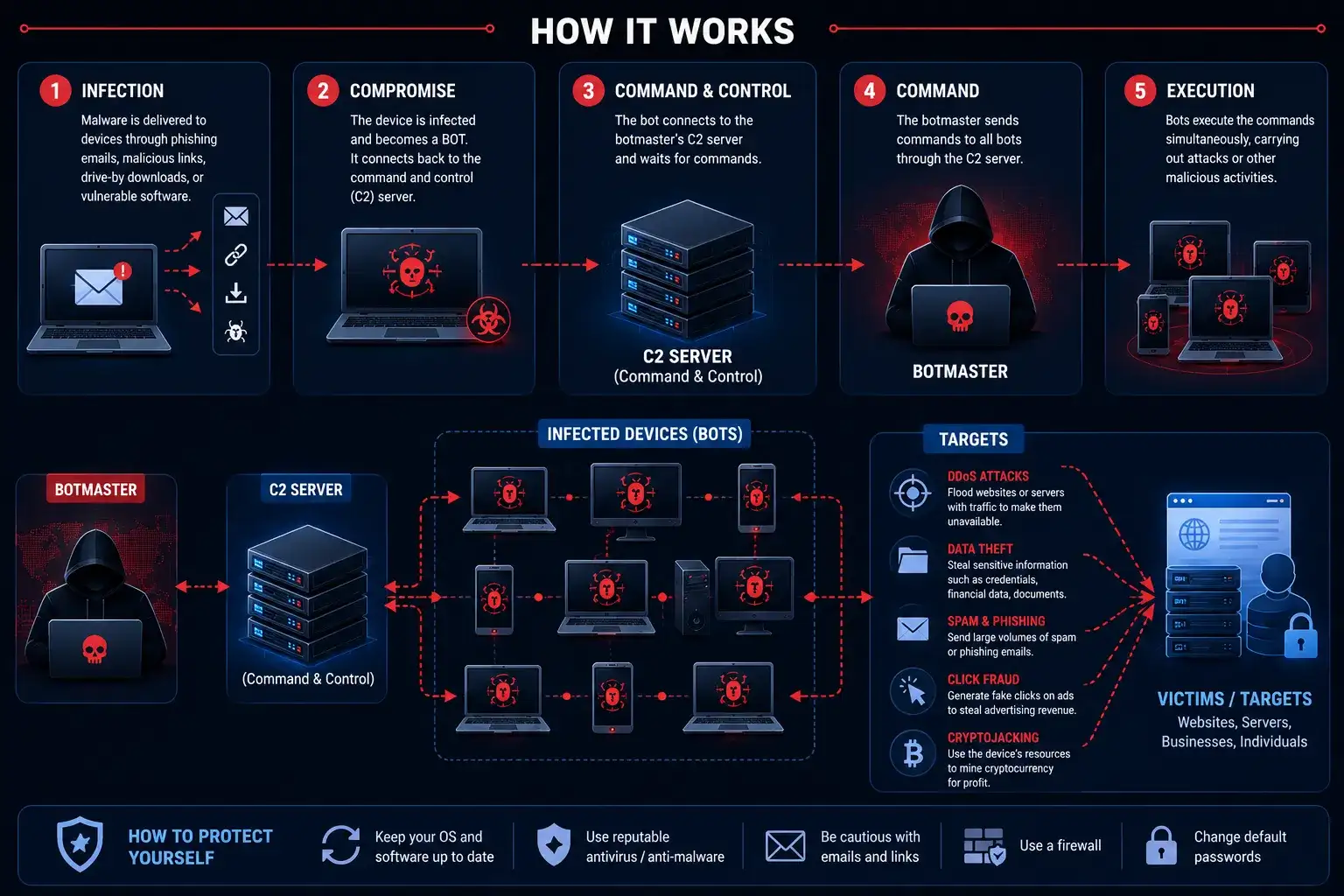
A botnet is a network of compromised computers or devices running malicious software that lets a single operator control them Read more
Key points: IPv4 transfer delays are primarily driven by registry policy complexity and incomplete or inconsistent documentation. Early preparation, pre-approval and professional transfer management can dramatically shorten timelines. IPv4 transfers in an era of scarcity IPv4 transfers were once considered routine administrative procedures. Today, they represent one of the most time-consuming and underestimated processes in enterprise networking. With the global free pool exhausted, every IPv4 address now moves throughRead more
Transferring IPv4 address space from one organization to another involves more than agreeing on a prefix and a price. A Read more
NAS stands for Network Attached Storage. It is a dedicated storage device that connects to a network and serves files Read more
A botnet is a network of compromised computers or devices running malicious software that lets a single operator control them Read more
Standfirst APNIC IPv4 transfers can stall on documentation, timing, and registry hygiene. Preparation, pre-approval, and clean records materially accelerate outcomes. Faster APNIC approvals start with pre-approval, accurate “needs” justification, and prompt acceptance in MyAPNIC within required timeframes. i.Lease-aligned operational discipline—clean provenance, strong IPAM, and governance—reduces delays and protects address reputation during transfers. Why APNIC transfer speed has become a board-level issue For organisations operating in the Asia-Pacific region, IPv4Read more
Transferring IPv4 address space from one organization to another involves more than agreeing on a prefix and a price. A Read more
NAS stands for Network Attached Storage. It is a dedicated storage device that connects to a network and serves files Read more
A botnet is a network of compromised computers or devices running malicious software that lets a single operator control them Read more

Standfirst — As IPv4 remains scarce, some nations show particularly strong demand for legacy IP resources. Knowing which helps guide leasing or acquisition strategies. The United States, China, Japan, Germany and the UK are the top nations demanding IPv4, reflecting both legacy allocation and continuing pressure to support IPv4-only services. For organisations using i.Lease, focusing on these high-demand markets is key — competition is fierce, but so is theRead more
Transferring IPv4 address space from one organization to another involves more than agreeing on a prefix and a price. A Read more
NAS stands for Network Attached Storage. It is a dedicated storage device that connects to a network and serves files Read more
A botnet is a network of compromised computers or devices running malicious software that lets a single operator control them Read more
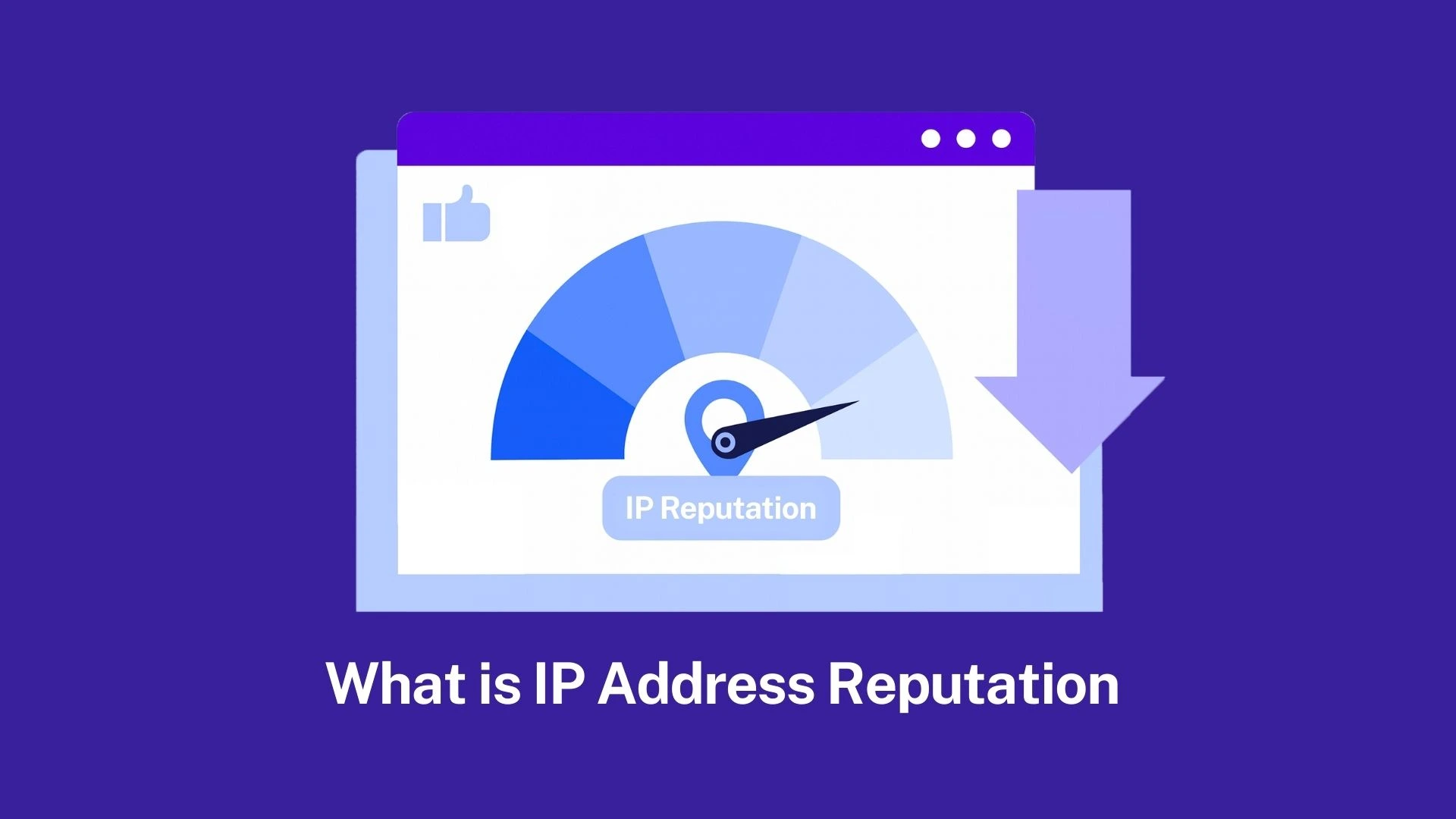
A clear comprehension of the discrepancies between IP reputation and IP risk score constitutes a critical prerequisite for effective cybersecurity governance — the former encapsulates historical trustworthiness, while the latter forecasts potential threat vulnerabilities. For instance, a clean IP will send emails that are not flagged and instead land directly in the inbox. A bad one sends emails that go to spam or never arrives. This rating also allowsRead more
Transferring IPv4 address space from one organization to another involves more than agreeing on a prefix and a price. A Read more
NAS stands for Network Attached Storage. It is a dedicated storage device that connects to a network and serves files Read more
A botnet is a network of compromised computers or devices running malicious software that lets a single operator control them Read more