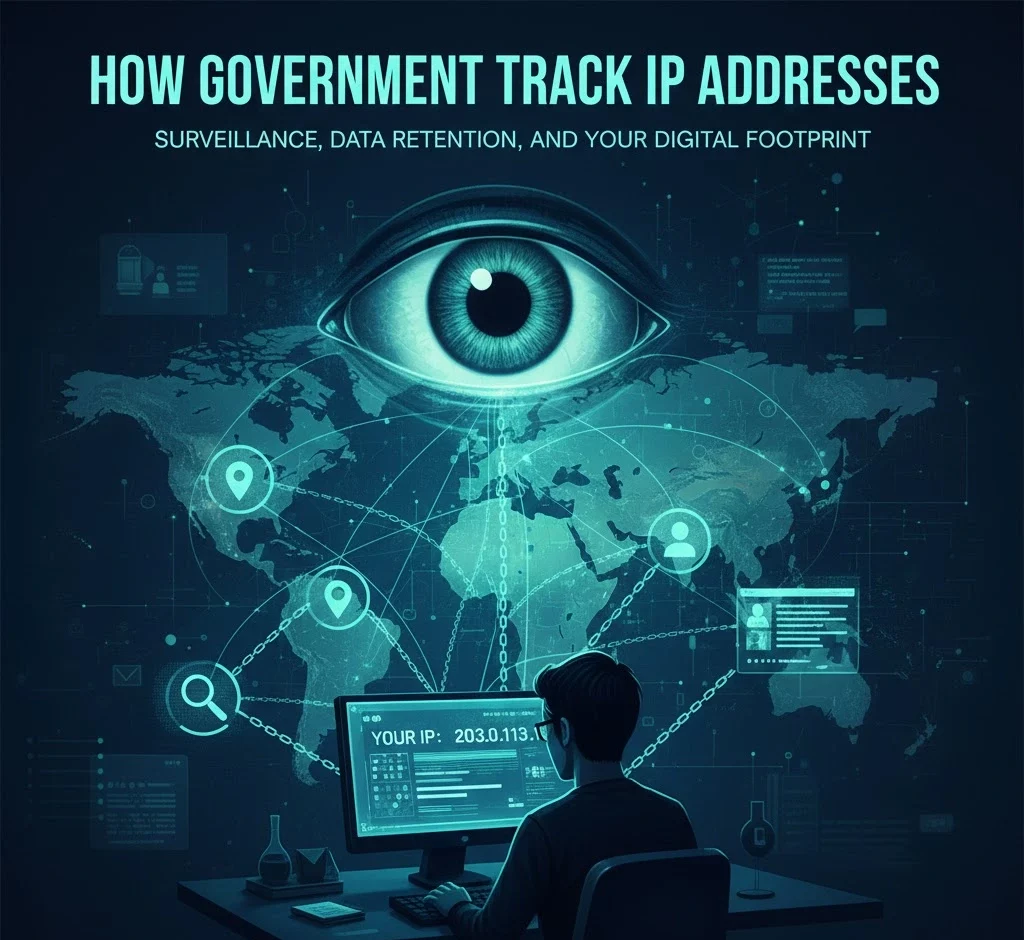
Queries: How does the government track down people using their IP addresses? Why is it difficult for them to catch scammers and hackers? IP addresses serve as unique identifiers for internet users, enabling connectivity and interaction. Governments and law enforcement agencies utilize these digital signatures to track down individuals involved in illegal online activities. However, capturing scammers and hackers isn’t as straightforward as it might seem. DespiteRead more

Transferring IPv4 address space from one organization to another involves more than agreeing on a prefix and a price. A Read more
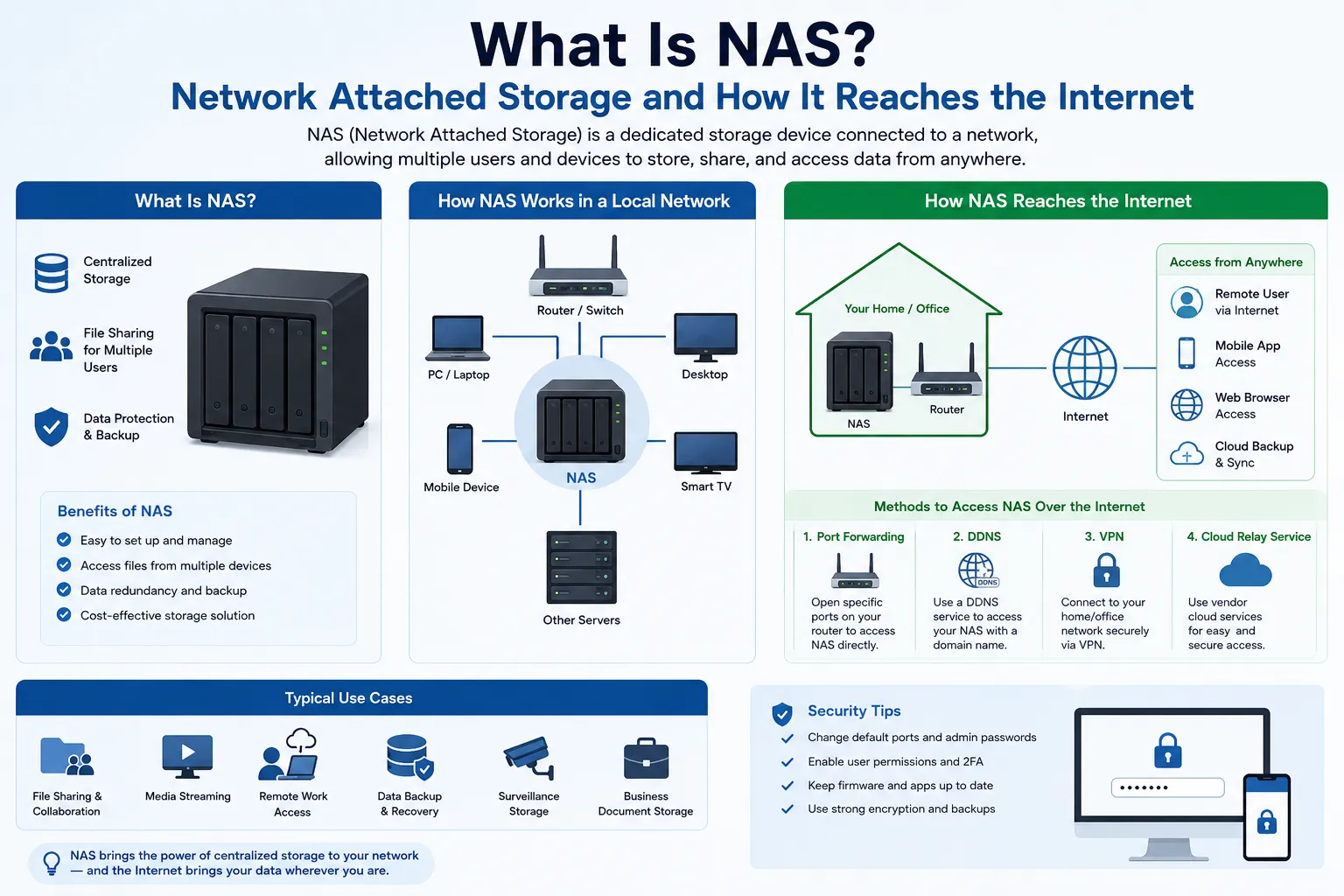
NAS stands for Network Attached Storage. It is a dedicated storage device that connects to a network and serves files Read more
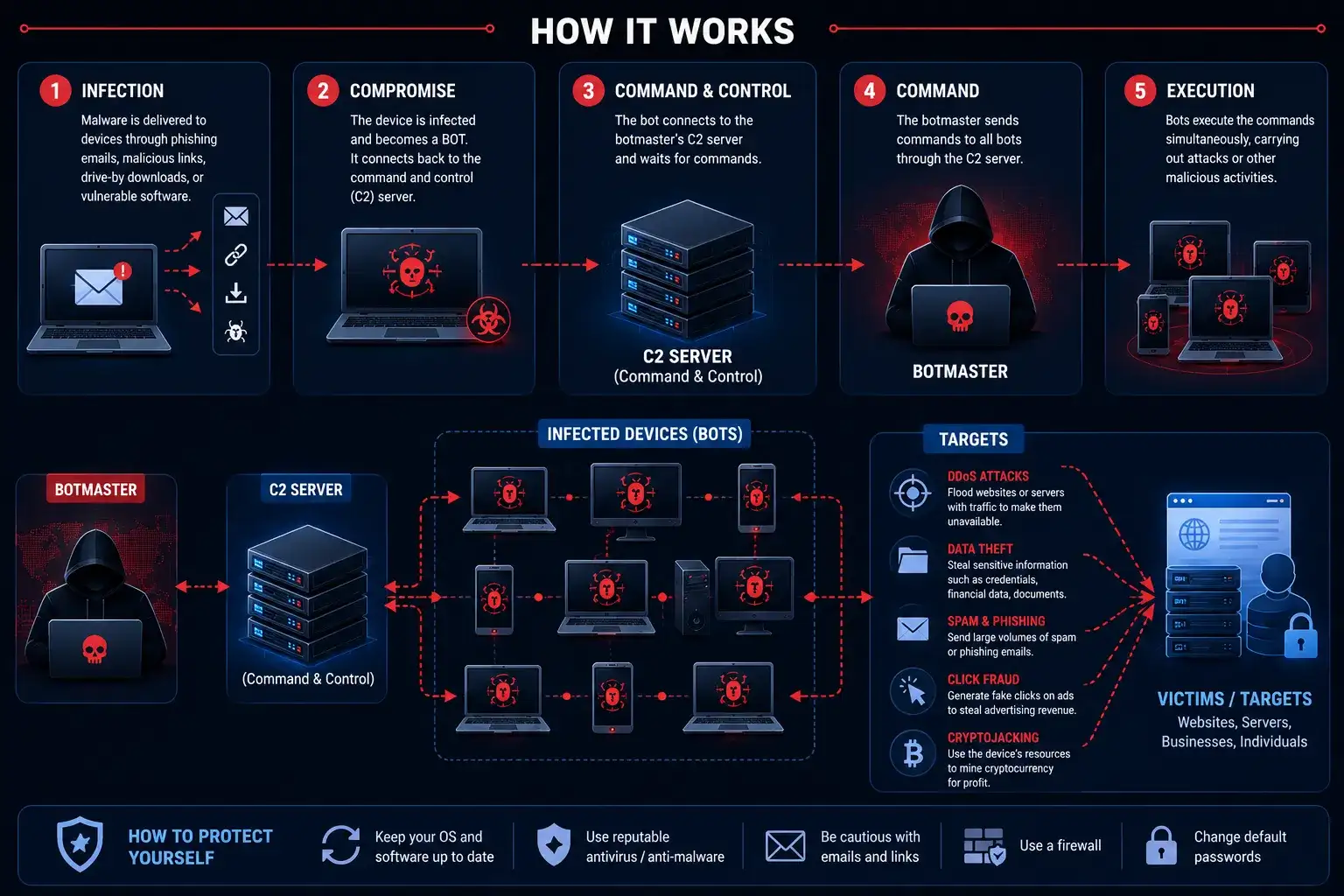
A botnet is a network of compromised computers or devices running malicious software that lets a single operator control them Read more