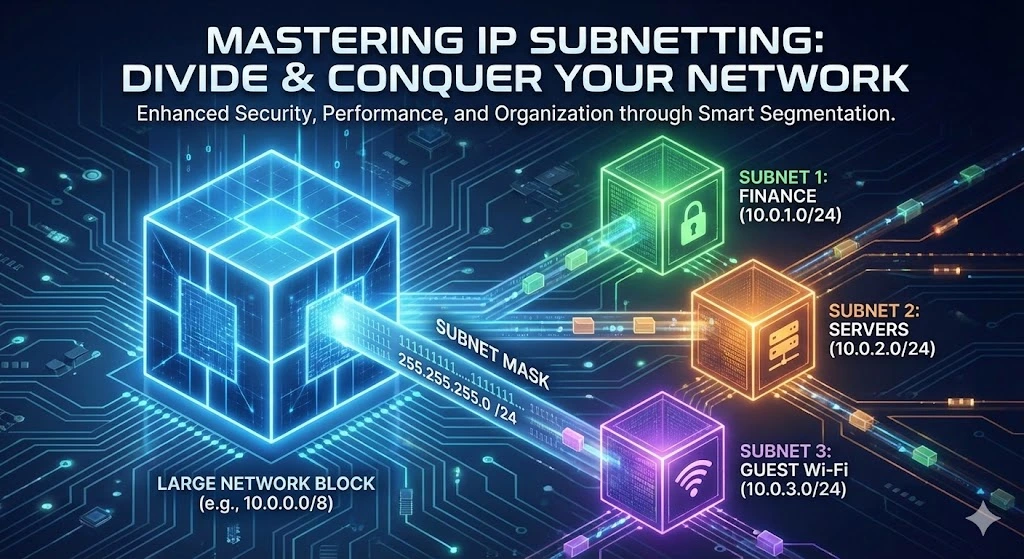
Understanding IP subnetting is essential for designing efficient and scalable networks. Subnetting allows network administrators to divide a single IP address range into smaller, more manageable subnetworks, enabling better organization of network resources and efficient allocation of IP addresses. In this article, we’ll provide a comprehensive introduction to IP subnetting, covering its fundamental concepts, benefits, and practical applications. Before we delve into subnetting, let’s review the basics ofRead more
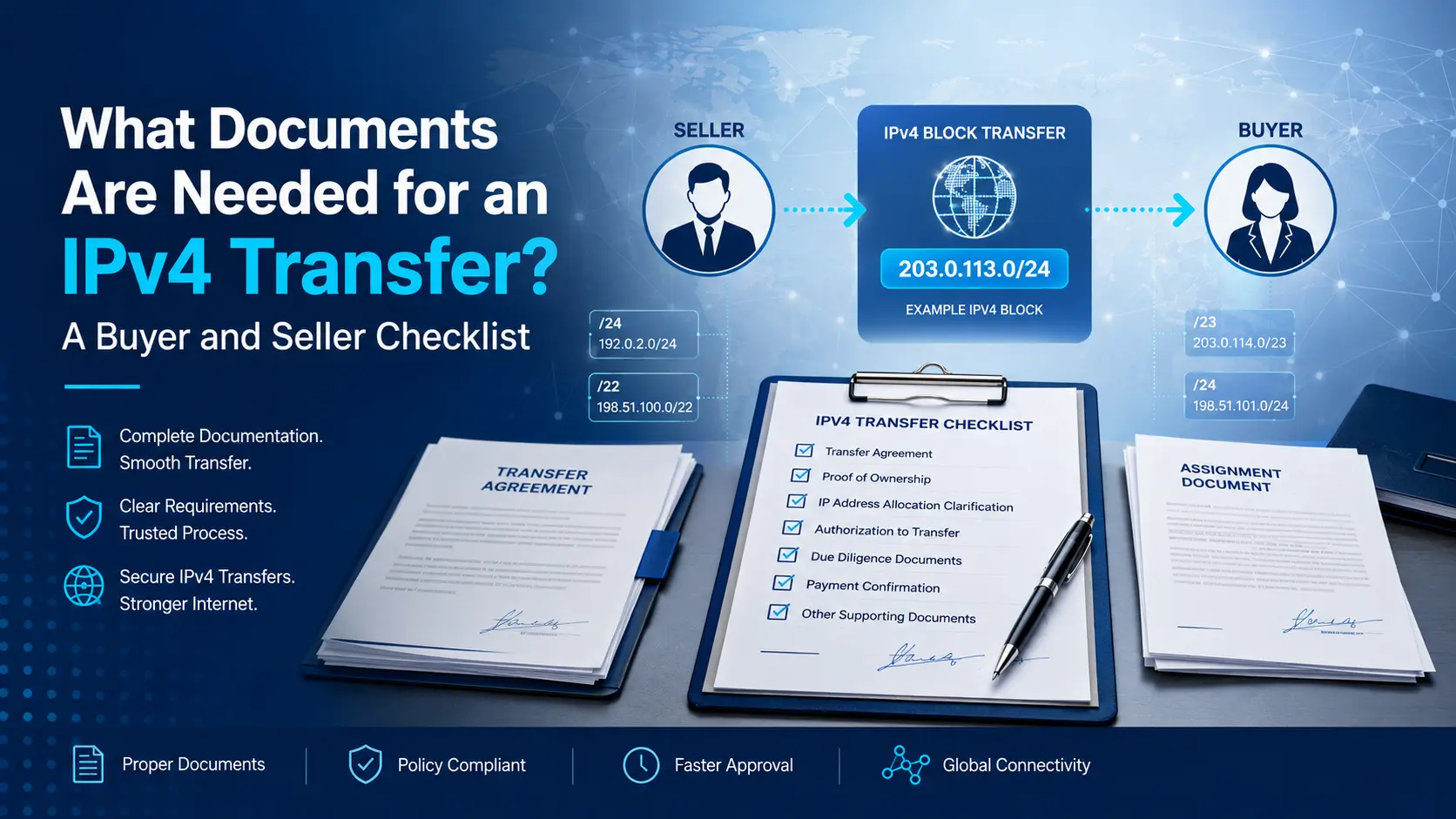
Transferring IPv4 address space from one organization to another involves more than agreeing on a prefix and a price. A Read more
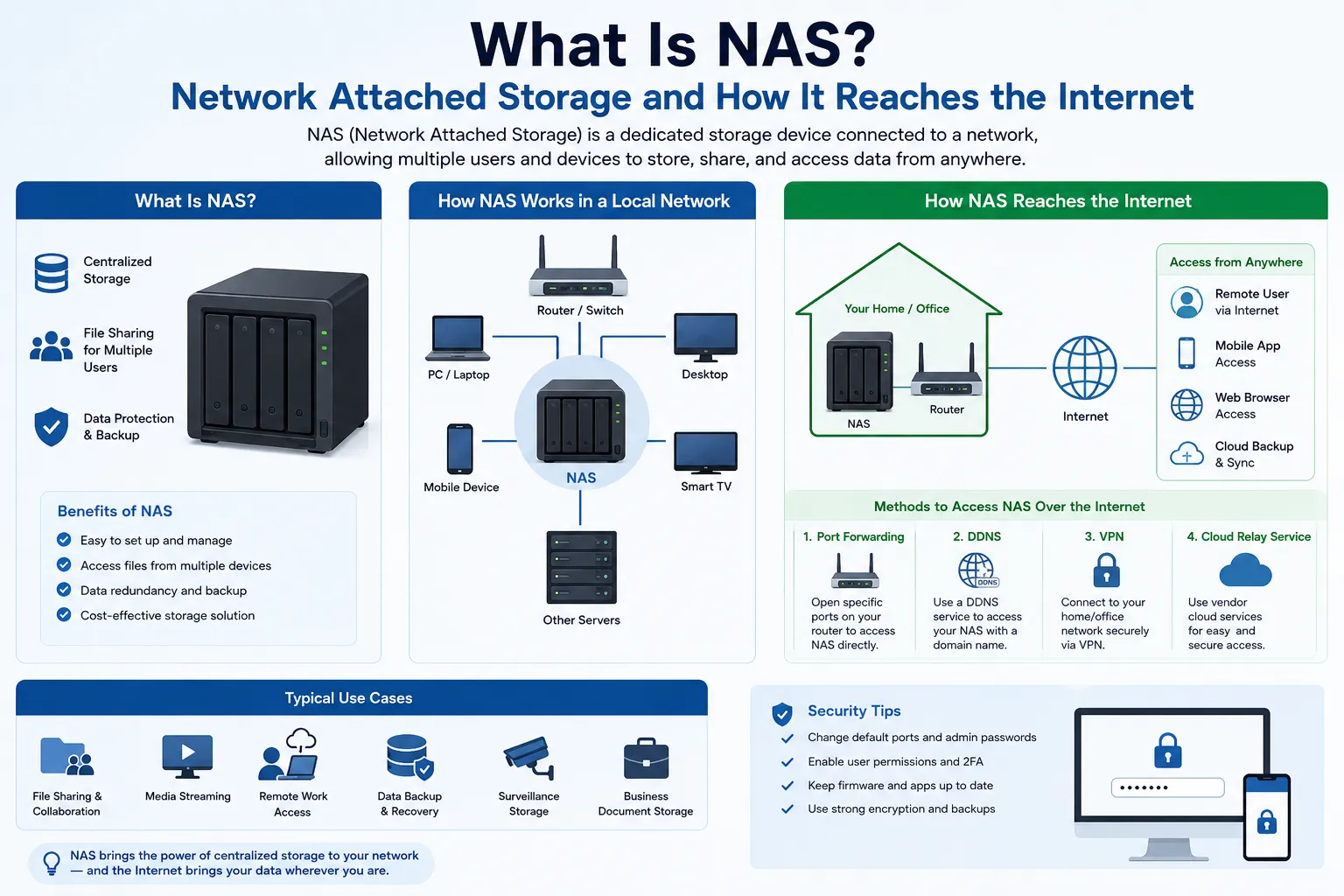
NAS stands for Network Attached Storage. It is a dedicated storage device that connects to a network and serves files Read more
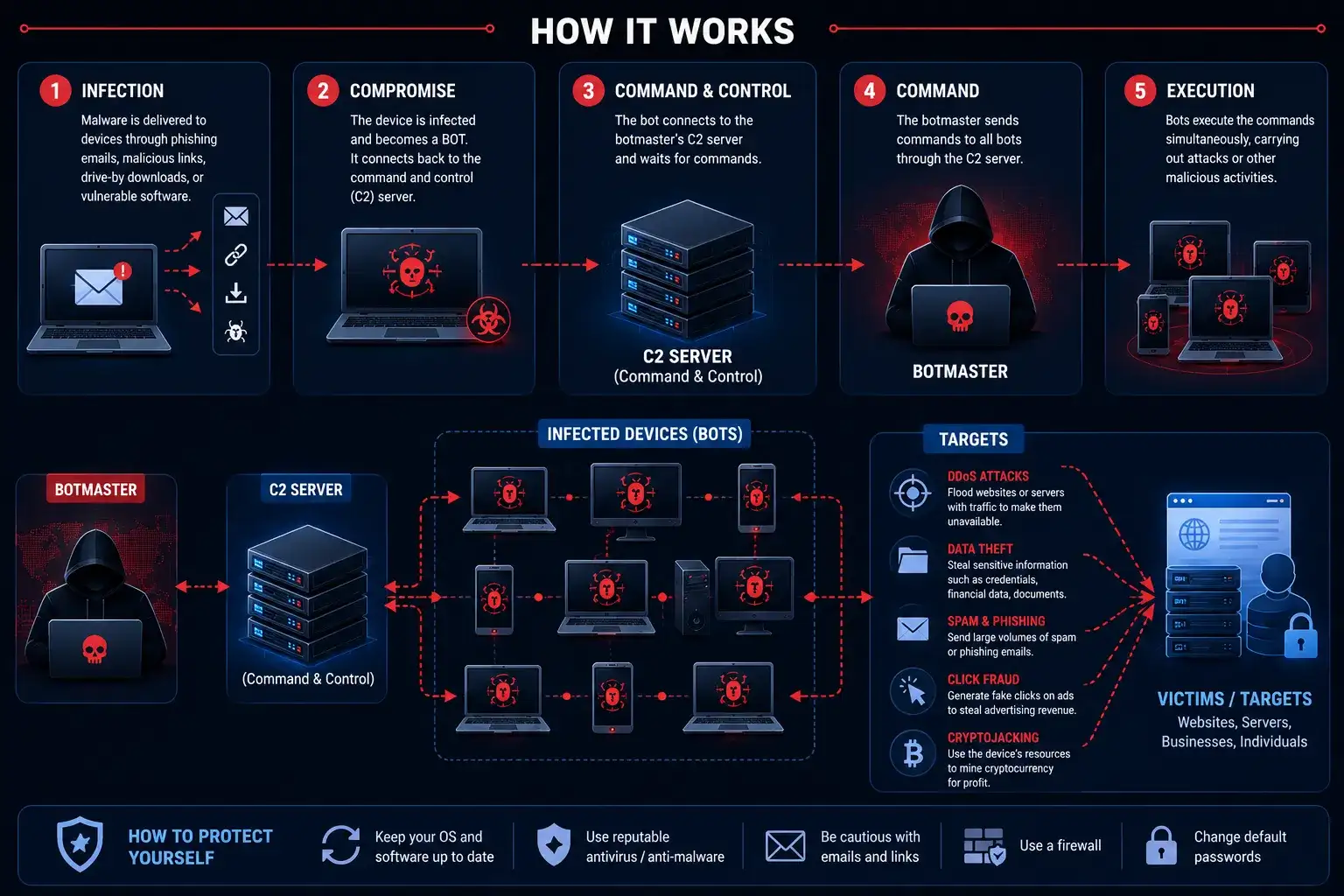
A botnet is a network of compromised computers or devices running malicious software that lets a single operator control them Read more