IPv4, based on a 32-bit system with four blocks of characters, provides approximately four billion addresses. However, with the increasing number of connected devices, IPv4 is no longer sufficient. IPv6, with its 128-bit system, offers an almost infinite number of IP addresses, thanks to eight hexadecimal character blocks. This long-term solution, however, could be a big jump for some small businesses in the United States. As a workable alternative,Read more
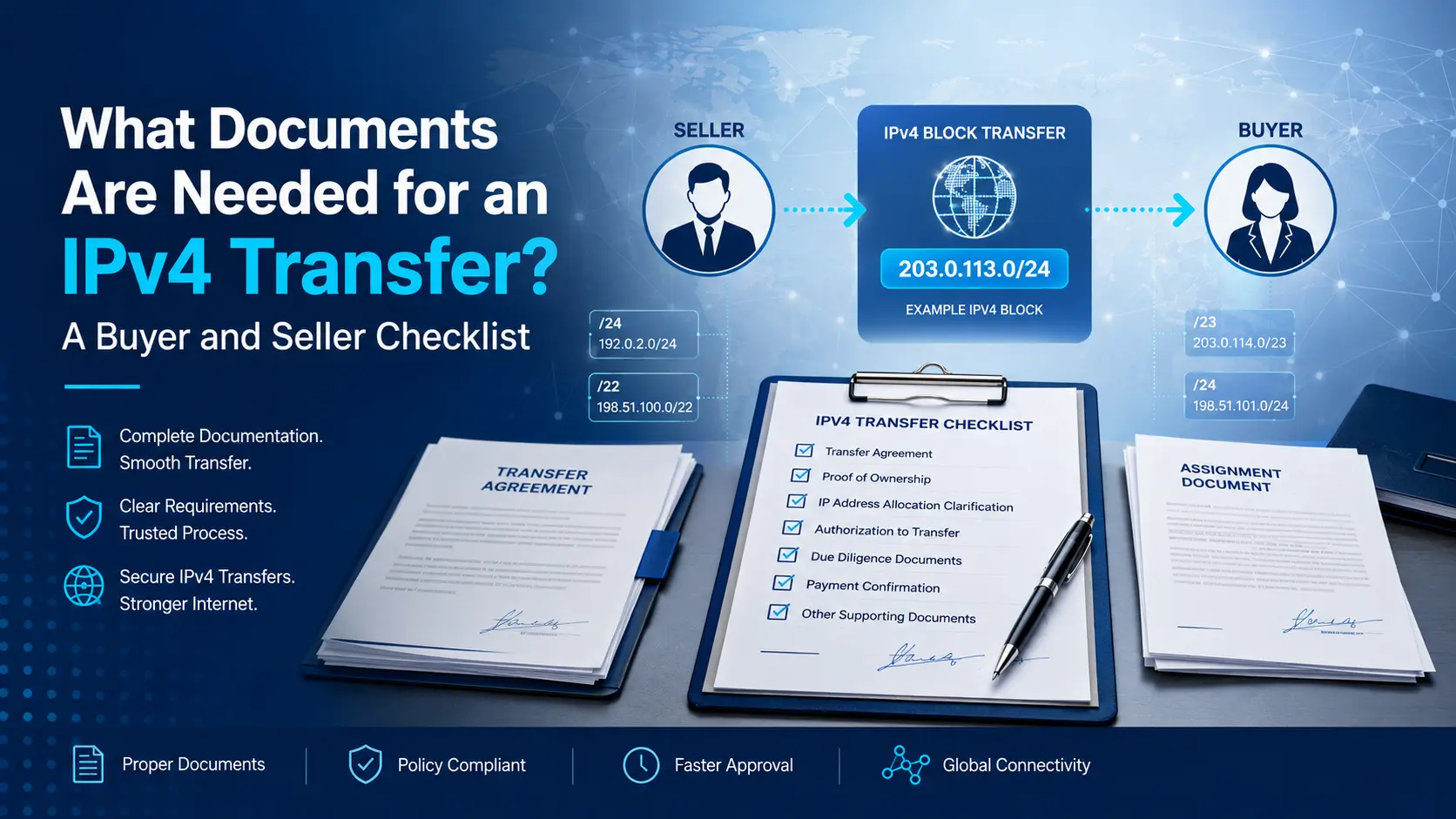
Transferring IPv4 address space from one organization to another involves more than agreeing on a prefix and a price. A Read more
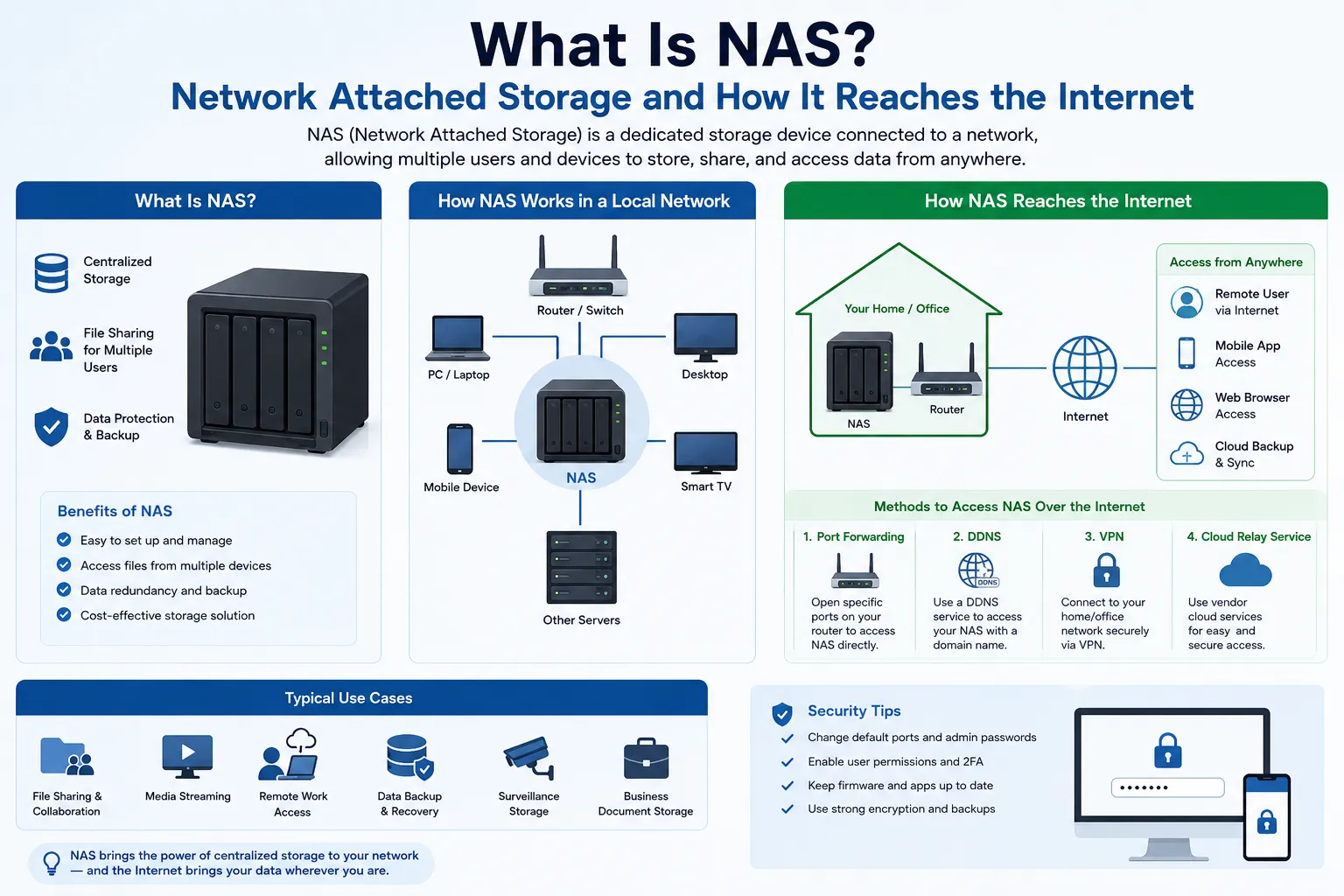
NAS stands for Network Attached Storage. It is a dedicated storage device that connects to a network and serves files Read more
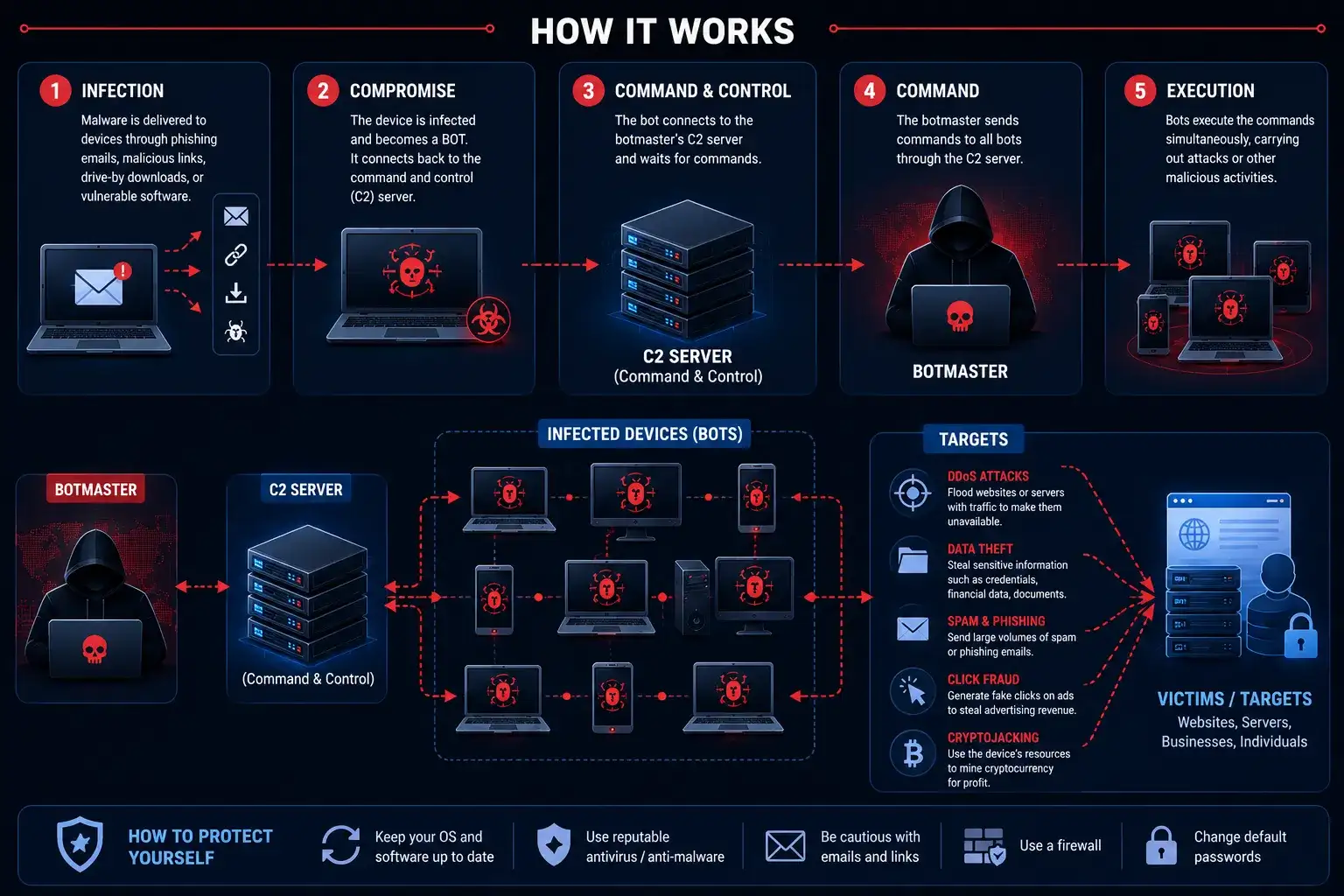
A botnet is a network of compromised computers or devices running malicious software that lets a single operator control them Read more
When a device connects to a network, it needs to follow a certain standard. This standard, called Internet Protocol, allows a device to communicate with other devices. Whether it’s over the Internet or on a local network (like a home or office network), a device needs a network address. A device receives a network address once it connects to a network, typically through a router. To communicate over theRead more
Transferring IPv4 address space from one organization to another involves more than agreeing on a prefix and a price. A Read more
NAS stands for Network Attached Storage. It is a dedicated storage device that connects to a network and serves files Read more
A botnet is a network of compromised computers or devices running malicious software that lets a single operator control them Read more
How Much Does It Cost to Lease IPv4 Addresses? IPv4 leasing is typically priced per IP address per month, although the actual cost depends on the block size, lease duration, IP reputation, routing requirements, region, and operational support included in the agreement. As a general market reference, our 2026 analysis places IPv4 leasing at approximately $0.25 to $0.55 per IPv4 address per month in common scenarios. At that rate,Read more
Transferring IPv4 address space from one organization to another involves more than agreeing on a prefix and a price. A Read more
NAS stands for Network Attached Storage. It is a dedicated storage device that connects to a network and serves files Read more
A botnet is a network of compromised computers or devices running malicious software that lets a single operator control them Read more
Leasing offers a two-way advantage. For lessors, it is an opportunity to make recurring revenue. For lessees, it is a way to meet their needs for IP addresses without making big financial commitments. There are some best practices and pitfalls that come with IP address leasing. These will be discussed later on. For us to have a better picture on the idea of IPv4 leasing, it’s important to takeRead more
Transferring IPv4 address space from one organization to another involves more than agreeing on a prefix and a price. A Read more
NAS stands for Network Attached Storage. It is a dedicated storage device that connects to a network and serves files Read more
A botnet is a network of compromised computers or devices running malicious software that lets a single operator control them Read more

An IPv4 address has 32 bits. But to understand what this truly means, let’s look into what bits are and what an IP address space is. 1.0 What are bits anyway? “Bits ” is short for “binary digits.” A system that uses bits has two states: 0 and 1. By arranging bits in various patterns, we can have different number combinations that we can use as IP addresses. TheRead more
Transferring IPv4 address space from one organization to another involves more than agreeing on a prefix and a price. A Read more
NAS stands for Network Attached Storage. It is a dedicated storage device that connects to a network and serves files Read more
A botnet is a network of compromised computers or devices running malicious software that lets a single operator control them Read more