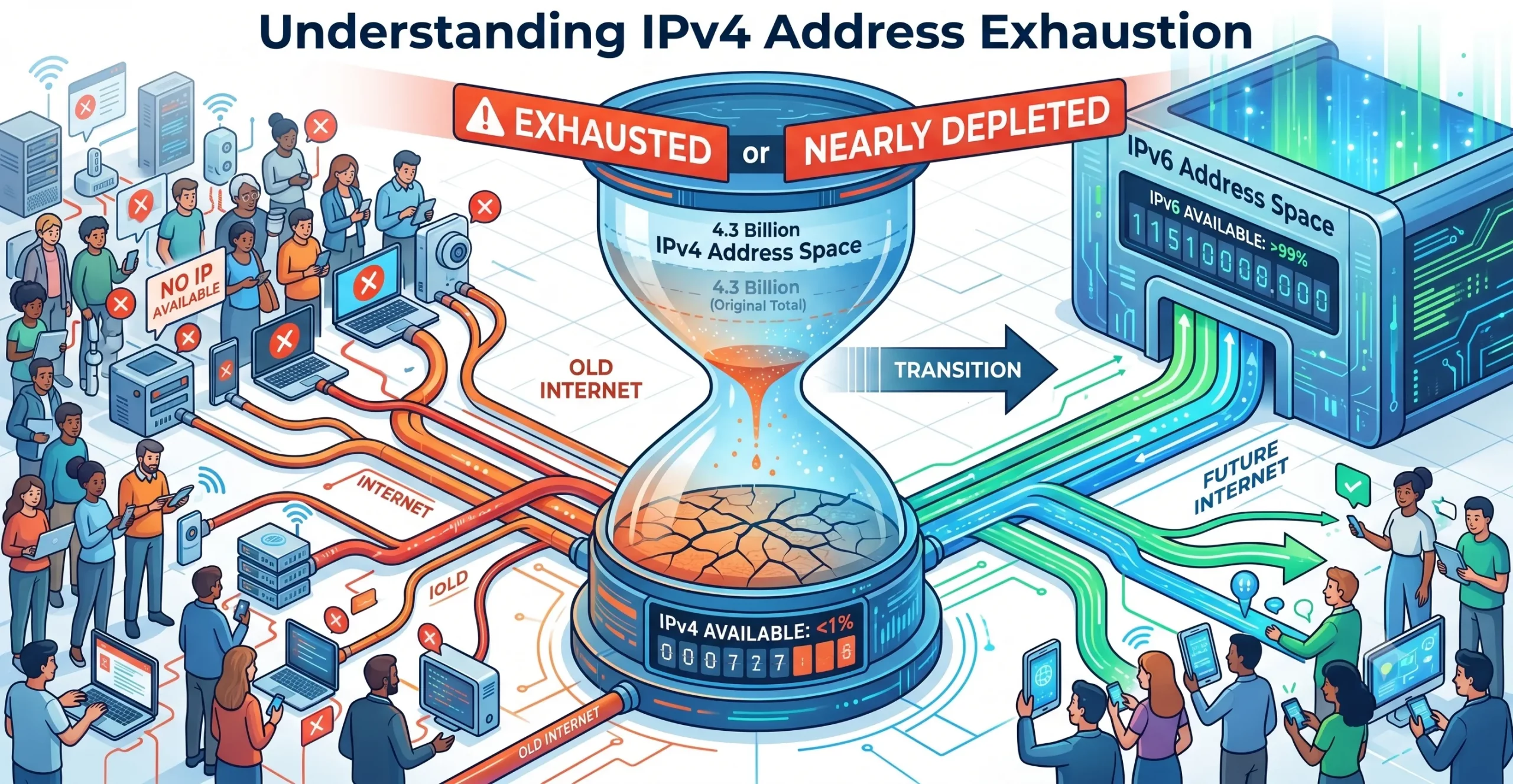
IPv4 address exhaustion refers to the depletion of freely available IPv4 addresses from the original global allocation pools. IPv4 uses a 32-bit address format, which provides about 4.3 billion possible addresses. That number was large enough in the early internet era, but it became limited as the internet expanded into cloud services, mobile networks, data centres, SaaS platforms, IoT, and global digital infrastructure. However, IPv4 exhaustion does not meanRead more
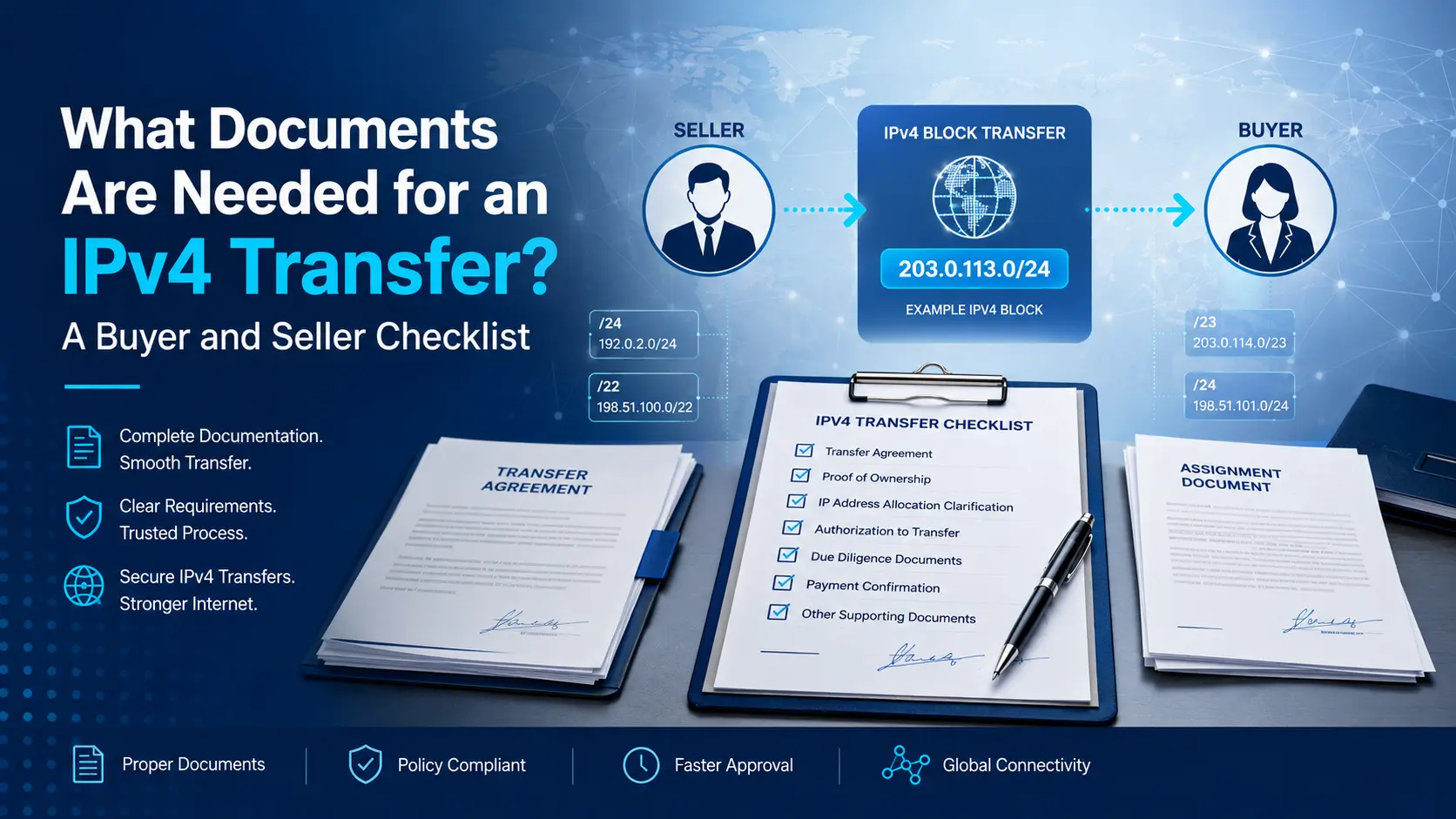
Transferring IPv4 address space from one organization to another involves more than agreeing on a prefix and a price. A Read more
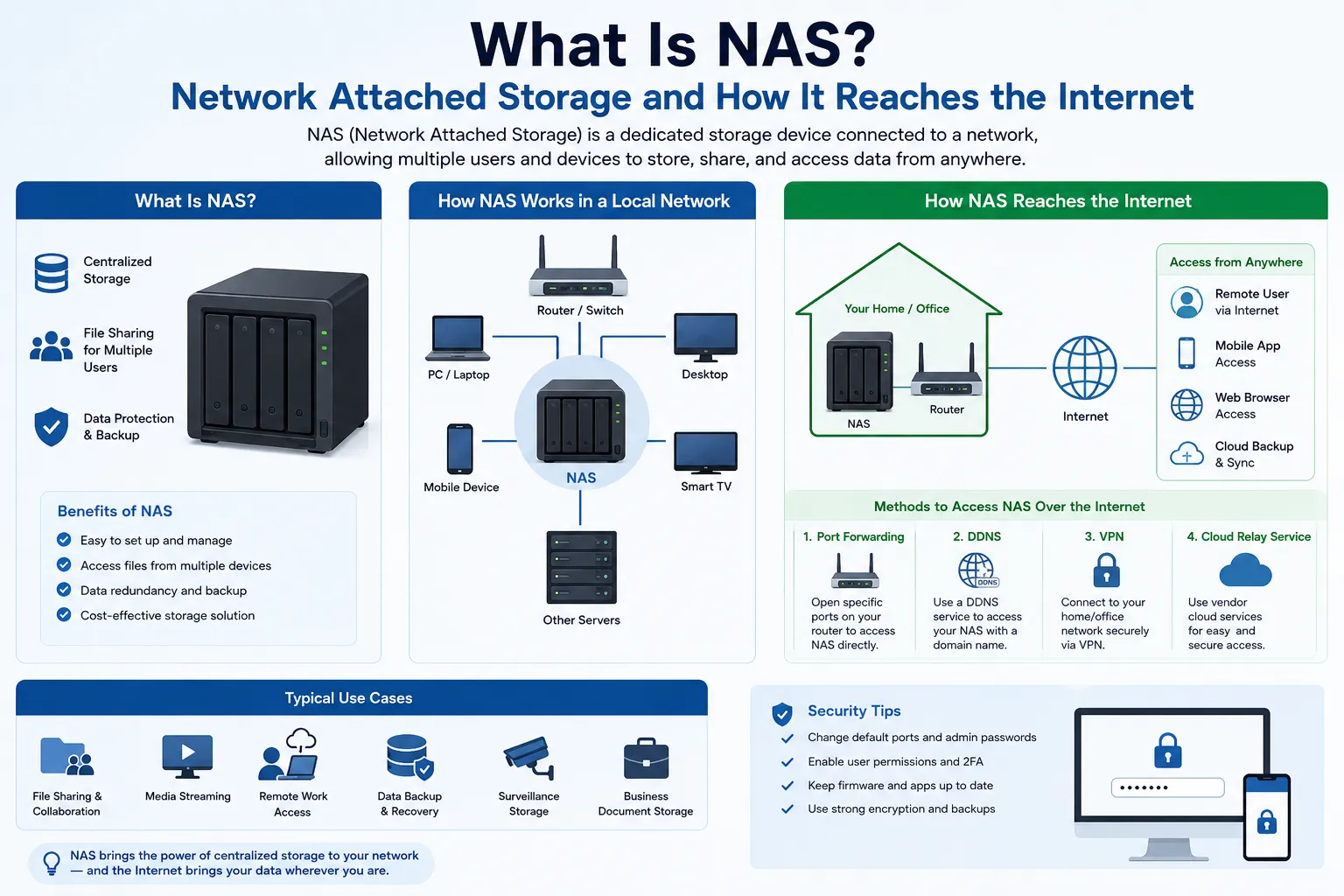
NAS stands for Network Attached Storage. It is a dedicated storage device that connects to a network and serves files Read more
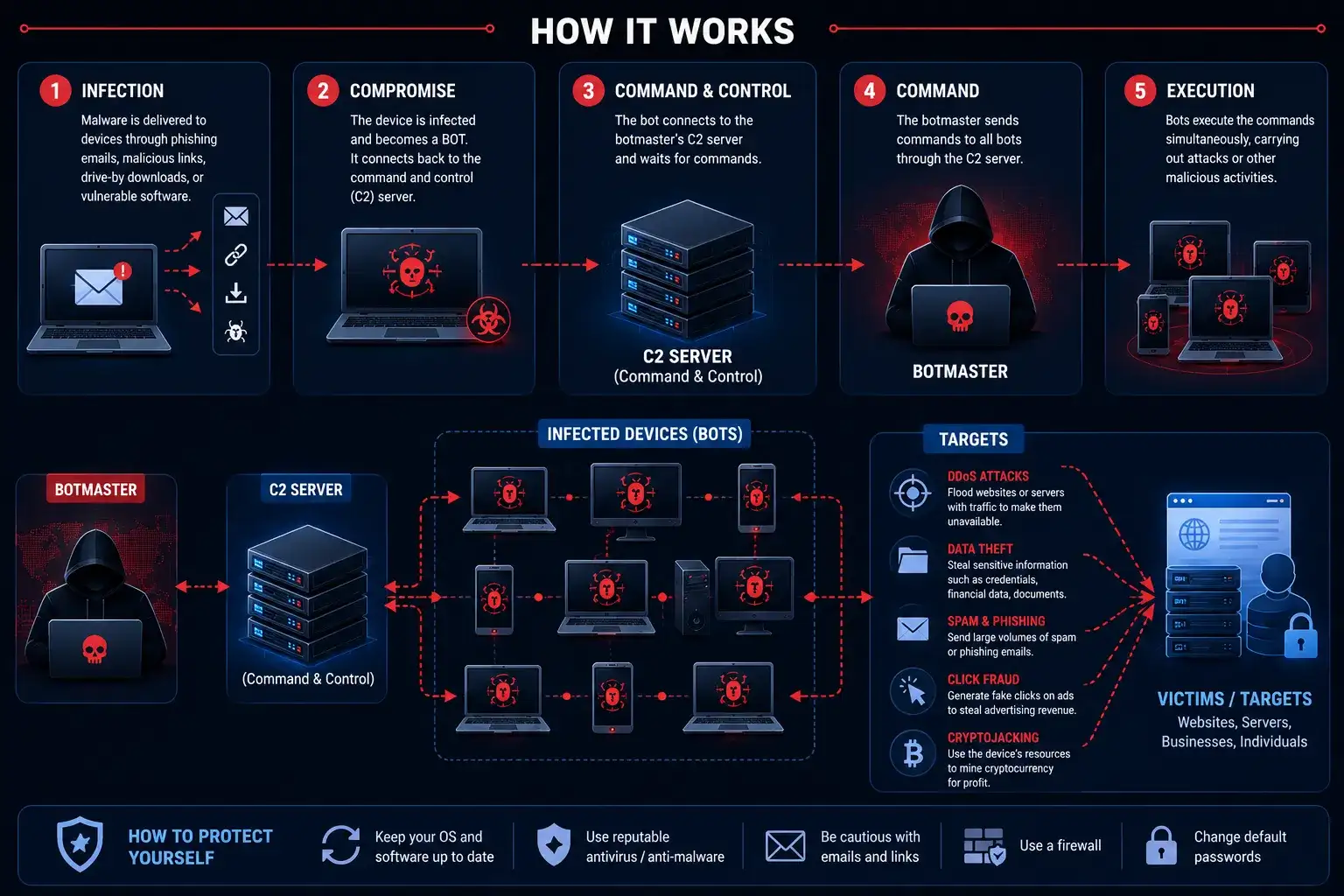
A botnet is a network of compromised computers or devices running malicious software that lets a single operator control them Read more
In IPv4, we use a subnet mask to identify the network that a device belongs to. But for IPv6, we use a prefix instead. How to Identify IPv6 Address on Windows, Mac, Android, and iOS: 1.0 Windows 1. Open a command prompt. 2. Type “ipconfig” and press Enter. 3. Locate the “IPv6 Address” field. An entry in this field indicates the presence of an IPv6 address. 2.0 Mac 1.Read more
Transferring IPv4 address space from one organization to another involves more than agreeing on a prefix and a price. A Read more
NAS stands for Network Attached Storage. It is a dedicated storage device that connects to a network and serves files Read more
A botnet is a network of compromised computers or devices running malicious software that lets a single operator control them Read more

If your growth feels capped by the number of IP addresses available to you, you are not alone. For many businesses, IPv4 capacity quietly becomes the ceiling on how far their online presence can expand. This guide looks at how IPv4 scalability supports business growth, the options available today, and how leasing fits into a flexible expansion plan. IPv4 was designed in the early 1980s, long before anyone couldRead more
Transferring IPv4 address space from one organization to another involves more than agreeing on a prefix and a price. A Read more
NAS stands for Network Attached Storage. It is a dedicated storage device that connects to a network and serves files Read more
A botnet is a network of compromised computers or devices running malicious software that lets a single operator control them Read more
1.0 What is IPv6 Imagine the internet as a vast, intricate network of roads where each device, be it a computer, smartphone, or any internet-enabled gadget, is a vehicle needing a unique address to travel the digital highways. IPv6, the sixth iteration of the Internet Protocol, provides these addresses in the form of a 128-bit hexadecimal value. This extensive address space is a stark contrast to its predecessor, IPv4,Read more
Transferring IPv4 address space from one organization to another involves more than agreeing on a prefix and a price. A Read more
NAS stands for Network Attached Storage. It is a dedicated storage device that connects to a network and serves files Read more
A botnet is a network of compromised computers or devices running malicious software that lets a single operator control them Read more
Introduction IPv6 is becoming more important as businesses prepare for long-term internet growth. It offers a much larger address space than IPv4 and supports modern network expansion, especially for cloud services, mobile networks, IoT, hosting, and global digital infrastructure. However, IPv6 adoption is not yet complete. Many businesses still rely on IPv4 for compatibility, customer access, email systems, hosting, and legacy applications. This means the real question is notRead more
Transferring IPv4 address space from one organization to another involves more than agreeing on a prefix and a price. A Read more
NAS stands for Network Attached Storage. It is a dedicated storage device that connects to a network and serves files Read more
A botnet is a network of compromised computers or devices running malicious software that lets a single operator control them Read more