There are exactly 4,294,967,296 possible IPv4 addresses in the 32-bit IPv4 address space. This number comes from 232, because an IPv4 address contains 32 binary bits. However, 4.29 billion does not mean that 4.29 billion addresses are available for ordinary public Internet use. Large parts of the IPv4 address space are reserved for private networks, loopback communication, multicast, shared address space, documentation, benchmarking, protocol functions, and other special purposes.Read more
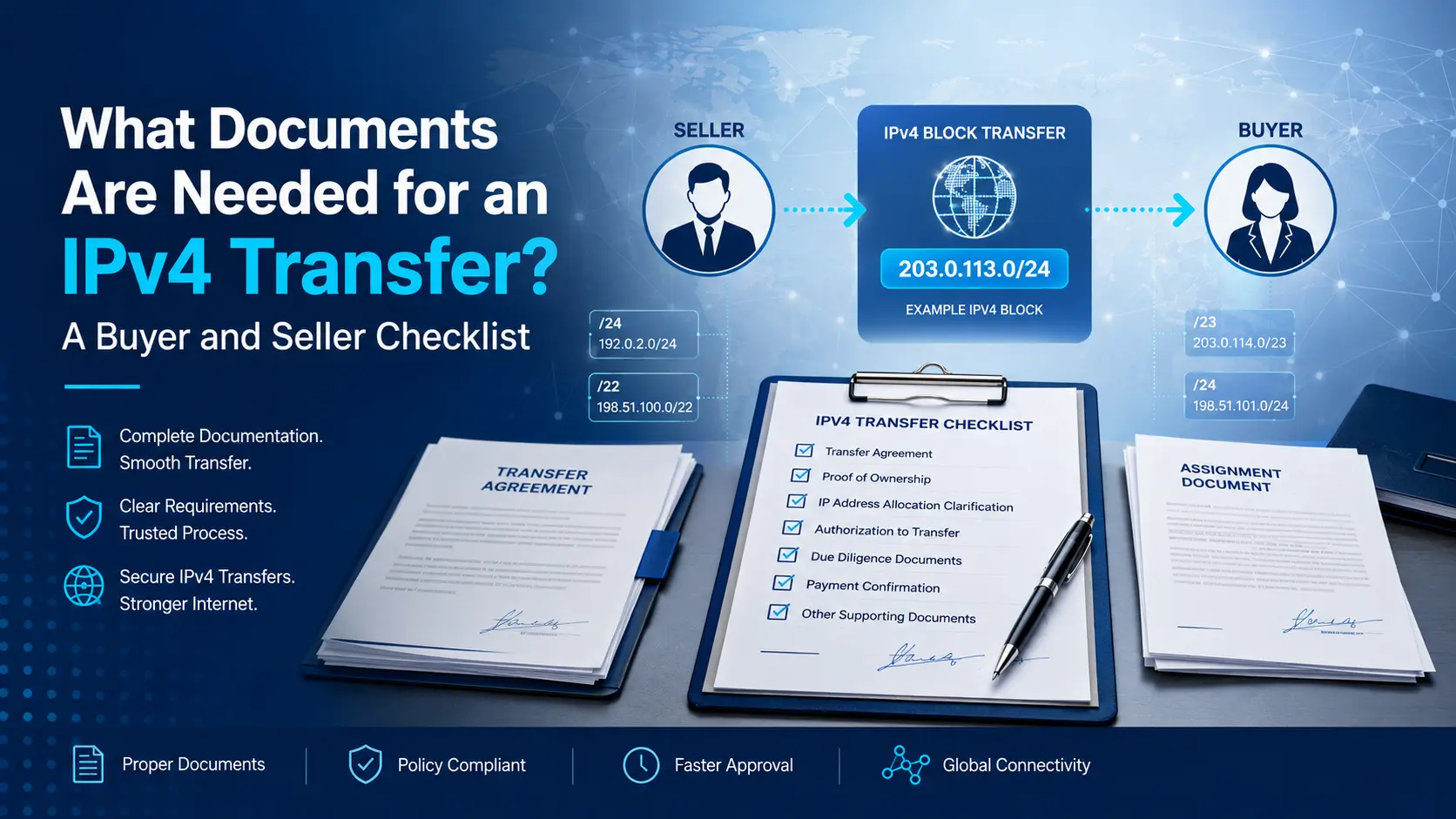
Transferring IPv4 address space from one organization to another involves more than agreeing on a prefix and a price. A Read more
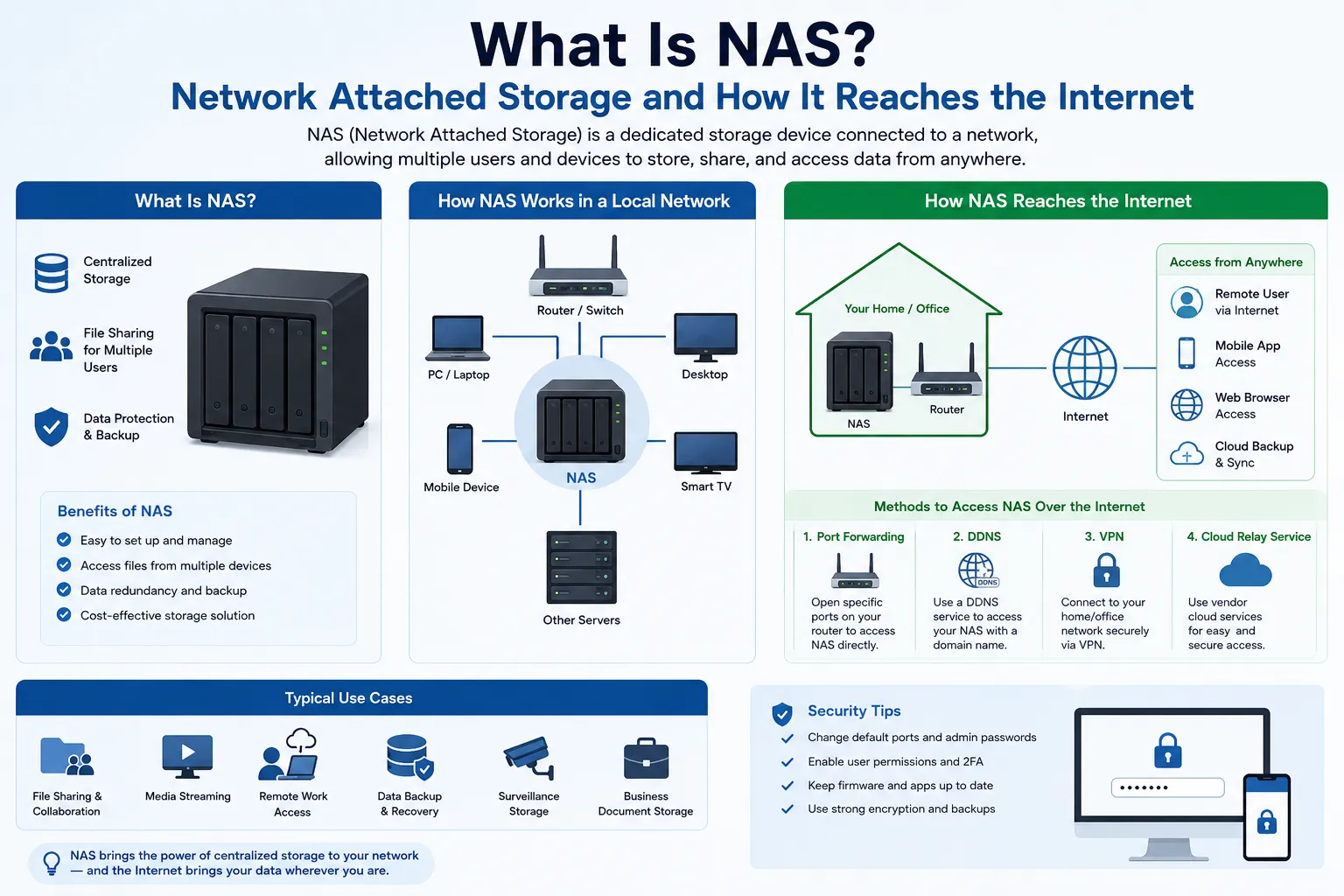
NAS stands for Network Attached Storage. It is a dedicated storage device that connects to a network and serves files Read more
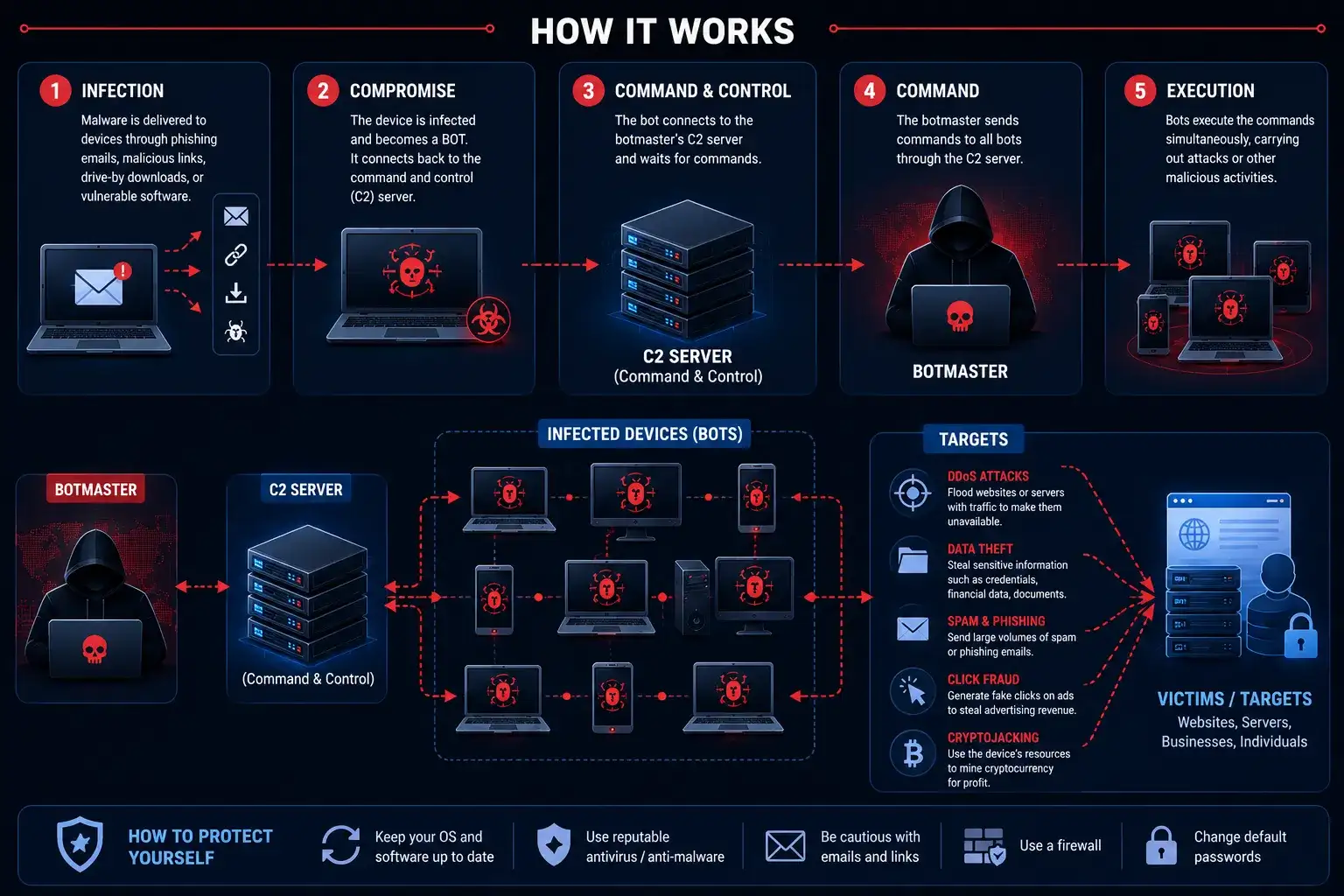
A botnet is a network of compromised computers or devices running malicious software that lets a single operator control them Read more
Devices that connect over the Internet rely on a system called IP addressing to find each other. Currently, there are two versions of IP addressing: IPv4 and IPv6. Let’s look into the future of IPv4 and IPv4 vs IPv6 IPv4, the older iteration, was developed in the 1970s and utilizes 32-bit addresses. There are only 4.3 billion available addresses– a small number when you think about the smartphones, tablets, andRead more
Transferring IPv4 address space from one organization to another involves more than agreeing on a prefix and a price. A Read more
NAS stands for Network Attached Storage. It is a dedicated storage device that connects to a network and serves files Read more
A botnet is a network of compromised computers or devices running malicious software that lets a single operator control them Read more
When a device connects to a network, it needs to follow a certain standard. This standard, called Internet Protocol, allows a device to communicate with other devices. Whether it’s over the Internet or on a local network (like a home or office network), a device needs a network address. A device receives a network address once it connects to a network, typically through a router. To communicate over theRead more
Transferring IPv4 address space from one organization to another involves more than agreeing on a prefix and a price. A Read more
NAS stands for Network Attached Storage. It is a dedicated storage device that connects to a network and serves files Read more
A botnet is a network of compromised computers or devices running malicious software that lets a single operator control them Read more