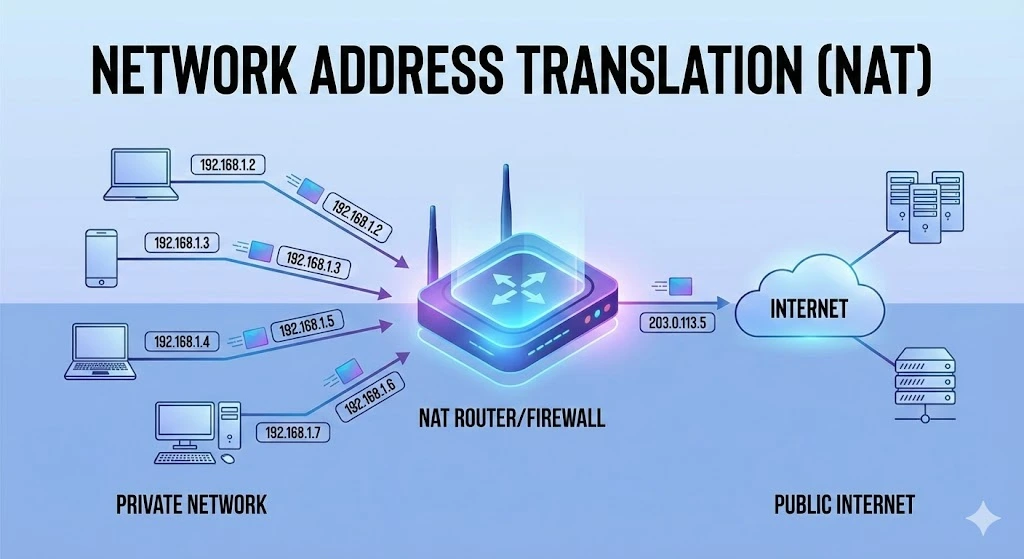
In networking, managing IP addresses efficiently ensures seamless communication between devices. One key technology that has emerged to address this challenge is Network Address Translation (NAT). This article explores what NAT is, how it works, its types, and its benefits and limitations. What is Network Address Translation (NAT)? Network Address Translation (NAT) is a method used in networking to modify network address information in the IP header of packetsRead more

Transferring IPv4 address space from one organization to another involves more than agreeing on a prefix and a price. A Read more
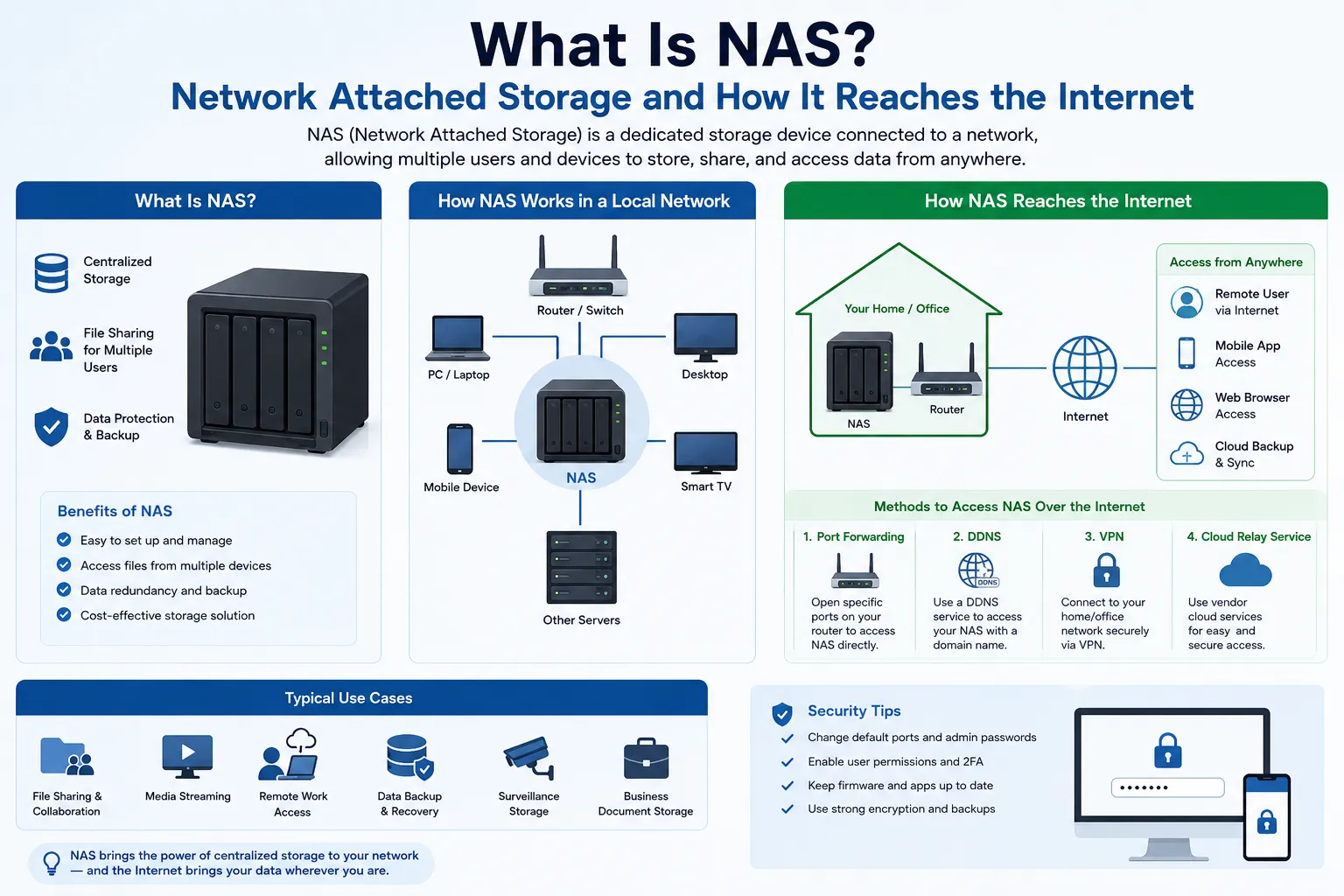
NAS stands for Network Attached Storage. It is a dedicated storage device that connects to a network and serves files Read more

A botnet is a network of compromised computers or devices running malicious software that lets a single operator control them Read more