An allocation can run out for many reasons. The most obvious is growth. As a business adds customers or devices, the number of addresses needed keeps rising. What seemed like a large block a few years ago may look very small once demand doubles or triples. Cloud services, streaming platforms, and mobile apps all consume huge amounts of space, and growth in these areas pushes companies past their limits.Read more
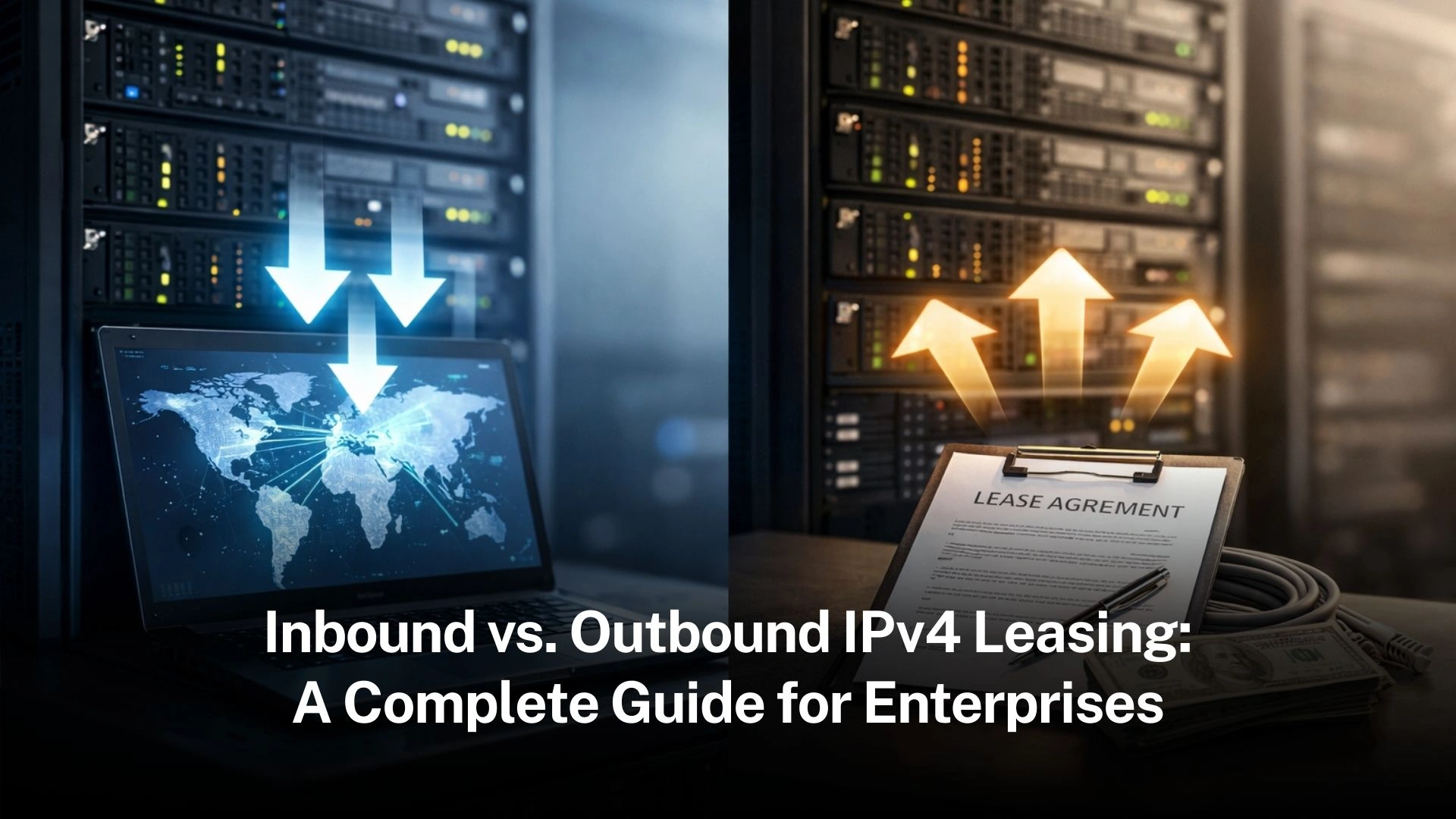
Understanding IPv4 leasing helps enterprises manage scarce address space, reducing risk and unlocking strategic growth opportunities in today’s digital economy. Key Read more
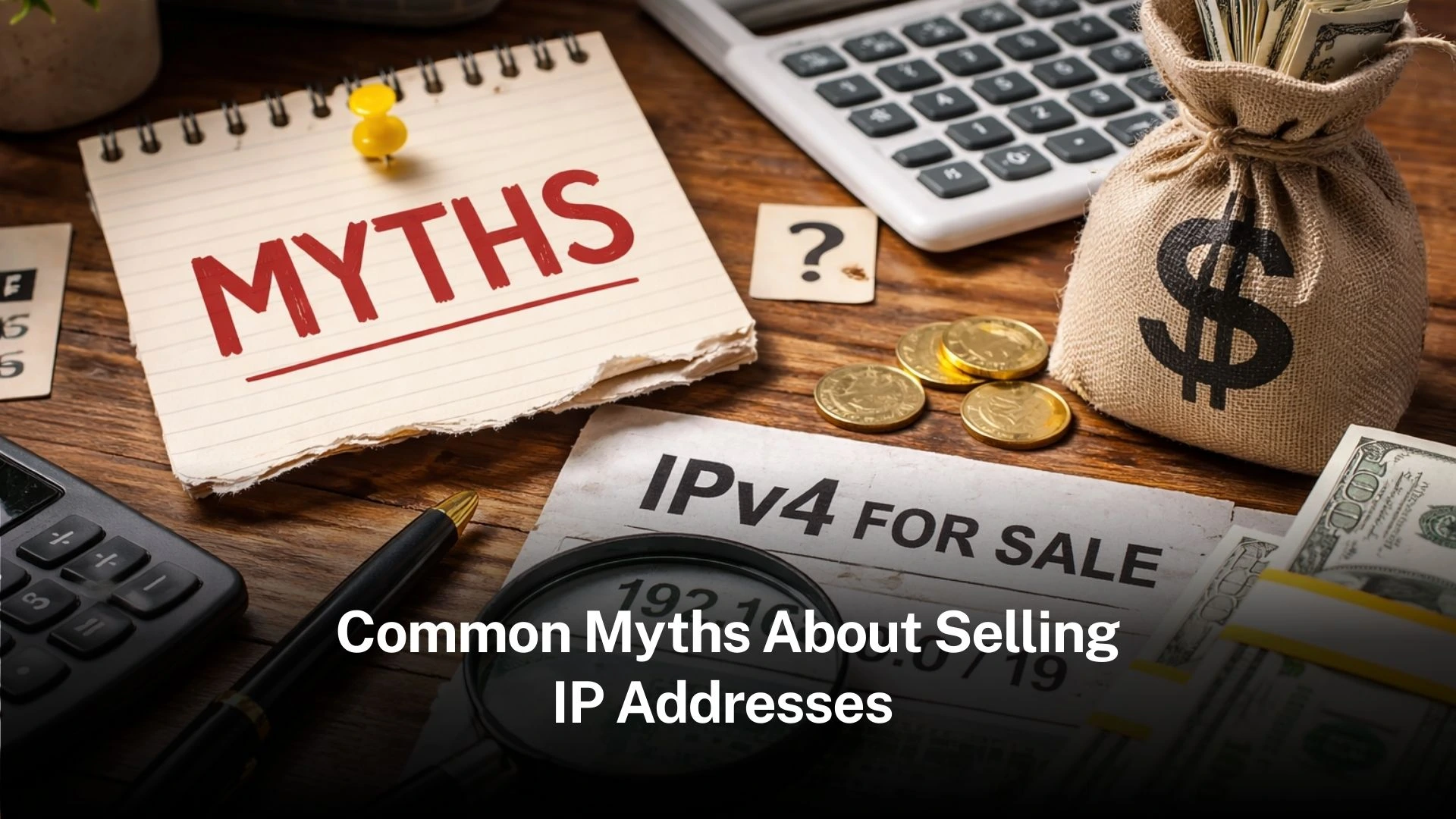
The IPv4 secondary market is often shrouded in mystery, leading many organizations to sit on valuable digital assets because they Read more
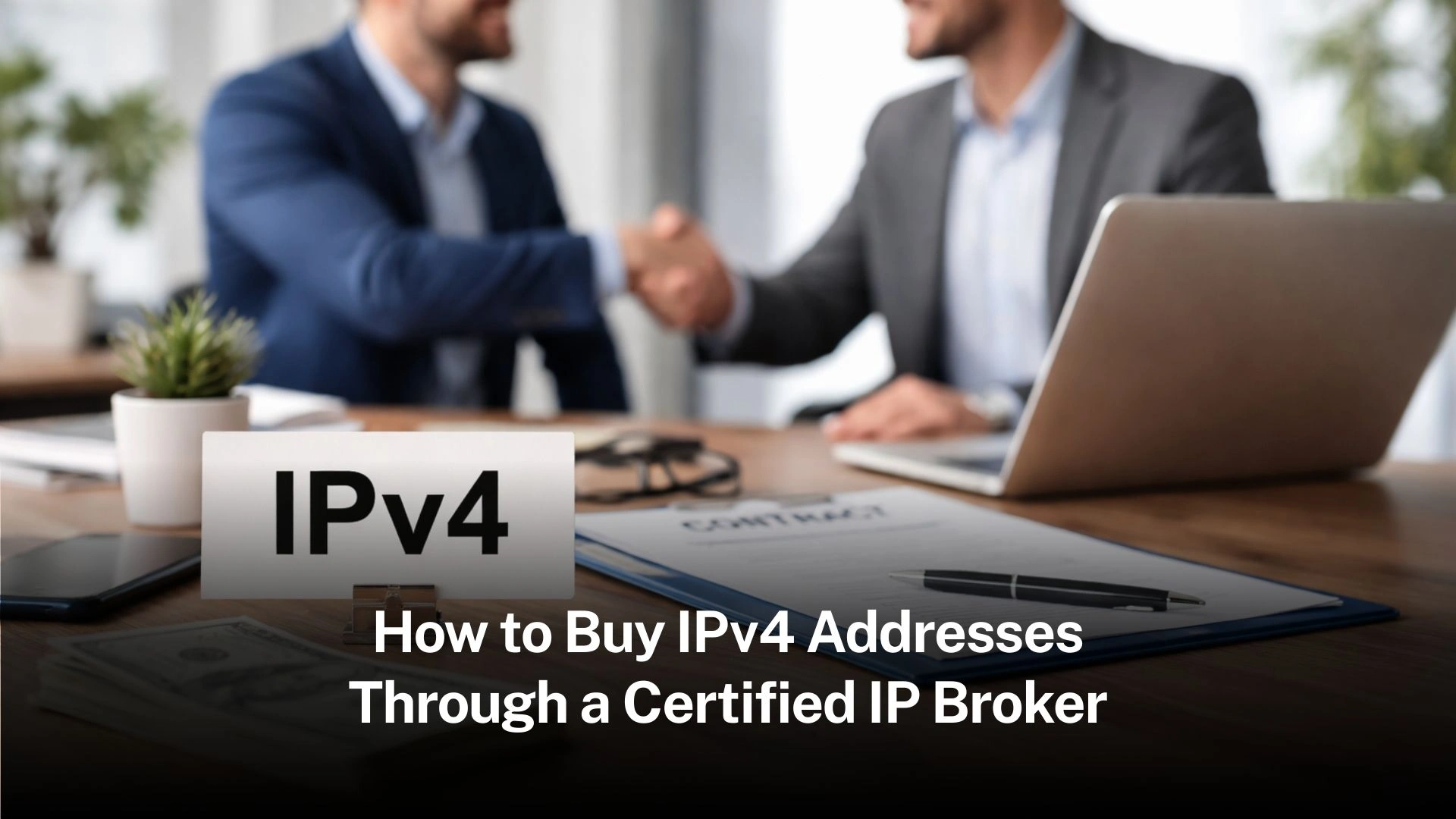
Buying IPv4 space requires policy compliance, verified need, and registry approval, making certified IP brokers essential guides through complex global Read more
• RIRs regulate IPv4 transfers under strict regional policies; brokers mediate and streamline transactions. • IP leasing services like i.lease offer flexible, rapid access without full ownership transfers. Introduction The looming exhaustion of IPv4 addresses has turned these resources into highly traded assets. Two main pathways for organisations to acquire IPv4 space are via Regional Internet Registries (RIRs) or third-party IP brokers. An emerging alternative, i.lease, offers leasing ratherRead more
Understanding IPv4 leasing helps enterprises manage scarce address space, reducing risk and unlocking strategic growth opportunities in today’s digital economy. Key Read more
The IPv4 secondary market is often shrouded in mystery, leading many organizations to sit on valuable digital assets because they Read more
Buying IPv4 space requires policy compliance, verified need, and registry approval, making certified IP brokers essential guides through complex global Read more

1. Understand the role of an IP address broker An IP address broker acts as the main intermediary between IP holders and potential buyers, lessees, or investors. Their role is to connect organizations that need IPv4 or IPv6 addresses with those that have unused resources, ensuring a smooth and compliant transfer. Their role includes: Their responsibilities include: Related Posts Inbound vs. Outbound IPv4 Leasing: A Complete Guide forRead more
Understanding IPv4 leasing helps enterprises manage scarce address space, reducing risk and unlocking strategic growth opportunities in today’s digital economy. Key Read more
The IPv4 secondary market is often shrouded in mystery, leading many organizations to sit on valuable digital assets because they Read more
Buying IPv4 space requires policy compliance, verified need, and registry approval, making certified IP brokers essential guides through complex global Read more
Get IP addresses has become an increasingly difficult endeavour in the digital world of today, especially when IPv4 addresses are running low. Industries looking for opportunities to expand their network infrastructure constantly must negotiate an intricate framework of legal, regulatory, and technological challenges. As a way to expedite the acquisition process, IP brokers act as intermediary firms in that scenario. Their knowledge and assistance are crucial in makingRead more
Understanding IPv4 leasing helps enterprises manage scarce address space, reducing risk and unlocking strategic growth opportunities in today’s digital economy. Key Read more
The IPv4 secondary market is often shrouded in mystery, leading many organizations to sit on valuable digital assets because they Read more
Buying IPv4 space requires policy compliance, verified need, and registry approval, making certified IP brokers essential guides through complex global Read more
As RIRs tighten control over IPv4 transfers, the market is shifting. Brokers simplify compliance, while leasing solutions like i.lease offer an agile alternative to traditional ownership. Introduction The looming exhaustion of IPv4 addresses has turned these resources into highly traded assets. Two main pathways for organisations to acquire IPv4 space are via Regional Internet Registries (RIRs) or third-party IP brokers. An emerging alternative, i.lease, offers leasing rather than fullRead more
Understanding IPv4 leasing helps enterprises manage scarce address space, reducing risk and unlocking strategic growth opportunities in today’s digital economy. Key Read more
The IPv4 secondary market is often shrouded in mystery, leading many organizations to sit on valuable digital assets because they Read more
Buying IPv4 space requires policy compliance, verified need, and registry approval, making certified IP brokers essential guides through complex global Read more