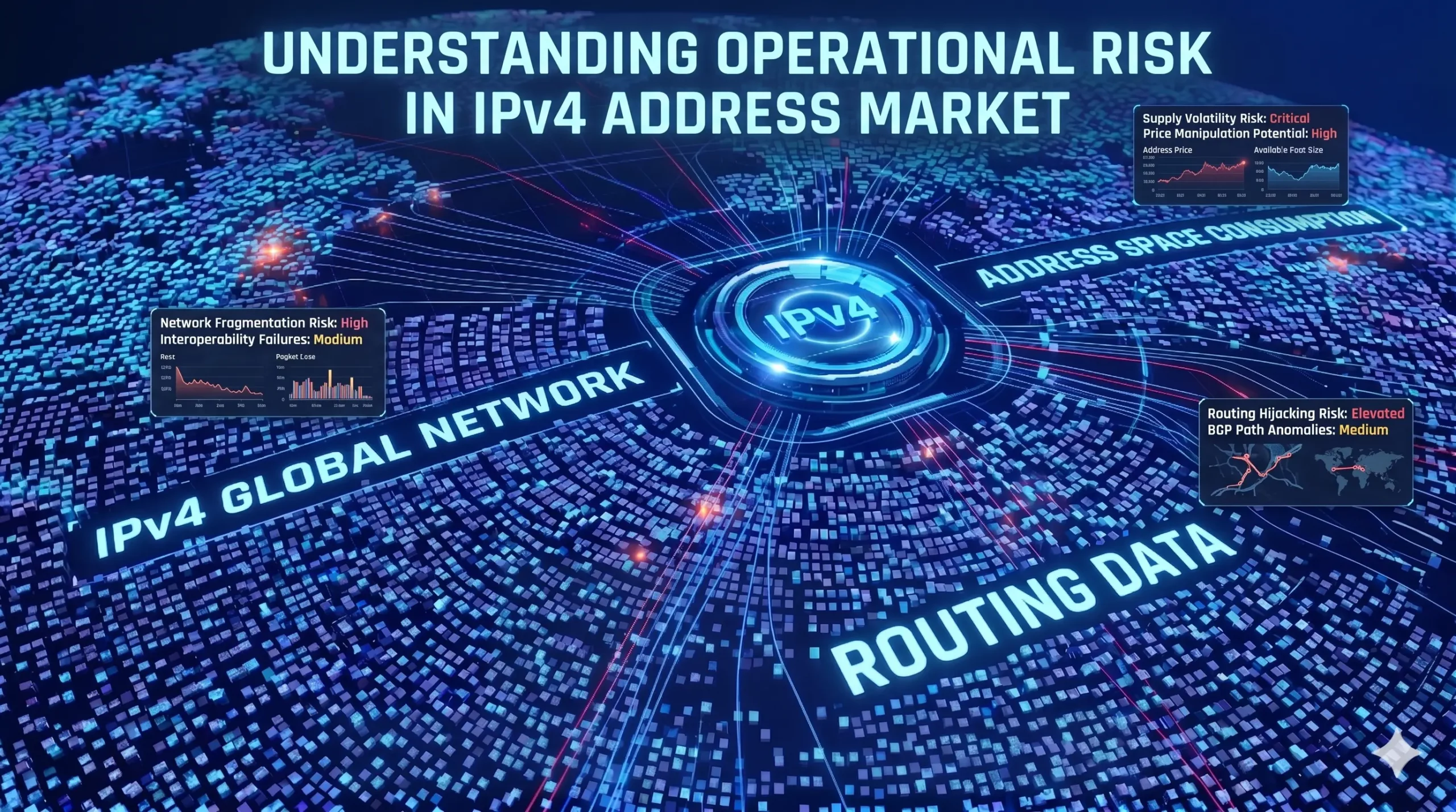
IPv4 has long stopped being a simple technical identifier system. It has become a constrained, priced, and operationally embedded infrastructure asset class. “In the IPv4 market, execution is not paperwork. Execution is continuity under registry-layer uncertainty.”https://heng.lu/on-why-i-lease-exists-and-why-the-broker-question-is-really-a-registry-risk-question/ Yet most of the industry still speaks about it as if it were a straightforward marketplace problem: buyers, sellers, brokers, escrow, transfer, done. That framing is increasingly outdated. The real structure of riskRead more
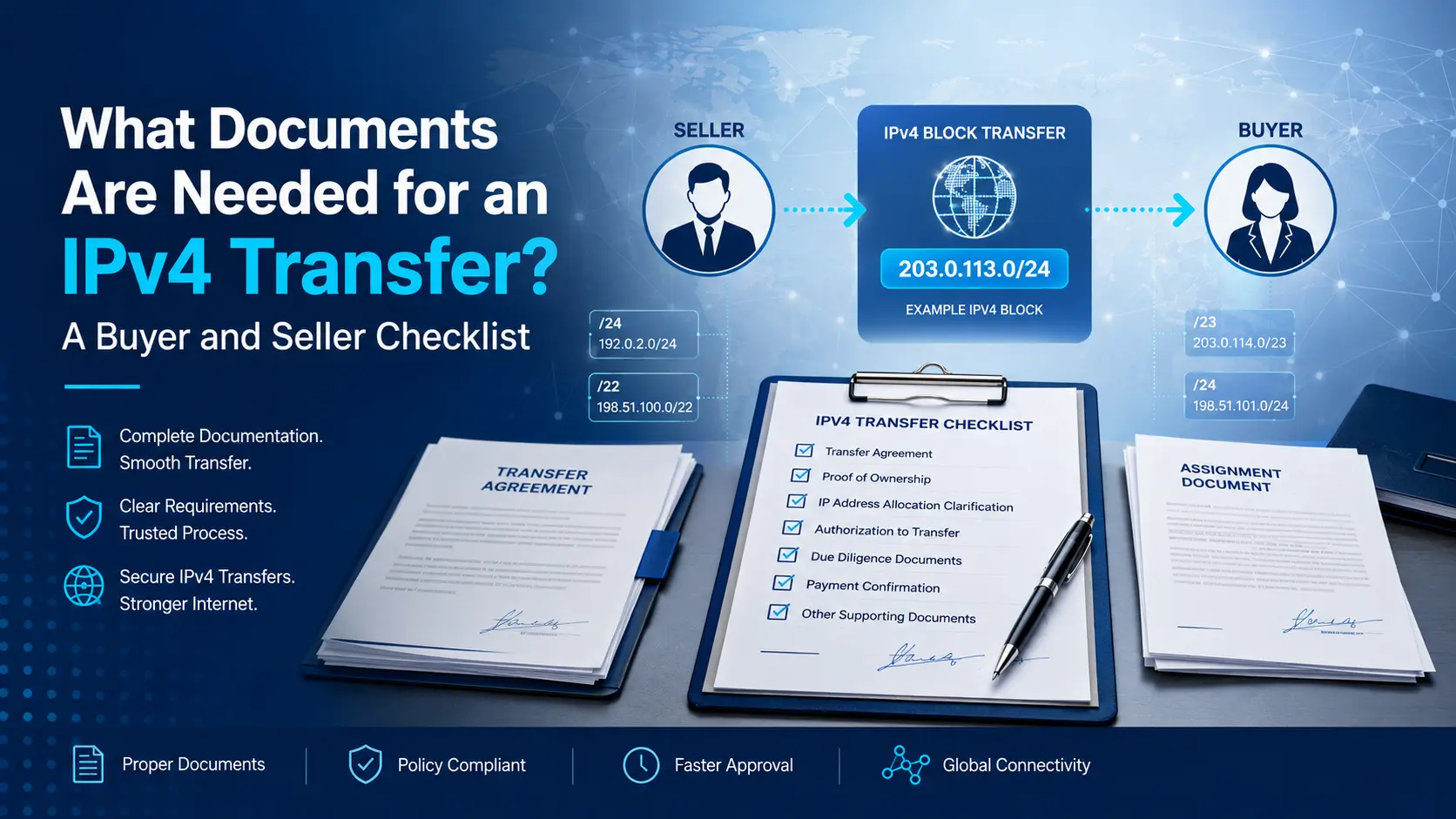
Transferring IPv4 address space from one organization to another involves more than agreeing on a prefix and a price. A Read more
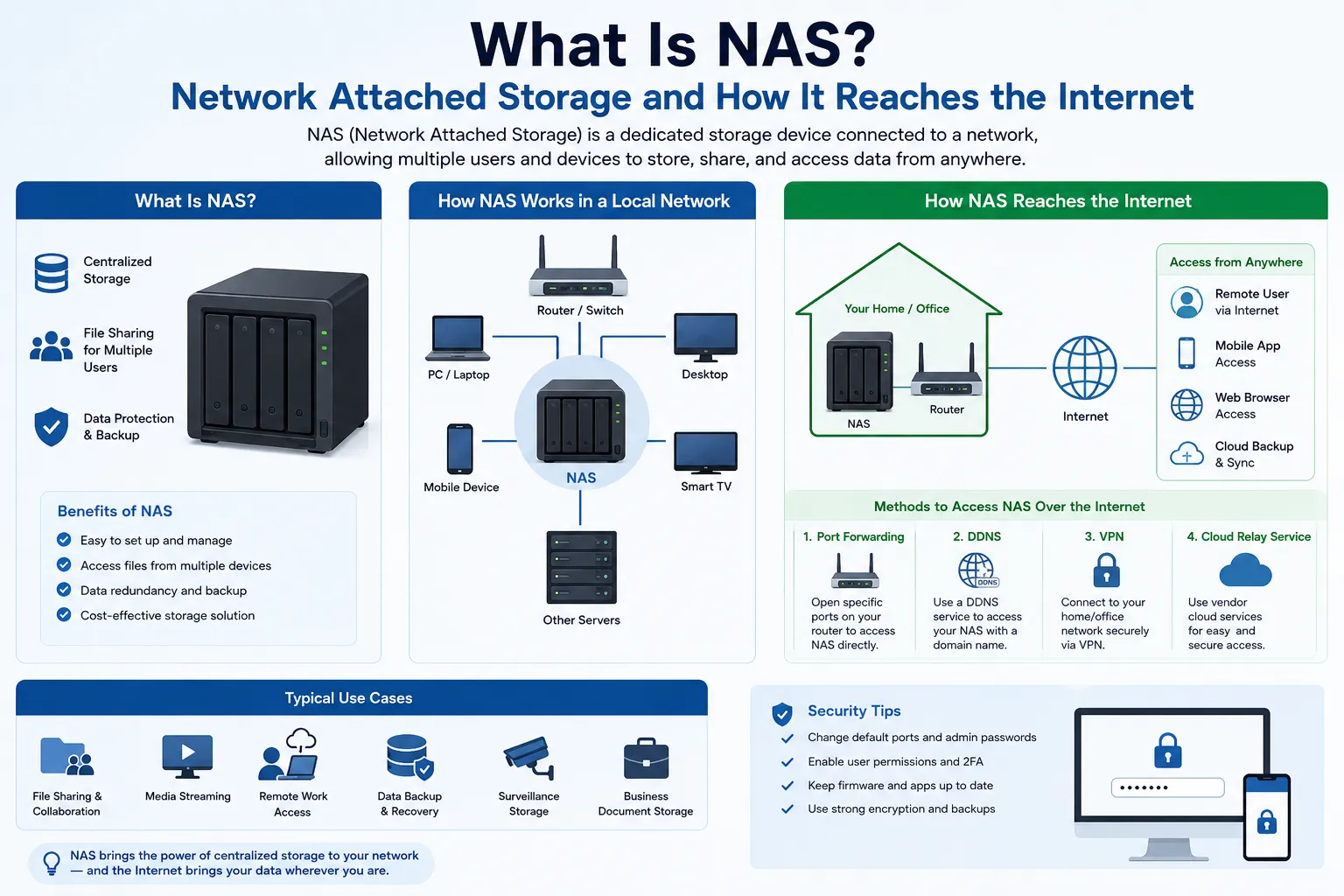
NAS stands for Network Attached Storage. It is a dedicated storage device that connects to a network and serves files Read more
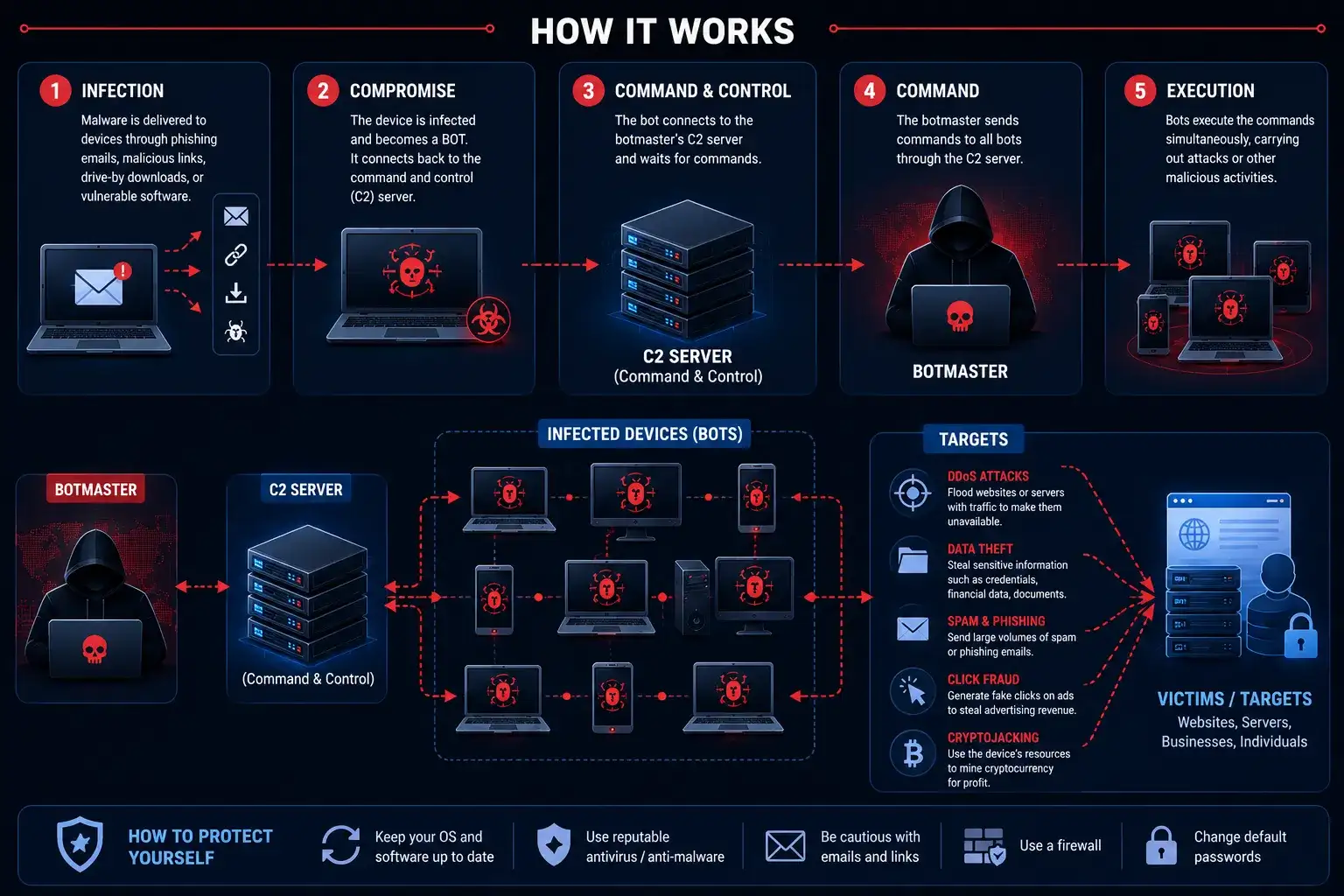
A botnet is a network of compromised computers or devices running malicious software that lets a single operator control them Read more
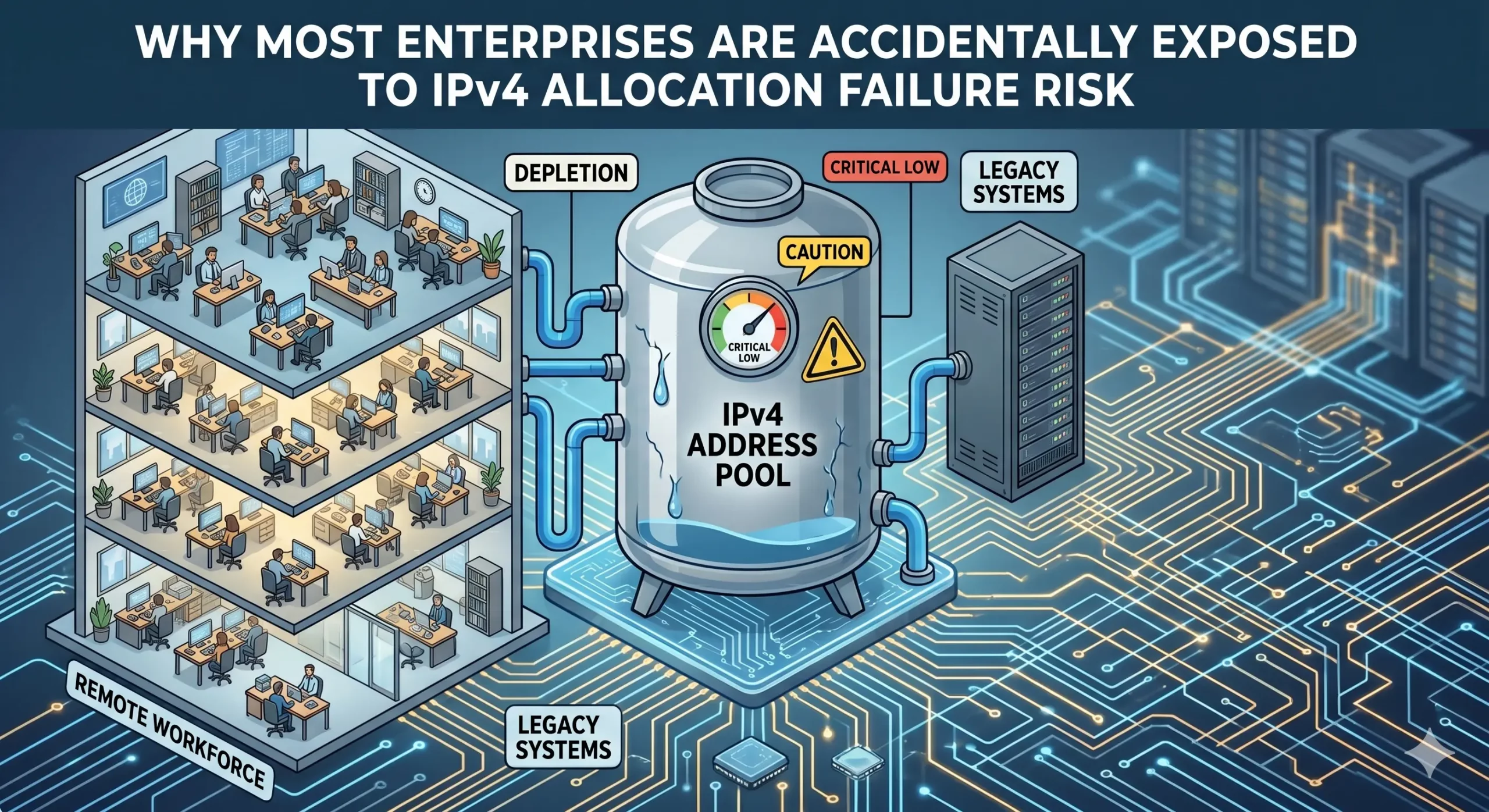
IPv4 scarcity is widely understood. What many enterprises still underestimate is the continuity risk surrounding how address resources are governed and maintained. Enterprises often maintain operational use of IPv4 resources without full visibility into the continuity conditions supporting those allocations. The growing reliance on leasing, transfers, and provider-managed infrastructure is reshaping IPv4 Allocation into a long-term governance issue. IPv4 Allocation has quietly become a continuity issue For many enterpriseRead more
Transferring IPv4 address space from one organization to another involves more than agreeing on a prefix and a price. A Read more
NAS stands for Network Attached Storage. It is a dedicated storage device that connects to a network and serves files Read more
A botnet is a network of compromised computers or devices running malicious software that lets a single operator control them Read more
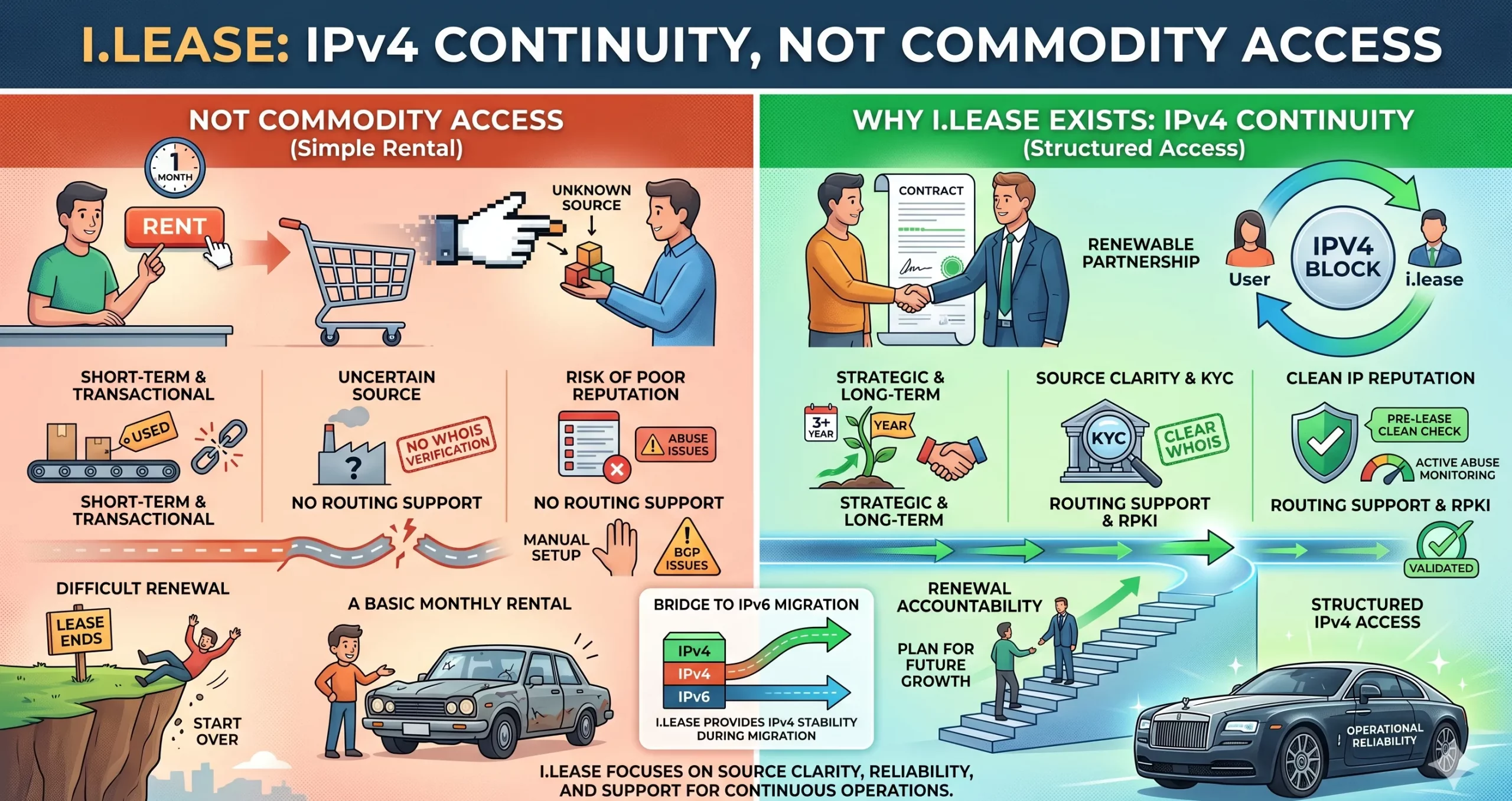
Most businesses enter the IPv4 market with a simple goal. They need addresses. Maybe they need them for hosting.Maybe they need them for VPN infrastructure.Maybe they need them for cloud services, SaaS platforms, telecom expansion, email systems, cybersecurity tools, or customer-facing applications. So they search for an IPv4 provider. They compare prices. They check block sizes. They ask how fast delivery can happen. They look for a seller, broker,Read more
Transferring IPv4 address space from one organization to another involves more than agreeing on a prefix and a price. A Read more
NAS stands for Network Attached Storage. It is a dedicated storage device that connects to a network and serves files Read more
A botnet is a network of compromised computers or devices running malicious software that lets a single operator control them Read more
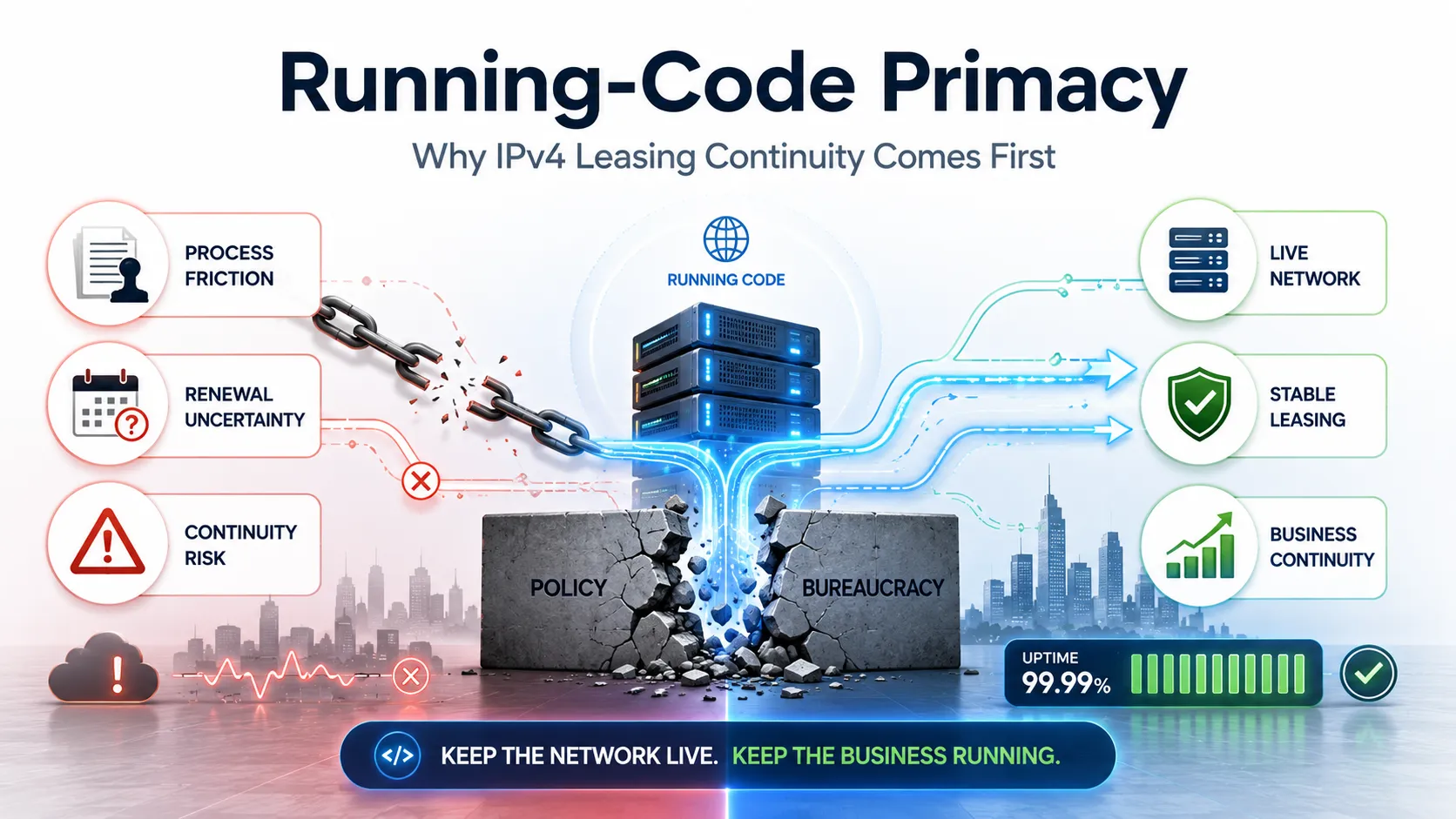
IPv4 leasing often begins with a simple question: Can this provider give us the addresses? But for businesses that depend on IPv4 for hosting, VPN, SaaS, cloud, telecom, security, email delivery, or customer-facing platforms, that question is not enough. A better question is: Can this IPv4 structure prove that it works operationally? That is where Running-Code Primacy matters. Running-Code Primacy means that live operational reality should come before institutionalRead more
Transferring IPv4 address space from one organization to another involves more than agreeing on a prefix and a price. A Read more
NAS stands for Network Attached Storage. It is a dedicated storage device that connects to a network and serves files Read more
A botnet is a network of compromised computers or devices running malicious software that lets a single operator control them Read more
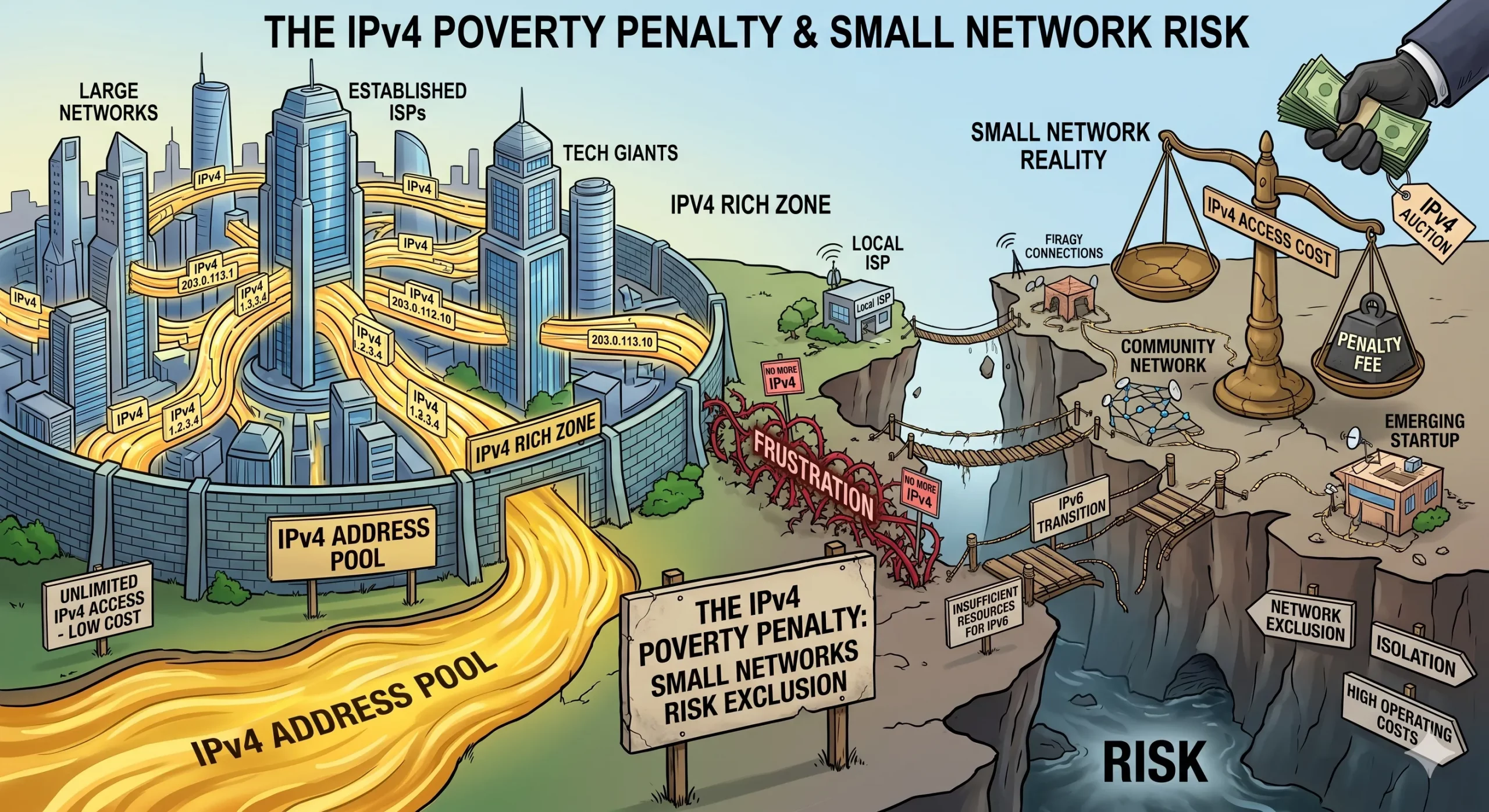
IPv4 access can look equal on paper. The same registry forms.The same transfer rules.The same provider contracts.The same compliance language.The same renewal process. But equal paperwork does not always create equal outcomes. For large operators, IPv4 friction may be manageable. They may have legal teams, policy staff, network engineers, compliance support, capital reserves, and enough customers to spread the cost of delay across a larger business. For smaller operators,Read more
Transferring IPv4 address space from one organization to another involves more than agreeing on a prefix and a price. A Read more
NAS stands for Network Attached Storage. It is a dedicated storage device that connects to a network and serves files Read more
A botnet is a network of compromised computers or devices running malicious software that lets a single operator control them Read more