Understanding RIR Transfer Rules Across Regions IPv4 addresses have become valuable operational assets. For ISPs, hosting providers, cloud platforms, enterprises, and network operators, obtaining IPv4 space is no longer just a technical task. It often involves policy review, registry approval, documentation, and regional compliance. At the center of this process are the five Regional Internet Registries, commonly known as RIRs: ARIN RIPE NCC APNIC LACNIC AFRINIC Each RIR managesRead more
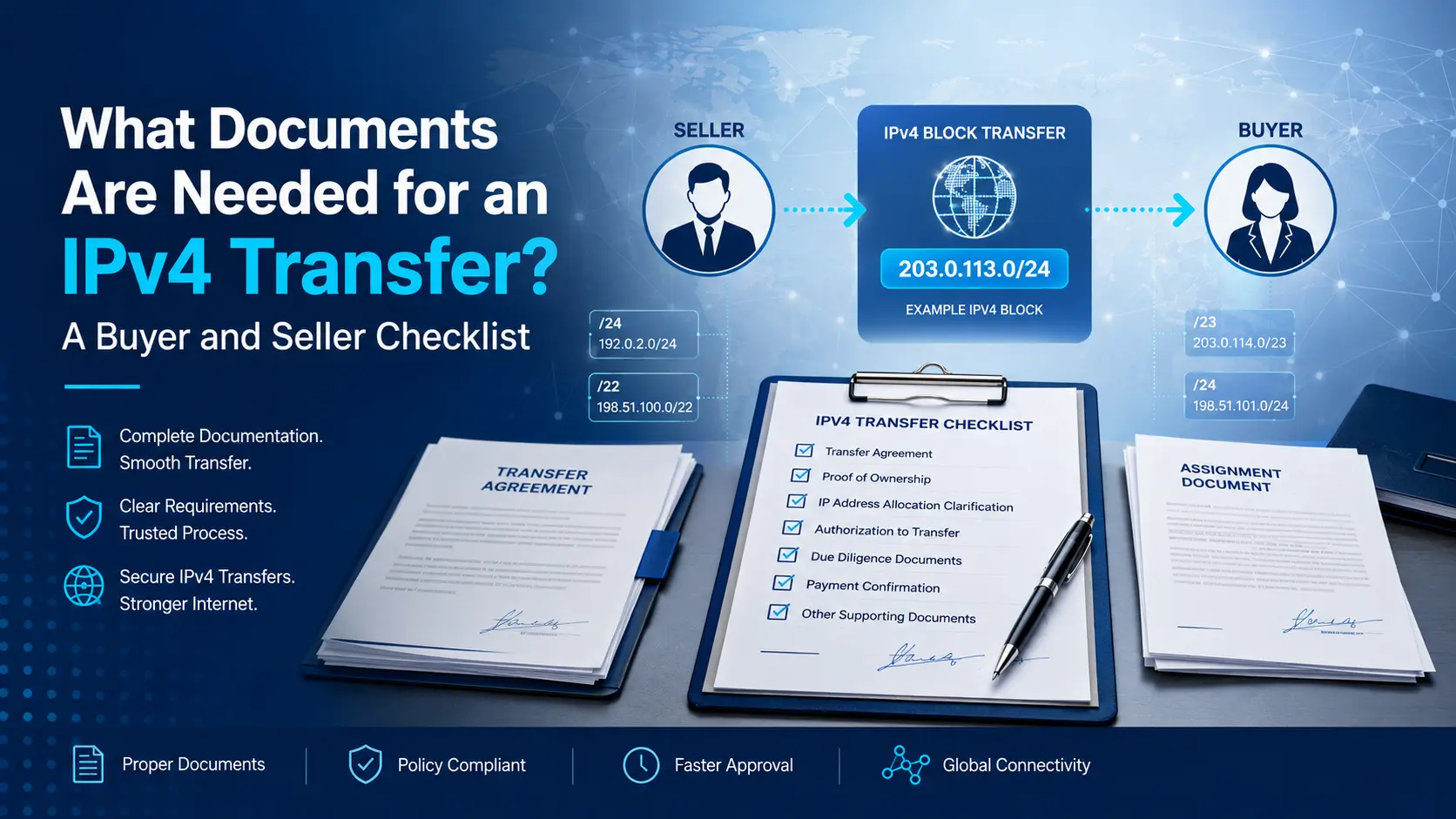
Transferring IPv4 address space from one organization to another involves more than agreeing on a prefix and a price. A Read more
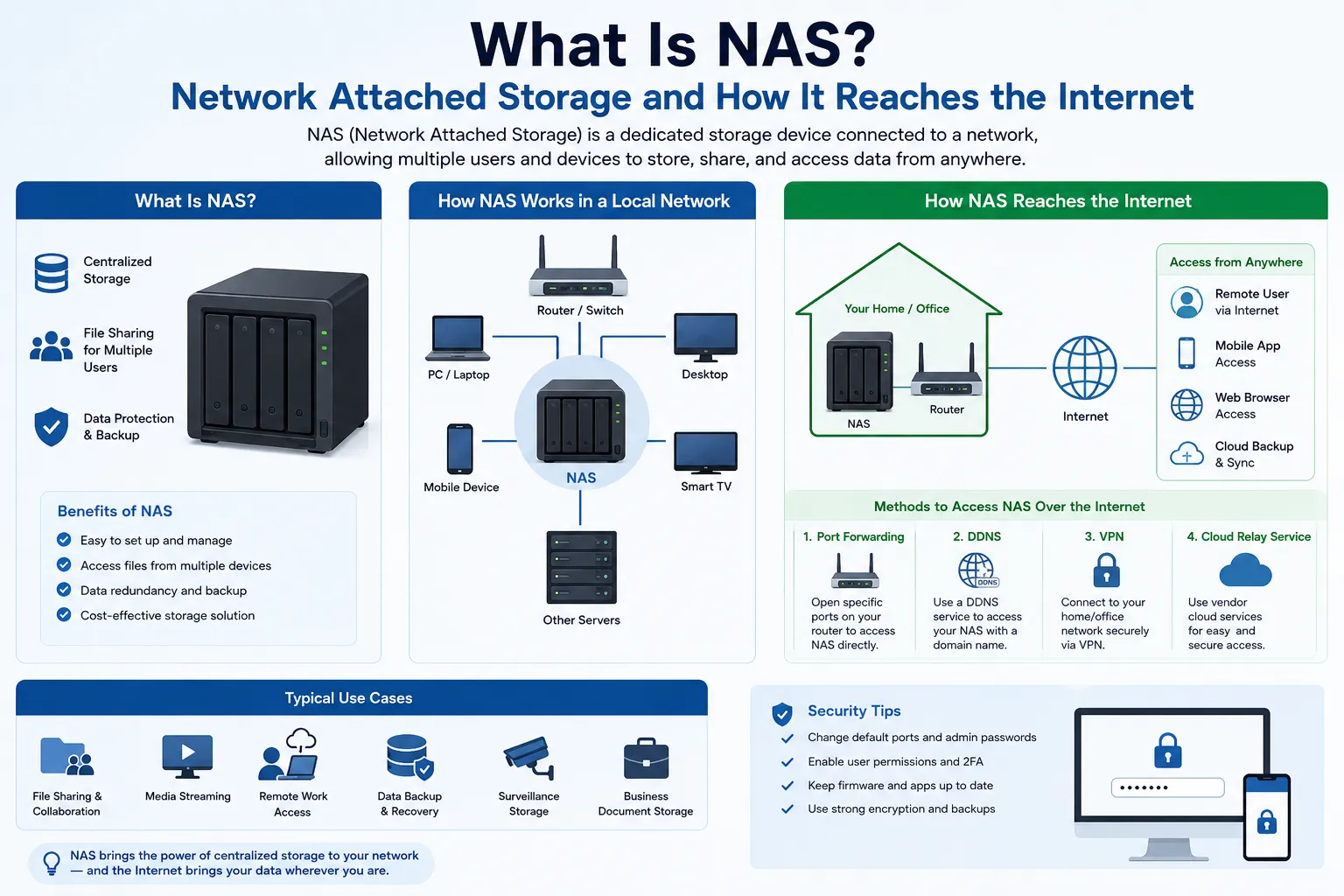
NAS stands for Network Attached Storage. It is a dedicated storage device that connects to a network and serves files Read more
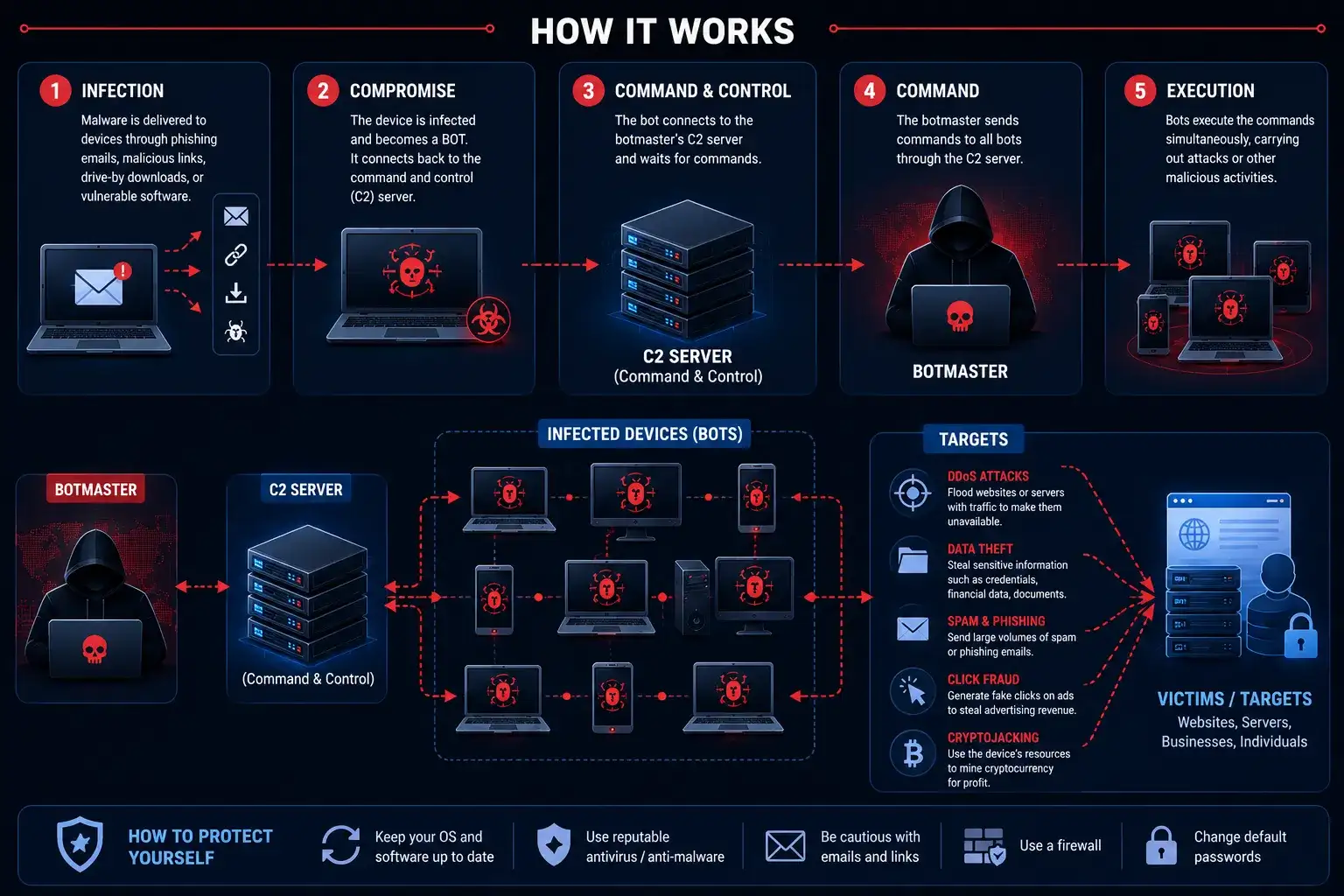
A botnet is a network of compromised computers or devices running malicious software that lets a single operator control them Read more
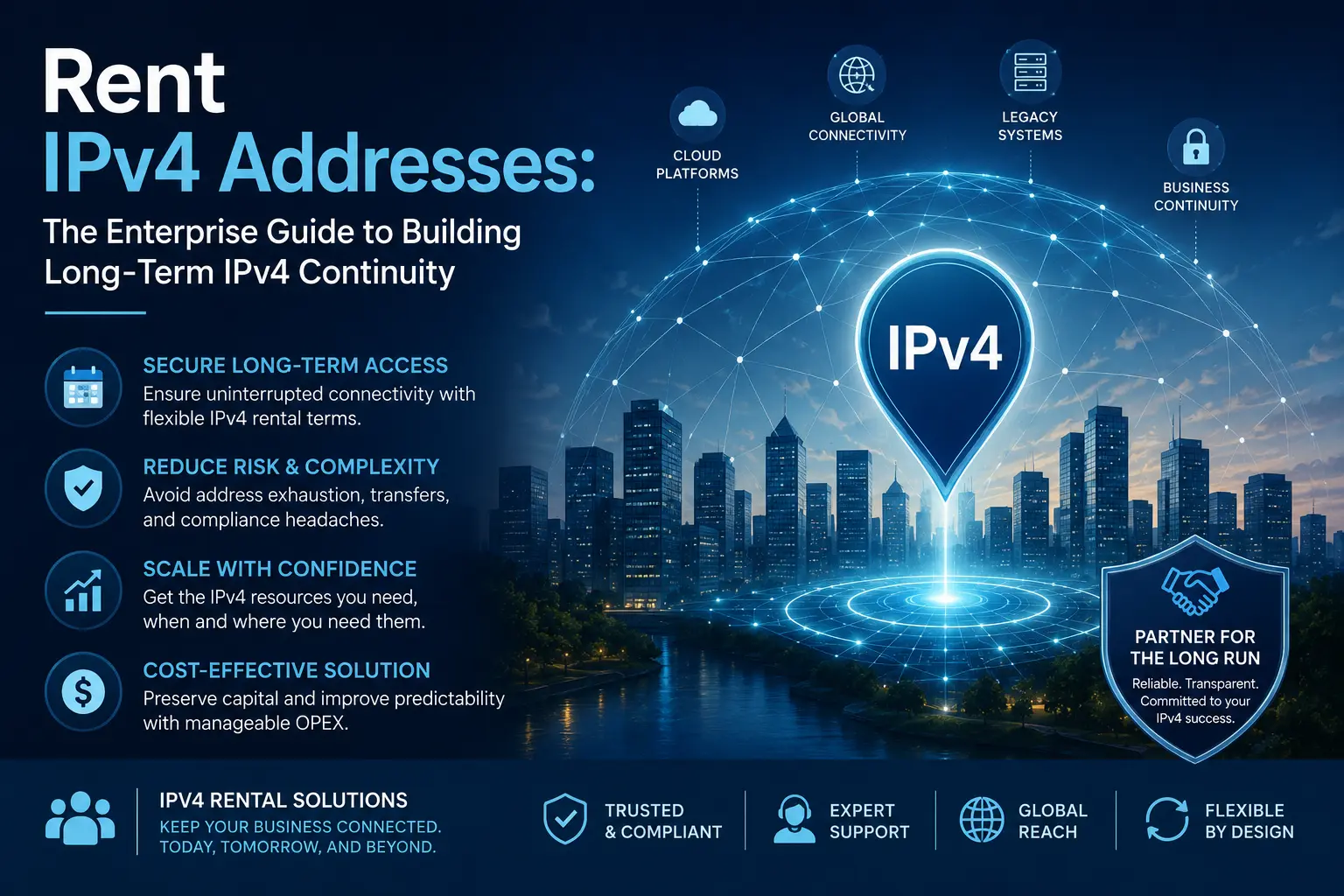
If you’re looking to rent IPv4 addresses, you’re not alone. Businesses worldwide continue to need IPv4 resources to support growth, expand infrastructure and meet customer demand. However, the conversation around IPv4 is changing. For years, businesses treated IPv4 as a procurement exercise. The process was simple: Find available IPv4 Acquire IPv4 Deploy IPv4 Today, that mindset is becoming outdated. IPv4 has evolved into critical infrastructure. At i.LEASE, we believeRead more
Transferring IPv4 address space from one organization to another involves more than agreeing on a prefix and a price. A Read more
NAS stands for Network Attached Storage. It is a dedicated storage device that connects to a network and serves files Read more
A botnet is a network of compromised computers or devices running malicious software that lets a single operator control them Read more
What is a continuity-backed IPv4 marketplace? A continuity-backed IPv4 marketplace is an IPv4 trading and leasing model designed to ensure IPv4 addresses remainoperationally usable after transfer, not just successfully traded. Execution is not paperwork. Execution is continuity under registry-layer uncertainty. – Heng.lu, Note:66 On Why i.LEASE Exists — and Why the Broker Question Is Really a Registry-Risk Question Definition: A continuity-backed IPv4 marketplace is a system where success isRead more
Transferring IPv4 address space from one organization to another involves more than agreeing on a prefix and a price. A Read more
NAS stands for Network Attached Storage. It is a dedicated storage device that connects to a network and serves files Read more
A botnet is a network of compromised computers or devices running malicious software that lets a single operator control them Read more
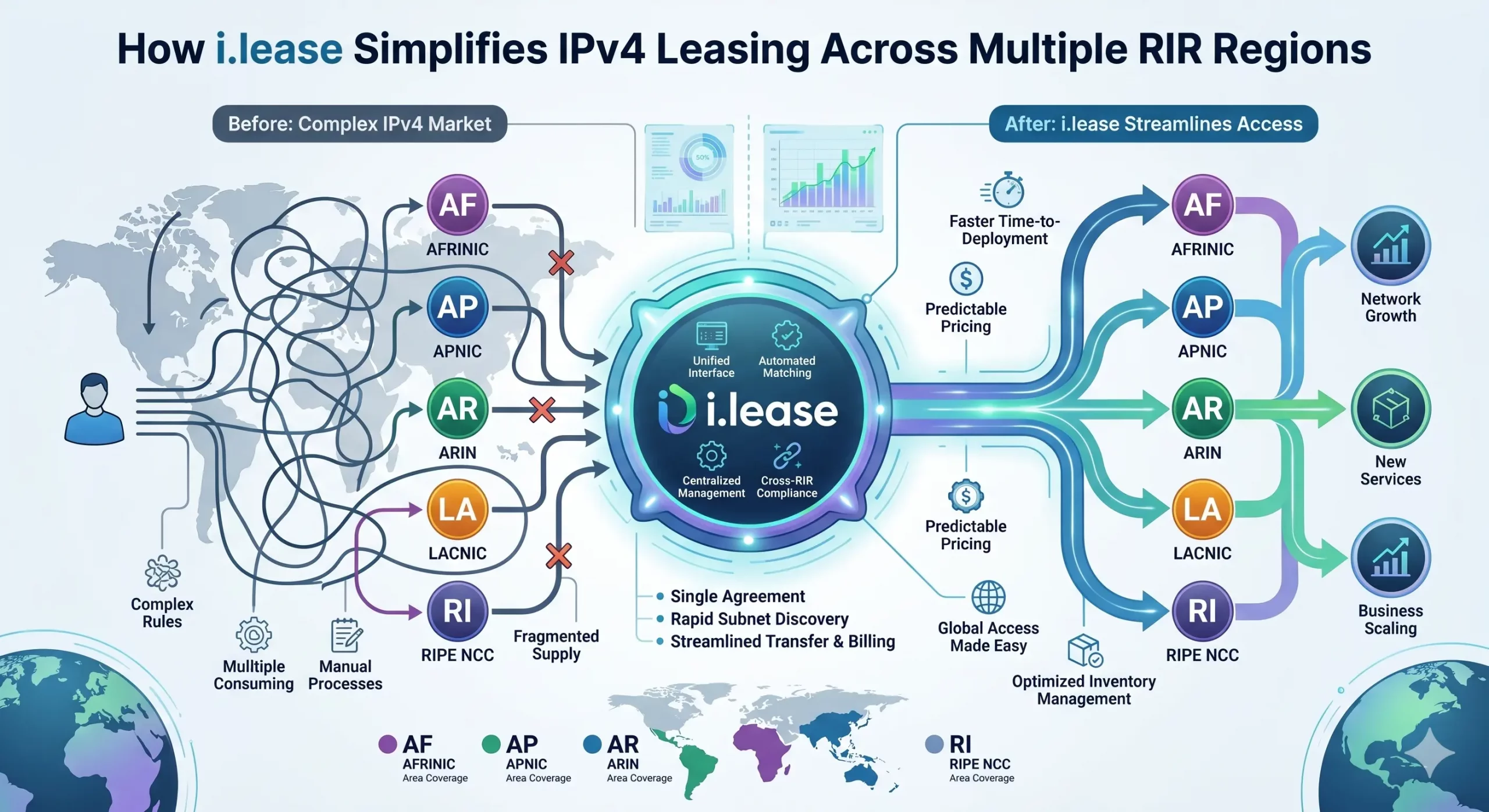
In today’s Internet infrastructure economy, IPv4 address leasing has become a critical operational strategy for enterprises, cloud providers, and network operators facing persistent address scarcity. As IPv4 exhaustion continues across all five Regional Internet Registries (RIRs)—ARIN, RIPE NCC, APNIC, LACNIC, and AFRINIC—the need for structured, compliant, and cross-regional leasing solutions has never been greater. However, beneath the surface of what appears to be a simple “supply-and-demand” market lies aRead more
Transferring IPv4 address space from one organization to another involves more than agreeing on a prefix and a price. A Read more
NAS stands for Network Attached Storage. It is a dedicated storage device that connects to a network and serves files Read more
A botnet is a network of compromised computers or devices running malicious software that lets a single operator control them Read more
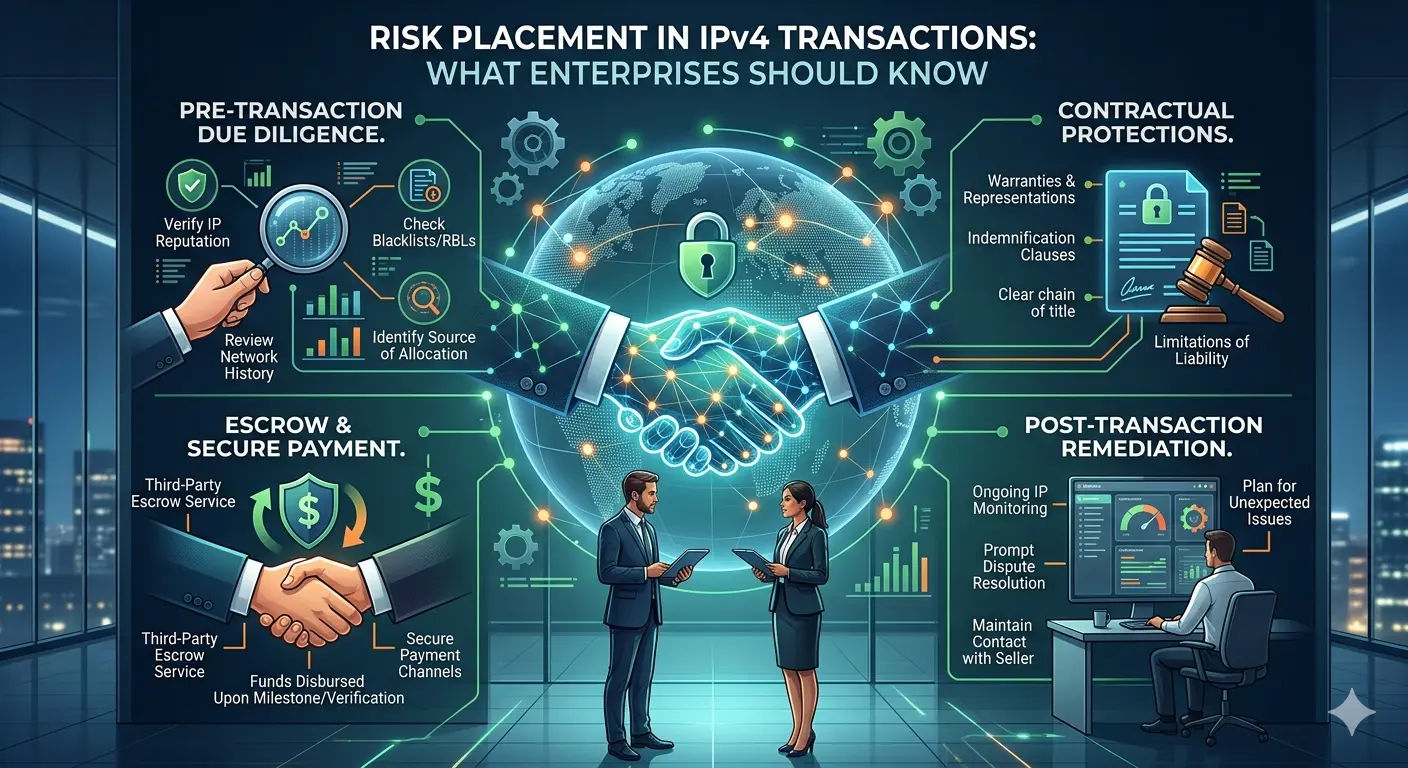
The IPv4 market has quietly evolved into a structured secondary asset class. As global IPv4 exhaustion continues, enterprises, ISPs, and brokers now routinely engage in buying, leasing, and transferring IPv4 address blocks. Alongside this growth, one topic has become increasingly important—but still under-discussed: risk placement in IPv4 transactions. For organizations participating in this market, especially through platforms such as i.lease, understanding how risk is identified, allocated, and mitigated isRead more
Transferring IPv4 address space from one organization to another involves more than agreeing on a prefix and a price. A Read more
NAS stands for Network Attached Storage. It is a dedicated storage device that connects to a network and serves files Read more
A botnet is a network of compromised computers or devices running malicious software that lets a single operator control them Read more