RIRs transitioned to strict “soft‑landing” policies and limited final allocations to prevent hoarding and extend IPv4 availability. Transfer markets, wait‑lists, and equitable distribution mechanisms now dominate scarcity-era policy landscapes. The impact of IPv4 exhaustion on RIR policy The depletion of IPv4 address space prompted all Regional Internet Registries (RIRs) to overhaul their allocation strategies. When the final five /8 blocks were delivered by IANA in 2011, RIRs shifted fromRead more
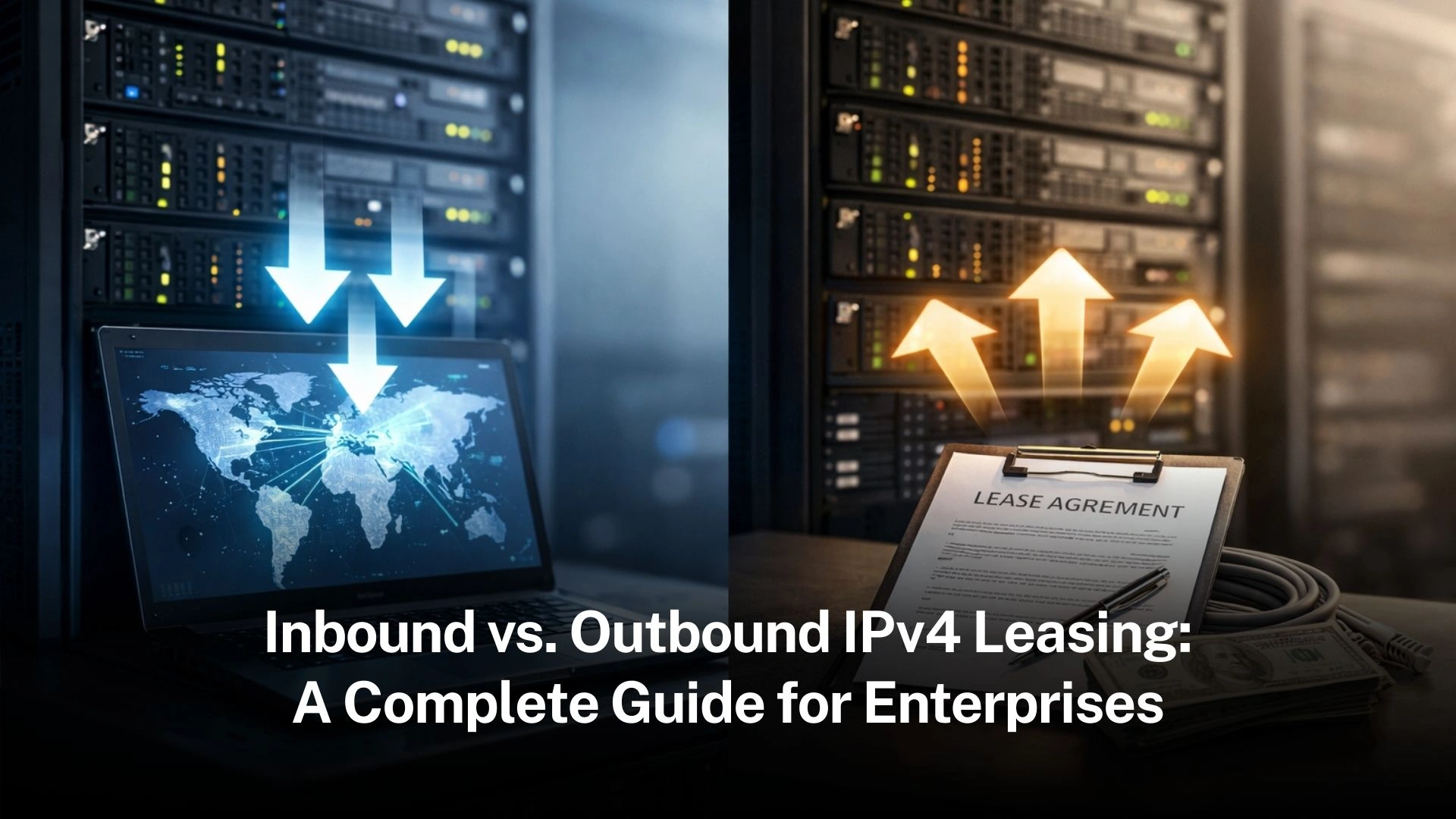
Understanding IPv4 leasing helps enterprises manage scarce address space, reducing risk and unlocking strategic growth opportunities in today’s digital economy. Key Read more
The IPv4 secondary market is often shrouded in mystery, leading many organizations to sit on valuable digital assets because they Read more

Buying IPv4 space requires policy compliance, verified need, and registry approval, making certified IP brokers essential guides through complex global Read more

How IPv6 addresses are assigned IPv6 addresses are assigned by a global system. When requesting IPv6 space, an organisation requests information about its network, technology requirements, as well as long-term goals. Typical regional policies demand that one present a deployment plan within a timeframe, efficient use of the allocated space in the event allocated space exists, and appropriate use of routing, aggregation, and documentation policies. What organisations get InternetRead more
Understanding IPv4 leasing helps enterprises manage scarce address space, reducing risk and unlocking strategic growth opportunities in today’s digital economy. Key Read more
The IPv4 secondary market is often shrouded in mystery, leading many organizations to sit on valuable digital assets because they Read more
Buying IPv4 space requires policy compliance, verified need, and registry approval, making certified IP brokers essential guides through complex global Read more
The allocation process ensures each device gets a distinct address. Without proper allocation, network connections would fail due to duplicate addresses. The system maintains order by following specific distribution rules. Address assignment occurs through a structured hierarchy. Global organizations oversee the entire address pool. Regional entities receive allocations from these global authorities. Local providers then distribute addresses to end users. This layered approach prevents address hoarding. It guaranteesRead more
Understanding IPv4 leasing helps enterprises manage scarce address space, reducing risk and unlocking strategic growth opportunities in today’s digital economy. Key Read more
The IPv4 secondary market is often shrouded in mystery, leading many organizations to sit on valuable digital assets because they Read more
Buying IPv4 space requires policy compliance, verified need, and registry approval, making certified IP brokers essential guides through complex global Read more

Explore the complex system behind IP address allocation, its governing bodies, and the growing need for efficient global management. The internet’s address system relies on several key organisations that manage IP address distribution worldwide. Growing challenges in IP address allocation include scarcity, regional disparities, and the rise of IPv6 adoption. Introduction: Understanding the global IP address allocation system The IP address works like a unique ID number. It letsRead more
Understanding IPv4 leasing helps enterprises manage scarce address space, reducing risk and unlocking strategic growth opportunities in today’s digital economy. Key Read more
The IPv4 secondary market is often shrouded in mystery, leading many organizations to sit on valuable digital assets because they Read more
Buying IPv4 space requires policy compliance, verified need, and registry approval, making certified IP brokers essential guides through complex global Read more

A simple guide that shows how ISPs get IP addresses and give them to users. It also looks at the steps, the problems, and the rules behind it. ISPs get IP address blocks from RIRs. They give these to users by using DHCP, fixed IPs, or shared IPs through NAT. IANA and the RIRs help control the system. They make sure the addresses are used well and not repeated.Read more
Understanding IPv4 leasing helps enterprises manage scarce address space, reducing risk and unlocking strategic growth opportunities in today’s digital economy. Key Read more
The IPv4 secondary market is often shrouded in mystery, leading many organizations to sit on valuable digital assets because they Read more
Buying IPv4 space requires policy compliance, verified need, and registry approval, making certified IP brokers essential guides through complex global Read more