5 Internet Frauds You Need to Know in 2024
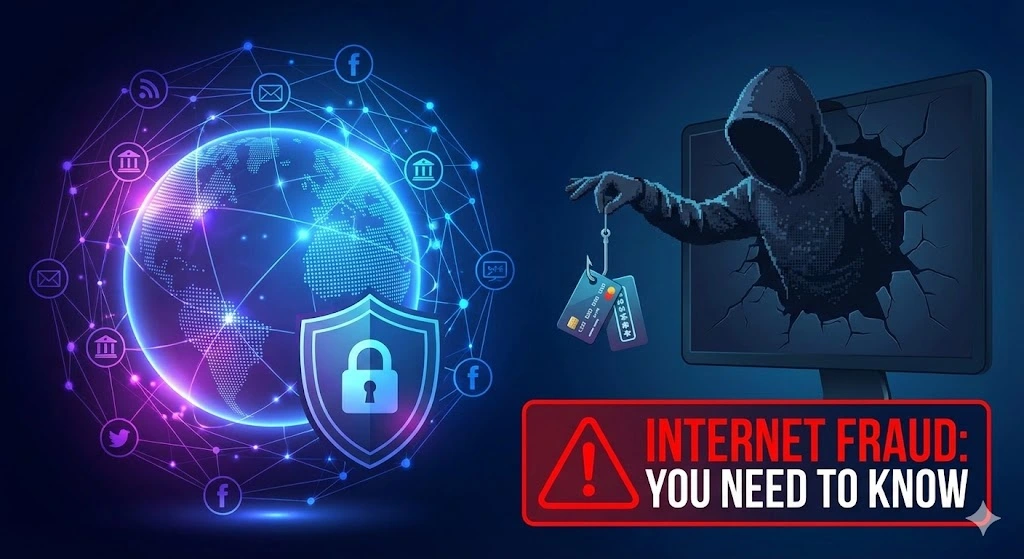
Internet fraud refers to the use of the Internet to deceive individuals or organizations for personal or financial gain. With the rise of e-commerce, online banking, and digital communication, internet fraud has become a global issue. It encompasses a wide range of deceptive practices, from identity theft and phishing scams to online auction fraud and credit card fraud. Criminals exploit the anonymity of the internet to trick unsuspecting users, often leaving victims with financial losses, damaged reputations, or even stolen personal data.
Table of Contents
ToggleCommon Types of Internet Fraud
Phishing
Phishing is a method of obtaining sensitive information like passwords, credit card details, or social security numbers by pretending to be a legitimate entity. Victims often receive fraudulent emails or messages that appear to be from trusted companies, urging them to provide personal information.
Identity Theft
Identity theft occurs when fraudsters steal personal data such as social security numbers, credit card information, or login credentials to commit financial fraud. They might open new credit accounts, make unauthorized purchases, or even take out loans in the victim’s name.
Online Auction Fraud
This type of fraud occurs on online auction sites when a seller fails to deliver a product after payment or delivers a significantly different item than advertised. It can also happen when buyers use fraudulent payment methods.
Investment Fraud
Fraudsters lure victims into fake investment opportunities, often promising high returns with little risk. These scams can take the form of Ponzi schemes or bogus cryptocurrency investments, leaving victims with significant financial losses.
Trusted IPv4 Leasing for Business Growth
Get enterprise-grade IPv4 space quickly, with seamless deployment and end-to-end management.
FAQs
To check if a website is fake, look for “https://” at the start of the URL (indicating a secure connection) and verify the domain name for subtle misspellings (e.g., “amaz0n.com” instead of “amazon.com”).
Immediately contact your bank or credit card issuer to freeze your accounts and dispute any unauthorized charges. Change your passwords for all sensitive accounts. If you are in the US, report the fraud to the Internet Crime Complaint Center (IC3) or the FTC. In other countries, contact your local cybercrime unit.
It depends on the payment method.
-
Credit Cards: You have a high chance of recovery by filing a chargeback fraud claim.
-
Bank Transfers/Wire: It is very difficult to recover funds once they are sent.
-
Cryptocurrency: Transactions are irreversible, making recovery nearly impossible without law enforcement intervention.
Scammers often use proxies or VPNs to hide their real IP address and location, making it look like they are in a trusted country (e.g., the US or UK). They may also use “spoofing” techniques to make their emails or calls appear to come from legitimate organizations.
Buying IPv4 addresses outside proper IP Allocation channels exposes organisations to fraud, legal disputes, operational failures and long-term governance risks.Key Read more
Facing IPv4 shortages, companies must weigh cost, speed, and network growth when choosing a lease plan.Short-term leasing lets you scale Read more
IPv4 地址曾经只是互联网运行所需的基础资源。但在今天,它越来越像一种具有市场价格、可交易、可租赁的数字资产。造成这一变化的原因并不复杂:IPv4 的总量有限,而全球互联网对 IPv4 的需求并没有消失;与此同时,IPv6 虽然早已出现,但迁移进度依然缓慢。这三股力量叠加,正在重新塑造运营商对 IP 地址的看法,也改变了互联网基础设施的经济逻辑。原文将这点概括为“有限供给、持续需求与缓慢转型”,并指出这正在推动 IP 地址成为影响全球电信经济的可交易资产。 IPv4 稀缺并不是新问题 全球互联网至今仍大量依赖 IPv4。这个协议诞生于更早的时代,只能提供大约 43 亿个地址。这个数量在互联网初期似乎足够庞大,但在今天已经明显不够。原文指出,IANA 在 2011 年就已将最后一批大型 IPv4 Read more