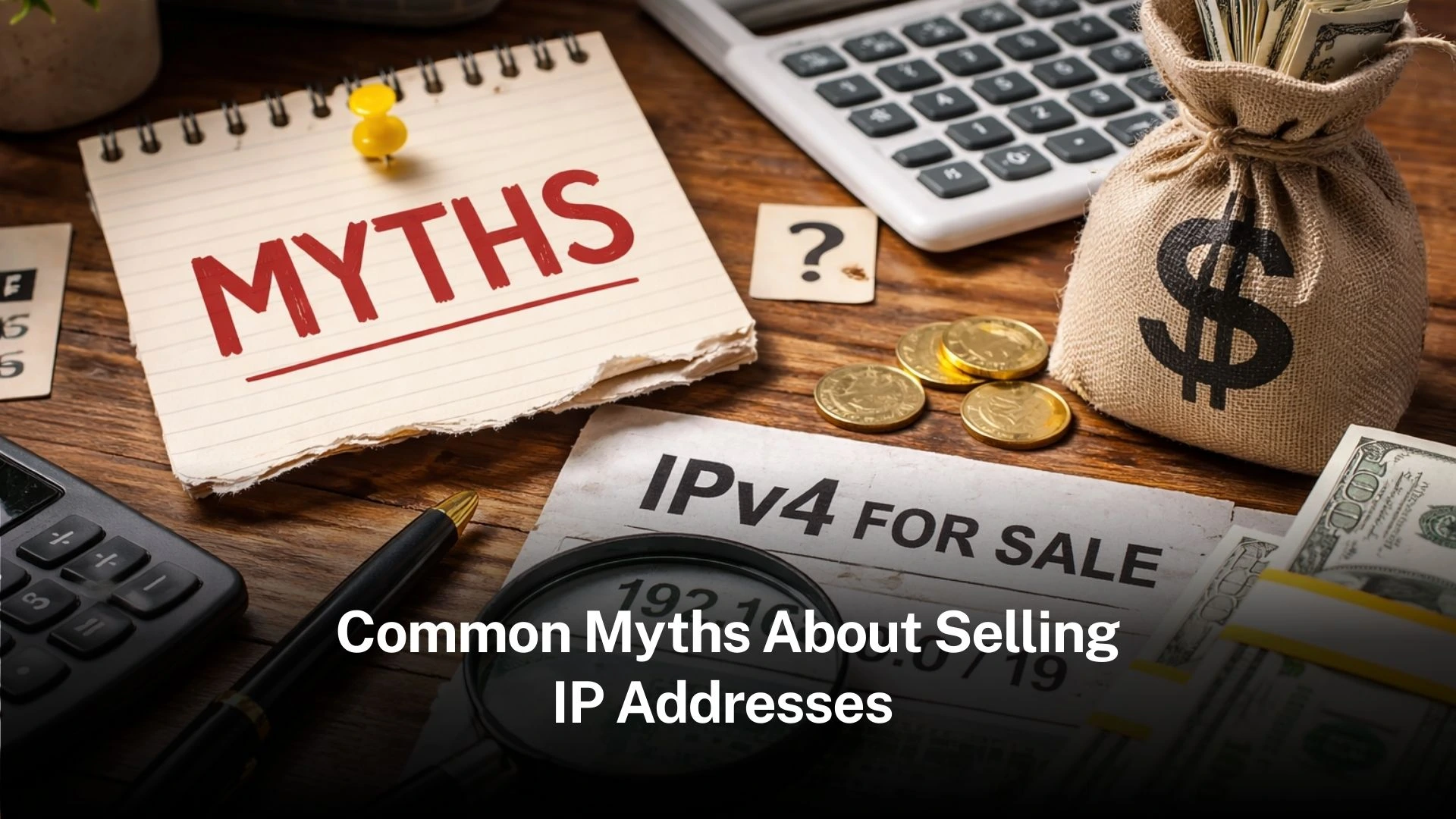
The IPv4 secondary market is often shrouded in mystery, leading many organizations to sit on valuable digital assets because they fear the perceived complexity or legal “gray areas.” As IPv4 exhaustion becomes a permanent reality, the value of these addresses has skyrocketed, yet misconceptions continue to stall potential transactions. At i.lease, powered by the real-world expertise of LARUS, we’ve seen how these myths prevent companies from unlocking significant capital.Read more
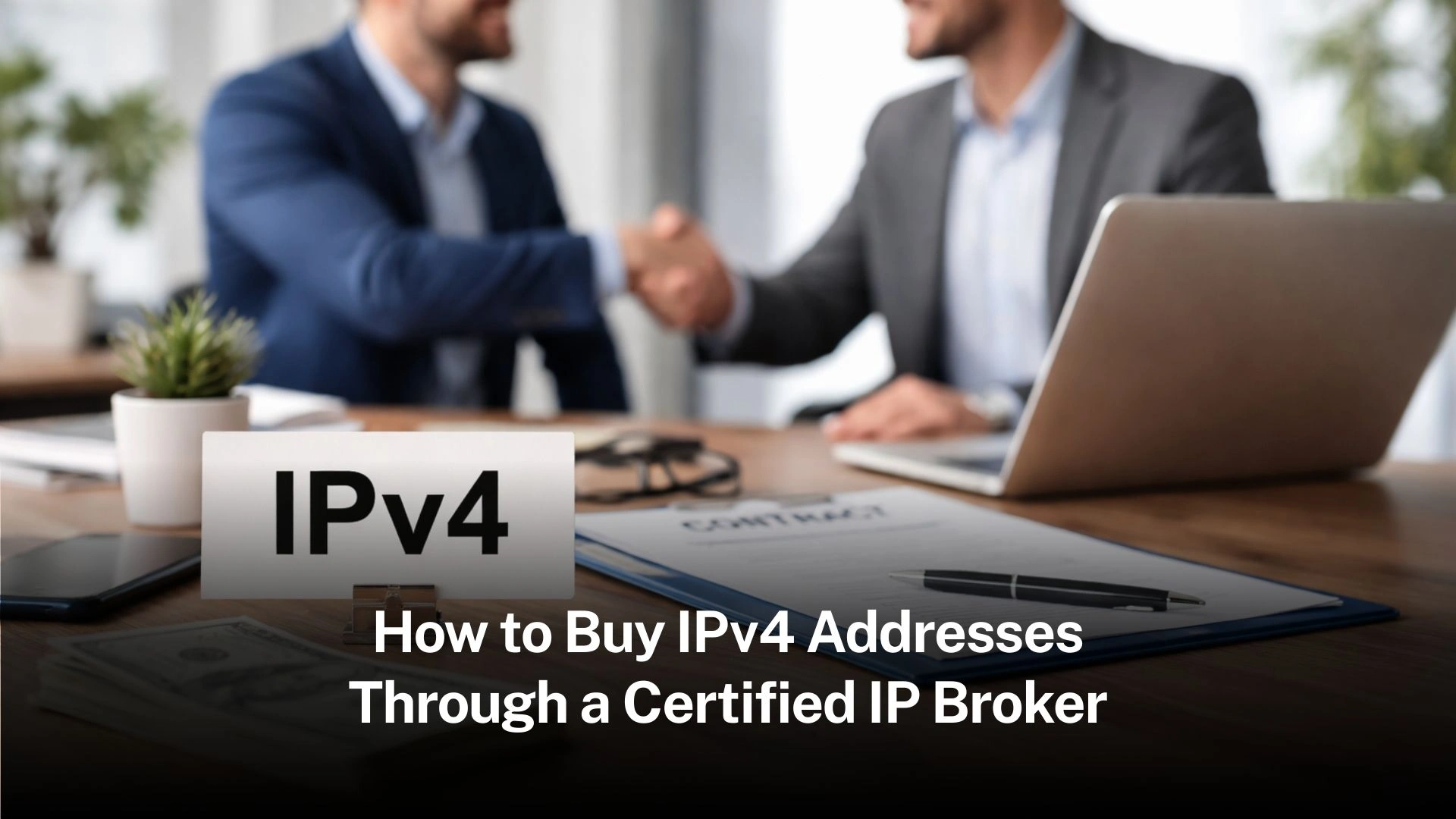
Buying IPv4 space requires policy compliance, verified need, and registry approval, making certified IP brokers essential guides through complex global Read more
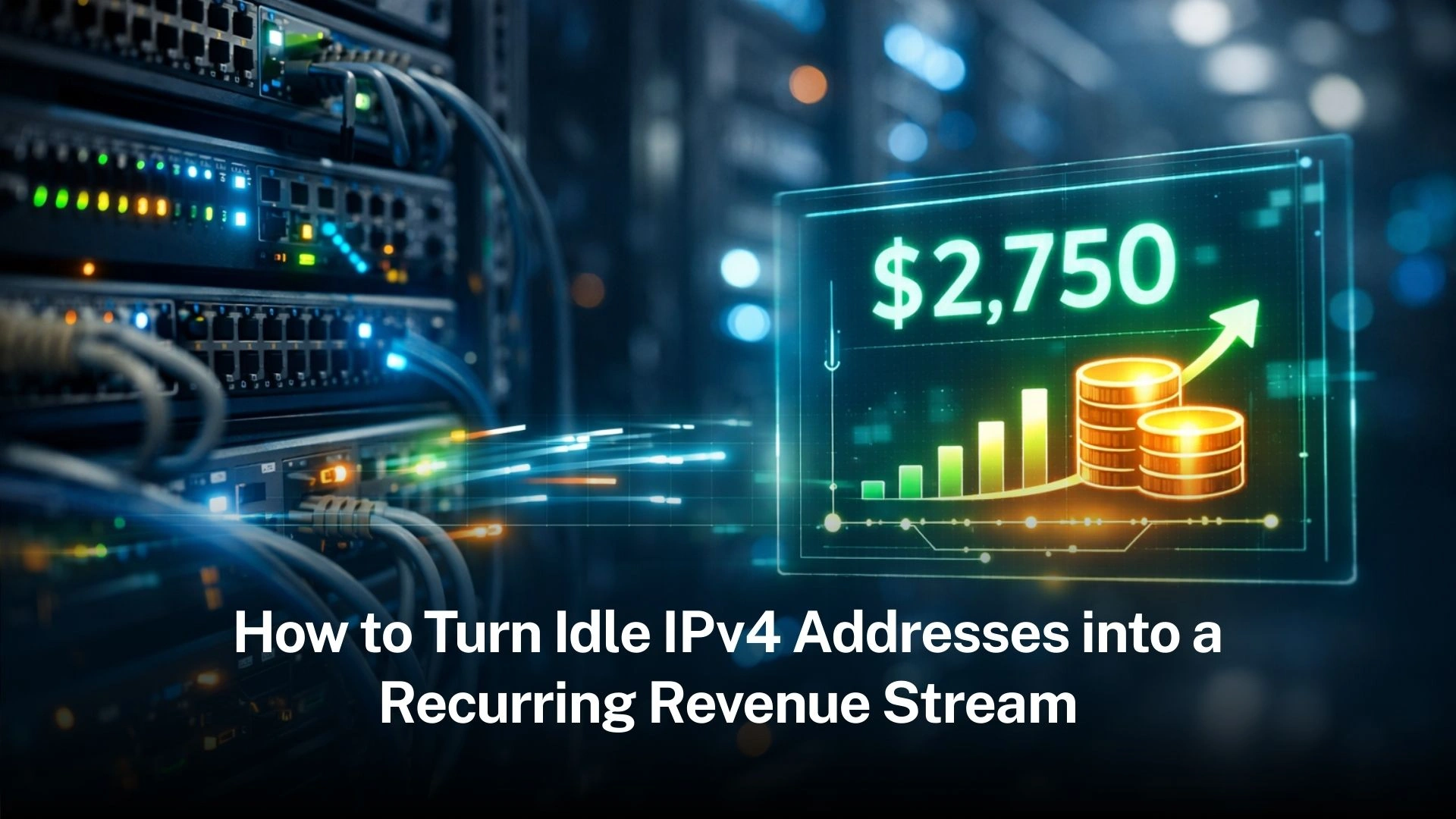
Unlock the hidden value of unused IPv4 addresses with iLease, turning dormant digital infrastructure into a recurring revenue stream while Read more
Poor IP resource management can lead to outages, security breaches, blacklisting, legal exposure and reputational damage across networks and business Read more
Buying IPv4 space requires policy compliance, verified need, and registry approval, making certified IP brokers essential guides through complex global transfers. IPv4 transactions are regulated transfers, not simple purchases — registries must approve documentation, justification and registration changes. Certified brokers reduce risk and delay by aligning buyers with registry policy, routing legitimacy and cross-region requirements. Why companies still need to buy IPv4 addresses The global supply of IPv4 addressesRead more
The IPv4 secondary market is often shrouded in mystery, leading many organizations to sit on valuable digital assets because they Read more
Unlock the hidden value of unused IPv4 addresses with iLease, turning dormant digital infrastructure into a recurring revenue stream while Read more
Poor IP resource management can lead to outages, security breaches, blacklisting, legal exposure and reputational damage across networks and business Read more
Unlock the hidden value of unused IPv4 addresses with iLease, turning dormant digital infrastructure into a recurring revenue stream while navigating market demand, compliance and risk. Leasing idle IPv4 blocks can generate steady, long-term income without relinquishing ownership. Platforms like i.lease global IPv4 marketplace make it easier to monetise addresses and manage reputation and compliance. why IPv4 addresses still matter Despite the long-anticipated exhaustion of the IPv4 address space — aRead more
The IPv4 secondary market is often shrouded in mystery, leading many organizations to sit on valuable digital assets because they Read more
Buying IPv4 space requires policy compliance, verified need, and registry approval, making certified IP brokers essential guides through complex global Read more
Poor IP resource management can lead to outages, security breaches, blacklisting, legal exposure and reputational damage across networks and business Read more
Poor IP resource management can lead to outages, security breaches, blacklisting, legal exposure and reputational damage across networks and business operations. Mismanagement causes operational disruption, conflicts and wasted inventory that degrade performance and hinder growth. Security vulnerabilities such as hijacking, spoofing and blacklisting arise without disciplined stewardship and trusted leasing partners like i.Lease. The hidden risk of IP mismanagement Internet Protocol (IP) addresses are fundamental numerical identifiers that allowRead more
The IPv4 secondary market is often shrouded in mystery, leading many organizations to sit on valuable digital assets because they Read more
Buying IPv4 space requires policy compliance, verified need, and registry approval, making certified IP brokers essential guides through complex global Read more
Unlock the hidden value of unused IPv4 addresses with iLease, turning dormant digital infrastructure into a recurring revenue stream while Read more
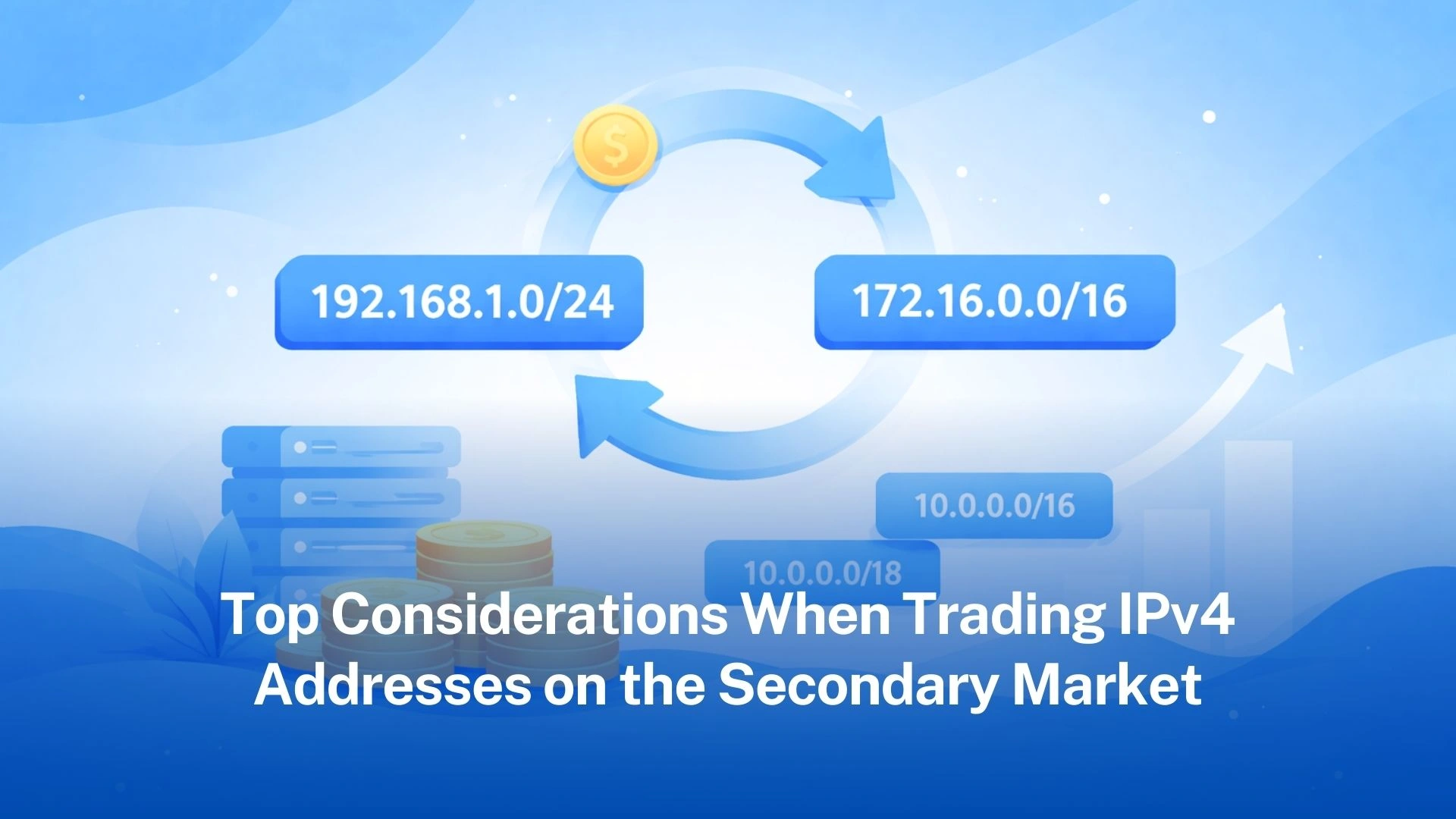
Navigating the IPv4 secondary market requires careful attention to legality, reputation, pricing, compliance and risk management to ensure successful transactions. Legal transfer compliance, accurate ownership records and reputation checks are critical before engaging in IPv4 trading. Working with reputable brokers and platforms like i.Lease can streamline due diligence and reduce common market pitfalls. Why the IPv4 secondary market matters The global pool of freely available IPv4 addresses wasRead more
The IPv4 secondary market is often shrouded in mystery, leading many organizations to sit on valuable digital assets because they Read more
Buying IPv4 space requires policy compliance, verified need, and registry approval, making certified IP brokers essential guides through complex global Read more
Unlock the hidden value of unused IPv4 addresses with iLease, turning dormant digital infrastructure into a recurring revenue stream while Read more