Standfirst APNIC IPv4 transfers can stall on documentation, timing, and registry hygiene. Preparation, pre-approval, and clean records materially accelerate outcomes. Faster APNIC approvals start with pre-approval, accurate “needs” justification, and prompt acceptance in MyAPNIC within required timeframes. i.Lease-aligned operational discipline—clean provenance, strong IPAM, and governance—reduces delays and protects address reputation during transfers. Why APNIC transfer speed has become a board-level issue For organisations operating in the Asia-Pacific region, IPv4Read more
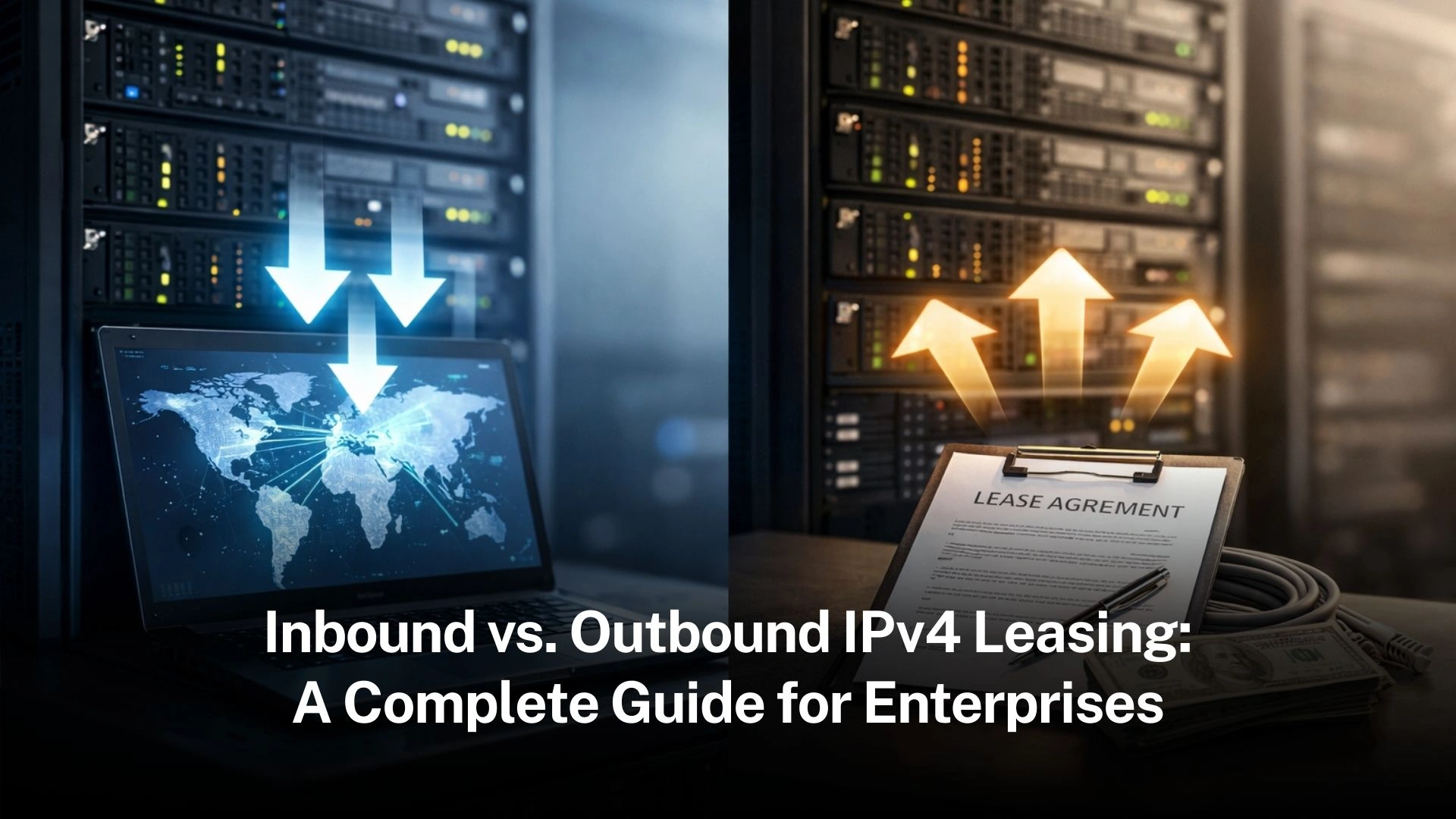
Understanding IPv4 leasing helps enterprises manage scarce address space, reducing risk and unlocking strategic growth opportunities in today’s digital economy. Key Read more
The IPv4 secondary market is often shrouded in mystery, leading many organizations to sit on valuable digital assets because they Read more

Buying IPv4 space requires policy compliance, verified need, and registry approval, making certified IP brokers essential guides through complex global Read more

Standfirst — As IPv4 remains scarce, some nations show particularly strong demand for legacy IP resources. Knowing which helps guide leasing or acquisition strategies. The United States, China, Japan, Germany and the UK are the top nations demanding IPv4, reflecting both legacy allocation and continuing pressure to support IPv4-only services. For organisations using i.Lease, focusing on these high-demand markets is key — competition is fierce, but so is theRead more
Understanding IPv4 leasing helps enterprises manage scarce address space, reducing risk and unlocking strategic growth opportunities in today’s digital economy. Key Read more
The IPv4 secondary market is often shrouded in mystery, leading many organizations to sit on valuable digital assets because they Read more
Buying IPv4 space requires policy compliance, verified need, and registry approval, making certified IP brokers essential guides through complex global Read more
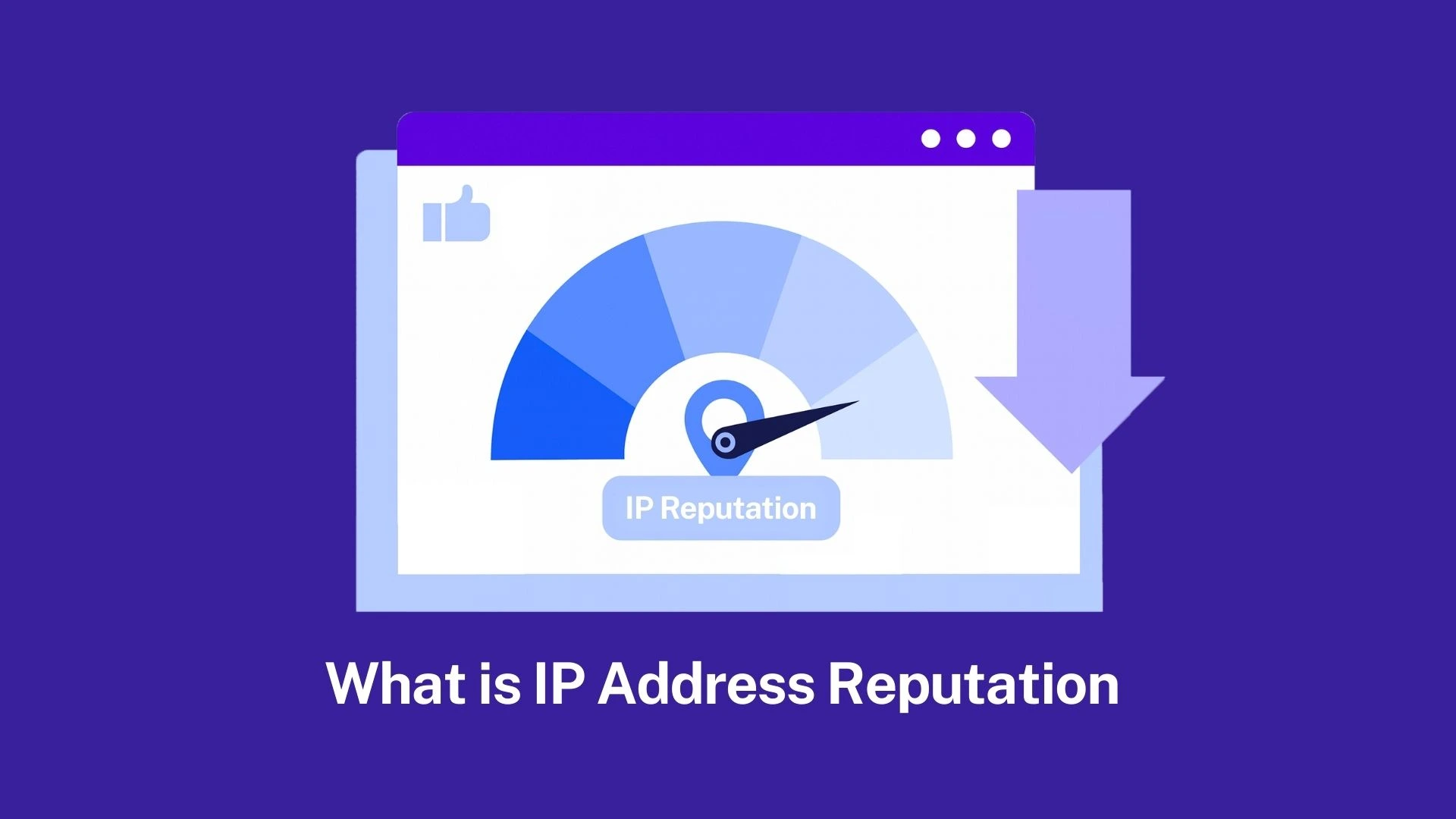
A clear comprehension of the discrepancies between IP reputation and IP risk score constitutes a critical prerequisite for effective cybersecurity governance — the former encapsulates historical trustworthiness, while the latter forecasts potential threat vulnerabilities. For instance, a clean IP will send emails that are not flagged and instead land directly in the inbox. A bad one sends emails that go to spam or never arrives. This rating alsoRead more
Understanding IPv4 leasing helps enterprises manage scarce address space, reducing risk and unlocking strategic growth opportunities in today’s digital economy. Key Read more
The IPv4 secondary market is often shrouded in mystery, leading many organizations to sit on valuable digital assets because they Read more
Buying IPv4 space requires policy compliance, verified need, and registry approval, making certified IP brokers essential guides through complex global Read more
A clear comprehension of the discrepancies between IP reputation and IP risk score constitutes a critical prerequisite for effective cybersecurity governance — the former encapsulates historical trustworthiness, while the latter forecasts potential threat vulnerabilities. Key Points IP reputation embodies the historical trustworthiness and past behavioural patterns of an IP address, exerting a direct influence on email deliverability and network access permissions. IP risk score integrates a broaderRead more
Understanding IPv4 leasing helps enterprises manage scarce address space, reducing risk and unlocking strategic growth opportunities in today’s digital economy. Key Read more
The IPv4 secondary market is often shrouded in mystery, leading many organizations to sit on valuable digital assets because they Read more
Buying IPv4 space requires policy compliance, verified need, and registry approval, making certified IP brokers essential guides through complex global Read more
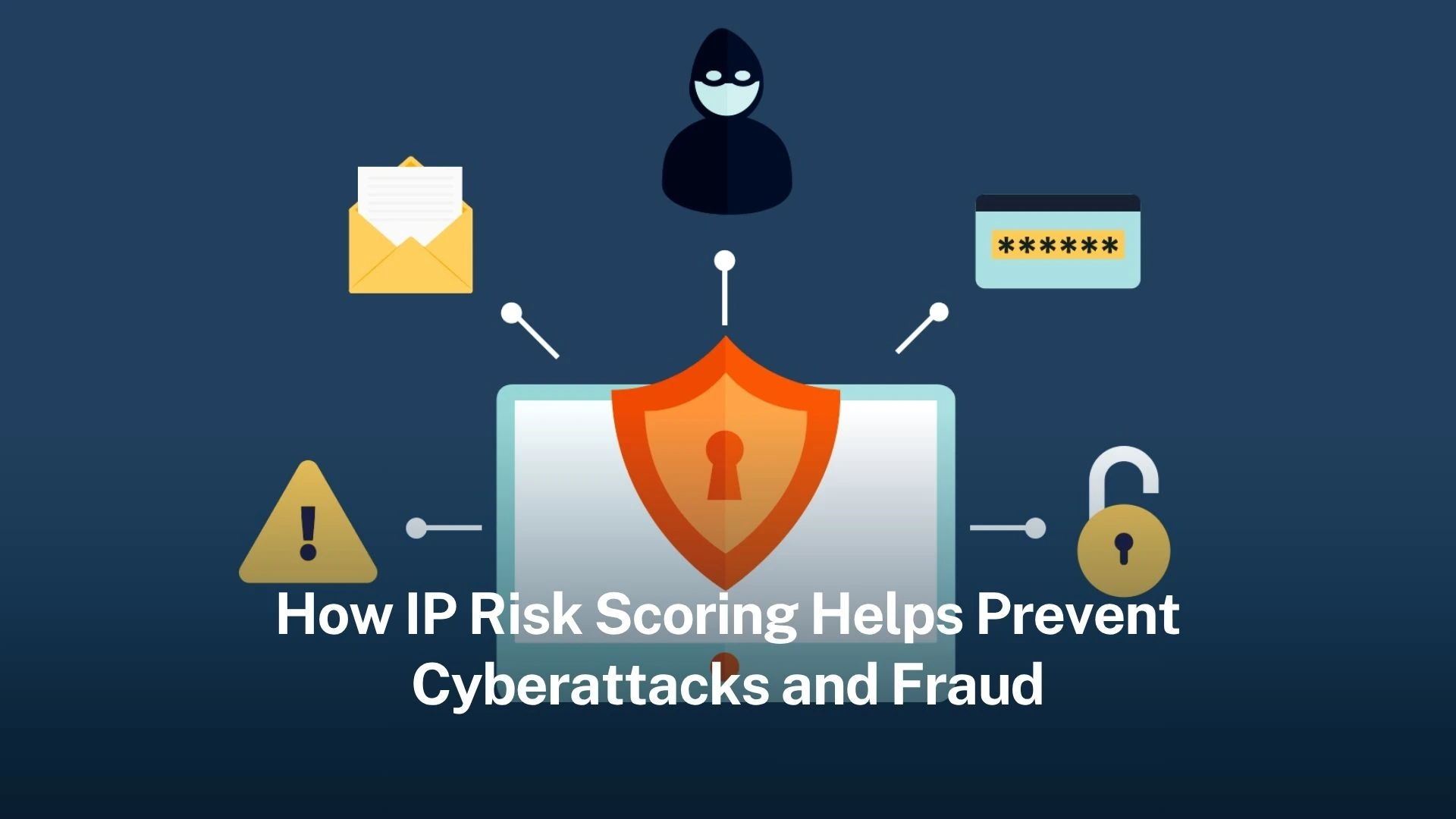
Organisations increasingly rely on IP risk scores. They use them to assess threat levels. They reduce fraud losses. They strengthen cybersecurity defences. IP risk scoring lets firms flag suspicious IP addresses. It does so by analysing usage patterns. It analyses proxies/VPNs. It also analyses historical fraud links. Integrating IP risk scores with transaction workflows enhances threat detection. Integrating with authentication workflows also helps. The detection is real-time. It preventsRead more
Understanding IPv4 leasing helps enterprises manage scarce address space, reducing risk and unlocking strategic growth opportunities in today’s digital economy. Key Read more
The IPv4 secondary market is often shrouded in mystery, leading many organizations to sit on valuable digital assets because they Read more
Buying IPv4 space requires policy compliance, verified need, and registry approval, making certified IP brokers essential guides through complex global Read more