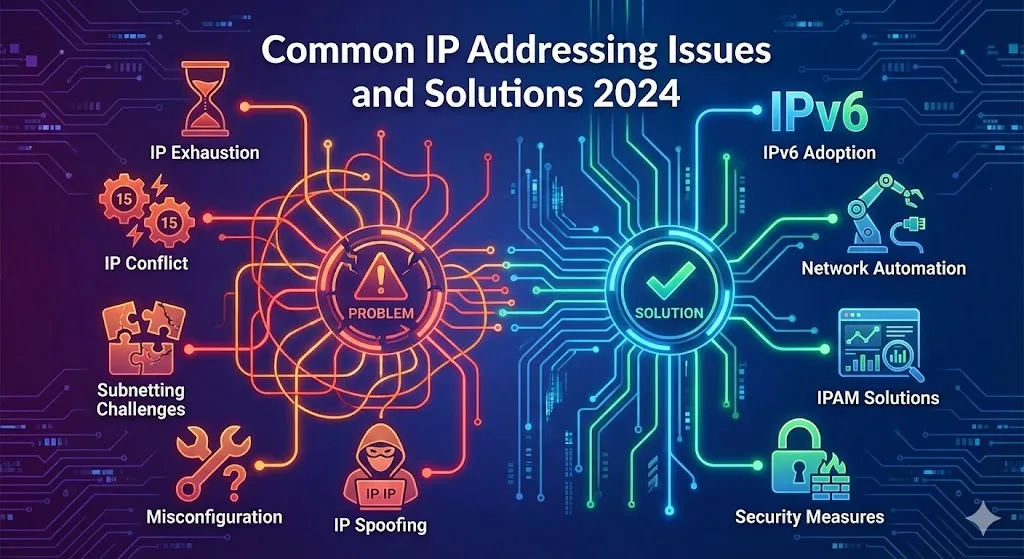
In today’s interconnected world, IP addressing serves as the foundation of communication across the internet and local networks. However, with the proliferation of devices and the complexity of network configurations, organizations often encounter various challenges related to IP addressing. In this blog post, we’ll explore some of the common IP-addressing issues faced by businesses and individuals, along with practical solutions to overcome them. Understanding IP Addressing Before delving intoRead more
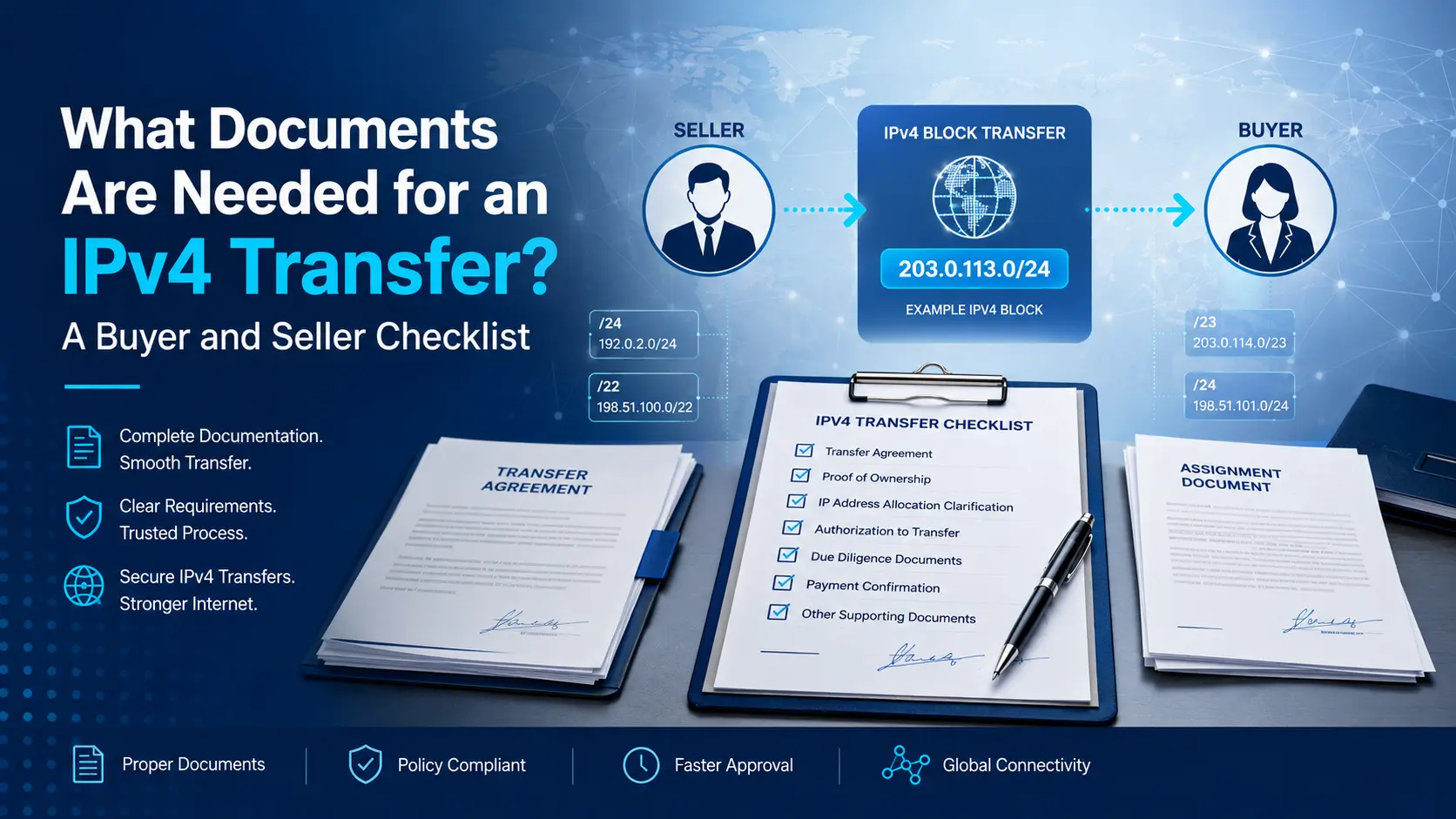
Transferring IPv4 address space from one organization to another involves more than agreeing on a prefix and a price. A Read more
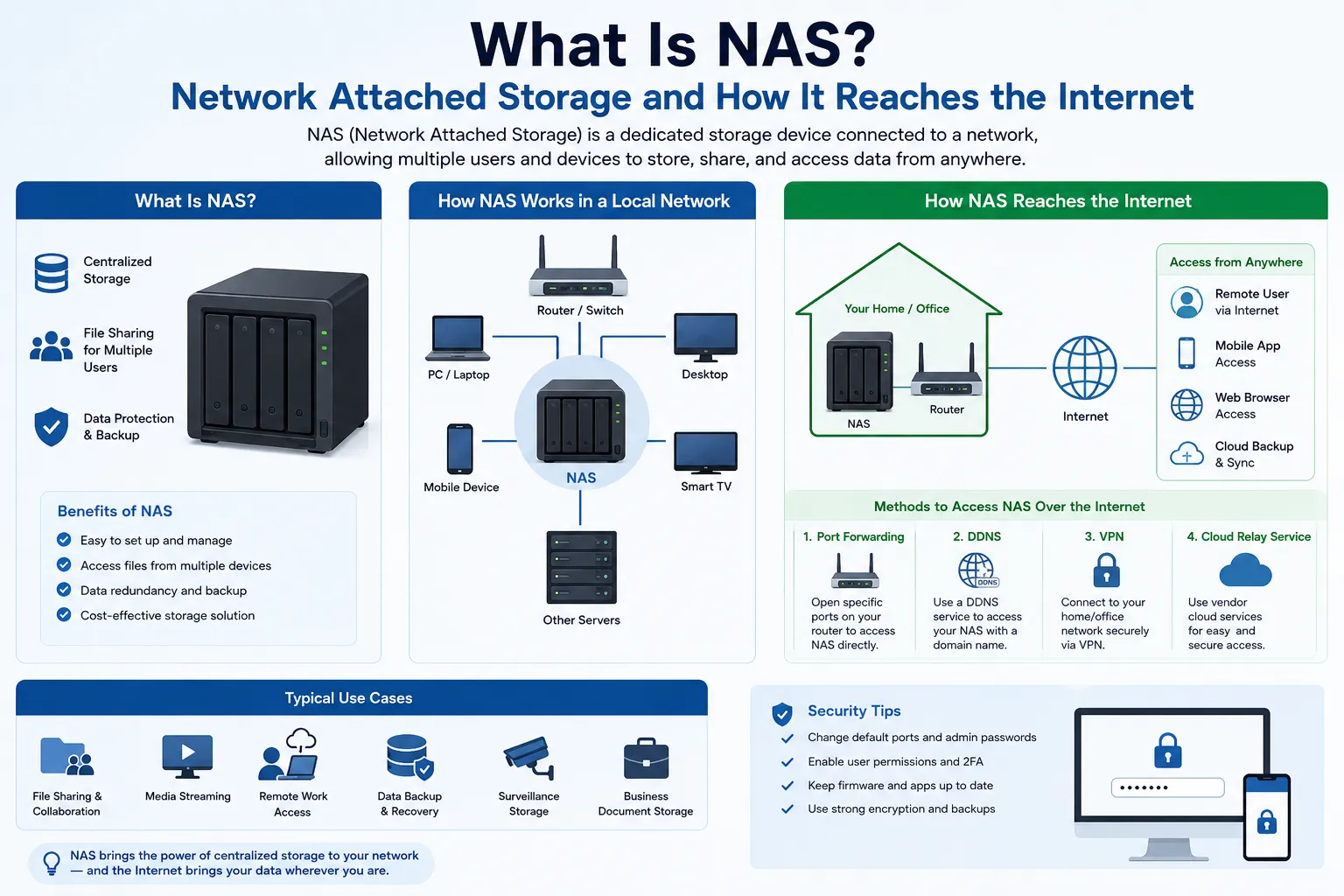
NAS stands for Network Attached Storage. It is a dedicated storage device that connects to a network and serves files Read more
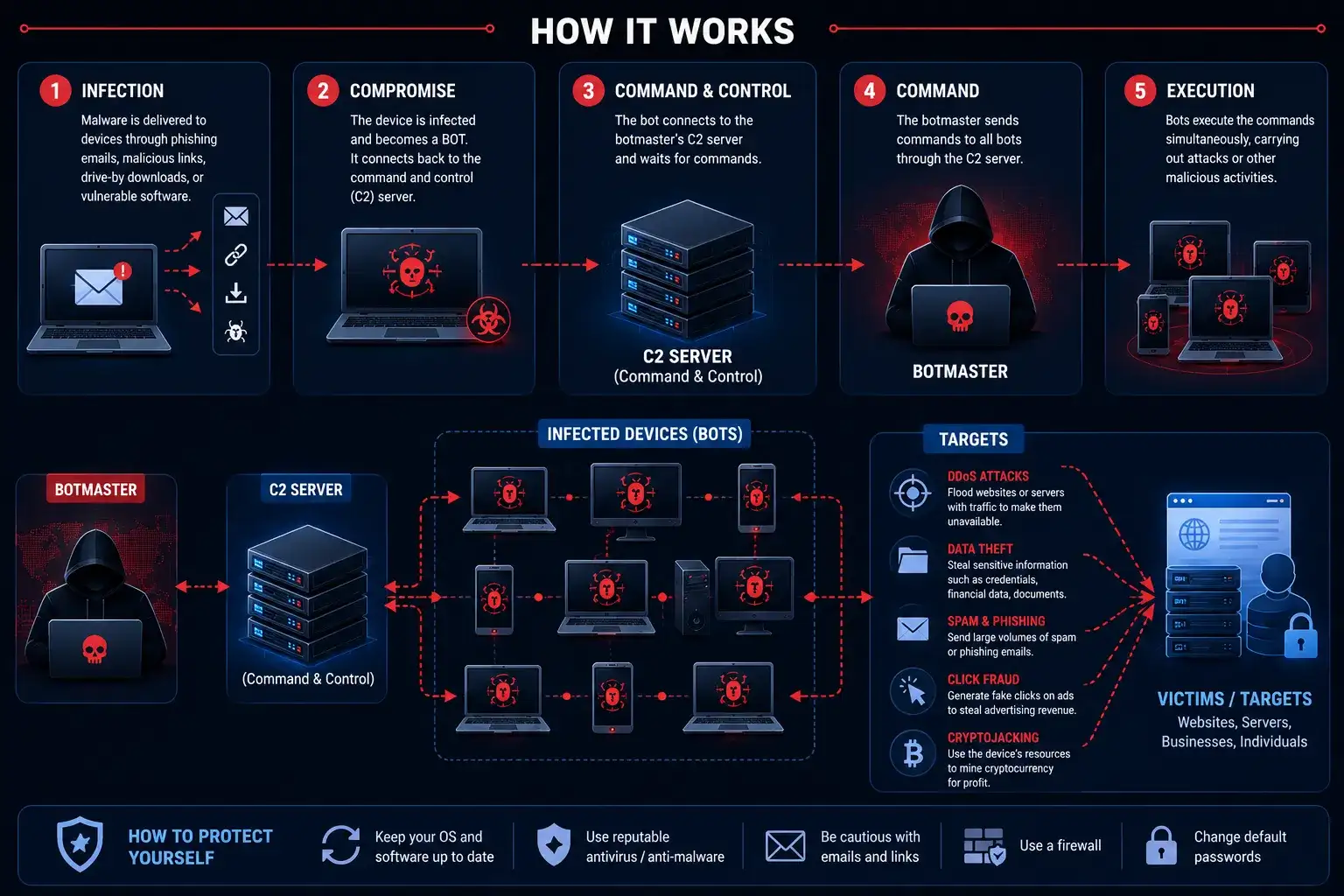
A botnet is a network of compromised computers or devices running malicious software that lets a single operator control them Read more
What are IP addresses? IP stands for Internet Protocol. A set of regulations dictating the structure of data transmission over the Internet or a local network is essentially known as a protocol. IP addresses serve as unique identifiers, facilitating the exchange of information among devices on a network by incorporating location details and enabling devices to be accessible for communication. The Basics of IP addresses In layman’s terms, anRead more
Transferring IPv4 address space from one organization to another involves more than agreeing on a prefix and a price. A Read more
NAS stands for Network Attached Storage. It is a dedicated storage device that connects to a network and serves files Read more
A botnet is a network of compromised computers or devices running malicious software that lets a single operator control them Read more
Devices that connect over the Internet rely on a system called IP addressing to find each other. Currently, there are two versions of IP addressing: IPv4 and IPv6. Let’s look into the future of IPv4 and IPv4 vs IPv6 IPv4, the older iteration, was developed in the 1970s and utilizes 32-bit addresses. There are only 4.3 billion available addresses– a small number when you think about the smartphones, tablets, andRead more
Transferring IPv4 address space from one organization to another involves more than agreeing on a prefix and a price. A Read more
NAS stands for Network Attached Storage. It is a dedicated storage device that connects to a network and serves files Read more
A botnet is a network of compromised computers or devices running malicious software that lets a single operator control them Read more

IPv4, based on a 32-bit system with four blocks of characters, provides approximately four billion addresses. However, with the increasing number of connected devices, IPv4 is no longer sufficient. IPv6, with its 128-bit system, offers an almost infinite number of IP addresses, thanks to eight hexadecimal character blocks. This long-term solution, however, could be a big jump for some small businesses in the United States. As a workable alternative,Read more
Transferring IPv4 address space from one organization to another involves more than agreeing on a prefix and a price. A Read more
NAS stands for Network Attached Storage. It is a dedicated storage device that connects to a network and serves files Read more
A botnet is a network of compromised computers or devices running malicious software that lets a single operator control them Read more
When a device connects to a network, it needs to follow a certain standard. This standard, called Internet Protocol, allows a device to communicate with other devices. Whether it’s over the Internet or on a local network (like a home or office network), a device needs a network address. A device receives a network address once it connects to a network, typically through a router. To communicate over theRead more
Transferring IPv4 address space from one organization to another involves more than agreeing on a prefix and a price. A Read more
NAS stands for Network Attached Storage. It is a dedicated storage device that connects to a network and serves files Read more
A botnet is a network of compromised computers or devices running malicious software that lets a single operator control them Read more