There are exactly 4,294,967,296 possible IPv4 addresses in the 32-bit IPv4 address space. This number comes from 232, because an IPv4 address contains 32 binary bits. However, 4.29 billion does not mean that 4.29 billion addresses are available for ordinary public Internet use. Large parts of the IPv4 address space are reserved for private networks, loopback communication, multicast, shared address space, documentation, benchmarking, protocol functions, and other special purposes.Read more

Transferring IPv4 address space from one organization to another involves more than agreeing on a prefix and a price. A Read more
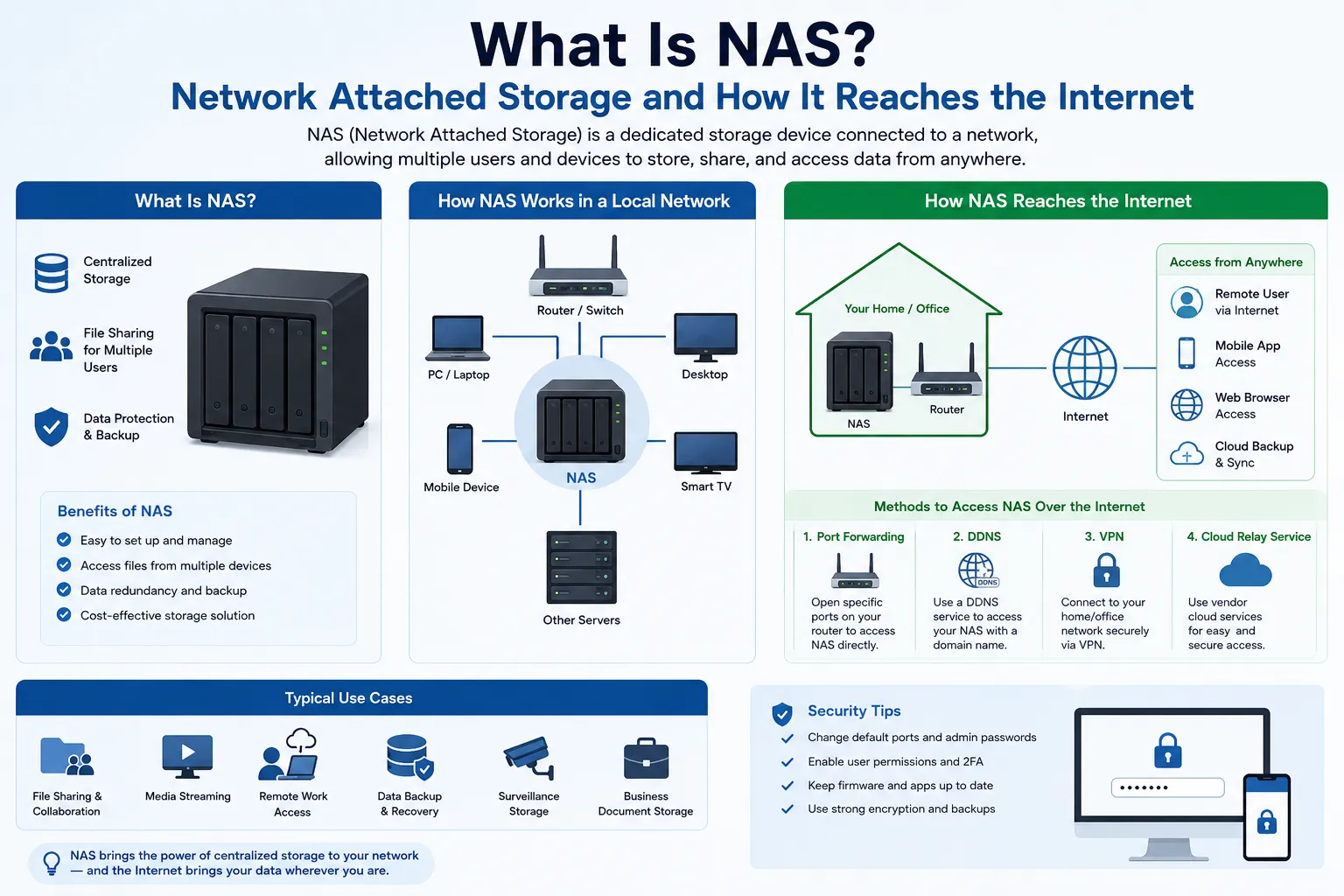
NAS stands for Network Attached Storage. It is a dedicated storage device that connects to a network and serves files Read more
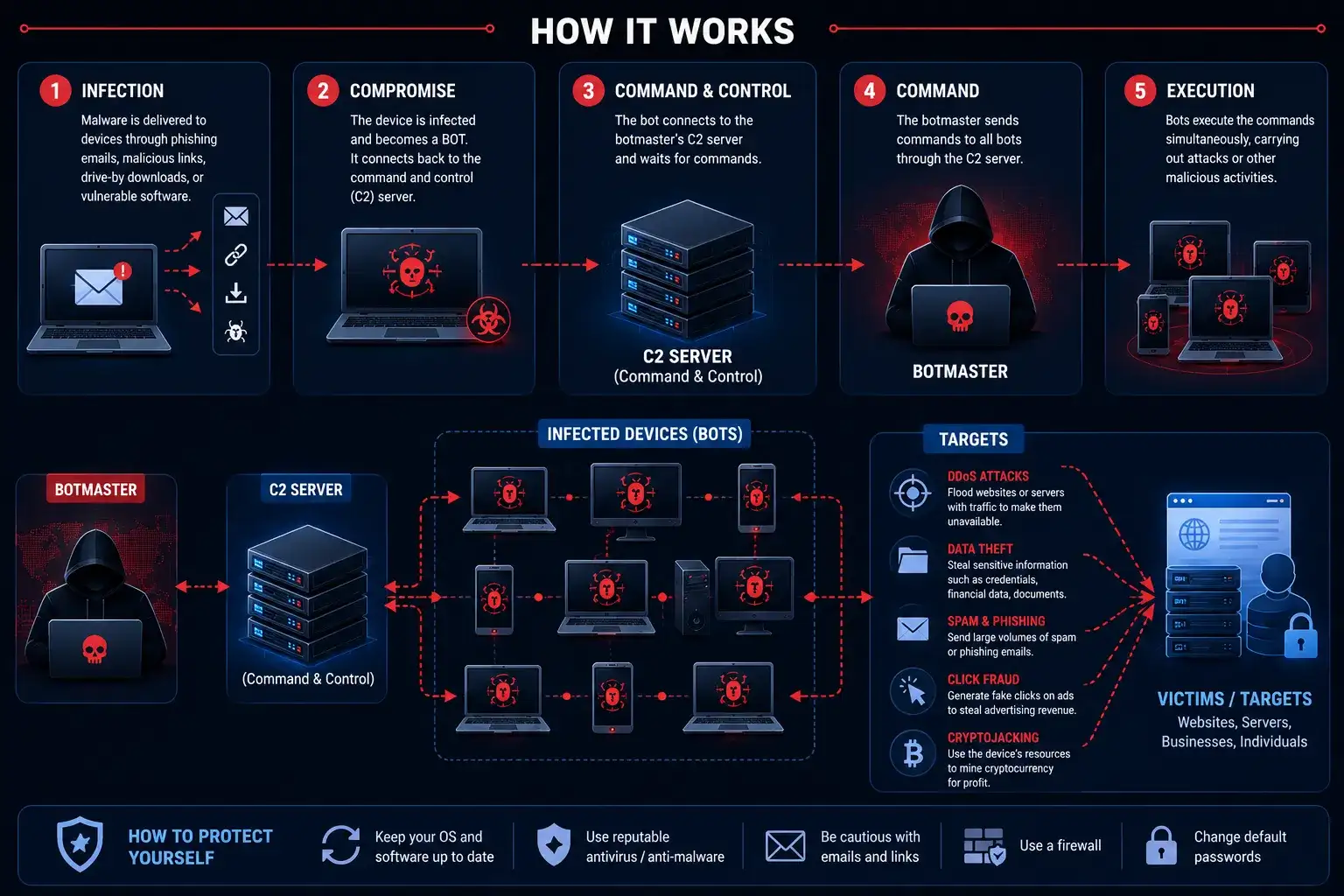
A botnet is a network of compromised computers or devices running malicious software that lets a single operator control them Read more
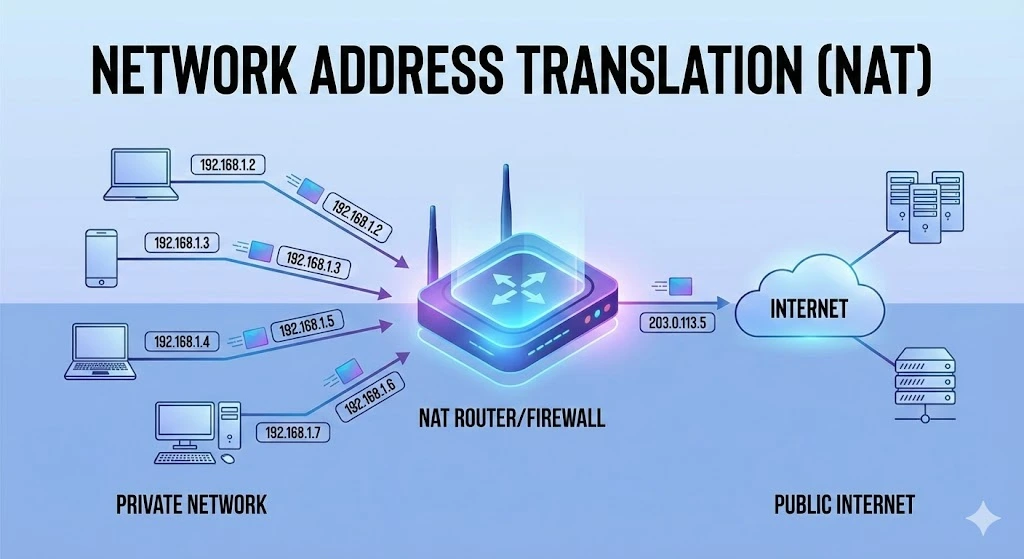
In networking, managing IP addresses efficiently ensures seamless communication between devices. One key technology that has emerged to address this challenge is Network Address Translation (NAT). This article explores what NAT is, how it works, its types, and its benefits and limitations. What is Network Address Translation (NAT)? Network Address Translation (NAT) is a method used in networking to modify network address information in the IP header of packetsRead more
Transferring IPv4 address space from one organization to another involves more than agreeing on a prefix and a price. A Read more
NAS stands for Network Attached Storage. It is a dedicated storage device that connects to a network and serves files Read more
A botnet is a network of compromised computers or devices running malicious software that lets a single operator control them Read more

Managing IP addresses ethically and ensuring privacy are of paramount importance. IP addresses, which are unique identifiers for devices on a network, play a crucial role in facilitating Internet communication. However, improper management and exposure of IP addresses can lead to privacy breaches and security vulnerabilities. This article explores the best practices for ethical IP address management and privacy solutions. Understanding IP Address Management IP Address Management (IPAM) refersRead more
Transferring IPv4 address space from one organization to another involves more than agreeing on a prefix and a price. A Read more
NAS stands for Network Attached Storage. It is a dedicated storage device that connects to a network and serves files Read more
A botnet is a network of compromised computers or devices running malicious software that lets a single operator control them Read more

Managing and acquiring IP addresses has become critical for businesses worldwide. Global IP solution providers play an essential role in this space, offering services such as IP leasing, IP management, and IP brokerage. This article delves into these services, explaining their importance and how they contribute to efficient Internet operations. Global IP Solution Provider A global IP solution provider offers comprehensive services to manage and allocate IP addresses efficiently.Read more
Transferring IPv4 address space from one organization to another involves more than agreeing on a prefix and a price. A Read more
NAS stands for Network Attached Storage. It is a dedicated storage device that connects to a network and serves files Read more
A botnet is a network of compromised computers or devices running malicious software that lets a single operator control them Read more
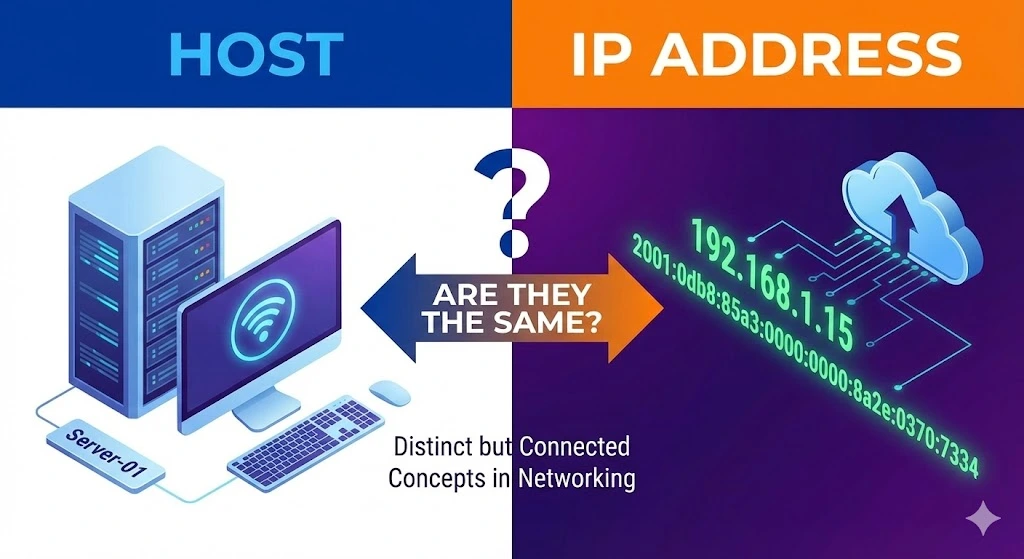
When learning the complexities of networking, you might encounter terms like “host” and “IP address” used frequently. These terms are fundamental to how devices communicate over the internet. While they are related, host and IP addresses are not the same. This article aims to clarify the differences and relationships between a host and an IP address, providing a comprehensive understanding of each term and their roles in network communication.Read more
Transferring IPv4 address space from one organization to another involves more than agreeing on a prefix and a price. A Read more
NAS stands for Network Attached Storage. It is a dedicated storage device that connects to a network and serves files Read more
A botnet is a network of compromised computers or devices running malicious software that lets a single operator control them Read more